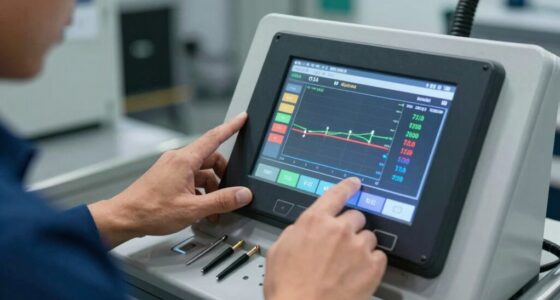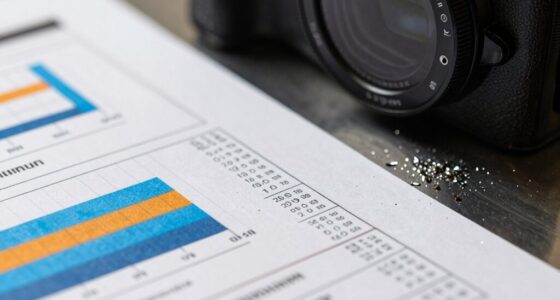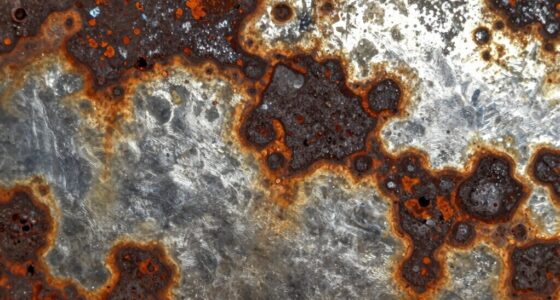
Normalizing wear metals per mile helps you compare engine component deterioration more accurately by accounting for how much distance an engine has covered. Instead of looking at raw metal levels, you divide the debris by miles driven, giving you a clearer picture of wear rates. This method highlights abnormal wear early and allows consistent comparisons across different vehicles or conditions. Keep exploring to discover how this simple trick can improve your vehicle maintenance strategy.

Get business pricing on garage and car supplies
- Business-only prices and quantity discounts
- Tax-exempt purchasing
- Multiple users, one account, clear invoices
Key Takeaways
- Normalizing wear metals by miles driven provides a standardized metric to compare component wear across different engines and conditions.
- It transforms raw metal concentrations into metals per mile, enabling more accurate assessment of wear rates.
- This normalization helps detect abnormal wear patterns early, supporting proactive maintenance and preventing failures.
- Comparing wear metals per mile across vehicles or fleet units allows for consistent monitoring of component health.
- Focusing on wear rate rather than absolute metal levels improves maintenance decision-making and extends vehicle lifespan.
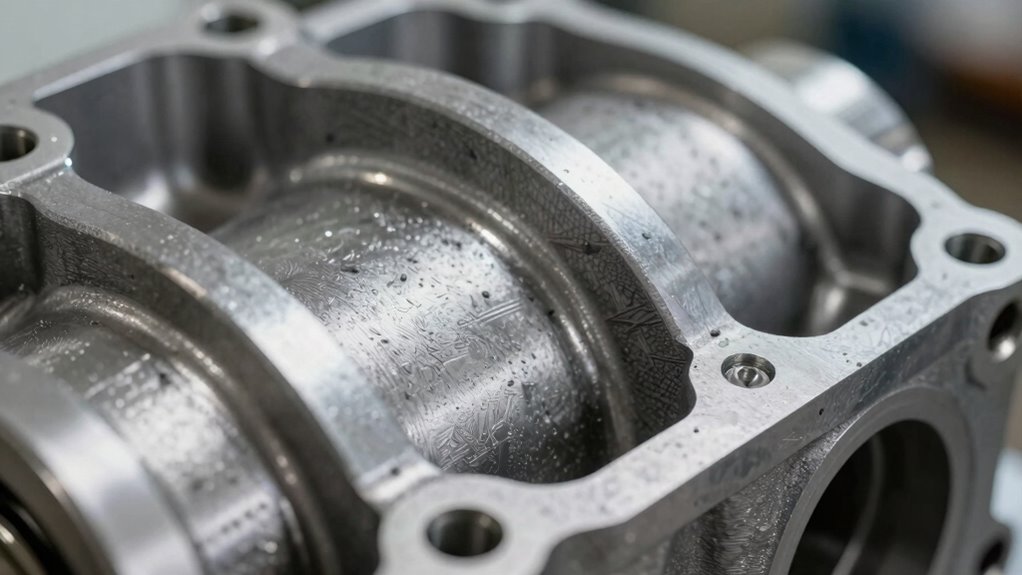
Have you ever wondered how much metal wears off your vehicle’s components with each mile driven? It’s a question that often goes unanswered until you start paying attention to wear metals per mile. When you analyze used oil through lubricant analysis, you gain insights into the amount of metal debris generated by engine parts, gears, and bearings. However, raw metal concentration alone doesn’t tell the full story because vehicles operate under different conditions, loads, and driving styles. This is where the normalization trick becomes invaluable. By calculating wear metals per mile, you effectively standardize the data, making it easier to compare across different engines, vehicles, or operating conditions. This approach helps you assess whether the wear rate is within normal limits or if something’s amiss.
Normalization involves dividing the concentration of wear metals by the number of miles driven since the last oil change or sample. This simple calculation transforms raw data into a more meaningful metric—metals per mile—that directly correlates to component wear. For example, if you observe a certain level of iron in the oil, knowing the total miles driven allows you to interpret whether this is typical or indicative of accelerated wear. It’s especially useful in predictive maintenance programs, where early detection of abnormal wear can prevent costly failures. When you consistently track wear metals per mile, you develop a baseline for your vehicle’s normal wear rate. Deviations from this baseline can signal issues such as bearing fatigue, gear damage, or contamination, prompting you to schedule maintenance proactively rather than reactively. Additionally, understanding the importance of projector contrast ratio can help in creating optimal viewing environments for detailed analysis of images or data representations.
Using this normalization technique enhances your ability to make informed decisions about your vehicle’s health. Instead of reacting to absolute metal levels, which can be misleading due to varying driving conditions, you focus on the rate of metal accumulation over time. This insight allows for more accurate predictions about when components might need replacing, extending the life of your vehicle and reducing downtime. It also improves your maintenance planning, as you can compare wear rates across different vehicles or fleet units on a comparable basis. Ultimately, integrating wear metals per mile into your lubricant analysis routine empowers you to optimize maintenance schedules, avoid surprises, and keep your vehicle running smoothly.
oil analysis wear metals test kit
As an affiliate, we earn on qualifying purchases.
As an affiliate, we earn on qualifying purchases.
Frequently Asked Questions
How Does Wear Metals Analysis Predict Equipment Failure?
Wear metals analysis predicts equipment failure by monitoring metal levels in your lubricant, which reflect wear and contamination effects. When metals like iron or copper increase unexpectedly, it signals that components are degrading or that contamination is accelerating wear. By tracking these changes over miles driven, you can identify early signs of failure, ensuring you maintain lubrication quality and prevent costly breakdowns. This proactive approach helps you keep equipment running smoothly.
What Are Common Mistakes When Normalizing Wear Metals Data?
Like steering through a maze, normalizing wear metals data can trip you up if you’re unaware of common mistakes. You might fall into sample bias, where your data isn’t representative, or use inconsistent units, which muddles comparisons. Always ensure your samples are truly comparable and standardize units across all measurements. These steps keep your analysis sharp and prevent misleading conclusions, guiding you straight to accurate equipment insights.
Can Wear Metals per Mile Be Used for All Types of Machinery?
You can use wear metals per mile for many machinery types, but it’s crucial to take into account lubrication quality and filter effectiveness. If lubrication is poor or filters aren’t effective, metal levels might not accurately reflect wear. For machinery with varying operating conditions or different lubrication regimes, normalization helps, but always evaluate these factors first to ensure your comparisons remain valid and meaningful.
How Often Should Wear Metals Testing Be Performed?
You should perform wear metals testing regularly, ideally at consistent test intervals based on your machinery’s operating hours or usage patterns. Sampling frequency depends on equipment stress and environment, but a common approach is monthly or quarterly tests. Regular testing helps catch early signs of wear, allowing you to adjust maintenance schedules proactively. Keep track of your results to identify trends and optimize your maintenance plan effectively.
What Factors Influence Variations in Wear Metals Levels?
Think of your engine like a busy highway; various factors cause wear metals levels to fluctuate. Lubrication quality plays a big role, as poor oil can accelerate metal wear. Contamination sources, like dirt or water, also influence metal levels by introducing unwanted particles. These elements can cause sudden spikes or drops, making it essential to monitor and maintain proper lubrication and cleanliness to keep wear metals levels stable and reliable.
As an affiliate, we earn on qualifying purchases.
Conclusion
By paying close attention to wear metals per mile, you gently uncover the subtle stories your machinery tells. This simple normalization acts like a delicate whisper, guiding you to catch early signs before they become louder issues. When you embrace this approach, you’re not just maintaining equipment—you’re nurturing its silent health and longevity. In doing so, you create a smoother journey, where each mile reflects care and foresight, ensuring your machinery’s quiet strength endures for miles to come.
As an affiliate, we earn on qualifying purchases.
automotive wear metals per mile monitor
As an affiliate, we earn on qualifying purchases.
As an affiliate, we earn on qualifying purchases.
Fall Picks
fall essentials
As an affiliate, we earn on qualifying purchases.