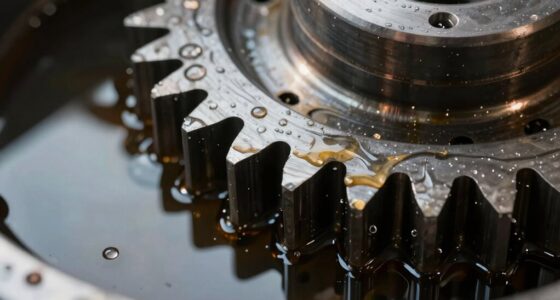

Understanding the difference between oil temperature and component temperature is essential because confusing them can lead to improper maintenance. Oil temperature measures how hot the lubricant is circulating, while component temperature reflects the heat in specific parts like bearings or gears. Even if oil is hot, a component might stay cool with good heat transfer, or vice versa. Keep in mind, recognizing these differences helps you optimize equipment health—if you want to know more, there’s plenty to explore.
Key Takeaways
- Oil temperature indicates lubricant heat levels, while component temperature reflects the heat of specific machine parts.
- Confusing the two can lead to improper maintenance and potential equipment failure.
- Monitoring both provides a comprehensive view of machinery health and cooling efficiency.
- High oil temperature doesn’t always mean high component temperature, due to effective heat transfer.
- Correct sensor placement and understanding of each metric are essential for accurate diagnostics.
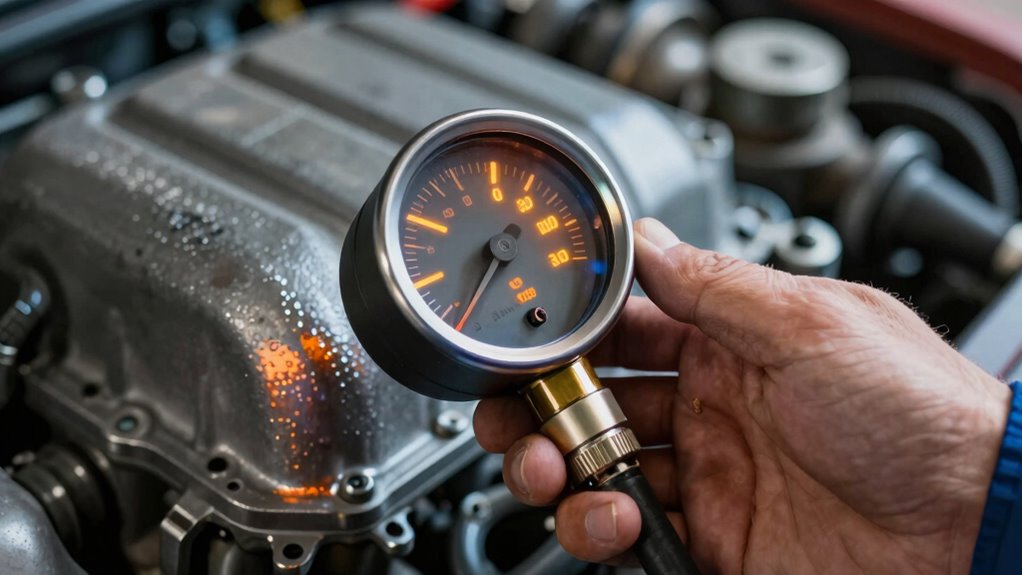
Understanding the difference between oil temperature and component temperature is essential for maintaining peak equipment performance. When working with machinery, it’s easy to confuse these two metrics, but doing so can lead to improper maintenance decisions and potential equipment failure. Oil temperature refers to the temperature of the lubricant circulating within your system, while component temperature indicates how hot specific parts, like bearings or gears, actually become during operation. Recognizing how these temperatures relate helps you better manage your equipment’s health and efficiency.
Oil viscosity plays a crucial role here. As oil heats up, its viscosity decreases, making it thinner and less capable of providing a proper film between moving parts. This can lead to increased wear and tear. Conversely, if the oil is too cold, it’s too thick, which hampers flow and reduces its ability to lubricate effectively. Monitoring oil temperature allows you to ensure the oil remains within an optimal viscosity range, preventing excessive wear and maintaining smooth operation. Additionally, the thermal conductivity of the oil influences how quickly heat is transferred away from critical components. A lubricant with good thermal conductivity helps dissipate heat more efficiently, lowering component temperatures and reducing the risk of overheating.
It’s important to note that higher oil temperatures don’t always mean higher component temperatures. For example, if your system’s design promotes good heat transfer, the oil might be relatively hot, but the actual components stay cooler because the oil is effectively carrying away heat. Conversely, a component can be hot even if the oil temperature is low, especially if heat isn’t being transferred efficiently or if localized heating occurs due to friction or electrical faults. This distinction is essential when diagnosing issues or determining proper cooling strategies.
Furthermore, using accurate temperature sensors placed at critical points can help you obtain more precise readings of both oil and component temperatures, enabling better decision-making. Understanding these nuances enables you to set appropriate temperature thresholds and adjust cooling systems accordingly. Relying solely on oil temperature readings can be misleading if you don’t consider the actual component temperatures. Maintaining an awareness of both metrics allows for better preventative maintenance, avoiding costly breakdowns. It also guides you in selecting lubricants with the right viscosity and thermal conductivity properties for your specific operating conditions. By managing oil and component temperatures correctly, you maximize equipment longevity and performance, saving time and money in the long run.
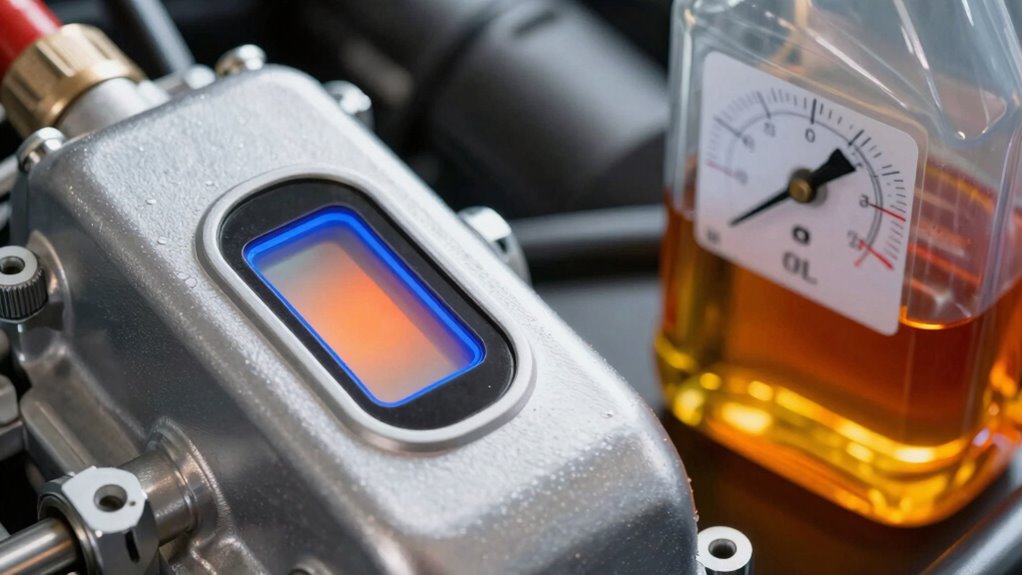
oil temperature sensor for machinery
As an affiliate, we earn on qualifying purchases.
As an affiliate, we earn on qualifying purchases.
Frequently Asked Questions
How Does Oil Temperature Affect Engine Performance?
You’ll notice that higher oil temperature decreases oil viscosity, making it thinner and less able to lubricate engine parts effectively. This can lead to increased friction and wear. Additionally, thermal expansion causes engine components to expand, potentially affecting clearances. Maintaining proper oil temperature guarantees ideal viscosity and minimizes thermal expansion issues, helping your engine run smoothly and efficiently without undue wear or performance loss.
What Tools Are Best for Measuring Component Temperature?
You should use thermal imaging cameras or infrared sensors to measure component temperature accurately. These tools create visual representations of heat, allowing you to pinpoint hot spots and monitor temperature changes in real-time. Thermal imaging provides a clear, detailed view of how components behave under different conditions, helping you detect issues early. Infrared sensors are especially useful for quick, non-contact measurements, ensuring safety and precision during inspections.
Can Oil Temperature Indicate Engine Overheating?
Yes, oil temperature can indicate engine overheating. When your engine runs too hot, oil viscosity decreases, reducing lubrication and increasing wear. This rise in oil temperature often signals thermal expansion issues within engine components. If you notice high oil temperatures, it’s a sign to check cooling systems. Monitoring oil temperature helps prevent overheating, ensuring your engine stays within safe operating limits and maintains peak performance.
Are There Safety Risks in Monitoring Component Temperature?
Monitoring component temperature is vital because ignoring it can lead to catastrophic failure. If you overlook high temperatures, thermal expansion and material fatigue might cause parts to warp or crack, risking engine meltdown or safety hazards. You could end up with exploding components! Regularly checking these temps helps prevent such disasters, ensuring your engine stays safe and reliable. Don’t underestimate the danger—monitor component temperatures like your life depends on it.
How Often Should I Check Oil and Component Temperatures?
You should check oil and component temperatures regularly, ideally every few hours during operation, to prevent issues caused by oil viscosity changes and thermal expansion. Frequent monitoring helps you catch temperature fluctuations early, ensuring peak lubrication and avoiding overheating. Adjust your checks based on equipment use, environmental conditions, and manufacturer recommendations. Staying vigilant prevents damage, extends equipment life, and keeps operations running smoothly.

Frigga 5 Pack 100 Days USB Temperature Data Logger Single Use Temperature Recorder High Accuracy Thermometer Monitor 14400 Points with PDF CSV Report,U2
- Wide Temperature Range: -30°C to +70°C
- High Accuracy: ±0.5°C within -20°C to +40°C
- Easy Report Generation: CSV and PDF reports with one click
As an affiliate, we earn on qualifying purchases.
As an affiliate, we earn on qualifying purchases.
Conclusion
Think of oil temperature and component temperature like a river and its banks—you need both to stay in sync to keep your engine flowing smoothly. Mixing them up is like trying to read a map without knowing where you are; it leads to confusion and potential damage. By understanding the difference, you’re steering your vehicle safely through the currents of performance, ensuring everything stays balanced and running at its best. Stay vigilant, and keep your engine’s health on course.

BOSCH SP0F000045 Style Line 2" Mechanical Water/Oil Temperature Gauge (White Dial Face, Chrome Bezel)
- Dial Size: 2-inch white dial for openings
- Temperature Range: 100-250°F
- Design: Chrome bezel with removable panel
As an affiliate, we earn on qualifying purchases.
As an affiliate, we earn on qualifying purchases.

Engine Coolant Temperature Sensor for 2007-2015 Honda Acura Accord Odyssey
- Part Number Compatibility: Check part numbers before ordering
- High-Quality Material: Durable and reliable construction
- Easy Installation: Direct replacement for ease of use
As an affiliate, we earn on qualifying purchases.
As an affiliate, we earn on qualifying purchases.