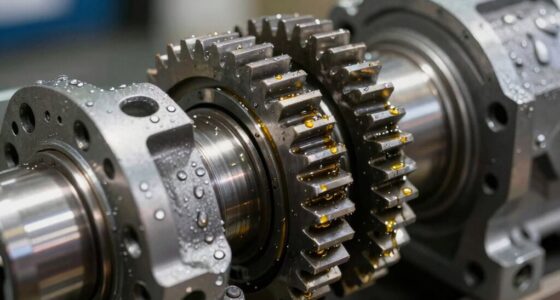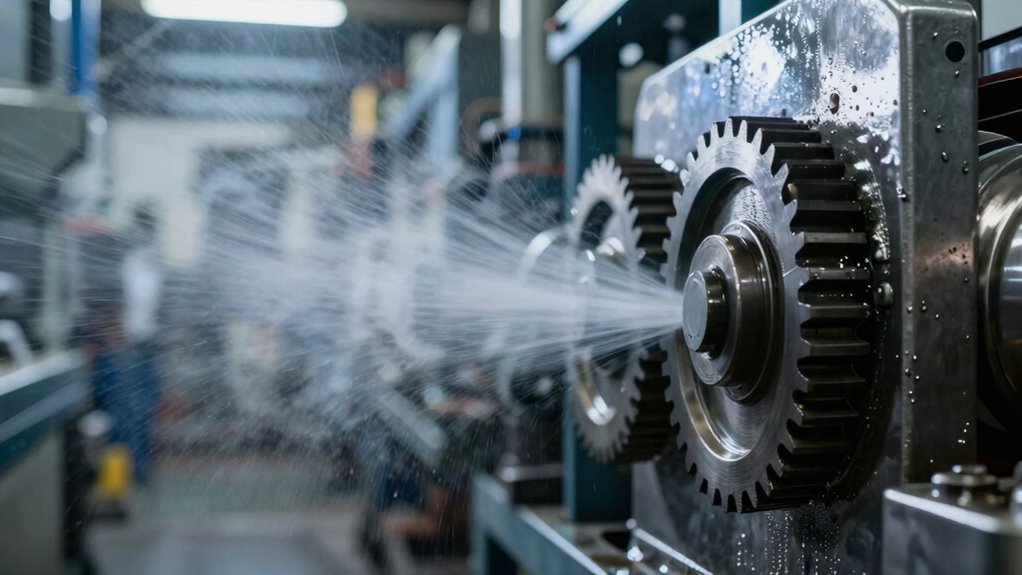

Oil mist lubrication works best in high-speed, clean environments where continuous, even lubrication is needed, such as turbines or gearboxes. However, it backfires in dusty, dirty, or wet conditions because mist can carry contaminants and cause corrosion or wear. If you want to guarantee peak performance and safety, understanding where oil mist suits your machinery is essential—exploring more will help you make the right choice.

Get business pricing on garage and car supplies
- Business-only prices and quantity discounts
- Tax-exempt purchasing
- Multiple users, one account, clear invoices
Key Takeaways
- Oil mist lubrication is ideal for high-speed, clean, and enclosed machinery to ensure even, continuous lubrication.
- It backfires in dusty or dirty environments, where contaminants can be carried into critical components.
- Proper maintenance is essential to prevent leaks, buildup, and environmental contamination risks.
- Not suitable for equipment exposed to water or aggressive chemicals, which can degrade the oil mist system.
- Best applied when continuous, controlled lubrication enhances performance and reduces downtime in appropriate settings.
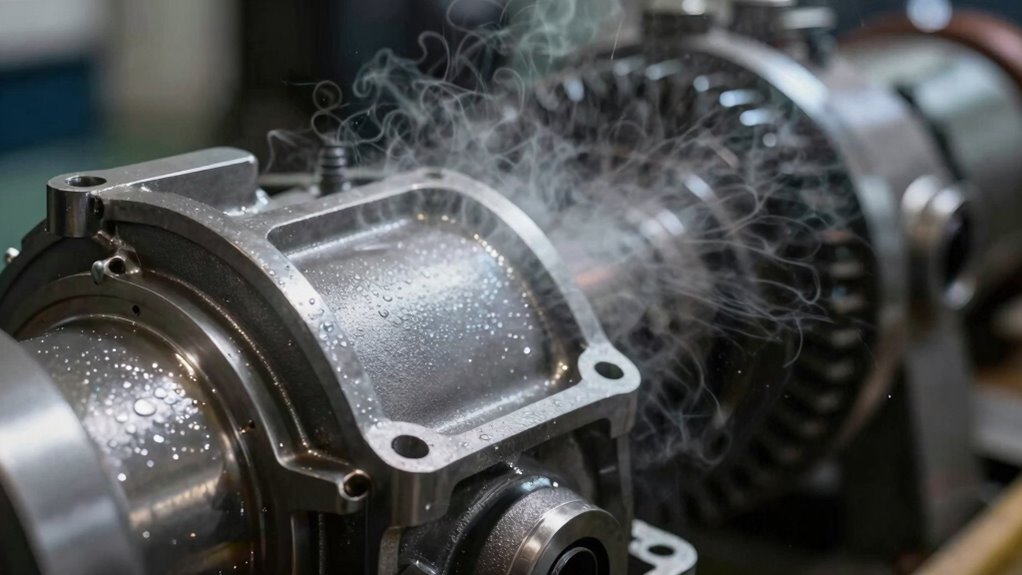
Have you ever wondered how machinery can run smoothly with minimal maintenance? One answer lies in oil mist lubrication, a technique that disperses a fine mist of oil into the machinery’s moving parts. This method offers several oil mist lubrication benefits, such as reducing friction, preventing wear, and extending equipment life. Because the oil is evenly distributed in a controlled manner, it minimizes metal-to-metal contact, which means less heat and less energy loss. Additionally, oil mist lubrication helps keep components cleaner by trapping dirt and debris before they can cause damage. It also allows for continuous lubrication without the need for frequent manual oiling, saving time and labor costs. For machinery operating in harsh or high-speed environments, oil mist systems provide a consistent, thin film of lubrication that helps maintain ideal performance. Plus, they often require less oil overall, making them a more economical choice over time. Proper oil mist system maintenance is crucial to ensure efficiency and safety in operation.
However, oil mist lubrication drawbacks are worth considering. Not all machinery is suitable for this method, especially those that operate in dusty or dirty environments where the mist can carry contaminants into critical parts. This can lead to increased wear or even component failure, counteracting the benefits. Also, the system itself requires proper maintenance to prevent issues like oil buildup or leaks, which can pose fire hazards or create messy workspaces. Some systems need specialized equipment and trained personnel to operate correctly, adding to the initial setup costs. Moreover, oil mist lubrication isn’t ideal for components exposed to direct environmental elements like water or aggressive chemicals, as these can dilute or wash away the mist, reducing its effectiveness. In certain cases, the oil mist can also escape into the surrounding environment, raising safety concerns or environmental compliance issues.
While oil mist lubrication can be highly effective in specific applications, it’s essential to weigh these benefits against the drawbacks. Proper assessment of your machinery, environment, and operational needs will determine whether this lubrication method is right for you. If managed carefully, oil mist systems can drastically reduce downtime and maintenance costs, making them a worthwhile investment. But neglecting their limitations or installing them in unsuitable conditions can lead to more problems than they solve. Ultimately, understanding where oil mist lubrication works best—and where it backfires—ensures you make informed decisions that keep your equipment running smoothly and efficiently.
Products Worth Considering

DEWALT 20V MAX XR Impact Driver, 1/4 Inch High Torque Brushless 3-Speed Cordless with LED Light, Extended Runtime (DCF845B)

DEWALT 20V MAX Cordless 1/2-Inch Impact Wrench Kit (DCF900P1)

Milwaukee M18 FUEL 18V Lithium-Ion Brushless Cordless 1 in. Impact Wrench Extended Reach D-Handle Kit with Two 12.0 Ah Batteries
As an affiliate, we earn on qualifying purchases.
Frequently Asked Questions
How Does Oil Mist Lubrication Compare to Traditional Lubrication Methods?
Oil mist lubrication offers advantages like improved lubrication efficiency and reduced waste compared to traditional methods. You’ll find it easier to maintain consistent lubrication levels, especially in complex machinery, which minimizes wear and tear. Unlike grease or oil baths, it reduces contamination risks and extends equipment life. If you seek a cleaner, more efficient lubrication process, oil mist can be a smart choice, especially for high-speed or delicate applications.
What Are the Environmental Impacts of Oil Mist Lubrication?
You might not realize, but oil mist lubrication can release airborne pollutants, affecting air quality. About 20% of lubricant escapes as oil aerosol dispersion, contributing to environmental concerns. This process can increase airborne pollutants, harming ecosystems and human health. While it reduces waste and energy use, you should weigh its benefits against potential environmental impacts, especially if oil aerosol dispersion spreads beyond your facility, causing unintended pollution.
Can Oil Mist Lubrication Be Used in High-Temperature Environments?
Yes, oil mist lubrication can be used in high-temperature environments if it offers high temperature stability. You need to guarantee the oil mist resists breakdown under heat, preventing oil vaporization or degradation. When selecting a system, look for oils formulated for high temperatures, and regularly monitor for oil mist breakdown, which can compromise lubrication effectiveness and cause equipment issues. Proper maintenance maximizes performance in such demanding conditions.
What Are the Maintenance Requirements for Oil Mist Systems?
You need to regularly check and maintain your oil mist system to guarantee peak performance. Focus on oil mist filtration to prevent contamination and replace filters during scheduled maintenance intervals. Keep an eye on oil levels and monitor system components for wear or leaks. Regular inspections and timely maintenance help prevent system failures, ensuring smooth operation and extending the lifespan of your equipment.
Are There Safety Concerns With Using Oil Mist Lubrication?
You should be aware that oil mist lubrication poses health hazards, like inhalation of fine particles, and fire risks from accumulated oil vapors. To stay safe, guarantee proper ventilation, regular maintenance, and use explosion-proof equipment. Follow safety protocols strictly, and monitor your environment for leaks or buildup. By taking these precautions, you minimize dangers and keep your workspace secure while benefiting from oil mist lubrication.
Conclusion
Oil mist lubrication works great in clean, enclosed environments like turbines, where it reduces friction and keeps equipment running smoothly. However, it can backfire in dusty or humid settings, causing clogs or corrosion. For example, in a manufacturing plant, switching to oil mist saved maintenance time, but in an outdoor setting, it led to contamination issues. Choose your application wisely—oil mist shines when used where conditions are controlled.