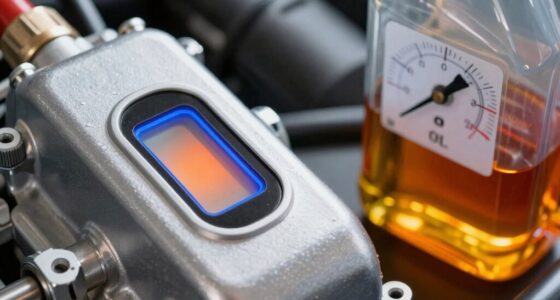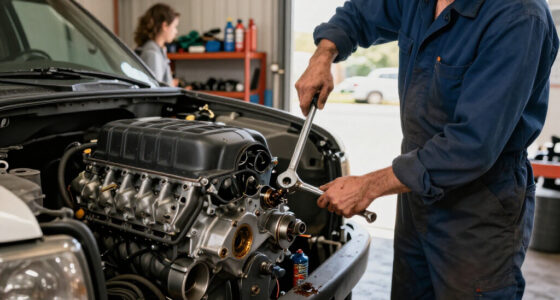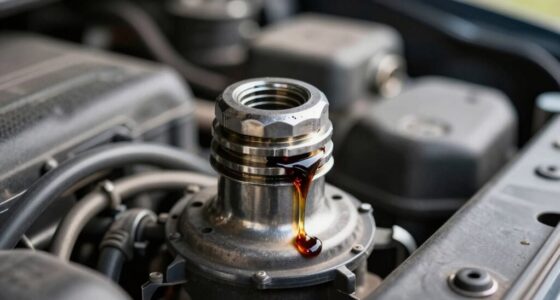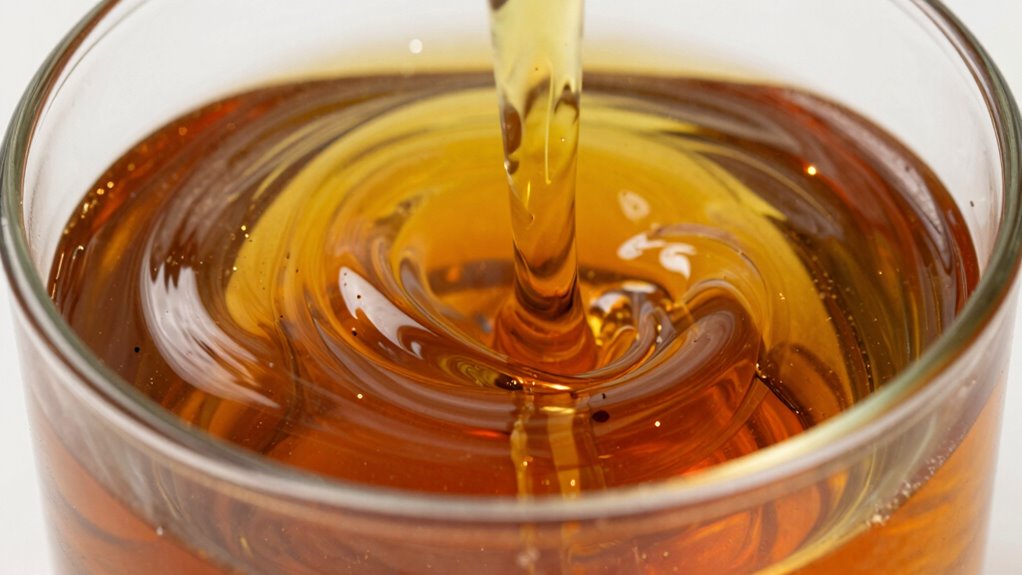

Gear oil settles over time because its additives and components have different densities, causing heavier particles to drift downward if the oil isn’t stirred or circulated regularly. This natural separation doesn’t mean the oil’s bad, just that the various substances are temporarily separating after long storage or inactivity. Proper agitation helps restore uniformity, ensuring the oil performs at its best. If you want to understand how to manage this process and keep your gear system running smoothly, keep exploring.

Get business pricing on garage and car supplies
- Business-only prices and quantity discounts
- Tax-exempt purchasing
- Multiple users, one account, clear invoices
Key Takeaways
- Gear oil separation occurs naturally due to differences in additive densities, causing heavier particles to settle over time.
- Settling does not mean the oil is degraded; it results from physical properties and the composition of additives.
- Proper storage and agitation help maintain a uniform mixture, preventing excessive separation.
- Regular mixing or circulation redistributes additives, ensuring optimal lubrication and protection.
- Significant or persistent settling may indicate oil aging or contamination, requiring inspection or replacement.
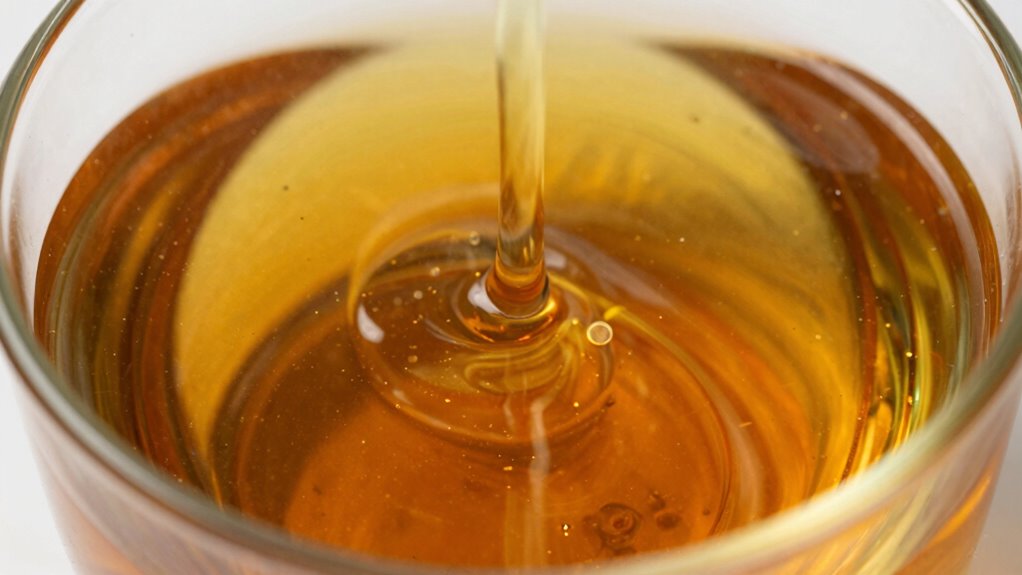
When gear oil sits unused for a while, you might notice a separation or settling of its additives and heavier particles. This isn’t unusual and doesn’t mean the oil has gone bad. Instead, it’s a natural outcome of the oil’s composition and the physical properties of its ingredients. Over time, heavier particles and certain additives can drift downward, forming a layer at the bottom of the container. This settling can be more prominent if the oil hasn’t been properly agitated or circulated recently. Understanding why this happens helps you manage and prevent issues related to lubricant compatibility and settlement buildup.
The key to managing gear oil settlement lies in understanding the role of additives and their density relative to the base oil. Additives like anti-wear agents, extreme pressure agents, and viscosity modifiers are often suspended uniformly when the oil is freshly mixed. However, because these additives have different densities, they tend to separate over time if not kept in motion. Heavier particles settle faster, leading to a layered appearance. This separation doesn’t necessarily compromise the oil’s performance immediately but could affect lubrication if the settled particles aren’t evenly distributed during operation.
To prevent settlement and ensure lubricant compatibility, it’s essential to follow proper storage and handling practices. Always keep gear oil containers tightly sealed to minimize exposure to temperature fluctuations, which can speed up separation. When you’re ready to use the oil, give the container a thorough shake or stir to redistribute the additives evenly. If you’re storing gear oil for extended periods, consider periodic agitation or circulation, especially in systems where continuous operation isn’t feasible. This helps maintain a uniform mixture, preventing excessive settlement and ensuring all lubricants components work harmoniously.
Monitoring lubricant stability and understanding the effects of aging help ensure that the oil maintains its protective qualities over time. Settlement prevention isn’t just about maintaining the oil’s appearance; it’s about preserving its protective qualities and ensuring reliable gear operation. When additives are evenly distributed, the oil performs as intended, providing optimal lubrication, reducing wear, and preventing corrosion. If you notice significant separation even after agitation, it might indicate that the oil has aged or degraded, and replacing it could be the best course of action. Regularly checking the condition of stored gear oil and adhering to manufacturer guidelines help you avoid issues stemming from incompatible or degraded lubricants.
Products Worth Considering

Vantrue S1 Pro DMS 2.7K Dash Cam with Front and Interior Recording

Autel MaxiCOM MK900BT Bidirectional Diagnostic Scanner with 40+ Services and CAN-FD & DOIP Protocols

NOCO Boost GB70 2000A UltraSafe Jump Starter, 12V Lithium Battery Booster
As an affiliate, we earn on qualifying purchases.
Frequently Asked Questions
How Long Does Gear Oil Typically Take to Fully Settle?
Gear oil typically takes about 24 to 48 hours to fully settle, depending on factors like temperature and oil type. During this settling duration, you’ll notice oil separation as additives and heavier particles sink. To guarantee proper functioning, it’s best to allow enough time for the oil to stabilize before checking or changing it. Patience helps maintain ideal gear performance and extends the life of your gear system.
Can Temperature Fluctuations Affect the Settling Process of Gear Oil?
Yes, temperature fluctuations can affect the settling process of gear oil. Thermal effects cause viscosity changes, making the oil thinner or thicker depending on temperature. When it’s warmer, the oil becomes less viscous, allowing additives and particles to settle faster. Conversely, colder temperatures increase viscosity, slowing down the settling process. So, maintaining a consistent temperature helps guarantee proper settling and peak gear performance.
Are There Specific Additives That Prevent Gear Oil From Settling?
Think of gear oil additives as guardians keeping your oil from settling like sediment in a pond. Yes, specific additives are designed for Settling Prevention, enhancing additive compatibility and stability. These include dispersants and viscosity modifiers that keep particles suspended. By choosing the right additive blend, you guarantee your gear oil stays evenly mixed, preventing it from settling and maintaining ideal lubrication, even during temperature swings.
How Often Should Gear Oil Be Checked for Proper Settling and Density?
You should check your gear oil’s settling and density during your regular maintenance schedule, typically every 3,000 to 6,000 miles or as recommended by your equipment manufacturer. Conducting an oil analysis helps you monitor its condition, detect additives’ effectiveness, and identify any settling issues early. Regular inspections verify your gear system stays properly lubricated, preventing wear and prolonging its lifespan.
Does Gear Oil Settling Impact Its Lubricating Performance?
When gear oil settles, it can reduce lubrication consistency, leading to uneven wear. For example, if additives separate and settle, their effectiveness diminishes, risking gear failure. This settling hampers proper lubrication, causing increased friction and heat. To maintain ideal performance, you must regularly check and recondition the oil. Settling doesn’t just affect appearance; it directly impacts the oil’s ability to protect gears effectively, so stay vigilant.
Conclusion
So, remember, gear oil’s settling story is simple yet significant. Additives, density, and dynamics dance together, dictating the liquid’s lifestyle. By understanding these elements, you can better grasp gear oil’s behavior and keep your gears gracefully grinding. Keep your knowledge keen, your gears governed, and your machine’s movement smooth. Ultimately, recognizing the subtle, steady settling guarantees your gear’s greatness, giving you greater grip, grit, and glide on every ride.