One common mistake that leads to foaming in your transfer case is improper filling, such as overfilling or not tightening the drain plug properly. When you don’t follow the correct procedures—like leaving dirt or air in the system or using the wrong fluid—you risk contamination and excess agitation that causes foam. Ensuring the drain plug is secure and filling to the proper level can prevent this issue. Keep going to discover more ways to avoid transfer case problems.
Key Takeaways
- Incorrect filling transfer case can introduce air, causing foaming and damage.
- Forgetting to properly tighten or cross-threading the drain plug allows dirt and air entry.
- Overfilling the transfer case traps excess fluid, leading to churning and foaming.
- Using incompatible or incorrect fluid levels increases the risk of aeration and foaming.
- Failing to follow manufacturer’s filling procedures and double-checking seals promotes contamination and foaming.

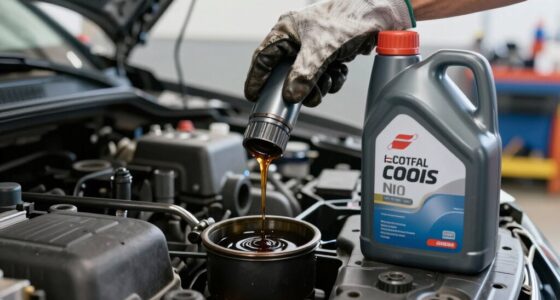
Filling the transfer case incorrectly is a common mistake that can lead to serious drivetrain problems. One of the most overlooked causes of transfer case foaming is simple errors made during the filling process, particularly drain plug errors and incorrect fluid levels. If you don’t pay close attention when adding fluid, you risk introducing air pockets or overfilling, both of which can cause foaming and damage over time.
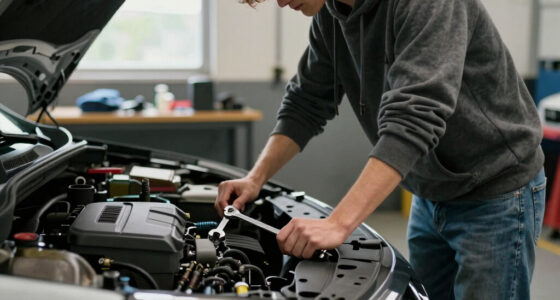
Drain plug errors are often the first culprit. If you forget to tighten the drain plug properly or accidentally cross-thread it, you may allow dirt, moisture, or air into the transfer case when you refill it. This contamination can lead to improper fluid flow and aeration, which manifests as foaming. Even a slightly loose drain plug can create a vacuum leak or permit contaminants to enter, compromising the fluid’s ability to lubricate and cool the components effectively. Always double-check that the drain plug is securely tightened to the manufacturer’s specifications to prevent these issues. Additionally, contamination prevention is crucial for maintaining transfer case health and avoiding foaming.
Loose or cross-threaded drain plugs allow dirt and air in, causing foaming and damage. Always tighten to specifications.
Incorrect fluid levels are another common mistake that causes foaming. Overfilling the transfer case can cause excess fluid to churn and trap air, creating foam that circulates through the system. Conversely, underfilling leaves insufficient lubrication, leading to increased friction and heat, which can also generate foam. To avoid this, you need to carefully measure the amount of fluid you add, following the manufacturer’s recommended specifications. Using the proper fluid type is equally important because incompatible fluids can break down or foam more easily, exacerbating the problem.

Fluid Pump for Standard Quart Bottles, 8cc Per Pump Stroke, Transmission Fluid Pump with 3rd Hand Adapter, Differential & Transmission Fluid,Transfer Gear Oil Transmission and Differential Fluid Pump
- Compatible with Standard Quart Bottles: Fits 28mm bottle caps for easy use
- 8cc Per Pump Stroke: Efficient fluid transfer with each pump
- Versatile Fluid Applications: Suitable for oil, gasoline, biodiesel, and more
As an affiliate, we earn on qualifying purchases.
As an affiliate, we earn on qualifying purchases.
Frequently Asked Questions
Can Foaming Cause Permanent Damage to the Transfer Case?
Foaming can cause permanent damage to your transfer case if not addressed. When foam forms due to improper transfer case maintenance or fluid contamination, it reduces lubrication and cooling efficiency. This leads to increased wear and potential failure of internal components. To prevent this, regularly check and maintain proper fluid levels, replace contaminated fluid promptly, and avoid overfilling, ensuring your transfer case stays protected from long-term damage.
What Are the Signs of Overfilled Transfer Cases?
If your transfer case is overfilled, you’ll notice signs like fluid leaks, loud noises, or difficulty shifting gears. During transfer case maintenance, use proper fluid inspection techniques to check the fluid level accurately. Overfilling can cause foaming, which hampers lubrication. Regularly inspecting the fluid level helps prevent these issues. Always follow manufacturer guidelines and avoid overfilling to keep your transfer case functioning smoothly and avoid costly repairs.
How Often Should I Check My Transfer Case Fluid Level?
Think of your transfer case as the heartbeat of your vehicle’s drivetrain. You should check your transfer case fluid level during regular transfer case maintenance, ideally every 30,000 miles or at least once a year. Regular fluid inspection frequency guarantees smooth operation and prevents issues like foaming or damage. Stay proactive, keep an eye on fluid levels, and your transfer case will keep your vehicle moving seamlessly.
Is There a Specific Type of Fluid to Prevent Foaming?
You should use the manufacturer-recommended transfer case fluid to prevent foam formation. Using the correct fluid guarantees proper viscosity and additives that reduce foam and aeration. Regularly check the fluid level and top off with the specified type if needed. Avoid mixing different fluids, as incompatible types can increase foam and compromise transfer case performance. Following these steps helps maintain ideal lubrication and prevents foaming issues.
Can Foaming Lead to Transfer Case Failure Over Time?
Foaming can definitely lead to transfer case failure over time, turning your vehicle into a ticking time bomb. When you neglect proper transfer case maintenance, fluid foaming occurs, causing inadequate lubrication and increased wear. This relentless cycle damages gears and seals, risking costly repairs. To prevent this, always verify the correct type of fluid is used, fill to proper levels, and check regularly to keep your transfer case running smoothly and avoiding catastrophic failure.

Capri Tools Oil Drain Plug Wrench, Compatible with BMW and Mercedes-Benz, 17 mm and 14 mm Sockets
- Compatible Vehicles: BMW and Mercedes-Benz
- Socket Sizes: 17 mm and 14 mm
- Dual End Design: Box end and hex driver
As an affiliate, we earn on qualifying purchases.
As an affiliate, we earn on qualifying purchases.
Conclusion
Remember, filling your transfer case correctly prevents foaming and keeps it running smoothly. Think of it like pouring oil into a calm lake—steady and precise. But if you overfill or do it wrong, it’s like tossing a stone into that lake, causing ripples and chaos. Keep your levels just right, and your transfer case will perform quietly and efficiently, avoiding messy foaming and costly repairs. Proper maintenance is the calm before the storm of problems.

TRIAX DTF-1 Professional Transfer Case Fluid Full Synthetic, Lifetime Fill, All Season Down to -60 F, Compatible with BMW Xdrive, Audi/VW Quattro, Range Rover, Ford, Porsche & Many AWD (1 Quart)
- Wide Compatibility: Compatible with various OEM AWD transfer cases
- Lifetime Fill: Qualifies for lifetime use in sealed cases
- All-Season Performance: Operates well down to -60°F in cold conditions
As an affiliate, we earn on qualifying purchases.
As an affiliate, we earn on qualifying purchases.

Lenz T-LLG-5 Fluid Level Gauge & Thermometer, 6.1" Tall, 1/2-13 UNC Thread
- Dual measurement of fluid and temperature: Monitor fluid levels and temperature simultaneously
- Built-in thermometer with dual scales: Displays Fahrenheit and Celsius up to 212F/100C
- Industrial-grade construction: Ultrasonically welded polyamide with Buna-N seals
As an affiliate, we earn on qualifying purchases.
As an affiliate, we earn on qualifying purchases.