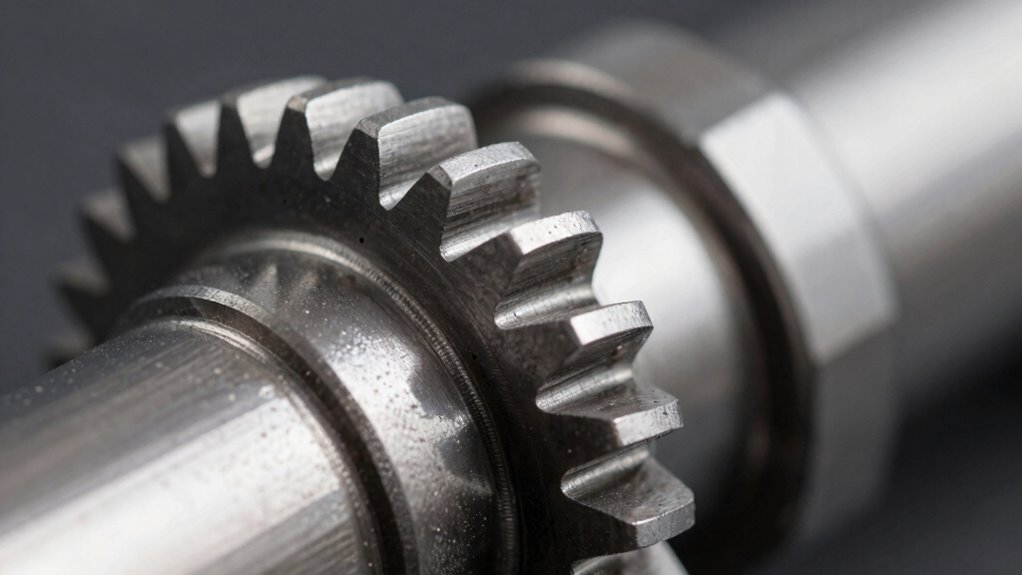
Backlash is the small gap between gear teeth that impacts noise, wear, and precision in mechanical systems. Proper measurement involves using tools like dial indicators or feeler gauges to check the gap while gently rotating gears. Too much backlash can cause excessive noise and faster wear, while too little risks damage. By controlling factors like alignment and lubrication, you can reduce backlash effectively. Continue exploring to learn proven methods for accurate measurement and ideal gear performance.
Key Takeaways
- Proper backlash measurement involves using calibrated tools like dial indicators or feeler gauges to ensure accuracy.
- Excessive backlash leads to increased noise, vibrations, and accelerated gear wear, impacting system performance.
- Measuring backlash helps identify gear wear or misalignment before severe damage occurs.
- Controlling backlash through correct gear alignment and lubrication reduces noise and prolongs gear life.
- Regular inspection and adjustment of backlash are essential for maintaining smooth, efficient machinery operation.

LAUCO 3:1 Air-Operated Oil Pump Kit – Digital Meter Gun, 13ft Hose, Mobile Drum Trolley & Regulator – Complete System for SAE240 Oil Transfer from 55 Gallon Barrels (Not for Gasoline or Diesel)
ALL-IN-ONE OIL TRANSFER SYSTEM FOR 55-GALLON DRUMS: Complete setup includes a 3:1 air-operated oil pump, digital metered gun,...
As an affiliate, we earn on qualifying purchases.
What Is Backlash and Why Does It Matter in Mechanical Systems?
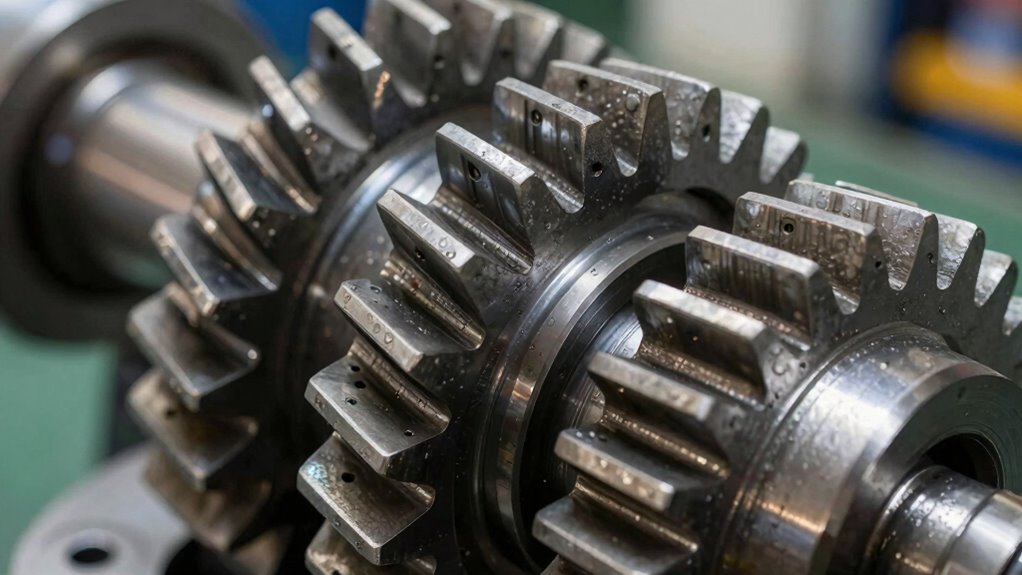
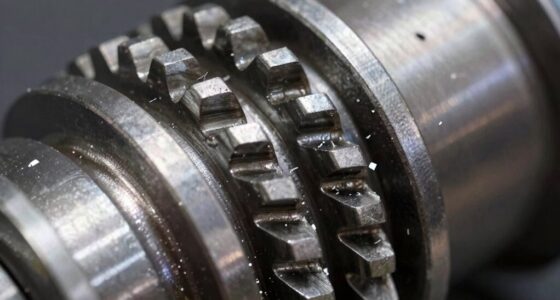
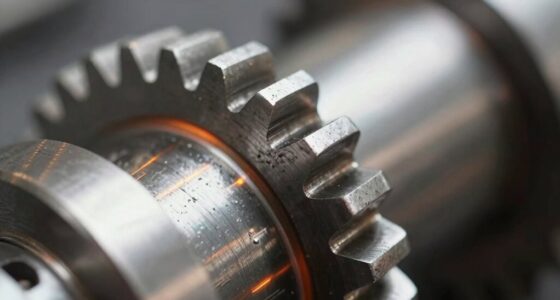
Have you ever wondered why gears sometimes hesitate or slip when changing directions? That’s often due to gear play, also known as rotational slack. Backlash is the small gap between gear teeth when the gears change direction, allowing for some movement before engagement. This slack is necessary to prevent gears from jamming or wearing out prematurely, but too much can cause issues. Excessive rotational slack results in imprecise motion, increased noise, and faster wear of gear components. In mechanical systems, understanding what backlash is helps you recognize how it affects performance. Proper control of gear play ensures smoother operation, reduces vibrations, and extends the lifespan of the machinery. Additionally, gear alignment plays a vital role in minimizing backlash and maintaining system efficiency. Properly managing gear clearance is essential for optimal operation and longevity of the system. Essentially, backlash is a critical factor that balances efficiency with durability. Monitoring gear play allows for optimal adjustments to maintain system performance, which is essential for precise mechanical operation. Regular maintenance and inspection of gear teeth can further prevent excessive backlash and improve system reliability.
SEAFLO 12V Self Priming Impeller Gear Pump - 3.2 GPM Oil Change Diesel Fuel Transfer Pump, Reversible Flow, Copper Impeller, Rugged Metal Gears, Self Priming Design, 4 Year Warranty
[ SPECIFICATIONS ]: Model: SFOGP1-032-12 | Voltage: 12V DC | Flow Rate: 3.2 GPM (12 LPM) | Max...
As an affiliate, we earn on qualifying purchases.
How to Measure Backlash Easily: Simple Techniques for Accurate Results
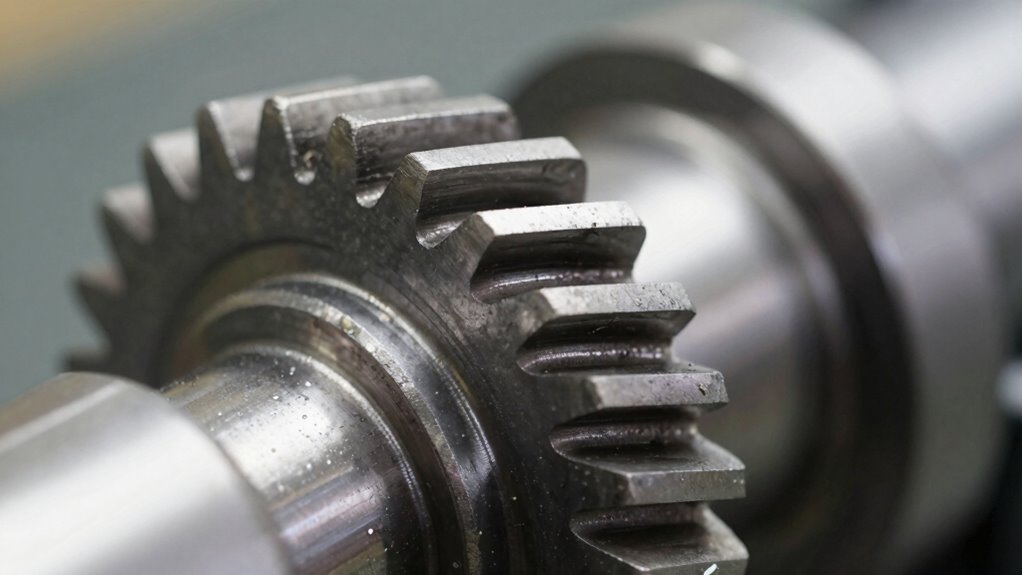
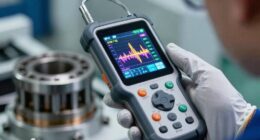
Measuring backlash accurately is essential for maintaining ideal gear performance, and luckily, it’s a straightforward process. To get precise results, follow these simple steps:
Accurate backlash measurement ensures optimal gear performance with simple, straightforward steps.
- Prepare your measurement tools, such as a dial indicator or feeler gauges, ensuring they’re calibrated.
- Align the gear properly to ensure accurate readings; good gear alignment minimizes errors.
- Apply gentle force to rotate the gear back and forth, noting the movement in your measurement tools.
- Record the gap indicated by your measurement tools, which represents the backlash.
- Consider regional gear standards and gear safety protocols to optimize gear operation for specific conditions.
- Always double-check your measurements for consistency to ensure reliability and accuracy.
This method provides a clear, easy way to measure backlash and guarantees your gears are properly aligned for optimal operation, reducing noise and wear.

Sailingflo 12V Gear Pump-3.2 GPM Self-Priming Impeller Oil Transfer for Machinery Fuel, Viscous Liquids, Lubricant, Diesel Engine Scavenge Extractor Pump (84W, 12 LPM)
PARAMETERS: Impeller:Neoprene Compound, Seal: Lip Type, Ports: 3/8''Female Thread,1/2''Barbed Fittings, Volt: 12V DC, Max head: 3M, Amp draw:...
As an affiliate, we earn on qualifying purchases.
Interpreting Backlash Measurements: What They Reveal About Your Equipment’s Wear
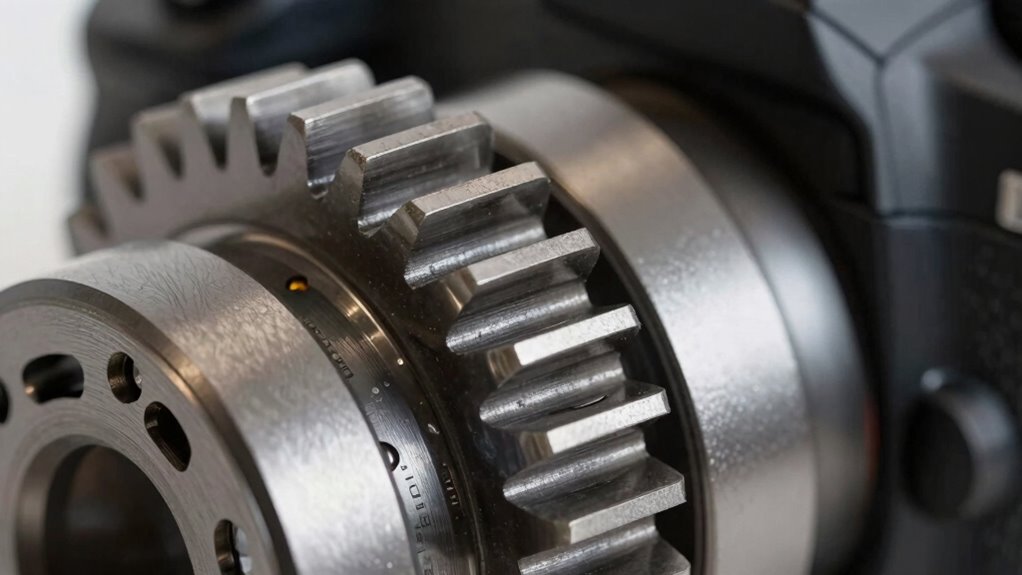
Interpreting backlash measurements provides valuable insights into the condition of your gears and overall equipment health. If measurements show increased backlash, it often indicates gear wear, as tooth surfaces become less precise over time. Excessive backlash can also signal misalignment effects, where gears are not aligned properly, causing uneven wear and increased noise. Conversely, very low backlash might suggest tight fitting or insufficient clearance, which can lead to premature wear or damage. Proper gear inspection and analysis of backlash data help you identify early signs of gear deterioration and misalignment issues, allowing you to schedule maintenance before costly failures occur. Accurate interpretation helps you understand whether wear is due to normal operation or underlying problems, guiding effective adjustments and prolonging equipment life. Additionally, wear patterns observed through backlash analysis can help pinpoint specific failure modes, enabling targeted repairs.

MILADO 12V 100W Oil Change Extractor Pump, Electric Engine Oil Pump, Portable Fluid Transfer Pump for Engine/Transmission/Gear Oil, Suitable for Boat, Car, Truck, Motorcycle, Lawnmower
12V 100W PURE COPPER MOTOR: The oil change pump uses a 100W high power motor, engine oil flow...
As an affiliate, we earn on qualifying purchases.
How to Control and Reduce Backlash to Minimize Noise and Extend Machinery Life
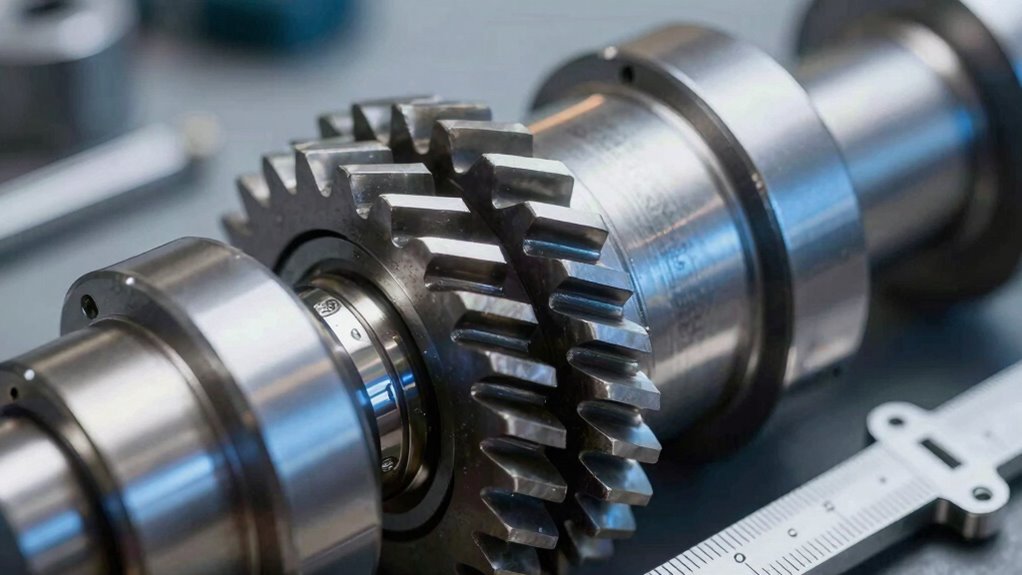
Controlling and reducing backlash is essential for minimizing noise and extending the lifespan of your machinery. Proper gear alignment ensures gears mesh smoothly, decreasing unnecessary movement and wear. Regularly check and adjust gear positioning to maintain ideal contact. Additionally, applying effective lubrication techniques reduces friction and prevents gear components from loosening over time. Using high-quality protective accessories such as remote car covers and gear upgrades can also help shield components from dust and debris, further reducing wear. Implementing proper maintenance practices can significantly improve gear performance and longevity. Here are four key steps:
Controlling backlash reduces noise, extends gear life, and ensures smooth operation through proper alignment and lubrication.
- Perform precise gear alignment using specialized tools.
- Use high-quality lubricants suited for your machinery’s operating conditions.
- Schedule routine maintenance to identify and correct misalignments early.
- Replace worn gears or components before backlash becomes excessive.
Troubleshooting Backlash Problems: Common Issues and How to Fix Them
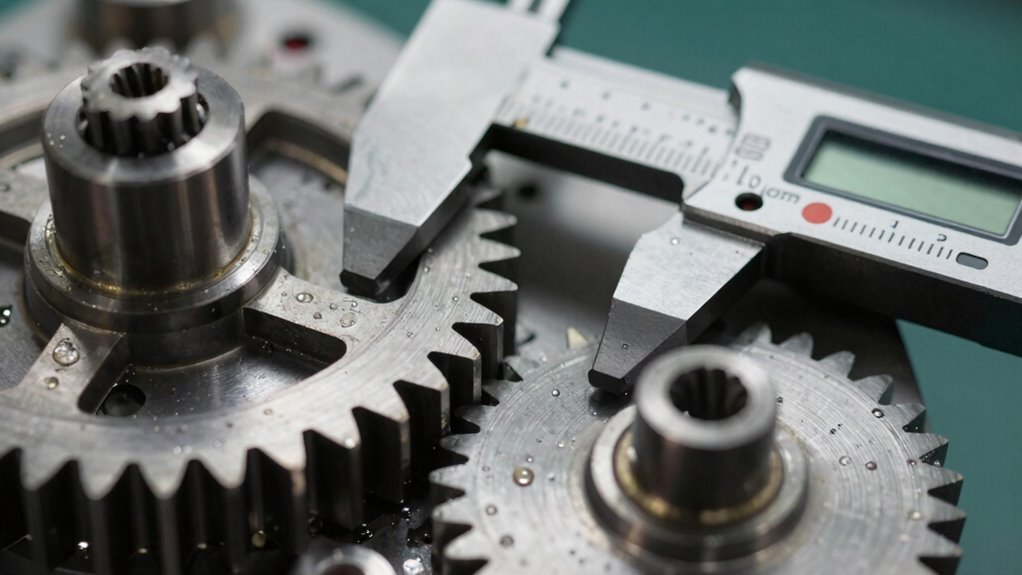
Even with proper gear alignment and regular maintenance, backlash issues can still arise, disrupting smooth operation and increasing wear. Common problems include inconsistent gear engagement, excessive backlash, or gear skipping. To troubleshoot, first verify your gear alignment, ensuring gears mesh correctly without undue force. Next, examine lubrication strategies; inadequate or improper lubrication causes increased friction, leading to backlash fluctuations. Regularly check and apply the right type of lubricant at recommended intervals. If backlash persists, consider adjusting the gear mesh or replacing worn gears. Addressing these issues promptly prevents further damage and maintains suitable performance. Additionally, monitoring gear wear can help identify early signs of problems before they escalate. Proper gear maintenance includes inspecting gear teeth for signs of damage or misalignment, which is essential for minimizing backlash and ensuring reliable operation. Implementing measurement accuracy practices can help detect subtle issues affecting gear performance early, preventing costly repairs. Consistently reviewing gear alignment and refining lubrication strategies will help you catch problems early and keep your machinery running smoothly. Moreover, understanding regional cultural activities can foster better community engagement and appreciation for local heritage.
Frequently Asked Questions
How Does Temperature Affect Backlash Measurements?
Temperature impacts backlash measurements because thermal expansion causes components to expand or contract, affecting measurement accuracy. As temperature rises, parts may expand, increasing backlash; cooler temperatures cause contraction, reducing it. You need to take into account this when measuring, ensuring measurements are taken at consistent temperatures or accounting for thermal expansion to maintain accurate backlash readings. This helps prevent incorrect assessments of noise, wear, and gear performance.
Can Lubrication Impact Backlash and Noise Levels?
A stitch in time saves nine, and proper lubrication definitely helps. Lubrication impacts backlash and noise levels by enhancing lubrication efficiency, reducing friction, and preventing wear. Using effective noise reduction techniques, like appropriate lubricants and regular maintenance, minimizes backlash-related noise. When you keep your gears well-lubricated, you not only extend their lifespan but also maintain smoother operation, making equipment quieter and more reliable.
What Are the Signs of Excessive Backlash in Machinery?
You’ll notice excessive backlash in machinery when you hear increased noise or experience gear wear that seems faster than usual. Misalignment issues often cause this problem, leading to uneven gear engagement. You might also see increased vibration, jerky movements, or inconsistent operation. These signs indicate that the backlash is too high, which can result in gear damage and reduced precision, so it’s essential to check and correct it promptly.
How Often Should Backlash Be Checked in Industrial Equipment?
You should check backlash during regular maintenance, ideally every 3 to 6 months, depending on usage. During these checks, guarantee gear alignment and follow proper calibration procedures to get accurate measurements. Frequent inspections help prevent excessive backlash, reducing noise and wear. If you notice increased backlash, re-calibrate and realign gears promptly to maintain peak machine performance and extend equipment lifespan.
Are There Specific Tools for Measuring Backlash in Delicate Components?
Yes, you should use precision tools like dial indicators, test indicators, or laser measurement systems for delicate components. These tools allow you to measure backlash accurately without damaging sensitive parts. Make certain proper calibration methods are followed to maintain measurement accuracy. Regular calibration and using specialized tools help you detect even tiny backlash variations, protecting your equipment from noise and wear while guaranteeing ideal performance.
Conclusion
Think of backlash like the slack in a bicycle chain—you might not notice it at first, but over time, it causes squeaks and wear. Regularly measuring and controlling backlash keeps your machine running smoothly, just like tightening that chain prevents skipping and damage. When you stay on top of it, you extend your equipment’s life and keep noise at bay. So, don’t ignore the slack—your machinery’s health depends on it.