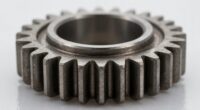
Hypoid gears need EP (Extreme Pressure) additives in their lubricant because their design causes high friction, heat, and sliding contact between gears. These elements increase wear and can damage the gears if not properly managed. EP additives form a protective film that reduces metal-to-metal contact, minimizes wear, and keeps the gears running smoothly for longer. To understand how these additives protect your gears and guarantee ideal performance, explore the details further.
Key Takeaways
- Hypoid gears generate significant heat and friction due to their offset and sliding contact, requiring effective lubrication.
- EP additives form protective films that prevent metal-to-metal contact under high pressure and temperature.
- Proper lubrication reduces gear noise, wear, and the risk of damage, enhancing gear lifespan and operational efficiency.
- Without EP additives, gear surfaces experience increased pitting, pitting, and surface fatigue, leading to premature failure.
- Selecting gear oils with appropriate EP additives and maintaining regular lubrication practices are essential for hypoid gear protection.

Ironton Air Operated Oil Transfer Pump - 5:1 Ratio, 4.76 GPM
5:1 gear ratio delivers a maximum flow rate up to 4.76 GPM
As an affiliate, we earn on qualifying purchases.
What Are Hypoid Gears and How Do They Work?
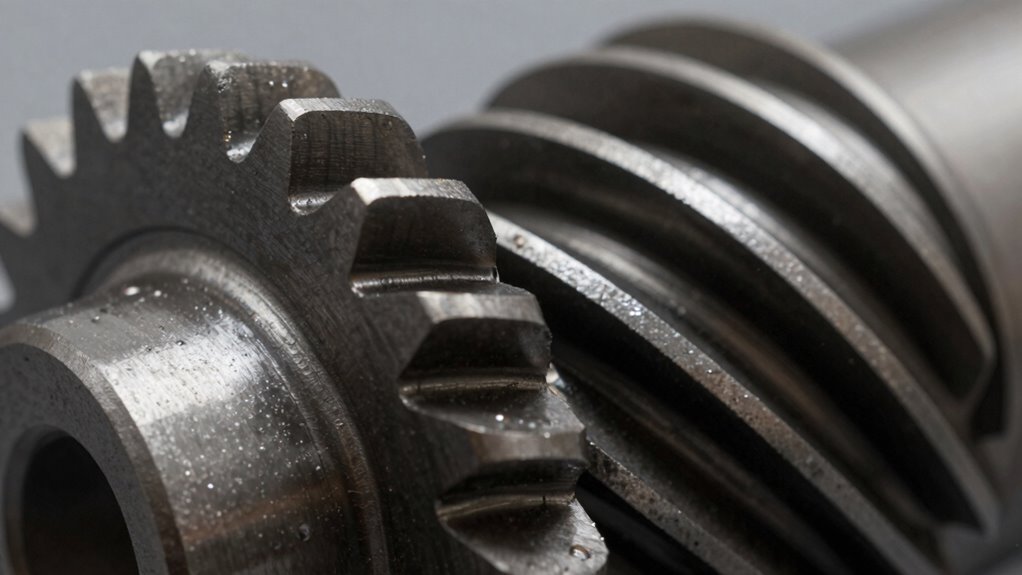
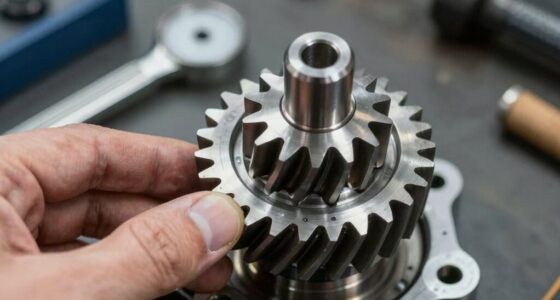
Hypoid gears are a type of spiral bevel gear with an offset between the gear axes, which allows for smoother and quieter operation. You’ll find that the gear material plays a crucial role in their performance, offering the strength and durability needed to handle high loads. Manufacturing precision is essential to ensure the gears mesh perfectly, reducing noise and vibration. High-quality materials like alloy steels are typically used to withstand the stresses involved, while precise machining ensures the teeth engage smoothly. The offset design enables the gear to transmit torque at an angle, creating a sliding contact that enhances smoothness. When manufactured with exacting standards, hypoid gears deliver reliable, quiet operation, making them ideal for applications like automotive differentials and industrial machinery. Material selection is vital in optimizing their longevity and performance under demanding conditions. Additionally, manufacturing accuracy is key to maintaining the gear’s efficiency and reducing operational issues.

LAUCO 3:1 Air-Operated Oil Pump Kit – Digital Meter Gun, 13ft Hose, Mobile Drum Trolley & Regulator – Complete System for SAE240 Oil Transfer from 55 Gallon Barrels (Not for Gasoline or Diesel)
ALL-IN-ONE OIL TRANSFER SYSTEM FOR 55-GALLON DRUMS: Complete setup includes a 3:1 air-operated oil pump, digital metered gun,...
As an affiliate, we earn on qualifying purchases.
Why Do Hypoid Gears Generate More Heat and Friction?
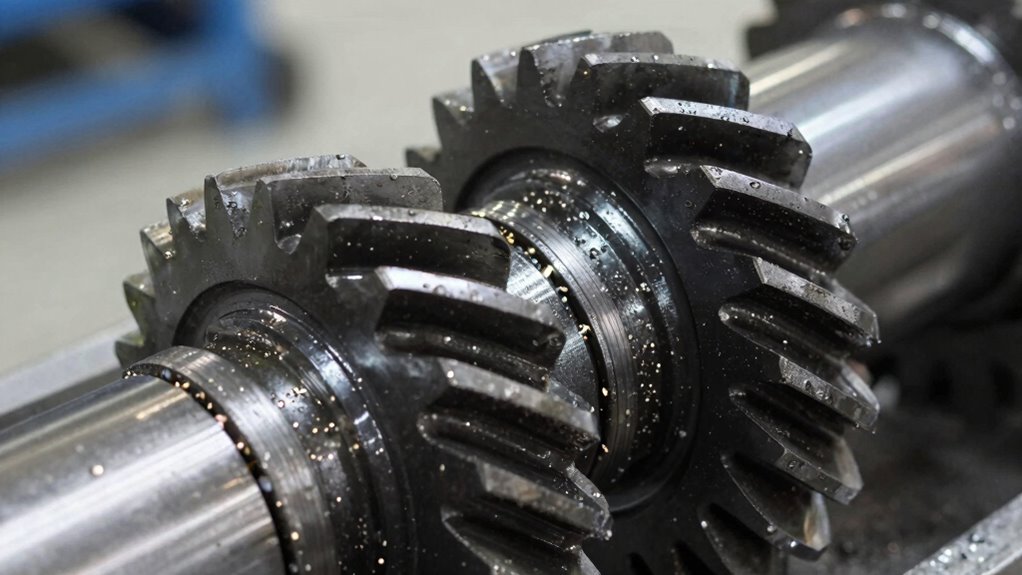
Because of their offset design and sliding contact between gear teeth, hypoid gears inherently produce more heat and friction than other gear types. This increased friction leads to higher gear noise, which can affect your vehicle’s comfort and quiet operation. The sliding action causes more shear stress on the lubricant, making it break down faster and demanding more frequent lubrication intervals. Without proper lubrication, heat builds up quickly, accelerating wear and potentially damaging the gears. To manage this, you need high-quality EP (Extreme Pressure) additives in your gear oil, which help reduce friction and heat. Regular maintenance and timely oil changes are essential to keep hypoid gears running smoothly, minimizing gear noise and extending their lifespan. Using the correct lubrication practices is crucial for optimal gear performance and longevity.
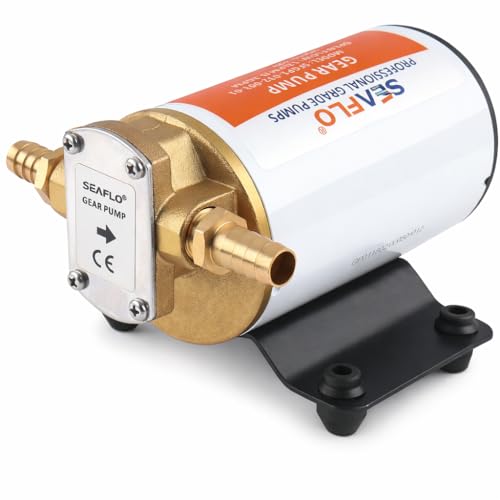
SEAFLO 12V Self Priming Impeller Gear Pump - 3.2 GPM Oil Change Diesel Fuel Transfer Pump, Reversible Flow, Copper Impeller, Rugged Metal Gears, Self Priming Design, 4 Year Warranty
[ SPECIFICATIONS ]: Model: SFOGP1-032-12 | Voltage: 12V DC | Flow Rate: 3.2 GPM (12 LPM) | Max...
As an affiliate, we earn on qualifying purchases.
Signs Your Hypoid Gears Need Better Lubrication
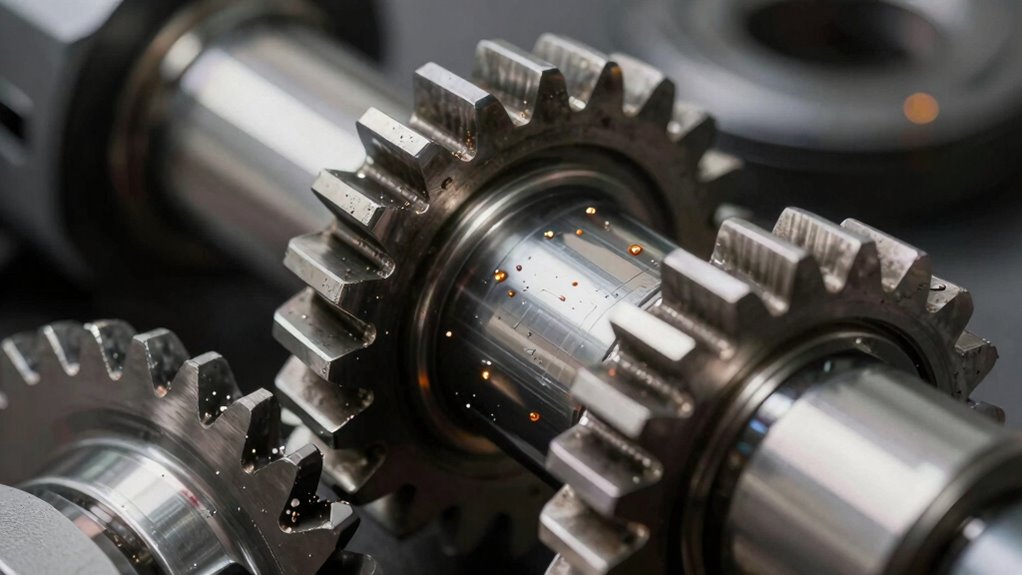
If you notice increased noise or rough operation from your vehicle, it might be a sign that your hypoid gears aren’t getting enough lubrication. Excessive gear noise often indicates inadequate lubricant viscosity, causing metal-to-metal contact and vibrations. When lubricant viscosity is too low, it can’t form a proper film, leading to increased friction and wear. Conversely, if the lubricant is too thick, it hampers smooth gear movement. Listen for whining or humming sounds during acceleration or deceleration. Also, if you observe metal shavings or gear surface discoloration, it’s a sign your lubrication needs attention. Regularly checking your gear oil and ensuring it has the right viscosity can prevent these issues and keep your hypoid gears operating smoothly and quietly.

Sailingflo 12V Gear Pump-3.2 GPM Self-Priming Impeller Oil Transfer for Machinery Fuel, Viscous Liquids, Lubricant, Diesel Engine Scavenge Extractor Pump (84W, 12 LPM)
PARAMETERS: Impeller:Neoprene Compound, Seal: Lip Type, Ports: 3/8''Female Thread,1/2''Barbed Fittings, Volt: 12V DC, Max head: 3M, Amp draw:...
As an affiliate, we earn on qualifying purchases.
Why Proper Lubrication Is Key to Hypoid Gear Longevity
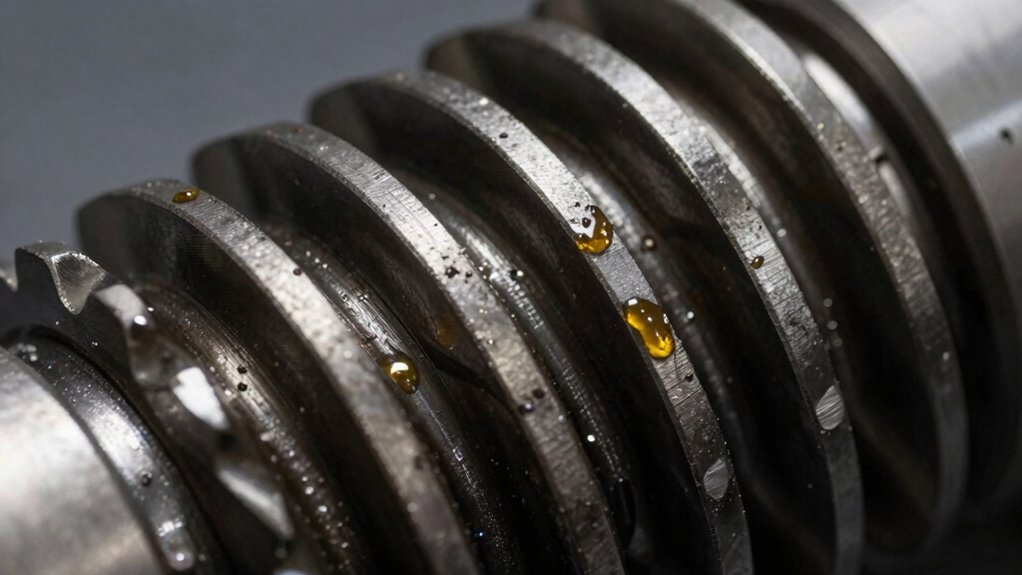
Proper lubrication is essential because it reduces friction and heat, helping your gears run smoothly. It also prevents excessive wear, extending the life of your hypoid gears. When maintained correctly, it guarantees your gears operate quietly and efficiently. Additionally, using the right cycling gear maintenance techniques can further enhance gear performance and longevity. Ensuring optimal lubrication practices can also minimize the buildup of microplastics in dust, which can negatively impact gear components over time. Incorporating advanced lubrication technology can provide even better protection and reduce the need for frequent maintenance.
Reduces Friction and Heat
Lubrication plays a crucial role in minimizing friction and heat within hypoid gears, guaranteeing smooth operation and extending their lifespan. Many lubrication myths suggest that standard oils are enough, but gear design features demand more specialized lubricants to reduce excessive heat. Proper lubrication forms a film that prevents metal-to-metal contact, which is essential for hypoid gear longevity. To optimize cooling and friction reduction, consider these factors:
- Use EP (extreme pressure) additives that withstand high pressure and temperature.
- Select lubricants formulated specifically for hypoid gears, considering their gear design features.
- Regularly inspect and replace lubricants to prevent breakdowns that increase heat and wear.
- Understanding gear design considerations can help you choose the best lubrication strategy for your hypoid gears.
- Additionally, the presence of correct lubrication viscosity ensures optimal film strength under varying operational conditions.
- Employing proper lubrication techniques can further enhance the performance and durability of hypoid gears over time.
- Choosing lubricants with appropriate additive packages can provide extra protection against extreme operating conditions, thereby improving gear life.
Prevents Gear Wear
Maintaining the right lubrication is essential for preventing gear wear and ensuring your hypoid gears last longer. The gear material influences how well lubrication protects against surface fatigue and abrasion; softer materials may wear faster without proper lubrication. Using the correct lubricant with sufficient lubrication frequency creates a protective film that minimizes direct metal contact, reducing wear and extending gear life. Regularly check and change the lubricant to prevent contamination and breakdown, which can accelerate gear deterioration. Proper lubrication not only prevents excessive wear but also preserves gear integrity, especially when operating under heavy loads or high speeds. Additionally, understanding lubrication practices can help you make informed decisions about maintenance and safety practices. For example, selecting lubricants suitable for heavy-duty applications ensures optimal protection under demanding conditions. Employing proper maintenance practices and adhering to recommended lubrication schedules can further enhance gear longevity. Recognizing the importance of material compatibility helps ensure that the lubricant functions effectively with your gear components. By prioritizing the right lubricant and maintaining an appropriate lubrication schedule, you markedly improve the longevity and performance of your hypoid gears.
Ensures Smooth Operation
When hypoid gears operate under heavy loads or high speeds, smooth engagement between their teeth is essential for efficient performance. Proper lubrication guarantees this by reducing gear noise and maintaining ideal lubricant viscosity. Without it, gears can grind or produce excessive noise, leading to faster wear. To keep operation smooth, consider these factors:
- Use lubricants with the right viscosity to prevent metal-to-metal contact.
- Ensure the lubricant contains EP additives to handle extreme pressures.
- Regularly check and replace lubricant to maintain consistent lubrication and noise control.
- Choosing the appropriate lubrication method can also enhance gear longevity and performance.
How EP Additives Help Protect Hypoid Gears From Wear
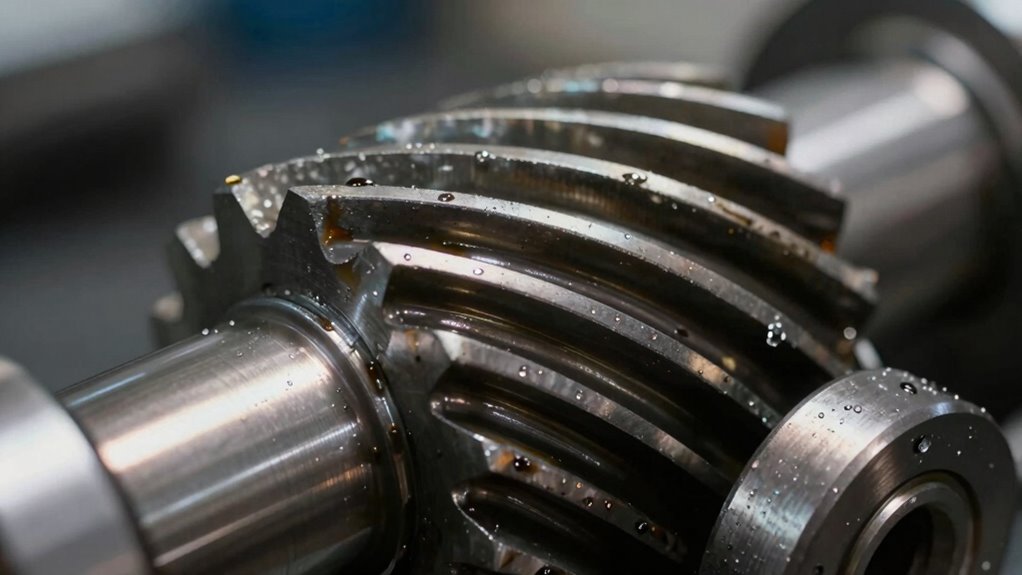
Extreme pressure (EP) additives play a crucial role in protecting hypoid gears from wear by forming a tough, protective film on the gear surfaces during high-load conditions. This film helps maintain ideal lubricant viscosity, ensuring consistent lubrication and preventing metal-to-metal contact. By reducing direct contact, EP additives minimize surface fatigue and extend gear lifespan. Additionally, these additives contribute to gear noise reduction, making operation smoother and quieter. When under heavy loads, the EP compounds react to generate a durable barrier that absorbs shocks and reduces friction. This protective layer is essential for hypoid gears, which operate under significant stress. Proper lubrication with EP additives helps prevent gear failure and prolongs service life. Lubricant performance is also enhanced by these additives, which adapt under different operating conditions to provide optimal protection. Overall, EP additives enhance gear durability, reduce wear, and promote quieter, more efficient performance.
How EP Gear Oil Reduces Metal Contact in Hypoid Gears
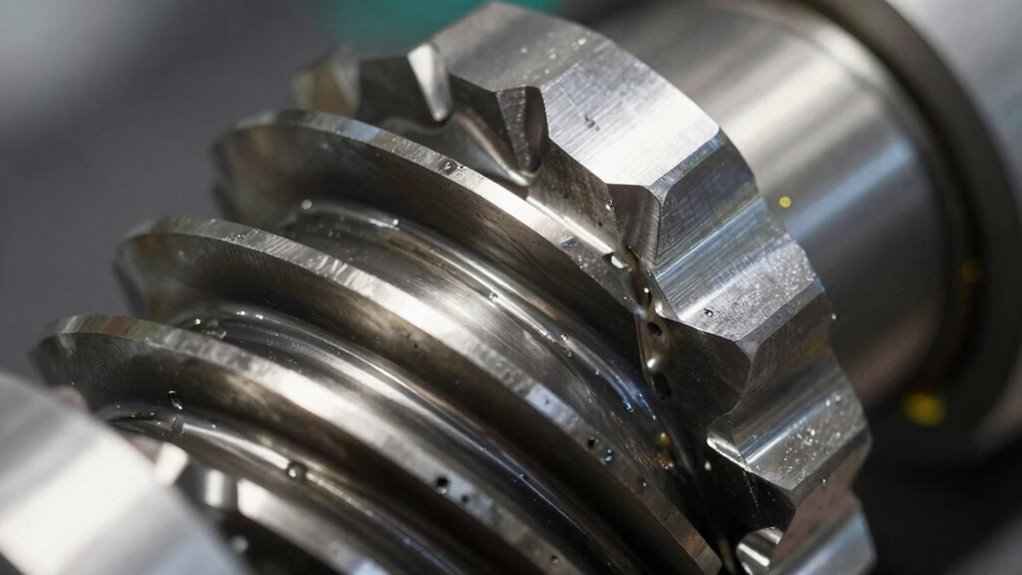
EP gear oil helps reduce metal-to-metal friction in hypoid gears, preventing excessive wear. It forms a protective layer on gear surfaces, minimizing direct contact. As a result, your gears stay protected and last longer. Proper gear lubrication is essential for maintaining optimal performance and avoiding costly repairs. Regular maintenance and proper filter replacement can further enhance gear performance and longevity. Additionally, using appropriate additives can improve the oil’s ability to protect gear components under heavy loads. Incorporating high contrast ratios in your projector setup can significantly improve image quality, especially in dark scenes, ensuring a more immersive viewing experience. Achieving work-life harmony can also reduce stress and ensure consistent gear maintenance routines.
Reduces Metal-to-Metal Friction
EP gear oil reduces metal-to-metal friction in hypoid gears by forming a durable film between moving contact surfaces. This film minimizes direct contact, which helps reduce gear noise and wear. Proper lubricant viscosity ensures the film stays intact under varying loads and speeds, maintaining smooth operation. Additionally, the chemical composition of EP additives is designed to withstand high pressure and temperature conditions, ensuring consistent performance. These additives also contribute to metal-to-metal contact reduction by enabling the lubricant to perform effectively under extreme conditions. Here are three key ways EP additives assist:
- They create a protective barrier that prevents metal-to-metal contact, decreasing friction.
- They help maintain ideal lubricant viscosity, reducing gear noise caused by metal contact.
- They enable consistent film thickness even under high pressure, ensuring reliable gear performance.
- High-pressure performance is enhanced by the chemical stability of EP additives, which maintains their effectiveness during intense operation. Additionally, incorporating cultural artifacts like Indonesian decor masks can add a unique aesthetic element to machinery or workshop spaces, blending functionality with cultural expression.
Enhances Gear Surface Protection
To protect gear surfaces from damage, the advanced additives in EP gear oil form a resilient layer that prevents direct metal contact. This layer enhances surface protection by reducing wear caused by metal-to-metal contact during operation. Proper gear tooth design ensures smooth load transfer, but without effective lubrication, surfaces can still suffer damage. EP additives provide a protective barrier, especially during extended lubrication intervals, minimizing metal fatigue and pitting. This helps maintain gear integrity over time and prevents premature failure. By reducing direct contact, EP gear oil preserves the surface finish and prolongs gear life. You’ll notice better performance and less maintenance, even under demanding conditions, thanks to the enhanced surface protection provided by these specialized additives.
Benefits of Using EP-Enhanced Gear Oil for Hypoid Gears
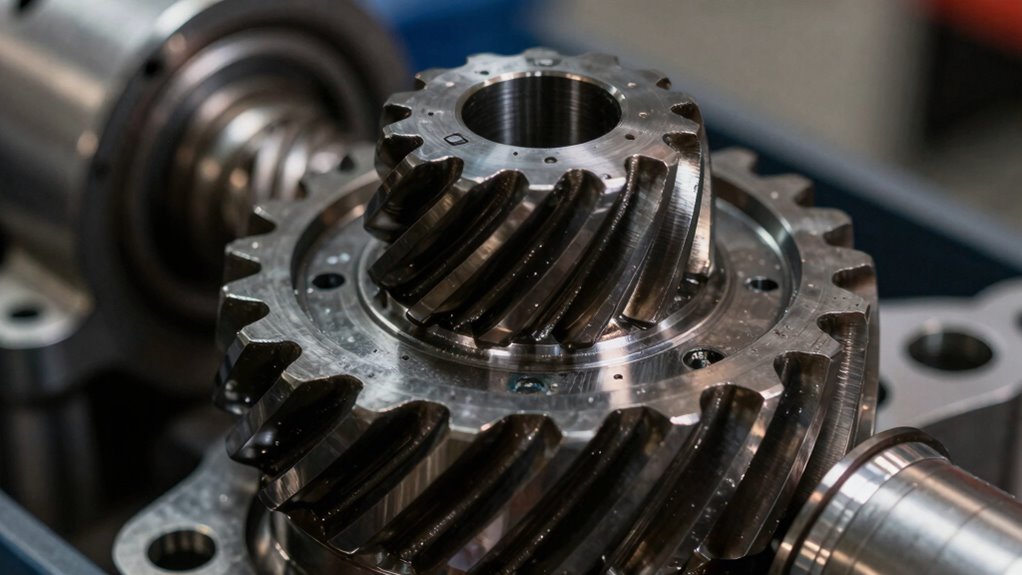
Using EP-enhanced gear oil offers significant advantages for hypoid gears, especially under demanding conditions. This type of gear lubrication improves additive performance, guaranteeing better protection and efficiency. With EP additives, you benefit from:
- Reduced wear and tear, extending gear lifespan
- Improved load-carrying capacity, preventing gear failure
- Minimized friction and heat, maintaining excellent performance
These benefits help your hypoid gears operate smoothly even under high torque and pressure. EP-enhanced gear oil ensures consistent protection by forming a durable barrier on gear surfaces, reducing metal-to-metal contact. As a result, you experience less maintenance, fewer breakdowns, and a longer-lasting drivetrain. Overall, using EP additives in your gear oil is a smart choice for maximizing the longevity and reliability of your hypoid gears.
Choosing the Right EP Gear Oil for Your Hypoid Gears
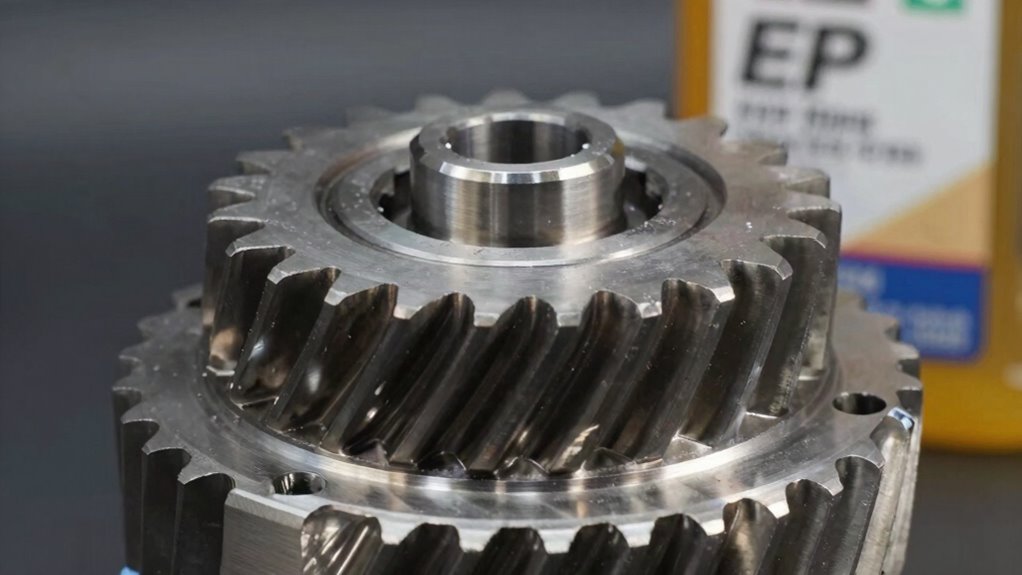
To guarantee your hypoid gears stay protected, you need to select an EP gear oil that’s compatible with your gear materials. Proper additive levels are essential to prevent wear and corrosion. Making the right choice helps maximize gear lifespan and performance.
Oil Compatibility With Gears
Choosing the right EP gear oil is essential for ensuring your hypoid gears operate smoothly and last longer. To do this, you need to take into account oil compatibility carefully. First, check the lubricant viscosity to ensure it matches your gear manufacturer’s specifications, preventing issues like overheating or inadequate lubrication. Second, verify additive compatibility, making sure the oil’s additives work well with your gear’s materials and existing lubricants. Third, consider the operating environment—conditions like temperature and load can influence your choice. Using incompatible oils can cause corrosion, increased wear, and reduced gear life. Always select a high-quality EP gear oil that balances proper viscosity with compatible additives to protect your hypoid gears effectively.
Proper Additive Levels
Ensuring your hypoid gears receive the proper additive levels in their lubricant is crucial for peak performance and longevity. Adequate EP additives help reduce gear noise by minimizing metal-to-metal contact, which can cause excessive vibration and wear. Too little additive, and your gears may experience increased friction, leading to overheating and premature failure. Proper additive levels also help maintain ideal lubrication frequency, preventing the need for more frequent oil changes. Always check manufacturer recommendations to guarantee your gear oil contains the right amount of EP additives. Consistent, correct additive levels not only keep your hypoid gears quieter but also extend their service life. Regular inspection and maintenance of oil quality are essential to sustain peak gear performance over time.
How Regular Maintenance With EP Gear Oil Extends Gear Life
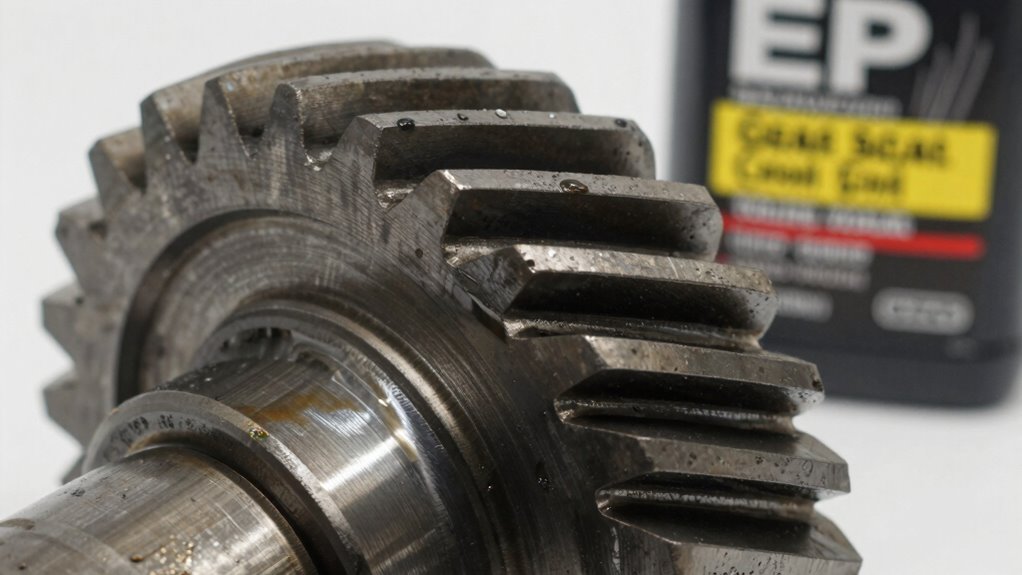
Regular maintenance with EP gear oil plays a essential role in extending the lifespan of hypoid gears. Consistently checking and replacing the gear oil ensures the formulation remains effective, maintaining ideal lubrication. This helps prevent wear and reduces the risk of gear failure. Proper maintenance also keeps the additive effectiveness high, which is indispensable for handling extreme pressures. To maximize gear life, consider these steps:
- Use the correct gear oil formulation specified for your gears.
- Regularly inspect for contamination or degradation.
- Follow the manufacturer’s recommended maintenance schedule.
Common Mistakes to Avoid When Lubricating Hypoid Gears
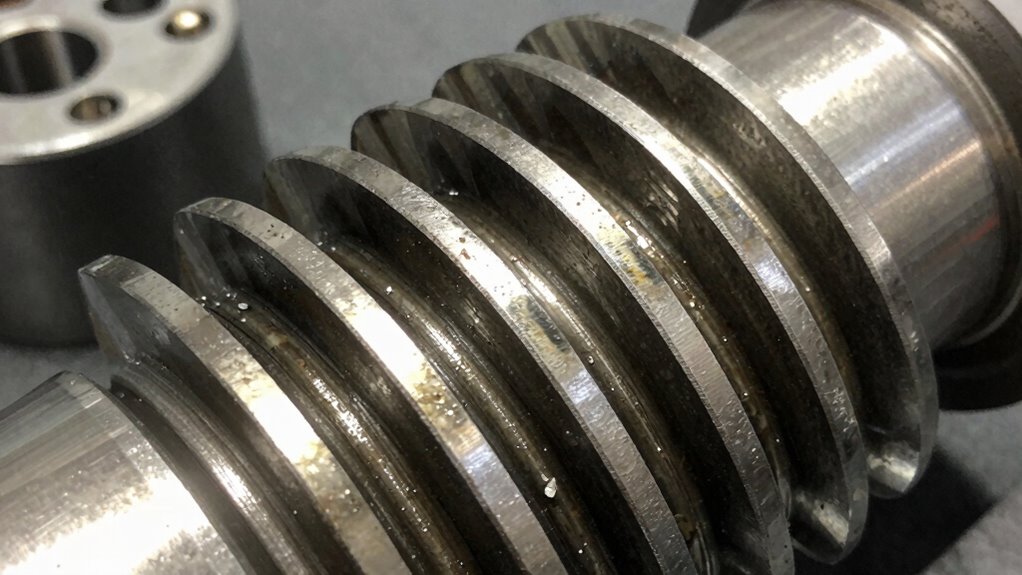
One common mistake to avoid when lubricating hypoid gears is using the wrong type or viscosity of gear oil, which can lead to inadequate lubrication and increased wear. Choosing the correct lubricant viscosity ensures proper film strength and gear protection. Additionally, neglecting proper storage of the lubricant can cause contamination and degradation, reducing its effectiveness. Always store gear oil in a clean, sealed container away from extreme temperatures.
| Mistake | Consequence |
|---|---|
| Using incorrect lubricant | Increased wear and gear failure |
| Poor storage practices | Contamination and reduced oil lifespan |
| Ignoring viscosity specifications | Inadequate lubrication, gear damage |
| Not checking oil regularly | Unexpected breakdowns and costly repairs |
Frequently Asked Questions
Can EP Additives Be Used With All Types of Hypoid Gear Oils?
You shouldn’t assume EP additives are compatible with all hypoid gear oils, as compatibility concerns vary with different additive formulations. Always check the gear oil manufacturer’s guidelines to verify the additive won’t cause issues like corrosion or improper lubrication. Using incompatible additives can compromise gear performance, so it’s best to select EP additives specifically designed for your gear oil type and follow recommended formulations for maximum protection.
How Often Should I Change My Hypoid Gear Oil With EP Additives?
Think of your hypoid gear oil like a trusted guardian, guarding the intricate machinery beneath your vehicle. To keep it vigilant, you should change it every 30,000 to 50,000 miles, depending on driving conditions. This guarantees ideal gear oil lifespan and additive compatibility. Regular changes prevent wear and tear, maintaining smooth operation and protecting your gears from the corrosive effects of degraded oil and additives.
Are There Specific Brands Recommended for Hypoid Gear Lubrication?
You should look for brand recommendations that prioritize additive compatibility with hypoid gears, ensuring ideal protection. Reputable brands like Mobil, Valvoline, and Royal Purple often produce gear oils with advanced EP additives designed to handle high pressures and reduce wear. Always check the product label to confirm it’s formulated for hypoid gear lubrication, and avoid mixing different brands to prevent additive incompatibility that could compromise gear performance.
What Are the Environmental Impacts of Using EP Gear Additives?
Like Pandora’s box, using EP gear additives can lead to environmental contamination if not managed carefully. These additives may contain substances that linger in ecosystems, but many are now formulated for better additive biodegradability. By choosing eco-friendly options and proper disposal methods, you mitigate environmental impacts, protecting wildlife and water sources. Responsible use ensures your gear protection doesn’t come at the planet’s expense, balancing performance with ecological stewardship.
Do EP Additives Affect the Noise Levels of Hypoid Gears?
EP additives can help reduce noise levels in hypoid gears by providing smoother gear engagement and reducing metal-to-metal contact. This noise reduction enhances overall gear performance and comfort. Additionally, these additives improve gear durability by minimizing wear and preventing pitting, which extends gear life. As a result, you’ll experience quieter operation and increased reliability, making EP additives a valuable component in maintaining superior hypoid gear function.
Conclusion
Using EP additives in your gear oil is crucial for protecting your hypoid gears from wear and tear. Did you know that proper lubrication can extend gear life by up to 50%? Regular maintenance with the right EP-enhanced oil not only reduces heat and friction but also saves you money in the long run. Don’t overlook this essential step—your gears will thank you for it with smoother operation and increased durability.