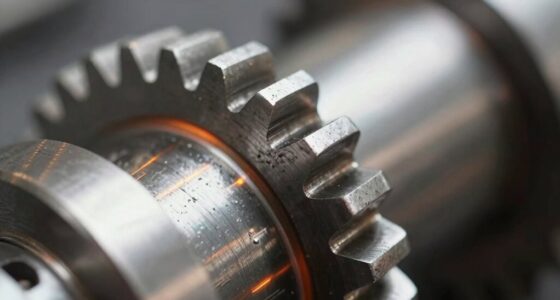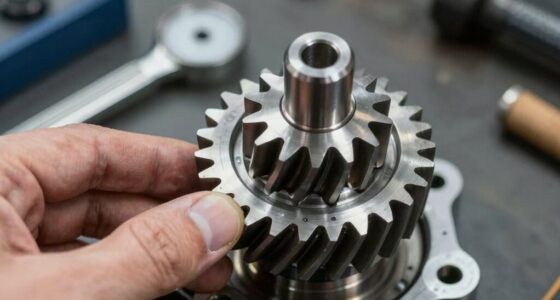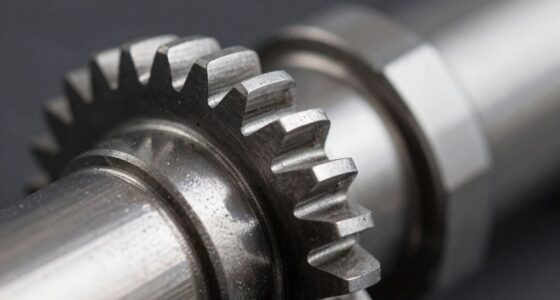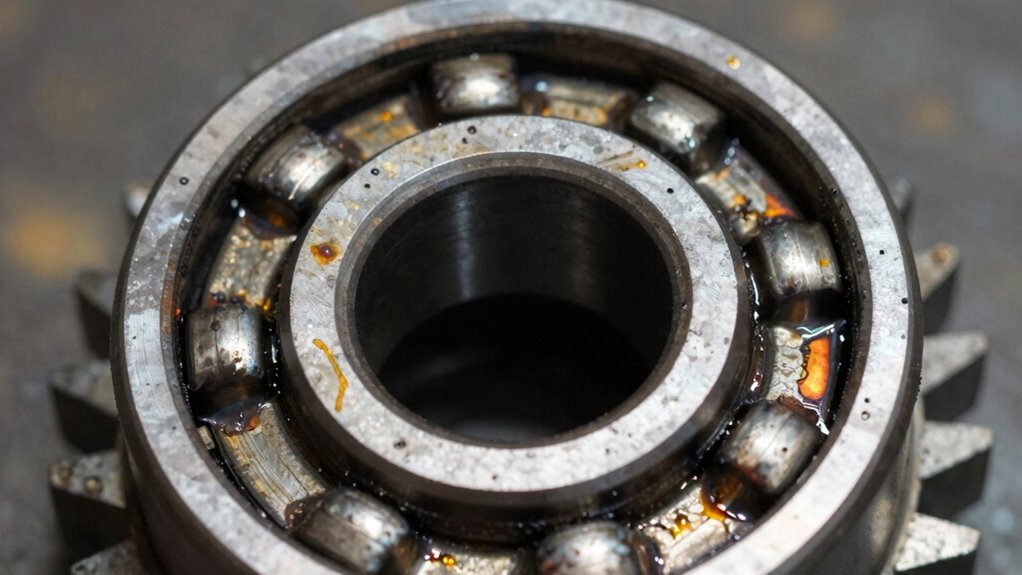
Pinion bearings in your differential often suffer first from heat because they handle high friction and stress while supporting the rotating pinion gear. If lubrication is inadequate or contaminated, heat builds quickly, accelerating wear and risking failure. Over time, heat causes lubricant breakdown, reducing protection and increasing damage. Recognizing these signs and understanding their causes can help you prevent costly damage — and there’s more to discover about keeping your differential cool.
Key Takeaways
- Pinion bearings generate heat from friction and load, making them vulnerable to overheating under stress.
- Insufficient or contaminated lubrication reduces heat dissipation, causing temperature spikes in pinion bearings.
- Overloading or high-speed driving increases heat buildup, accelerating bearing wear and failure risk.
- Heat causes lubricant breakdown, decreasing its protective properties and leading to increased bearing friction.
- Early signs like noise and vibrations often indicate overheating, making pinion bearings the first to suffer from excess heat.
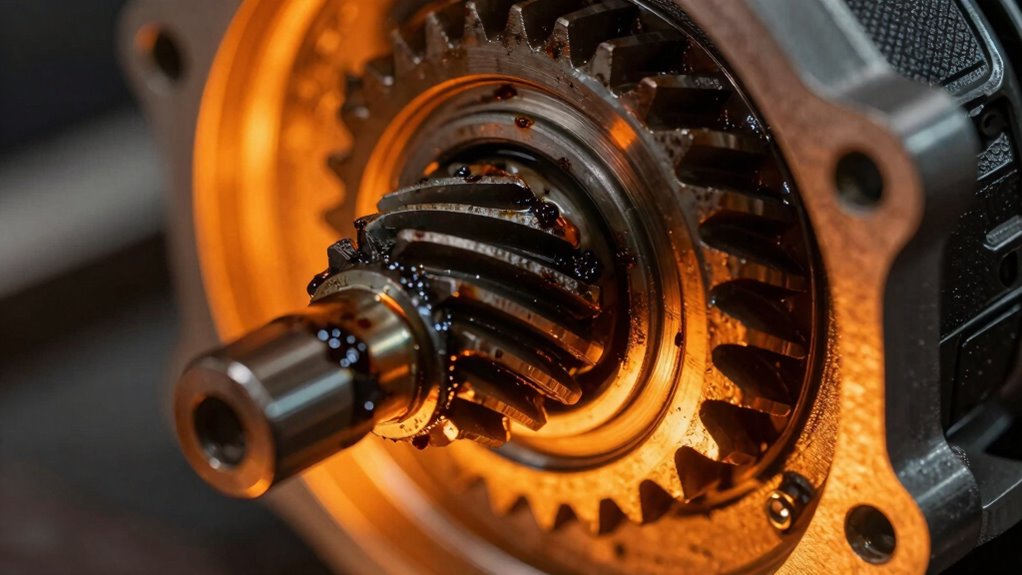
When your vehicle’s differential starts to heat up excessively, it can signal issues with the pinion bearings. These tiny but essential components are responsible for supporting the rotating pinion gear, ensuring smooth transfer of power from the driveshaft to the wheels. When heat levels rise beyond normal, it’s often the first sign that something’s wrong with the bearings, and addressing this early can prevent bigger, more costly failures down the road.
One of the primary reasons pinion bearings fail is lubrication issues. Proper lubrication is critical because it reduces friction between the bearing surfaces and helps dissipate heat generated during operation. If the lubricant becomes contaminated, thickens, or leaks out over time, the bearings don’t get the protection they need. Without sufficient lubrication, friction increases dramatically, causing the bearings to heat up and wear faster. Over time, this wear can lead to bearing failure, which often results in a grinding noise, vibrations, or even a complete loss of differential function. Additionally, maintaining correct lubrication levels helps prevent heat buildup and prolongs component life.
Heat dissipation plays a key role in maintaining the health of your differential and its pinion bearings. When the lubricant is functioning correctly, it helps transfer heat away from the bearings, keeping them within safe operating temperatures. However, if the lubricant’s quality degrades or if the differential is subjected to heavy loads or high speeds, heat can build up faster than it can be dispersed. This excess heat accelerates the breakdown of the lubricant, creating a vicious cycle where heat leads to more lubricant breakdown, which in turn leads to even higher temperatures.
In many cases, the first step to preventing pinion bearing failure is ensuring your differential’s lubrication system is in top condition. Regularly check the differential fluid level and quality, and replace the lubricant according to your vehicle’s maintenance schedule. Using the recommended type of lubricant also helps optimize heat dissipation. If you notice your differential running hotter than usual, or if you hear unusual noises, don’t ignore it. Addressing lubrication issues early can help keep the heat in check and extend the lifespan of your pinion bearings.

REALHUNLEE Air Conditioner UV Dye Leak Detector, Pro Auto Oil AC UV Dye Leak Test Detection Tool Kit 68 LED A/C UV Flashlight Detector with Protective Glasses
【Professional Grade & High Accuracy】-- Pro High-intensity true UV leak detection flashlight, INCLUDE GLASSES! 12.3 W 385-395nm leak...
As an affiliate, we earn on qualifying purchases.
Frequently Asked Questions
How Can I Prevent Pinion Bearing Failure Due to Heat?
To prevent pinion bearing failure from heat, you should prioritize lubrication maintenance by regularly checking and replacing oil to reduce friction. Additionally, improve ventilation around the differential to dissipate heat effectively. Keep an eye on temperature levels and address any abnormal increases promptly. These steps help keep the bearings cool, extend their lifespan, and ensure smooth operation, avoiding costly repairs down the line.
What Are the Signs of a Failing Pinion Bearing?
Your pinion bearing is like a fragile heart, and signs of failure beat loudly. You might notice whining or grinding noises, uneven tire wear, or vibrations. Lubrication issues can cause overheating, leading to material fatigue inside the bearing. If ignored, these symptoms worsen, risking complete failure. Pay attention to these signals and keep your lubrication system in check to prevent costly repairs and keep your vehicle running smoothly.
How Often Should I Check Differential Temperature?
You should check your differential temperature regularly, ideally every few months, especially if you notice any unusual noises or performance issues. Keep up with coolant maintenance to prevent overheating, and consider thermal insulation around the differential to manage heat buildup. Frequent checks help you catch early signs of overheating, ensuring your pinion bearings stay cool and last longer. Consistent maintenance keeps your differential in top condition and prevents costly repairs.
Are Certain Driving Habits More Likely to Cause Heat Damage?
Did you know aggressive driving increases differential heat by up to 30%? Your driving habits, especially rapid acceleration and hard cornering, can cause excessive gear shifting, which stresses pinion bearings. Frequent high-speed driving and abrupt stops also elevate heat levels. To protect your differential, adopt smoother driving habits, shift gears gradually, and avoid unnecessary acceleration. This reduces stress on components and helps prevent heat damage, prolonging your vehicle’s lifespan.
Can Aftermarket Modifications Increase Pinion Bearing Lifespan?
Yes, aftermarket upgrades can boost pinion bearing lifespan. Installing high-quality, heat-resistant lubricants reduces friction and heat buildup, protecting your bearings. Upgrading to stronger, precision-fit pinion bearings also minimizes wear caused by increased stress or modifications. These improvements help your differential handle aftermarket modifications better, preventing early failure. Regular maintenance and using reliable aftermarket parts guarantee your pinion bearings stay cooler and last longer, even under demanding driving conditions.

Eastwood 40 Gallon Parts Washer | 10 Inch Deep Tub Heavy Duty Powder Coated Finish Steel Parts Cleaner | Parts Washer Tank with 120V 5.3 Gallons Per Minute Flow Pump | Blue
PARTS WASHER: The Eastwood 40 Gallon Parts Washer is specifically designed with heavy-duty, all steel components and a...
As an affiliate, we earn on qualifying purchases.
Conclusion
Understanding why pinion bearings often take the hit from differential heat helps you see the importance of proper maintenance. Think of your differential as the heart of your drivetrain—if it overheats, everything else suffers. By keeping an eye on heat buildup and addressing issues early, you’re not just preventing damage; you’re giving your vehicle a chance to beat the heat and keep running smoothly. After all, isn’t it better to tame the fire before it burns out your ride?
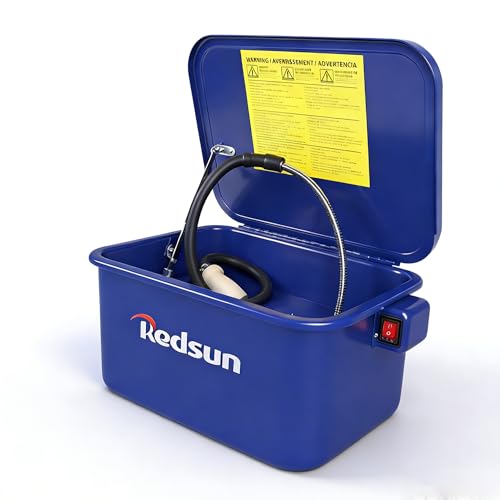
Parts Washer 3.5 Gallon Capacity Tank Cabinet Portable Automotive Parts Cleaner for Wheel Bearings, Gears, and carburetors (Blue)…
FLOW-THRU PARTS BRUSH WITH TUBE+180 DEGREE ROTATING NOZZLE: Designed for circulating washing. Heavy-Duty grooved handle. 28-Inch (71-Centimeters) Long...
As an affiliate, we earn on qualifying purchases.
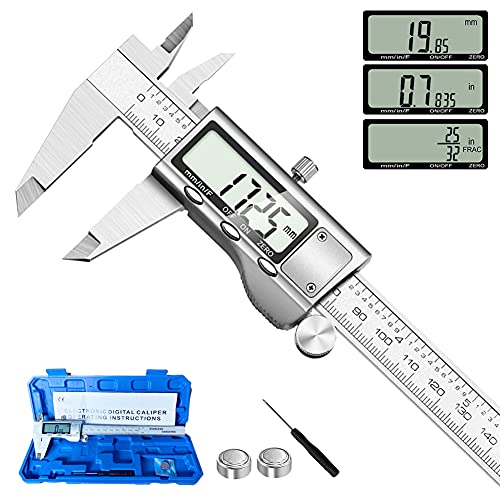
Digital Caliper Measuring Tool, Stainless Steel Vernier Caliper Digital Micrometer with Large LCD Screen, Easy Switch from Inch Metric Fraction, 6 Inch Caliper Tool for DIY/Household
【STAINLESS STEEL MATERIAL】The vernier caliper is made of high-strength stainless steel and is waterproof and dirt-proof. The service...
As an affiliate, we earn on qualifying purchases.