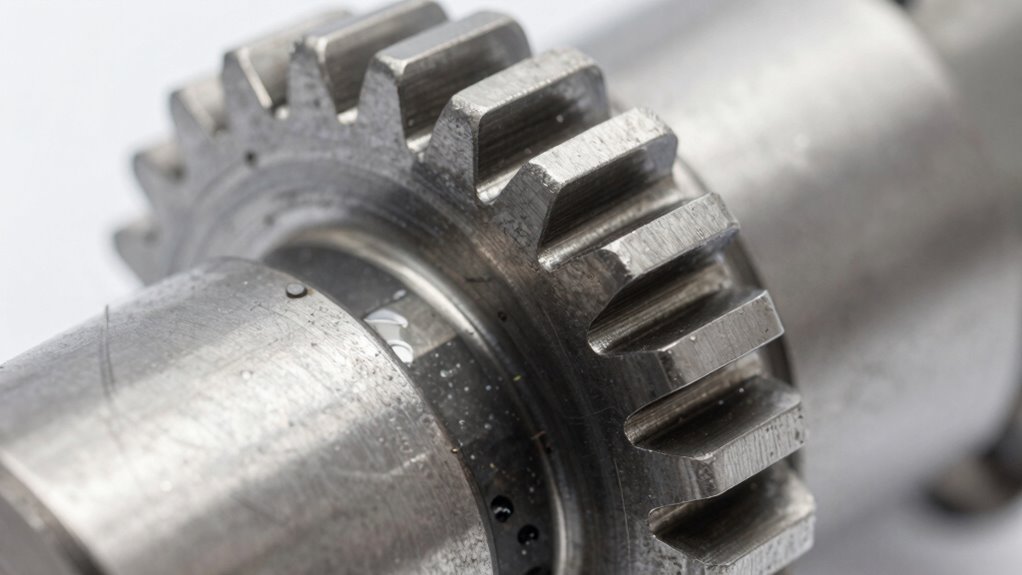

When your vehicle’s load increases, the pressure on the gear teeth rises, causing the gear whine to become sharper and louder. Heavier loads force the gears to engage more aggressively, which boosts vibration and noise frequency. Insufficient lubrication or worn gear surfaces can make this effect worse. As the load shifts, you might notice the pitch changing or the whine intensifying. If you want to understand how to prevent or fix this issue, there’s more to discover.

Get business pricing on garage and car supplies
- Business-only prices and quantity discounts
- Tax-exempt purchasing
- Multiple users, one account, clear invoices
Key Takeaways
- Increased load raises pressure and engagement force on gear teeth, causing higher vibrations and noise pitch.
- Under load, friction between gear surfaces intensifies, leading to louder and sharper gear whine.
- Heavy loads can cause gear misalignment or wear, resulting in increased noise frequency during operation.
- Proper lubrication reduces metal contact; inadequate lubrication under load amplifies gear whine.
- Elevated load conditions can elevate noise frequency, signaling higher stress or potential gear damage.
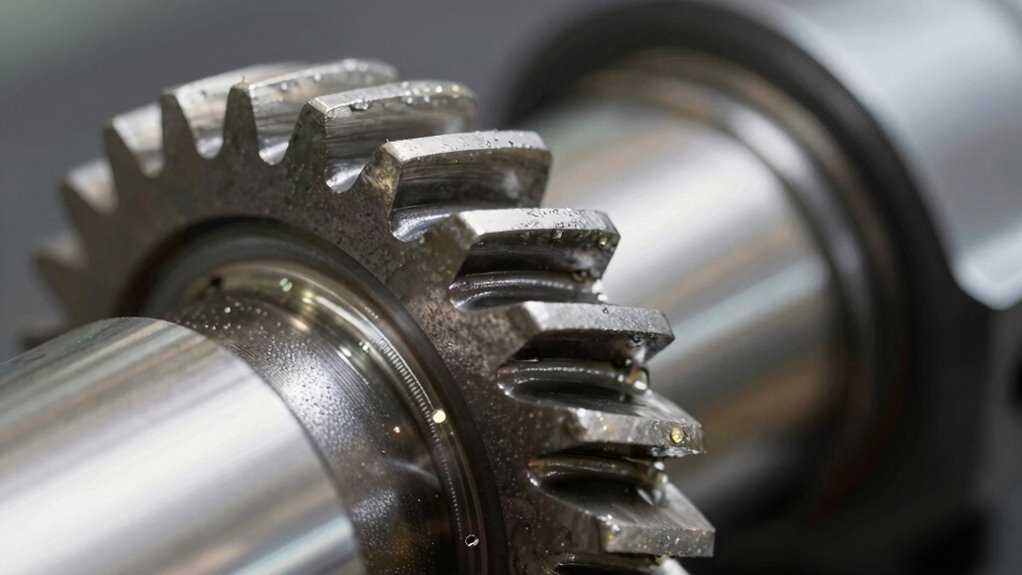
Have you ever noticed a high-pitched noise coming from your vehicle’s drivetrain when under heavy load? That sound, often called gear whine, can be unsettling, and understanding why it changes under load can help you diagnose potential issues. One key factor influencing gear whine is gear lubrication. Proper lubrication reduces metal-to-metal contact, which minimizes friction and noise. When your vehicle is under heavy load, gear teeth experience increased pressure, and if the lubrication isn’t sufficient or of the wrong type, it can cause the noise frequency to shift or intensify. As the gears are pressed together more firmly, inadequate lubrication can lead to increased metal contact, amplifying vibrations and resulting in a higher-pitched whine. Additionally, the condition of your transmission fluid can significantly impact gear noise under load, as old or contaminated fluid may fail to provide optimal lubrication. The noise frequency itself is a good indicator of what’s happening inside your transmission or differential. When gears mesh under load, the frequency of noise tends to rise if the gear teeth are not properly lubricated or if there’s wear. You might notice the pitch of the whine changing as you accelerate or climb hills—this is often linked to the load on the drivetrain. The increased load causes gear teeth to engage more forcefully, which can exacerbate existing issues with lubrication or gear alignment. As a result, the noise becomes sharper or more persistent, revealing that the gears are under stress and possibly indicating the need for maintenance. Your driving style and the condition of your transmission fluid also play a role. Heavy acceleration or towing puts more load on the gears, making any deficiencies in lubrication more apparent. If the gear oil is old, contaminated, or has a viscosity that doesn’t match your vehicle’s specifications, it won’t provide the *ideal* film thickness to cushion gear contact. This leads to increased metal-to-metal contact and a rise in noise frequency. Regularly checking and changing your gear oil ensures proper lubrication and can prevent or reduce gear whine when under load. Additionally, if you notice the noise becoming louder or more high-pitched over time, it might be a sign of wear or damage to the gear teeth. In such cases, the noise frequency can become more distinct or consistent, and ignoring it could lead to further damage. Proper gear lubrication not only minimizes noise but also extends the lifespan of your drivetrain components by reducing wear and preventing misalignment caused by metal fatigue. So, when you hear that high-pitched whine under load, it’s worth inspecting your gear lubrication and ensuring your drivetrain is properly maintained to keep everything running smoothly.
As an affiliate, we earn on qualifying purchases.
Frequently Asked Questions
Can Gear Whine Be Completely Eliminated?
Gear whine can’t be completely eliminated, but you can substantially reduce gear noise with proper sound damping techniques. Regular maintenance, such as lubrication and gear alignment, helps minimize the noise. Installing sound damping materials or enclosures around the gears can also absorb vibrations and reduce the audible whine. While some noise might persist, these steps make the gear noise much less noticeable and improve overall system quietness.
Does Gear Material Affect Whine Levels?
Gear material dramatically affects gear noise, and yes, it can make a huge difference. Using softer materials might reduce whine temporarily, but it often leads to quicker wear. Harder materials, like steel, produce more intense gear whine under load but last longer. So, if you want quieter gears, selecting the right gear material is essential—think of it as balancing durability against noise levels for the perfect ride.
How Does Lubrication Influence Gear Whine?
Lubrication quality directly influences gear noise reduction by smoothing gear contact surfaces, minimizing friction, and damping vibrations. When you use high-quality lubricants, they form a thin, consistent film that reduces metal-to-metal contact, decreasing gear whine and noise. Proper lubrication ensures quieter operation, prolongs gear life, and maintains ideal performance. If lubrication degrades or is insufficient, gear noise increases, making your vehicle or machinery louder and less efficient.
Is Gear Whine More Common in Certain Gear Types?
Oh, absolutely, gear whine loves to party in certain gear types more than others. You’ll notice it’s more common in helical gears because their gear noise and gear resonance tend to amplify under load, turning your ride into a musical. Spur gears are usually quieter, so if you’re craving peace, steer clear. But if you’re into that symphony of gear resonance, then let the whine begin!
Can Improper Gear Alignment Cause Whine?
Yes, improper gear alignment can cause gear noise, including whine. When gears aren’t correctly aligned, it leads to uneven contact and increased friction, which amplifies noise during operation. Alignment issues can create vibrations and excessive wear, making the gear whine more noticeable under load. By ensuring proper gear alignment, you can markedly reduce noise and improve the smoothness and longevity of your gears.
As an affiliate, we earn on qualifying purchases.
Conclusion
Now that you understand why gear whine changes under load, you can think of your transmission as a lively orchestra, each gear playing its part. When load increases, it’s like the instruments swell, and the noise becomes more intense, revealing their true voice. So, next time you hear that rising pitch, remember, it’s just your gears communicating their stress and strength. Embrace the symphony, and you’ll better understand your vehicle’s hidden language.
As an affiliate, we earn on qualifying purchases.
As an affiliate, we earn on qualifying purchases.
Fall Picks
fall essentials
As an affiliate, we earn on qualifying purchases.