When lubrication fails under heat and load, scuffing begins with tiny surface scratches and increased friction. As the lubricant film breaks down, metal-to-metal contact occurs, causing surface damage, localized wear, and heat buildup. This leads to deeper grooves, cracks, and possible spalling. If you keep an eye on early signs and address lubrication issues promptly, you can slow or prevent severe damage. To understand how to better protect your equipment, keep exploring these failure pathways.

Get business pricing on garage and car supplies
- Business-only prices and quantity discounts
- Tax-exempt purchasing
- Multiple users, one account, clear invoices
Key Takeaways
- Lubrication failure exposes metal surfaces, causing increased friction and localized surface damage.
- Elevated heat from friction softens or hardens surfaces, accelerating wear and deformation.
- High load intensifies surface contact, raising temperature and promoting microscopic damage.
- Progressive damage leads to deep grooves, cracks, and material spalling under continued heat and stress.
- Proper lubrication maintenance and load management prevent escalation along the heat and load failure path.
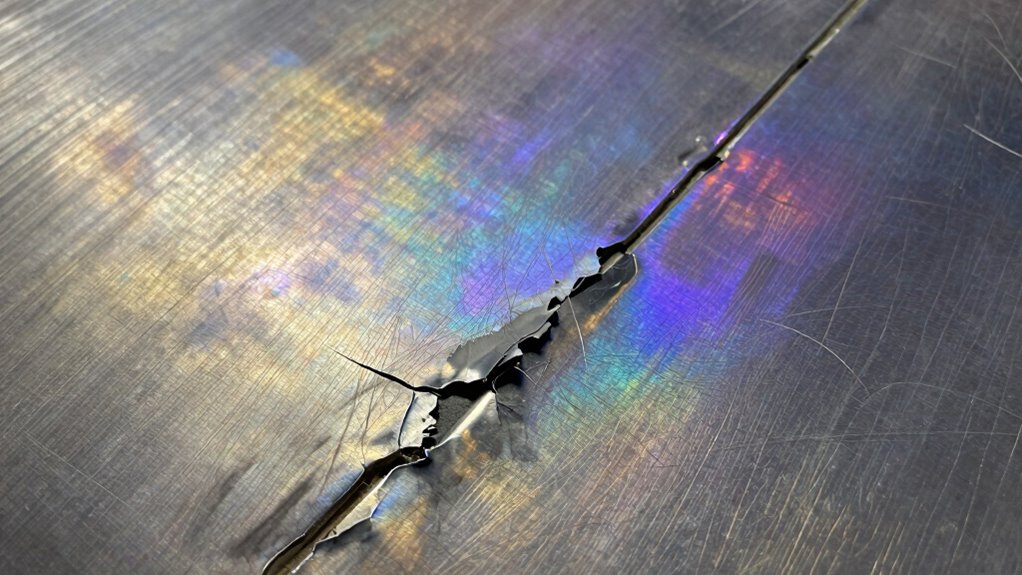
Have you ever wondered how scuffing develops on mechanical surfaces? It’s a process that begins subtly but can escalate quickly if not properly managed. At its core, scuffing is a form of surface damage caused by the breakdown of the lubricant film between moving parts. When lubrication failure occurs, the thin film that normally separates sliding surfaces diminishes or disappears, allowing metal-to-metal contact. This contact accelerates material wear, which weakens the surfaces and creates rough spots. Over time, these rough spots generate heat and friction, fueling a destructive cycle that leads to visible scuff marks and, ultimately, component failure. Recognizing how lubrication failure triggers material wear is *vital* to understanding the progression of scuffing.
Lubrication failure initiates wear, leading to scuffing and eventual equipment failure.
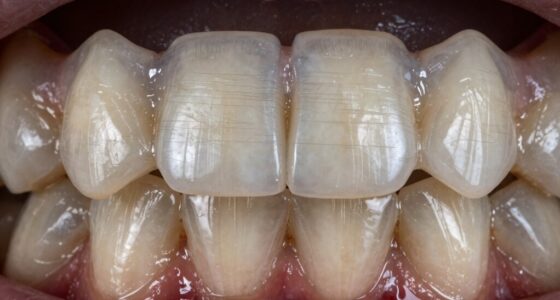
In the early stages, if lubrication isn’t maintained or if it degrades prematurely, the surfaces start to come into direct contact under high load conditions. This direct contact causes localized material removal, creating microscopic grooves and rough patches. These imperfections increase friction even more, generating additional heat that softens or hardens the surface layer unevenly. As the temperature rises, the lubricant’s viscosity drops or it evaporates altogether, further compromising its ability to provide a protective barrier. The cycle intensifies, and the localized wear deepens, forming small scars that look like scratches on the surface. These initial signs are often subtle, but they indicate the beginning of the scuffing process driven by lubrication failure and material wear. Proper lubrication maintenance is essential to prevent this progression from advancing.
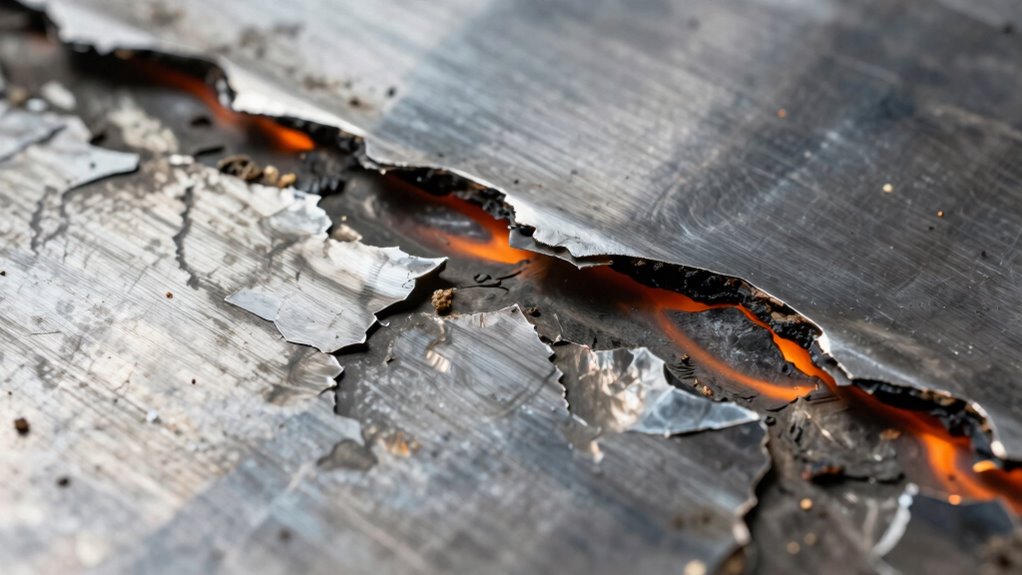
As the scuffing progresses, the damage becomes more pronounced. The rough patches grow larger, and the heat affected zones expand. The increased friction causes more rapid material removal, creating deep grooves and craters. The surfaces are no longer smooth but are filled with irregularities that trap debris and exacerbate wear. During this phase, the load on the component intensifies the damage, as the mechanical stress concentrates on these weak spots. The combination of high load and persistent heat accelerates material fatigue, eventually leading to cracks and spalling. At this point, the surface damage is severe and often irreversible, marking a *key* failure path that can result in equipment breakdown.
Preventing this progression depends on maintaining proper lubrication and monitoring load conditions. When lubrication failure is promptly addressed, and loads are kept within specified limits, the onset of material wear and the subsequent development of scuffing can be *considerably* slowed or avoided altogether. Recognizing early signs of lubrication breakdown and addressing them quickly is your best defense against the destructive journey of scuffing. By understanding how lubrication failure leads to material wear and further damage, you can take proactive steps to extend the lifespan of your mechanical components and prevent costly failures.
industrial lubrication maintenance kit
As an affiliate, we earn on qualifying purchases.
As an affiliate, we earn on qualifying purchases.
Frequently Asked Questions
How Can Scuffing Be Detected Early?
You can detect scuffing early through wear monitoring and surface analysis. Regularly check for unusual wear patterns, increased friction, or surface discoloration, which indicate early scuffing. Employing sensors or lubricant analysis can help identify changes before severe damage occurs. Conduct surface analysis to spot micro-damage or roughness increases. These proactive measures enable you to address issues promptly, minimizing equipment downtime and extending component life.
What Materials Are Most Resistant to Scuffing?
You’ll find that materials with high hardness, like hardened steels or ceramics, resist scuffing better. Surface coatings, such as PVD or CVD coatings, also provide excellent protection by reducing friction and wear. Choosing materials with these properties helps prevent scuffing, especially under high loads and temperatures. By focusing on material hardness and applying advanced surface coatings, you can markedly enhance durability and reduce the risk of scuffing in your components.
Does Lubrication Always Prevent Scuffing?
Lubrication doesn’t always prevent scuffing because its effectiveness depends on surface hardness, load, and temperature. Sometimes, even well-lubricated surfaces can scuff if the lubricant fails under high heat or pressure. You should consider surface hardness and proper lubrication practices together. When surfaces are hard enough and lubrication is maintained effectively, you reduce scuffing risk. But remember, no single solution guarantees complete prevention—it’s about a balanced approach.
How Does Environmental Temperature Influence Scuffing?
Environmental temperature markedly influences scuffing by affecting thermal effects on contact surfaces. Higher ambient conditions can increase surface temperatures, reducing lubricant effectiveness and weakening the lubricating film. This makes you more prone to scuffing, especially under heavy loads. Conversely, cooler environments help maintain better lubrication, lowering the risk. To prevent scuffing, consider controlling ambient conditions or using lubricants suited for the specific thermal environment.
Can Surface Treatments Reduce Scuffing Risk?
Surface treatments can indeed reduce your scuffing risk. Coating enhancements, like specialized anti-friction coatings, create a protective barrier that minimizes metal-to-metal contact. Additionally, selecting alloys with better wear resistance helps prevent scuffing under high loads and temperatures. By combining these approaches, you improve surface durability and reduce the chances of scuffing, especially in demanding operating conditions.
high temperature bearing lubricant
As an affiliate, we earn on qualifying purchases.
As an affiliate, we earn on qualifying purchases.
Conclusion
As you witness scuffing’s silent advance, remember that heat and load, though silent allies, chart a deadly course. While it seems a slow deterioration, beneath the surface, failure accelerates, betraying your expectations. In this dance of friction and force, vigilance becomes your safeguard. Recognize that what appears minor today can, with time, become catastrophic. By understanding this delicate balance, you stay one step ahead—turning potential disaster into a story of prevention rather than regret.
metal surface scuffing repair products
As an affiliate, we earn on qualifying purchases.
As an affiliate, we earn on qualifying purchases.
As an affiliate, we earn on qualifying purchases.
Fall Picks
fall essentials
As an affiliate, we earn on qualifying purchases.