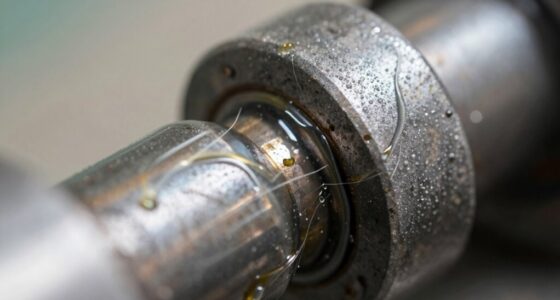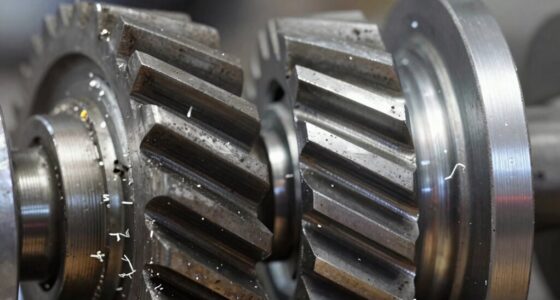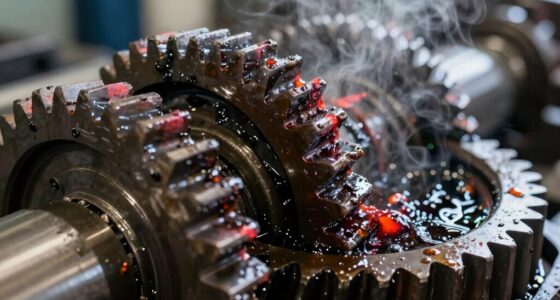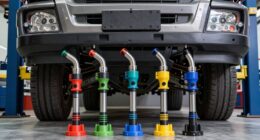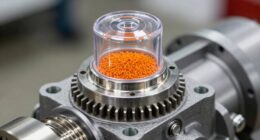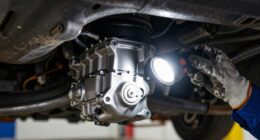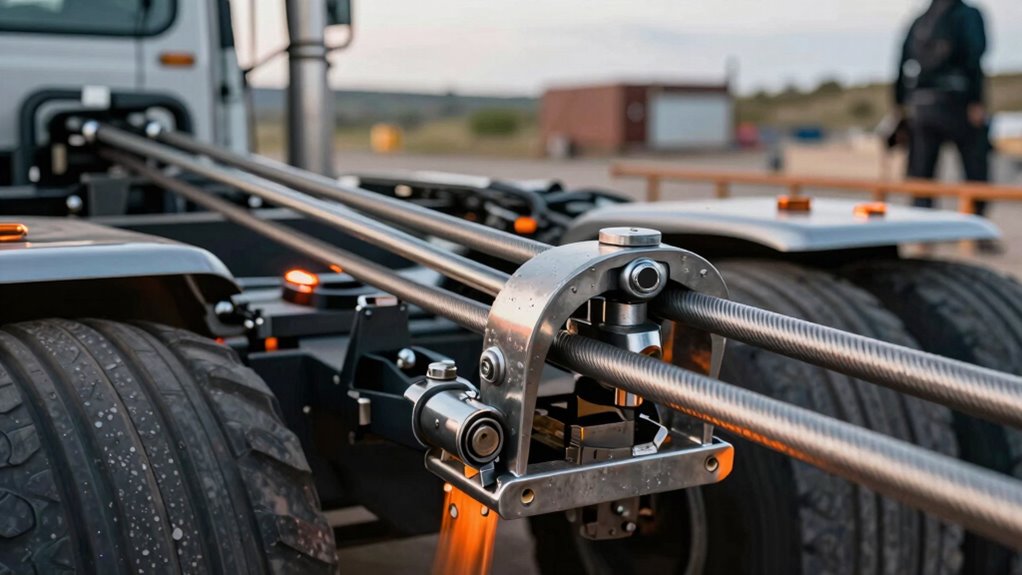
When towing heavy loads, torque from your engine and transmission causes friction inside moving parts like the driveshaft, differential, and wheel bearings. This friction generates heat, especially under extra strain, if parts aren’t properly lubricated. Good lubrication creates a barrier that reduces metal-to-metal contact and helps dissipate heat. Without it, heat can build up quickly, risking damage or failure. Keep exploring to understand how to protect your vehicle’s components during heavy towing.
Key Takeaways
- Torque produces rotational motion that creates friction between moving parts, generating heat.
- Increased towing loads elevate torque demand, leading to higher heat buildup in components.
- Friction from torque causes metal-to-metal contact, which raises temperatures and accelerates wear.
- Proper lubrication forms a barrier that reduces friction and manages heat during torque transmission.
- Without adequate lubrication, excessive heat from torque can warp, seize, or damage vehicle parts.
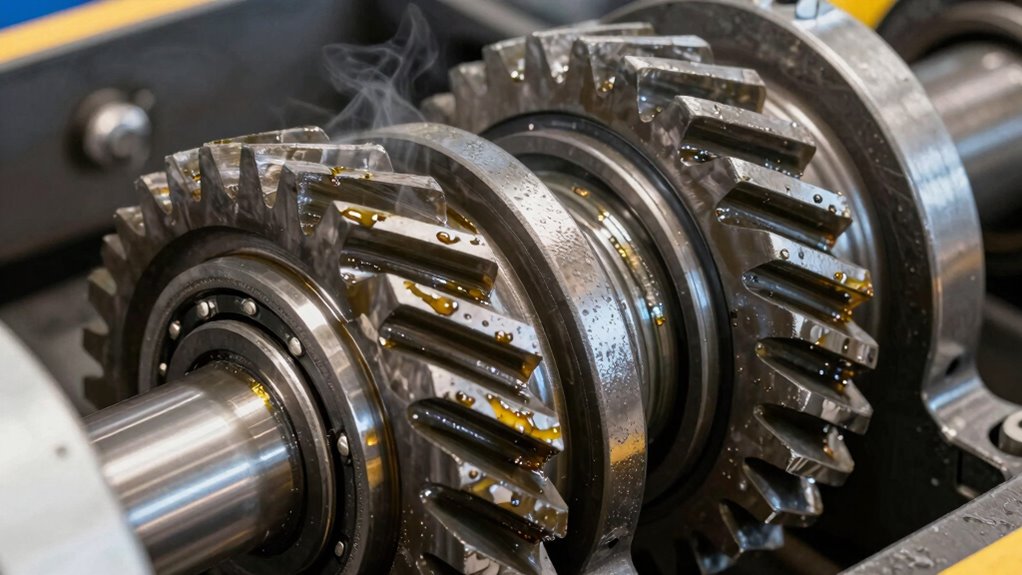
Towing loads puts significant stress on your vehicle’s engine and transmission, making proper lubrication essential for ideal performance and longevity. When you’re hauling heavy trailers or cargo, your vehicle’s components work harder, generating more heat and wear. This added strain impacts critical parts like the braking systems and axle alignment, which must work seamlessly to guarantee safety and efficiency. Braking systems, in particular, become indispensable because they handle the increased kinetic energy during stops. If brake components aren’t properly lubricated or maintained, they can overheat or seize, compromising your ability to stop safely. Regular inspection of brake pads, rotors, and calipers, along with appropriate lubrication, helps dissipate heat and prevents brake failure under load. Equally important is the axle alignment, which ensures that your wheels roll smoothly and evenly. When towing, misaligned axles cause uneven tire wear, reduce fuel efficiency, and strain suspension components, leading to excessive heat buildup in these areas. Proper alignment minimizes unnecessary friction and distributes load more evenly, reducing stress on your drivetrain and extending the life of your vehicle. Additionally, understanding how torque converts into heat is essential when towing. As your engine and transmission generate torque to move the load, some of that energy inevitably turns into heat due to friction within moving parts. This heat can accelerate wear if not managed with proper lubrication. High-quality lubricants create a slick barrier that reduces metal-to-metal contact, helping to control the temperature and prevent components from overheating. Without adequate lubrication, increased friction leads to more heat, which can cause parts to warp, break, or seize altogether. This is why regular oil changes and the use of suitable lubricants are indispensable, especially when towing heavy loads. Moreover, lubrication isn’t limited to just the engine; it extends to other moving parts such as driveshafts, differentials, and wheel bearings. These components are also susceptible to heat buildup caused by torque, and neglecting their lubrication can result in costly repairs or breakdowns.

Dorman 926-427 Oil and Coolant Temperature Sensor Compatible with Select Models
Direct replacement – this engine coolant temperature sensor is designed to match the fit and function of the…
As an affiliate, we earn on qualifying purchases.
As an affiliate, we earn on qualifying purchases.
Frequently Asked Questions
How Do Different Lubricants Affect Towing Efficiency?
Different lubricants impact your towing efficiency by affecting friction and heat. A lubricant with the right viscosity guarantees smooth operation without excess drag, saving energy. Additive compatibility also matters; compatible additives reduce wear and prevent breakdowns. When choosing lubricants, opt for those formulated for towing conditions, as they help maintain ideal friction levels, lower torque demands, and prevent overheating, ultimately boosting your towing performance and prolonging equipment life.
What Are Signs of Lubrication Failure During Towing?
You’ll notice signs of lubrication failure during towing if your vehicle shows unusual squealing, increased engine temperature, or sluggish performance. Lubrication contamination or inadequate lubrication inspection can cause these issues, leading to increased friction and heat. Regularly check your lubricant levels and quality, and look for debris or metal particles. Addressing lubrication problems early prevents damage, ensures smooth towing, and keeps your engine running efficiently.
How Does Ambient Temperature Influence Lubrication Performance?
Ambient influence and temperature effects can markedly impact lubrication performance. When temperatures drop, lubricants thicken, reducing flow and increasing wear. Conversely, high temperatures cause lubricants to thin, decreasing their protective film and risking metal-to-metal contact. You need to monitor ambient conditions closely, especially during towing, because fluctuating temperatures can alter lubrication effectiveness and lead to overheating, increased friction, or equipment failure if not managed properly.
Can Improper Lubrication Increase Towing-Related Heat?
Did you know that improper lubrication can increase heat generation by up to 50%? When lubrication breaks down, friction rises, causing more heat during towing. This excess heat accelerates wear and damages parts. If you neglect proper lubrication, you risk your equipment overheating, leading to costly repairs and potential failure. Keep your lubrication in check to prevent breakdowns and ensure smooth, safe towing experiences.
Are There Specific Lubricants for Heavy-Duty Towing Applications?
Yes, there are specific lubricants for heavy-duty towing applications. You should use synthetic oils, which provide better thermal stability and reduce heat buildup during towing. Additionally, lubrication additives enhance lubrication properties, protecting your engine and transmission under heavy loads. These specialized lubricants help prevent wear, reduce friction, and keep your vehicle running smoothly, even under stressful towing conditions. Always consult your manufacturer for the best product recommendations.
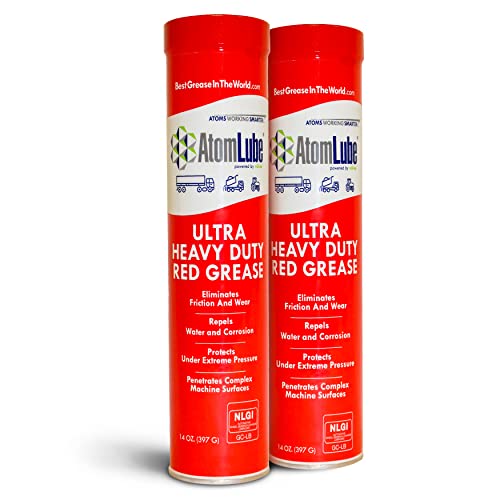
AtomLube Ultra Heavy Duty Red Grease, 2-Pack of 14 Oz. Tubes| Waterproof & High Temp Lubricant | Wheel Bearing Grease for Semi Truck Accessories
HEAVY DUTY RED GREASE: AtomLube Ultra Heavy Duty Red Grease (NLGI #2) is a multi-purpose high-performance lubricant designed…
As an affiliate, we earn on qualifying purchases.
As an affiliate, we earn on qualifying purchases.
Conclusion
Remember, when towing heavy loads, torque isn’t just turning parts—it’s generating heat through friction. Some believe that simply increasing lubrication solves the problem, but it’s more about understanding the balance. True efficiency comes from managing torque wisely and choosing the right lubrication. So, don’t just rely on theory—test, observe, and adapt. By doing so, you’ll prevent damage, extend your equipment’s life, and keep everything running smoothly under pressure.

Lucas Oil 10047 SAE 75W-90 Synthetic Gear Oil/Transmission and Differential Lube – 1 Quart
Fit type: Vehicle Specific
As an affiliate, we earn on qualifying purchases.
As an affiliate, we earn on qualifying purchases.

Orion Motor Tech 24pc Brake Caliper Compression Tool Set, Heavy Duty Brake Piston Compressor Tool and Wind Back Tool Kit for Brake Pad Replacement, Universal Disc Brake Caliper Tool Set with Blue Case
Complete Tool Set: Orion Motor Tech's 24-piece brake caliper compression tool set includes 2 retaining plates, 2 thrust…
As an affiliate, we earn on qualifying purchases.
As an affiliate, we earn on qualifying purchases.