TL;DR

Get business pricing on garage and car supplies
- Business-only prices and quantity discounts
- Tax-exempt purchasing
- Multiple users, one account, clear invoices
Hyundai’s CEO has warned that China is poised to dominate the US car market similarly to Europe’s current landscape unless regulatory restrictions are implemented. The statement underscores growing concerns over China’s automotive expansion and global market shifts.
The CEO of Hyundai has publicly warned that China will soon rival the US in automotive market dominance unless governments impose restrictions. The statement highlights concerns over China’s rapid automotive growth and its potential to reshape global market dynamics, making this a significant issue for automakers and policymakers worldwide.
According to the Hyundai CEO, China’s automotive industry is expanding rapidly, with increased investments in electric vehicles (EVs) and manufacturing capacity. The CEO stated that without regulatory measures, China could dominate the US market in a manner similar to its current influence over Europe’s automotive landscape. The warning reflects broader anxieties about China’s strategic push into global automotive markets, especially in EVs, where it has become a leading producer and exporter. The statement was made during a recent industry conference, emphasizing the urgency of considering restrictions to maintain market balance and protect domestic automotive industries in the US.While the CEO’s comments are based on observable trends—such as China’s rising EV exports and investments—there is no official policy announcement or specific regulatory proposal linked to this warning. Industry analysts note that China’s market share in the US remains limited but is growing, especially in EV segments where Chinese manufacturers are expanding aggressively. The CEO’s remarks align with broader concerns among automakers and policymakers about China’s strategic push to increase its automotive footprint globally, driven by government support, technological advancements, and competitive pricing.
Implications for US Automotive Industry and Policy
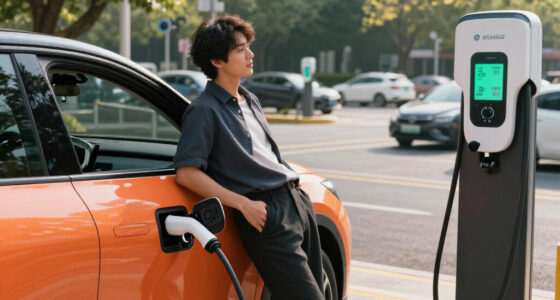
This warning signals potential shifts in the global automotive landscape, emphasizing the risk of China overtaking the US market if current trends continue unchecked. It underscores the importance of regulatory measures to protect domestic automakers and maintain competitive balance. The statement also highlights the geopolitical dimension of automotive competition, with implications for trade policies, national security, and technological leadership in electric vehicles. For consumers, this could mean increased competition, innovation, and pricing pressures in the US market. For policymakers, the warning suggests urgent discussions around restrictions or incentives to counter China’s rising influence, especially as EVs become a central focus of future automotive development.electric vehicle (EV) charging station
As an affiliate, we earn on qualifying purchases.
As an affiliate, we earn on qualifying purchases.
Growing Chinese Automotive Influence and Market Trends
Over the past decade, China has significantly increased its presence in the global automotive industry, particularly in electric vehicles. The country is now the world’s largest EV producer and exporter, with government policies strongly supporting domestic automakers through subsidies, research investments, and export incentives. Chinese brands like BYD, NIO, and Xpeng have expanded into international markets, including Europe and North America, with growing sales and manufacturing footprints. Meanwhile, US automakers have been investing heavily in EV development, but face stiff competition from Chinese firms that benefit from lower production costs and aggressive export strategies. Industry analysts note that China’s automotive market is expected to continue its rapid growth, raising concerns about its future influence in the US, especially if regulatory barriers are not maintained or introduced.As an affiliate, we earn on qualifying purchases.
Unclear Details on Regulatory Measures and Timing
It is not yet clear what specific restrictions or policies the Hyundai CEO is referring to, nor the timeline for potential market shifts. The statement appears to be a warning rather than an announcement of planned measures, and the actual impact will depend on future policy decisions by US and international regulators. Details about how China’s market expansion will evolve and how governments might respond remain uncertain.car detailing kit for electric vehicles
As an affiliate, we earn on qualifying purchases.
As an affiliate, we earn on qualifying purchases.
Monitoring Policy Responses and Market Developments
Next steps involve observing whether US policymakers consider restrictions or incentives to curb Chinese automotive influence. Industry analysts will continue tracking China’s export growth, domestic investments, and international market entries. Automakers are likely to adjust strategies in response to evolving geopolitical and economic pressures, with potential policy debates emerging in Congress or international trade forums. The situation remains dynamic, with ongoing discussions about balancing free trade and protecting national industries.As an affiliate, we earn on qualifying purchases.
Key Questions
What specific restrictions could prevent China from dominating the US car market?
Potential restrictions may include tariffs, import quotas, or stricter regulations on Chinese vehicle imports and investments. The exact measures depend on future policy decisions by US authorities.
It is uncertain; current trends suggest rapid growth, especially in EVs, but the timeline for overtaking the US market remains unclear and depends on policy, technological, and economic factors.
Why is China’s automotive expansion a concern for the US?
It raises concerns about economic competitiveness, technological leadership, and national security, especially as China invests heavily in EV technology and exports.
Are there any existing policies to limit Chinese automotive imports in the US?
As of now, there are no specific restrictions targeting Chinese automotive imports, but discussions about tariffs and trade policies are ongoing.
What impact could this have on consumers in the US?
If Chinese automakers increase their market share, consumers might benefit from more choices and competitive pricing, but there could also be concerns about quality and safety standards if regulations are not maintained.
Source: rss
Fall Picks
fall essentials
As an affiliate, we earn on qualifying purchases.