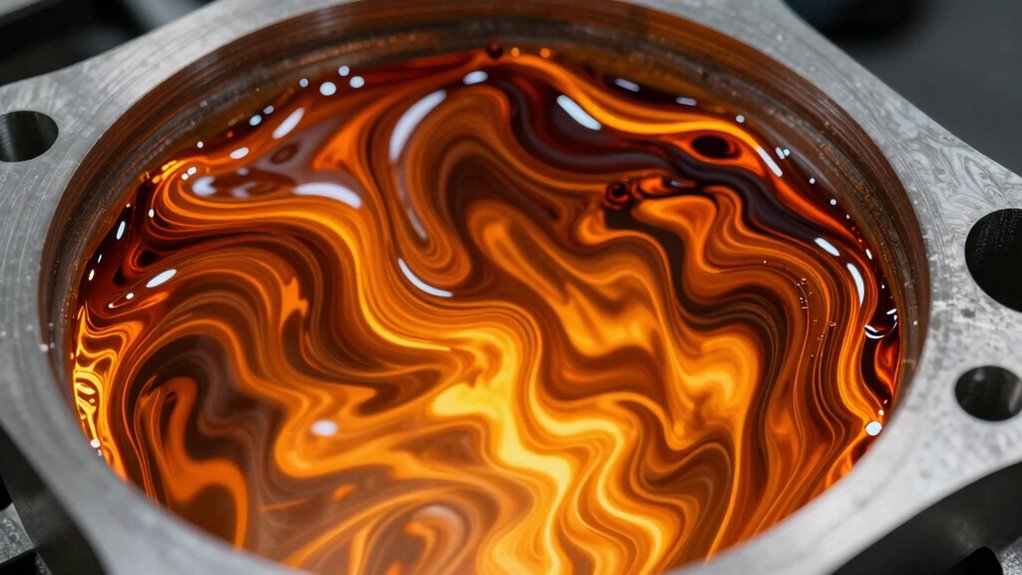

When machinery is misaligned, uneven loads cause increased friction and heat buildup, which can look like “bad oil” symptoms. Instead of lubrication failure, the excess heat results from improper alignment stressing bearings and other components. This heat can make bearings overheat and wear prematurely, mimicking oil issues. If you want to understand how to spot the real cause behind this heat and keep your equipment running smoothly, there’s more to uncover.
Key Takeaways
- Misalignment causes uneven load distribution, increasing friction and generating excess heat mistaken for oil issues.
- Overheating from misalignment often localizes around bearings, mimicking symptoms of poor lubrication.
- Excess heat accelerates bearing wear, leading to vibrations and further heat, which can be misdiagnosed as oil failure.
- Misaligned components support uneven stress, causing bearings to overheat and produce heat signatures similar to “bad oil.”
- Regular vibration analysis can distinguish heat caused by misalignment from actual oil-related problems.
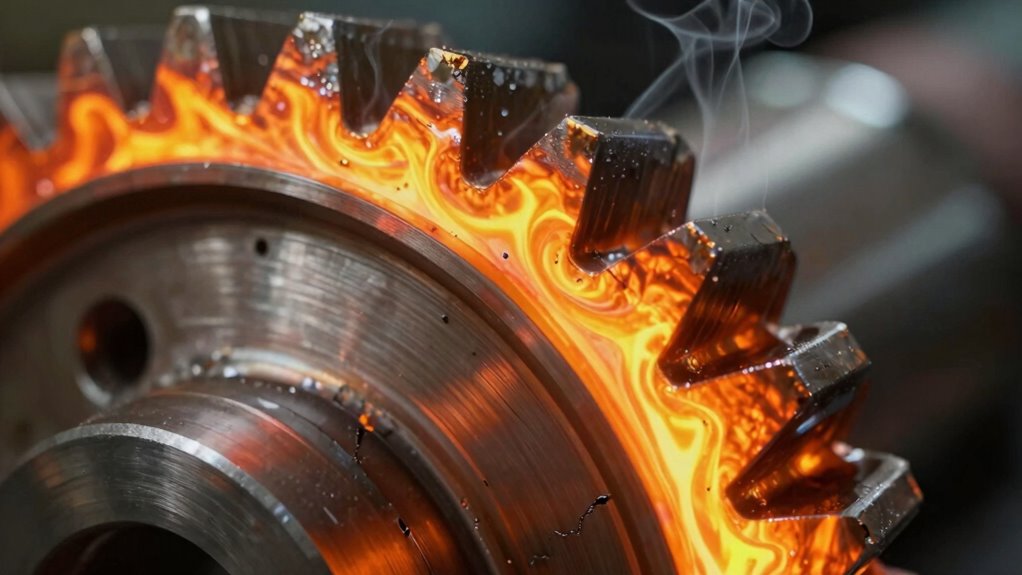
Have you ever wondered how misalignment in machinery can generate excessive heat? When equipment isn’t properly aligned, it creates uneven loads and increased friction, which in turn causes components to heat up faster than they should. This heat isn’t just a minor inconvenience; it can lead to serious damage if not addressed promptly. One of the most effective ways to diagnose misalignment early is through vibration analysis. By monitoring vibration patterns, you can detect abnormal oscillations that signal misalignment before it escalates into more severe issues. Vibration analysis helps pinpoint the exact source of problems, allowing you to take corrective actions before bearing wear accelerates or other costly failures.
Misalignment directly impacts the bearings in your machinery, and this is where bearing wear becomes a critical concern. When components are out of alignment, the load distribution across the bearings becomes uneven. Instead of supporting the shaft uniformly, some bearings carry more stress, which accelerates their wear and tear. Over time, this uneven wear generates friction and heat, mimicking the symptoms of “bad oil” — that is, excess heat that seems to originate from lubrication issues but actually stems from mechanical misalignment. The increased friction from bearing wear not only produces heat but also leads to vibrations that can be detected and analyzed. As the bearings degrade, the machinery’s efficiency drops, and the risk of catastrophic failure rises.
Misalignment causes uneven bearing wear, increasing heat and vibrations that can lead to machinery failure.
In many cases, the heat generated by misalignment is mistaken for oil problems because it’s localized around the bearings or other critical components. If you notice your equipment running hotter than usual, it’s tempting to assume it’s due to poor lubrication or contaminated oil. However, neglecting the root cause—misalignment—can be costly. Excess heat from misalignment causes bearings to overheat and deteriorate faster, which worsens vibration issues and accelerates wear. This cycle of increasing heat, vibration, and wear can be difficult to diagnose without proper analysis, but vibration analysis serves as a crucial tool in uncovering these hidden problems early. By regularly monitoring vibration patterns, you can identify the onset of misalignment and prevent the cascade of damage that leads to “bad oil” symptoms.
Ultimately, understanding how misalignment generates heat helps you take proactive steps to maintain machinery health. Regular vibration analysis combined with diligent inspection of bearing wear can save you money and downtime. Addressing misalignment promptly ensures your equipment runs cooler, more efficiently, and with less risk of catastrophic failure. Recognizing that excessive heat isn’t always due to lubrication issues but can be caused by mechanical misalignment empowers you to troubleshoot more effectively and extend the lifespan of your machinery. Additionally, awareness of drone bees and hive health can serve as a metaphor for how proper alignment in systems maintains overall stability and productivity.

REALHUNLEE Air Conditioner UV Dye Leak Detector, Pro Auto Oil AC UV Dye Leak Test Detection Tool Kit 68 LED A/C UV Flashlight Detector with Protective Glasses
【Professional Grade & High Accuracy】-- Pro High-intensity true UV leak detection flashlight, INCLUDE GLASSES! 12.3 W 385-395nm leak...
As an affiliate, we earn on qualifying purchases.
Frequently Asked Questions
Can Misalignment Cause Damage Beyond Increased Heat?
Yes, misalignment can cause damage beyond increased heat. It leads to abnormal vibrations that strain bearings and gears, potentially causing premature wear or failure. Regular vibration analysis helps you detect misalignment early, while proper lubrication practices minimize additional friction and wear. Addressing misalignment promptly guarantees your equipment runs smoothly, reducing the risk of costly repairs and downtime. Don’t overlook these issues—they can escalate if left unchecked.
How Quickly Does Misalignment Heat Buildup Occur?
Heat buildup from misalignment can happen surprisingly quickly, often within hours or days of the issue starting. The misalignment speed influences how fast the heat accumulates, with more severe misalignment causing rapid temperature increases. You’ll notice the heat buildup sooner if the misalignment is significant, leading to potential damage. Regular inspections help catch misalignment early, preventing excessive heat and prolonging the equipment’s lifespan.
Are Certain Types of Machinery More Prone to Misalignment Heat Issues?
Certain machinery types, especially those with high speeds, heavy loads, or sensitive components, are more prone to misalignment causes that lead to heat buildup. These machines often require precise alignment to prevent overheating, vibration, and wear. Regular heat detection helps you identify early signs of misalignment, so you can address issues before they cause significant damage. Keep an eye on these machines to maintain ideal performance and extend their lifespan.
What Tools Are Best for Detecting Misalignment-Related Heat?
You should use thermal imaging and vibration analysis tools to detect misalignment-related heat. Thermal imaging quickly reveals hotspots caused by friction from misalignment, allowing you to pinpoint problem areas. Vibration analysis helps identify abnormal vibrations that often accompany misalignment issues, providing early warning signs. Combining both tools gives you a thorough view, enabling you to catch misalignment early and prevent further damage or overheating.
Can Misalignment Heat Be Completely Eliminated With Proper Maintenance?
Yes, misalignment heat can be nearly eliminated with proper maintenance. By implementing preventive measures and regularly performing realignment techniques, you reduce the chances of misalignment causing excess heat. Consistent inspections, timely adjustments, and using precise tools help guarantee components stay aligned. This proactive approach minimizes heat buildup, extends equipment life, and improves efficiency, so you can confidently maintain ideal operation and prevent issues caused by misalignment.

Ironton Air Operated Oil Transfer Pump - 5:1 Ratio, 4.76 GPM
5:1 gear ratio delivers a maximum flow rate up to 4.76 GPM
As an affiliate, we earn on qualifying purchases.
Conclusion
When your machinery misaligns, it’s like a silent fire burning beneath the surface—heat that masquerades as “bad oil.” Just as a small spark can ignite a flame, small misalignments can lead to bigger problems if ignored. Keep everything aligned, and you prevent this hidden blaze from consuming your equipment. Remember, perfect alignment is the shield that keeps your machinery’s heart cool and true, ensuring smooth operation and lasting reliability.

Eastwood 40 Gallon Parts Washer | 10 Inch Deep Tub Heavy Duty Powder Coated Finish Steel Parts Cleaner | Parts Washer Tank with 120V 5.3 Gallons Per Minute Flow Pump | Blue
PARTS WASHER: The Eastwood 40 Gallon Parts Washer is specifically designed with heavy-duty, all steel components and a...
As an affiliate, we earn on qualifying purchases.
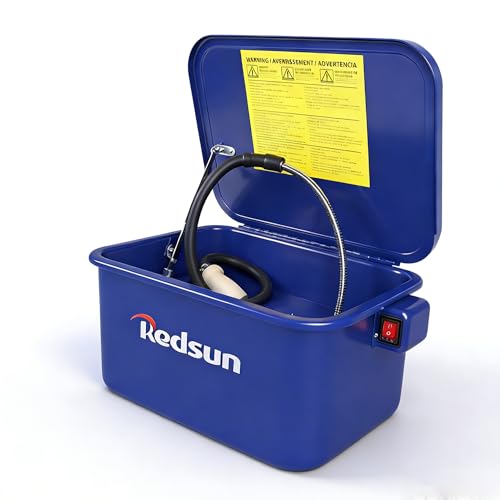
Parts Washer 3.5 Gallon Capacity Tank Cabinet Portable Automotive Parts Cleaner for Wheel Bearings, Gears, and carburetors (Blue)…
FLOW-THRU PARTS BRUSH WITH TUBE+180 DEGREE ROTATING NOZZLE: Designed for circulating washing. Heavy-Duty grooved handle. 28-Inch (71-Centimeters) Long...
As an affiliate, we earn on qualifying purchases.