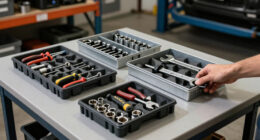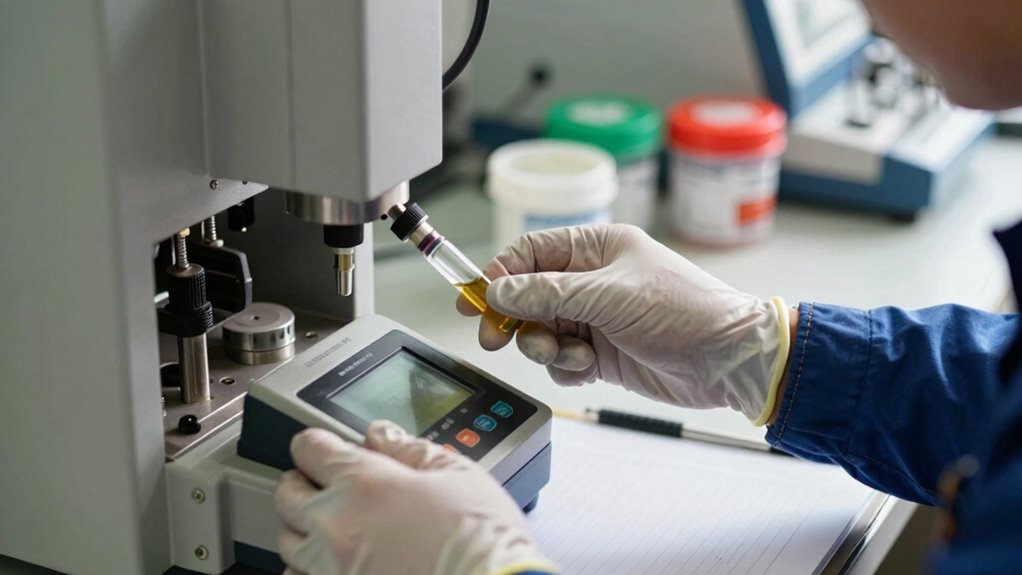
To pick the right oil analysis sampling schedule, consider your equipment’s operating environment, criticality, and maintenance history. For high-speed or essential machinery, monthly or quarterly tests help catch issues early. Less demanding equipment may need semi-annual or annual checks. Increase sampling frequency if your equipment operates in harsh conditions or after maintenance. Adjust your schedule based on analysis results and operational changes. Keep reading to discover how to optimize your oil analysis routine effectively.
Key Takeaways
- Assess equipment criticality and operating environment to determine appropriate sampling frequency.
- Follow manufacturer recommendations, adjusting for real-world conditions and observed equipment behavior.
- Increase sampling frequency after maintenance, oil changes, or if contamination or wear issues are detected.
- For high-speed or critical machinery, schedule monthly or quarterly samples for early issue detection.
- Use analysis results and condition monitoring data to refine and optimize the sampling schedule over time.
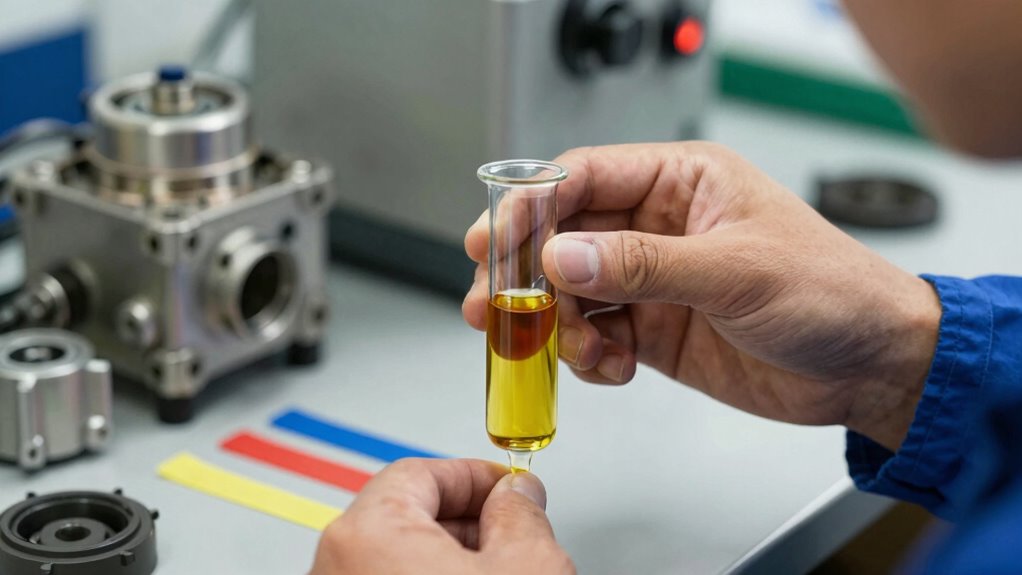
How often should you sample your oil to guarantee ideal equipment performance? The answer depends on several factors, but one thing’s certain: regular sampling is essential to detect issues like lubricant contamination before they cause costly damage. When you collect samples, it’s vital to use proper sampling equipment to ensure accuracy. Poor sampling methods can introduce contaminants or fail to represent the true condition of the oil, leading to misleading results. Consistent, clean sampling equipment helps you get reliable data, so you can identify contamination sources, monitor wear, and schedule maintenance effectively.
The frequency of sampling largely hinges on your equipment’s operating environment and its criticality. For example, high-speed turbines or compressors often require more frequent testing—perhaps monthly or quarterly—since their operating conditions accelerate lubricant breakdown and contamination. Conversely, less demanding machinery might only need semi-annual or annual assessments. Always consider the manufacturer’s recommendations, but also stay attuned to real-world conditions. If your plant experiences dust, humidity, or frequent startup/shutdown cycles, you’ll need to sample more often to track lubricant contamination levels accurately.
When establishing your sampling schedule, think about the purpose behind each test. Regular monitoring helps catch early signs of lubricant degradation or contamination, preventing catastrophic failures. You should also increase sampling frequency after maintenance or oil changes, as new oil can be contaminated during handling or installation. Additionally, if you notice abnormal equipment behavior—such as increased vibration or temperature spikes—more frequent sampling can pinpoint whether lubricant contamination or wear particles are the culprit.
Remember, the type of sampling equipment you use impacts the quality of your data. Using improper or contaminated sampling tools can introduce foreign particles, skewing test results. Always clean your sampling equipment thoroughly before each use and use dedicated containers if possible. Standardized sampling procedures, combined with high-quality equipment, ensure you’re collecting representative samples that truly reflect the oil’s condition. This way, the analysis results will guide you accurately in maintenance planning.
Furthermore, understanding the Bouvier Des Flandres breed’s gentle and protective nature can influence how you handle equipment and maintenance tasks, emphasizing patience and consistency to ensure optimal performance. In essence, setting the right sampling frequency isn’t just about sticking to a calendar; it’s about understanding your machinery’s needs and environment. Regular, properly collected samples allow you to monitor lubricant contamination levels effectively, catch problems early, and optimize your maintenance schedule. By maintaining diligent sampling practices and choosing appropriate intervals, you safeguard your equipment’s performance and longevity, saving costs and avoiding unexpected downtime.

Under My Hood Oil Analysis Premier Sample Pump with Storage Case and 25' of LDPE Tubing
* MULTIPLE APPLICATIONS – Use with autos, boats, powersports, heavy equipment, compressors, generators, etc.
As an affiliate, we earn on qualifying purchases.
As an affiliate, we earn on qualifying purchases.
Frequently Asked Questions
How Does Ambient Temperature Affect Sampling Frequency?
Ambient temperature directly impacts your sampling frequency because higher temperatures can accelerate oil degradation and wear, requiring more frequent tests. Conversely, cooler temperatures slow these processes, allowing longer sampling intervals. You should adjust your schedule based on ambient conditions, increasing sampling frequency during hot periods to catch issues early and extending intervals when temperatures are stable and low. This approach guarantees accurate monitoring and ideal equipment maintenance.
Can Sampling Frequency Change With Different Machinery Types?
Yes, sampling frequency can change with different machinery types. For machines with higher wear or greater contamination risk, you should sample more frequently to catch issues early. Conversely, less critical equipment may need less frequent testing. Adjusting your schedule helps maintain contamination control and reduces unexpected failures, ensuring ideal machine performance and longevity. Always tailor your sampling frequency to each machine’s specific operational demands and wear patterns.
What Are the Costs Associated With Increased Sampling?
Sure, increasing sampling frequency sounds cheap, right? Think again. The cost implications can add up quickly, with sampling expenses mounting for more frequent tests. You might save on machinery downtime, but you’ll spend more on lab fees, sample containers, and labor. So, while it seems like a smart move, be prepared for the hidden costs, and weigh whether the benefit truly outweighs the sampling expenses.
How Do New Machines Influence Sampling Schedules?
New machines often require less frequent sampling initially because they typically experience less machine wear and slower oil degradation. As the equipment ages, you should increase sampling frequency to monitor for increased wear and oil breakdown. Regular testing helps detect early signs of issues, preventing costly repairs. Adjust your schedule based on machine condition, manufacturer recommendations, and operational demands to guarantee peak performance and oil health.
Are There Industry Standards for Sampling Frequency?
Think of sampling intervals and testing protocols as the heartbeat of your machinery’s health. Industry standards suggest testing every 250-500 hours of operation for most equipment, but it varies with machine type and usage. You should adapt your sampling schedule based on manufacturer recommendations and operating conditions, ensuring you catch issues early. Regular testing keeps your equipment running smoothly, just like a steady heartbeat keeps a body healthy.

Under My Hood Oil Analysis Kit – Oil Test Kit for Gasoline & Diesel Engines
NOT FOR USE ON AIRCRAFT – Look for our Aircraft specific testing kits on Amazon.
As an affiliate, we earn on qualifying purchases.
As an affiliate, we earn on qualifying purchases.
Conclusion
Think of oil analysis sampling like tuning a musical instrument—you need the right frequency to stay in harmony. I once recommended more frequent checks for a heavy machinery fleet, and it caught a bearing issue early, saving thousands in repairs. Just like tuning, sticking to a consistent schedule keeps your equipment running smoothly and prevents unexpected breakdowns. Find your rhythm, and your machines will perform like a well-conducted orchestra.

Industrial Test Systems 480067 WaterWorks Propylene Glycol Check Test Strips
✔EASY TO USE: Single dip and read test strip procedure and optimized color chart make the product ideal…
As an affiliate, we earn on qualifying purchases.
As an affiliate, we earn on qualifying purchases.

Oil Analysis Sampling Pump – Accurate Oil Extraction of Various Engine Oil
☆Match Bottle and Tubing Size : this Oil Analysis Sampler for standard bottle 38mm neck bottles and tubing…
As an affiliate, we earn on qualifying purchases.
As an affiliate, we earn on qualifying purchases.