
To set oil analysis alarm limits without guessing, start by collecting multiple samples over time to understand normal variations. Use statistical methods like calculating averages and standard deviations to establish realistic thresholds. Factor in operating conditions and monitor trends to refine limits accurately. Employ reliable equipment and verify consistent sampling procedures. Regularly review and adjust these limits based on new data to maintain reliability. Keep going to discover key tips for creating data-driven, effective alarm thresholds.
Key Takeaways
- Collect multiple oil samples over time to establish accurate baseline data and understand normal variability.
- Apply statistical analysis, such as calculating mean, standard deviation, and confidence intervals, to set realistic alarm thresholds.
- Correlate oil properties with operating conditions to ensure limits reflect actual equipment behavior.
- Regularly review and update limits based on new data, trends, and equipment aging.
- Use automated sampling and digital tools for consistent data collection and data-driven alarm limit setting.

Oil Analysis Premier Kit by Under My Hood with return postage included
NOT FOR USE ON AIRCRAFT!
As an affiliate, we earn on qualifying purchases.
As an affiliate, we earn on qualifying purchases.
Why Accurate Oil Analysis Alarm Limits Matter for Maintenance
Accurate oil analysis alarm limits are crucial because they directly impact maintenance decisions and equipment reliability. When these limits are set correctly, you can detect early signs of oil contamination that may harm components or cause failures. Additionally, monitoring additive depletion helps you understand when the oil’s protective properties are diminishing, preventing costly damage. If alarm limits are too high or too low, you risk missing critical issues or triggering false alarms, leading to unnecessary maintenance or overlooked problems. Properly established limits ensure you respond promptly to real threats, maintaining ideal performance and extending equipment lifespan. Fundamentally, precise alarm limits empower you to make informed decisions, avoid unplanned downtime, and optimize maintenance schedules. Establishing proper filter sizing and flow rates can also enhance the accuracy of oil analysis readings, further supporting effective monitoring. Incorporating accurate sampling procedures is essential to obtain reliable data, which in turn ensures alarm thresholds are meaningful and effective. Moreover, understanding test methods and their limitations helps refine alarm settings and improve overall diagnostic accuracy. Recognizing the importance of test method accuracy can lead to better calibration and fewer false positives or negatives. Additionally, employing consistent sampling practices reduces variability in results, enhancing the reliability of alarm thresholds.

Under My Hood Oil Analysis Premier Sample Pump with Storage Case and 25' of LDPE Tubing
* MULTIPLE APPLICATIONS – Use with autos, boats, powersports, heavy equipment, compressors, generators, etc.
As an affiliate, we earn on qualifying purchases.
As an affiliate, we earn on qualifying purchases.
Getting to Know Your Oil Data and Operating Conditions
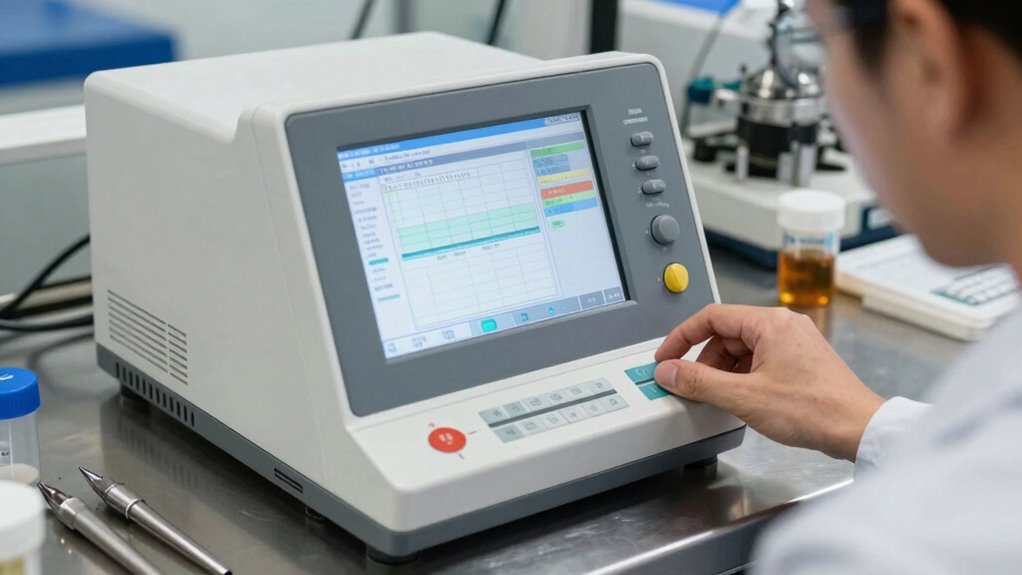
Getting to Know Your Oil Data and Operating Conditions. Monitoring oil properties helps identify changes that could signal issues, while tracking operating conditions provides context for those changes. Regular analysis of oil condition can reveal early warning signs of wear or contamination, allowing for proactive maintenance. Understanding oil analysis alarm limits ensures that you can respond appropriately before problems escalate. Properly setting alarm thresholds based on historical data helps prevent false alarms and missed detections. Incorporating traditional Indonesian decor masks into your space can also serve as a visual reminder of the importance of harmony and balance in maintenance practices. Additionally, analyzing oil sample data in relation to operating parameters can improve the accuracy of alarm limit settings and overall maintenance strategies.
Analyzing Oil Properties
Understanding your oil data and operating conditions is essential for effective oil analysis. You need to examine oil viscosity to determine if it’s within the proper range for your equipment. Changes in viscosity can indicate thickening or thinning due to contamination or thermal breakdown. Additionally, evaluating additive levels helps you understand the oil’s remaining protective properties. Low additive levels may signal the oil’s diminished ability to combat wear, corrosion, or oxidation. By analyzing these properties, you gain insight into the oil’s health and whether it’s suitable for continued use. Recognizing the significance of oil property trends allows for more accurate alarm limit settings. This knowledge enables you to set precise alarm limits by recognizing normal variations versus concerning deviations, ensuring your equipment stays protected without unnecessary maintenance. Being aware of oil condition indicators helps you interpret data more effectively and anticipate potential issues before they escalate. Furthermore, staying informed about monitoring techniques can improve your ability to detect early signs of oil degradation. In addition, understanding equipment operating conditions can help you correlate oil data with real-world factors, leading to better maintenance decisions. Incorporating a comprehensive oil analysis approach can further enhance your predictive maintenance strategies, ultimately reducing downtime and extending equipment life.
Monitoring Operating Conditions
Monitoring your operating conditions provides critical context for interpreting oil data effectively. By tracking parameters like temperature, load, and vibration, you gain insights into how your equipment operates, which directly impacts lubrication optimization. Understanding these conditions helps you distinguish between normal wear and issues caused by contamination or other factors. Contamination control is essential, as dirt, water, and debris can skew oil analysis results and accelerate component wear. Regularly reviewing operating data enables you to identify trends and anomalies, ensuring your alarm limits are set accurately. This proactive approach allows you to address problems early, optimize lubrication routines, and extend equipment life. Additionally, maintaining a clean environment minimizes contamination risks that can compromise analysis accuracy. Ultimately, monitoring operating conditions empowers you to make informed decisions, preventing failures and maintaining reliable equipment performance.

Engine Oil Tester Gasoline & Diesel Engine Oil Quality Tester Analyzer Detector High-precision Car Engine Oil Diagnostic Tool with 50inch Flexible Probe,Identifier&Sound Prompt,2.8in Backlight Display
【Why You Need Engine Oil Tester】Engine oil tester can help you check your engine oil regularly to ensure…
As an affiliate, we earn on qualifying purchases.
As an affiliate, we earn on qualifying purchases.
Analyzing Trends to Set Reliable Alarm Thresholds

Analyzing trends to set reliable alarm thresholds requires a clear understanding of media literacy principles to interpret the data accurately and avoid false alarms. Developing skills in critical thinking can further enhance your ability to distinguish between meaningful patterns and random fluctuations, ensuring more dependable alarm settings. Additionally, understanding statistical analysis techniques can help you identify significant deviations and refine your alarm criteria effectively. Recognizing behavioral patterns within the data is also essential for setting appropriate thresholds that reflect real-world conditions. Incorporating contextual awareness into your analysis can improve the accuracy of alarms by considering external factors influencing the data.
Trend Identification Techniques
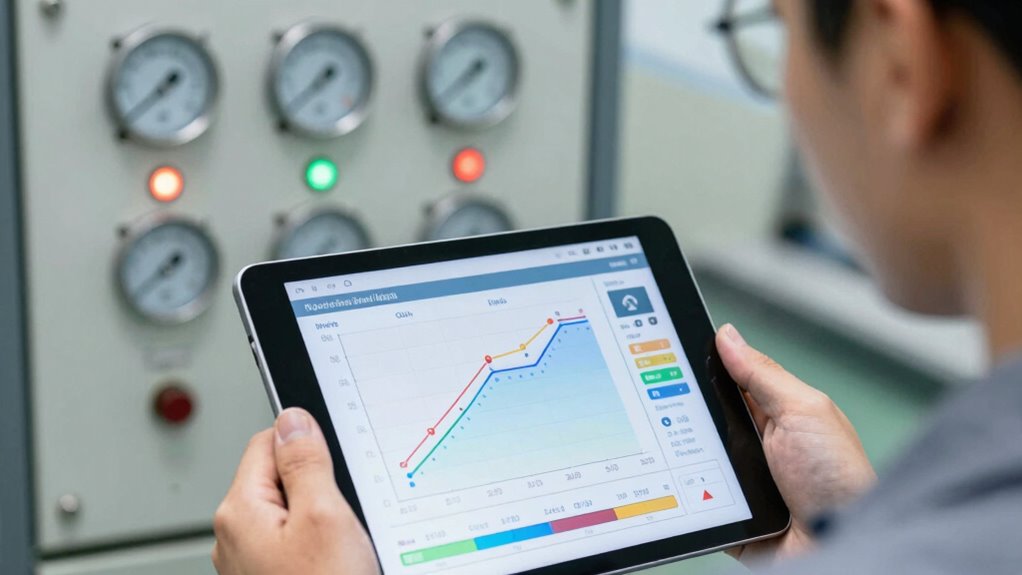
Identifying meaningful trends in oil analysis data is essential for setting accurate alarm thresholds. You should look for consistent patterns over time, such as rising metal levels or increasing contamination signals. Techniques include spectral analysis to detect changes in oil composition, which can reveal wear or contamination issues early. Monitoring the rate of change helps identify abnormal spikes before they become critical. Visual tools like control charts assist in spotting deviations and establishing baseline behaviors. Pay attention to contamination detection data—sudden increases suggest ingress or dirt. Regularly reviewing these patterns enables you to differentiate between normal fluctuations and genuine problems. By focusing on these trend identification techniques, you ensure that your alarm limits are based on solid, real-world data, reducing false alarms and missed issues.
Historical Data Analysis
Analyzing historical oil analysis data helps you establish reliable alarm thresholds based on real-world performance patterns. By reviewing multiple oil samples over time, you can identify consistent data trends that indicate normal operating conditions. This approach reveals fluctuations and anomalies, enabling you to differentiate between normal variations and potential issues. Tracking these data trends allows you to set alarm limits that reflect actual equipment behavior, rather than arbitrary values. When you understand the natural range of your oil sample results, you reduce false alarms and improve early detection of problems. Regular analysis of historical data ensures your alarm thresholds remain accurate as equipment ages or operating conditions change, providing a solid foundation for effective lubrication management.

Oil Pressure Tester Tool, Oil Pressure Gauge kit, 0-140 PSI Pressure Test Diagnostic Tools, Engine Oil Pressure Tester Tool kit, for car Truck (Blue)
Exquisite design: Oil Pressure Tester Tool have dual display pressure gauge head, clear scale, easy to clean, and…
As an affiliate, we earn on qualifying purchases.
As an affiliate, we earn on qualifying purchases.
Applying Statistical Methods to Determine Precise Limits
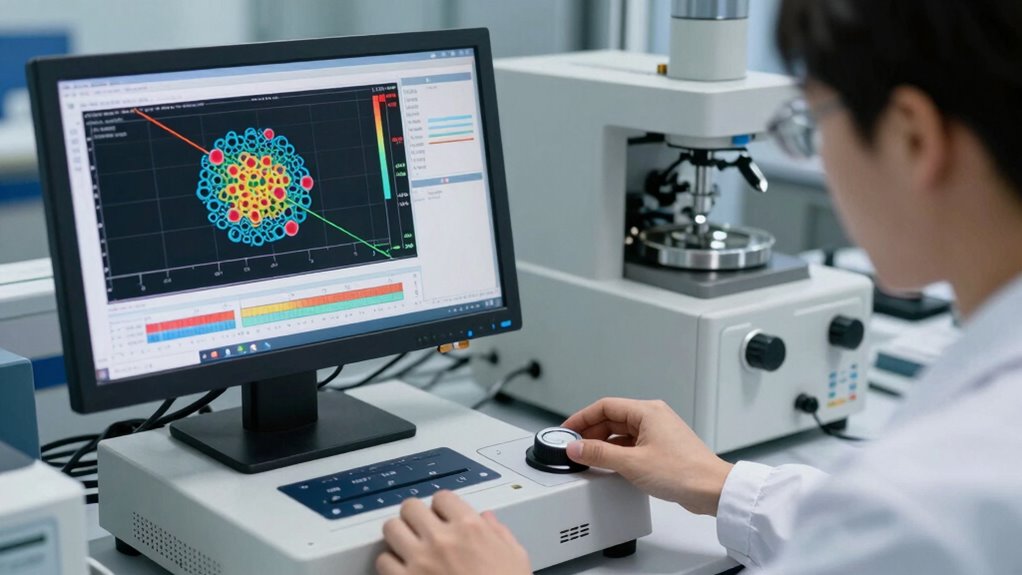
Applying statistical methods allows you to establish oil analysis alarm limits that accurately reflect the normal operating conditions of your equipment. By conducting statistical analysis on your oil sample data, you can identify typical parameter ranges and reduce false alarms. For example, understanding cryptid sightings can help differentiate between normal anomalies and genuine issues in your data patterns. Additionally, recognizing the contrast ratio in your analysis can aid in distinguishing between normal fluctuations and potential problems. Imagine:
- Collecting multiple oil samples over time to understand variability
- Calculating mean and standard deviation for key parameters
- Using confidence intervals to set realistic thresholds
- Identifying outliers that skew your data
- Adjusting limits based on the distribution pattern of your samples
- Implementing robust statistical analysis techniques to account for anomalies and improve accuracy
This approach ensures your alarm limits are rooted in actual data rather than guesswork. It makes your monitoring more reliable, helping you catch genuine issues without unnecessary shutdowns or inspections.
Validating and Adjusting Alarm Limits Over Time
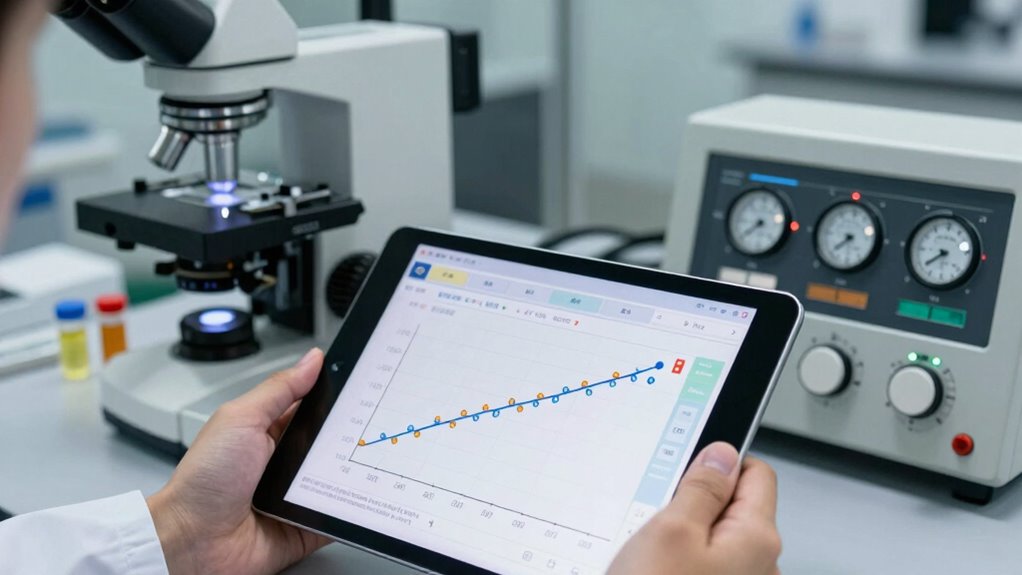
Once you’ve established initial alarm limits based on sound statistical analysis, it’s important to regularly validate and adjust them as your equipment operates over time. Oil sample variability can cause fluctuations, so continuous monitoring helps guarantee your limits remain accurate. If you notice consistent deviations, it may indicate the need to recalibrate your sensors, as sensor calibration drift can impact measurement accuracy. Regular validation involves comparing recent sample data against established limits and observing trends. Adjustments should be made cautiously, aiming to account for normal variability without losing sensitivity to genuine issues. Over time, this process helps maintain reliable alarm triggers, reducing false alarms and missed detections. Consistent review and calibration are key to keeping your oil analysis program precise and effective.
Common Mistakes When Setting Oil Analysis Alarm Limits
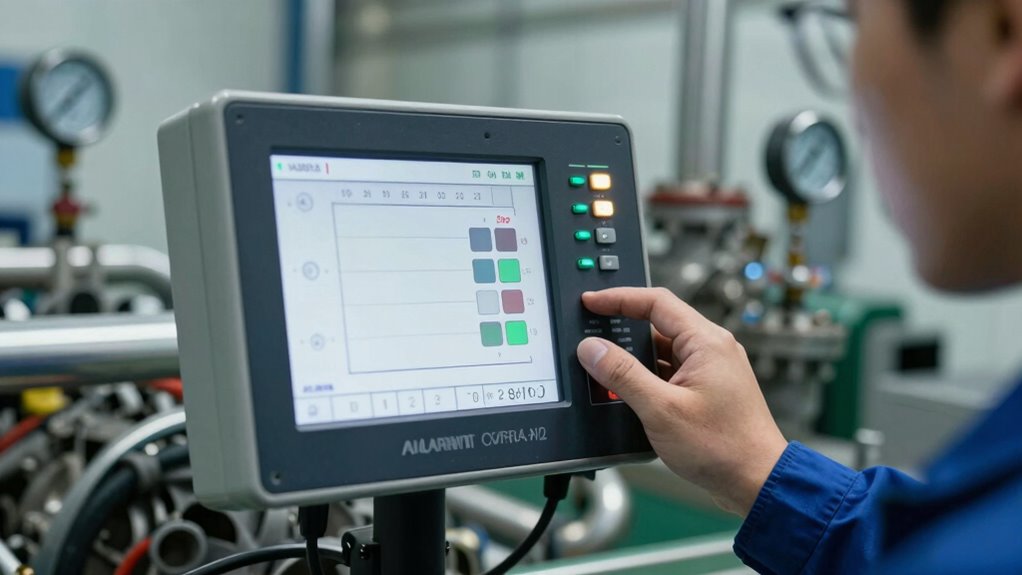
Setting oil analysis alarm limits can seem straightforward, but many common mistakes can compromise your program’s effectiveness. One mistake is ignoring lubricant chemistry, which affects how oils degrade and what indicators are meaningful. Relying solely on manufacturing standards without considering your specific equipment can lead to false alarms or missed issues. Setting limits too tight might cause unnecessary shutdowns, while too loose limits risk missing critical problems. Failing to review limits regularly prevents adapting to changes in oil condition. Finally, neglecting historical data hampers accurate trend analysis.
Be aware of these pitfalls:
- Overlooking lubricant chemistry’s impact on test results
- Applying generic standards instead of tailored limits
- Setting overly strict or lenient thresholds
- Failing to adjust limits over time
- Ignoring historical trends for informed decision-making
Using Technology to Manage Oil Monitoring Limits
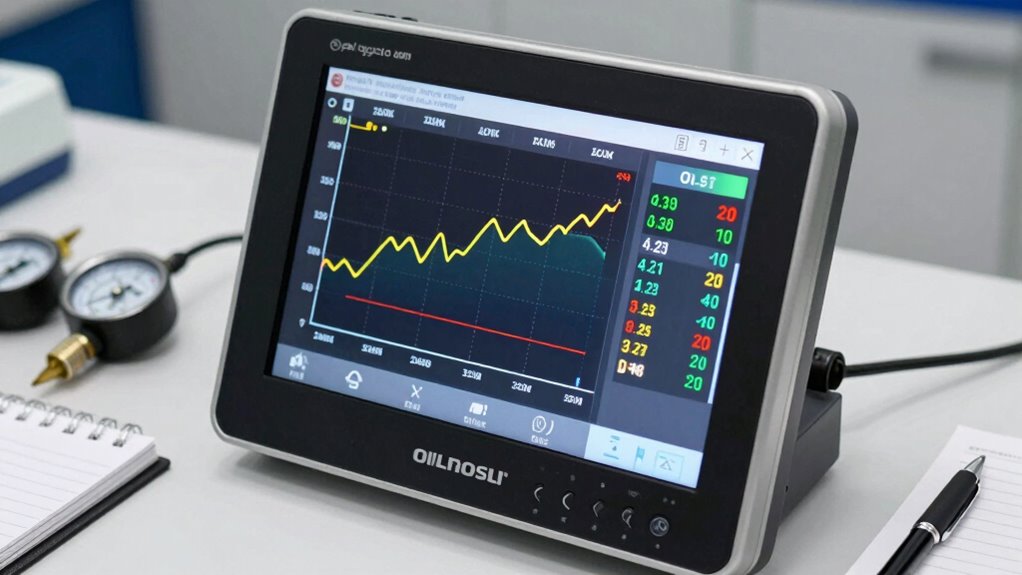
Leveraging advanced technology is essential for effectively managing oil monitoring limits in today’s industry. Automated systems streamline oil sampling, ensuring samples are taken consistently and accurately, reducing human error. Real-time sensor data allows you to monitor lubricant conditions continuously, providing instant insights into wear metals, contaminants, and additive levels. Proper sensor calibration is vital; it guarantees the data you collect is precise and reliable, enabling more accurate alarm settings. These technologies also facilitate trend analysis, helping you identify potential issues before they escalate. By integrating digital tools into your oil monitoring process, you can establish data-driven alarm limits, minimizing guesswork. This approach improves maintenance scheduling, extends equipment life, and reduces downtime—making your oil management more efficient and effective.
Tips for Maintaining Data-Driven Alarm Settings
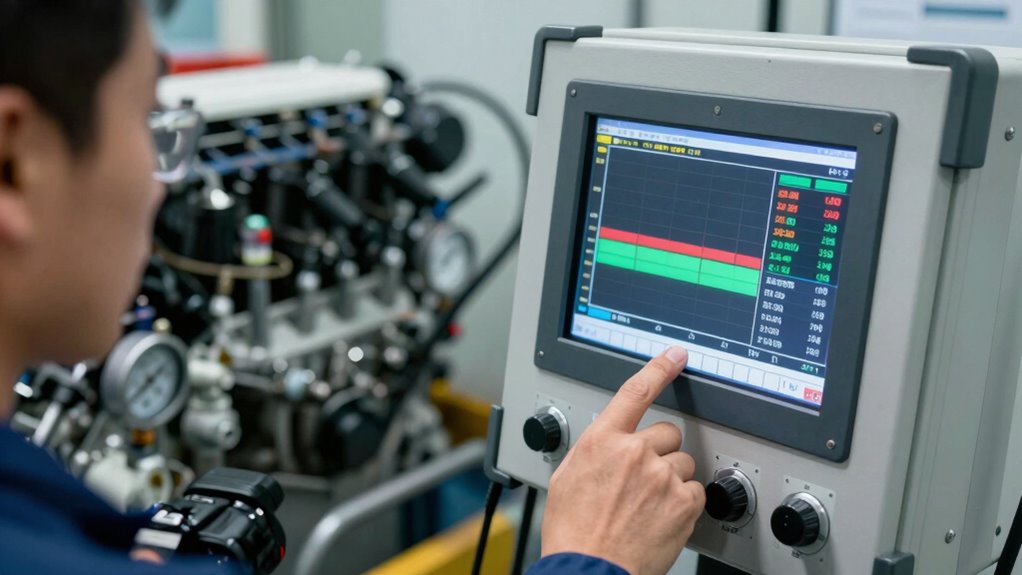
Maintaining your data-driven alarm settings requires ongoing attention to guarantee they remain accurate and effective. Regularly review oil analysis data to identify trends like oil contamination or additive depletion, which can affect alarm thresholds. Adjust your limits based on recent findings to prevent false alarms or missed issues. Keep a close eye on changes that signal early signs of wear or contamination. Document all adjustments to track their impact over time. Consistently calibrate your sensors and testing methods for precision. Educate your team to recognize when data suggests the need for updates. Regular maintenance and review ensure your alarm system adapts to evolving conditions, maintaining reliability and protecting your equipment.
- Monitor for sudden spikes in oil contamination or additive depletion
- Adjust limits based on recent oil analysis trends
- Validate sensor calibration periodically
- Record all changes and reasoning behind them
- Stay proactive with regular reviews
Frequently Asked Questions
How Often Should Oil Analysis Alarm Limits Be Reviewed and Updated?
You should review and update oil analysis alarm limits regularly, ideally during maintenance scheduling or after significant equipment changes. Data trend analysis helps you identify shifts in oil condition, so keep an eye on these trends monthly or quarterly. Frequent reviews ensure alarms remain accurate, preventing false alerts or missed issues. Adjust limits based on evolving data to maintain ideal equipment performance and avoid unnecessary downtime.
Can Environmental Factors Affect the Accuracy of Oil Analysis Alarms?
Environmental factors can indeed affect the accuracy of oil analysis alarms. Contamination detection becomes more challenging if dust, humidity, or temperature fluctuations interfere with sensor calibration. You should regularly monitor these conditions and perform sensor calibration to guarantee alarm limits remain reliable. By controlling environmental variables and maintaining proper calibration, you can improve detection accuracy and prevent false alarms or missed contamination events.
What Role Does Machine Age Play in Setting Alarm Thresholds?
Imagine your machine as a seasoned athlete, its age influencing performance. As it ages, components wear, making it vital to adjust threshold calibration carefully. You should lower alarm limits gradually to reflect increased wear and guarantee early detection of issues. Machine aging plays a pivotal role in setting alarm thresholds, as older equipment may produce different wear debris patterns, demanding tailored limits to maintain ideal monitoring without false alarms.
How Do Different Oil Types Impact Alarm Limit Determination?
You need to ensure oil viscosity and additive compatibility when setting alarm limits, as different oil types behave uniquely. Thicker oils with higher viscosity may mask contamination, requiring higher thresholds. Conversely, oils with specific additives might show early wear or contamination signs, so your limits should reflect their unique chemistry. Adjust alarm thresholds based on these factors to ensure accurate detection without false alarms, optimizing equipment protection and maintenance.
Are There Industry Standards for Oil Analysis Alarm Limit Settings?
Yes, industry standards guide oil analysis alarm limit settings, especially for oil contamination detection. You should follow established guidelines from organizations like ASTM or ISO, which recommend sensor calibration procedures to guarantee accuracy. Regular calibration helps you set precise alarm limits, reducing false alarms or missed contamination. By adhering to these standards, you ensure reliable monitoring, enabling timely maintenance before equipment damage occurs.
Conclusion
By setting oil analysis alarm limits accurately, you’re anchoring your maintenance efforts in solid data rather than guesswork. Think of these limits as the heartbeat of your equipment—when they’re right, everything runs smoothly; when they’re off, trouble lurks. Keep refining your thresholds with trend analysis and technology, and you’ll prevent costly surprises. Remember, in oil analysis, precision isn’t just a number—it’s the shield that keeps your machinery healthy and your operations unstoppable.