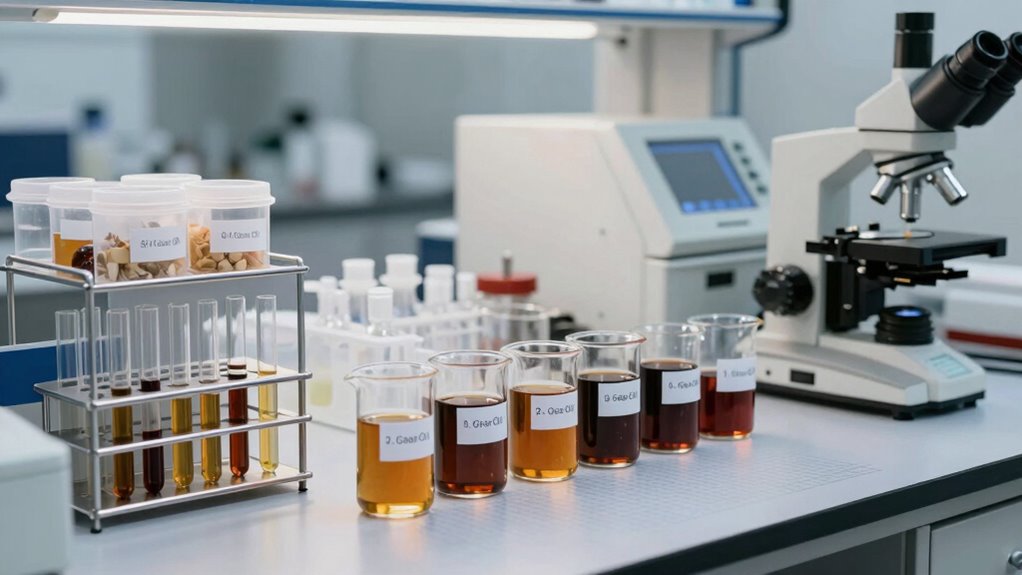
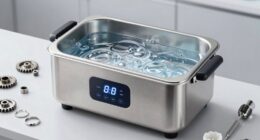
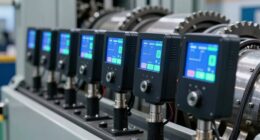
Investigating evidence at GearOil Lab relies on strict standards that ensure accurate classification—discover how these protocols shape forensic results.
Browsing Category
Lab Methods & Standards
19 posts
Uncertainty 101: How to Report Results Without Overclaiming
Knowledge of proper reporting techniques reveals how to communicate uncertainty effectively and avoid overclaiming—discover the key strategies that can transform your results.
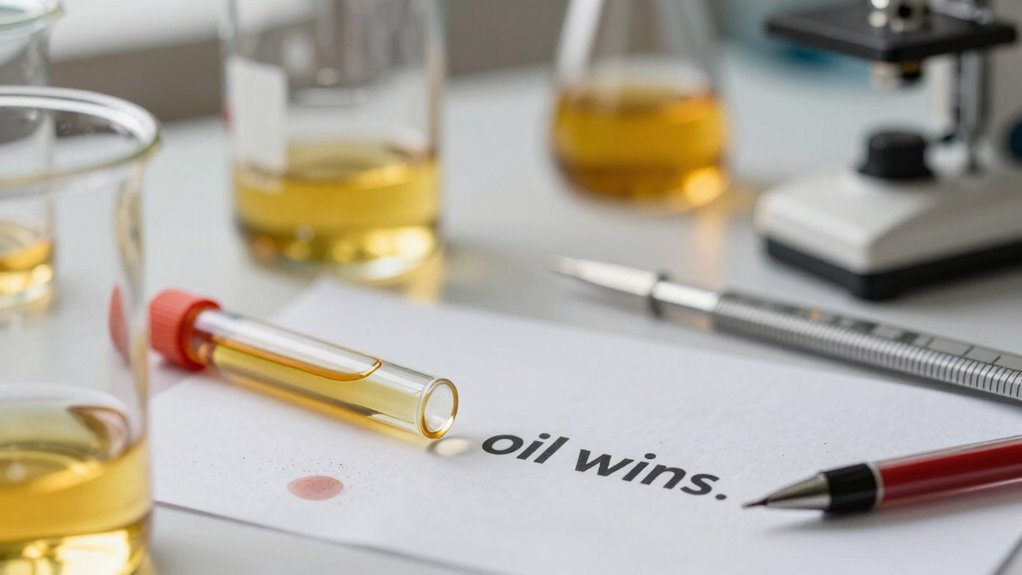
The Confounders Checklist: How to Avoid Fake “Oil Wins”
When navigating oil market signals, uncover hidden confounders to avoid fake wins—discover how to build your own confounders checklist now.
How to Write a Repeatable Field Test Plan (Without Lab Equipment)
Aiming to create a reliable field test plan without lab tools involves key strategies—discover how to ensure your tests are consistent and effective.
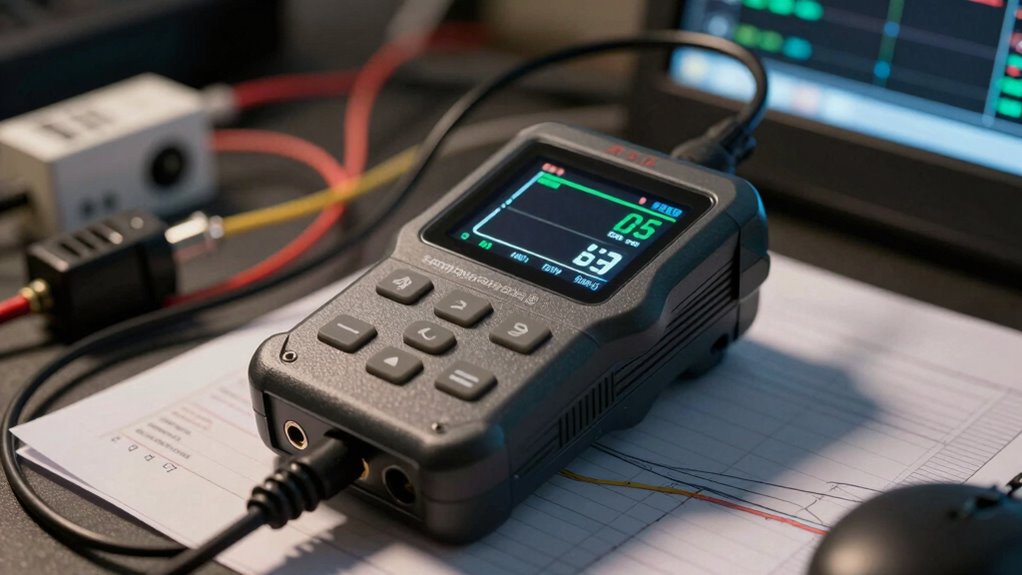
Data Logging Sampling Rate: The Setting That Changes Conclusions
Meta description: “Maximize your data accuracy by mastering sampling rates—discover how this crucial setting can alter your conclusions and why it matters.
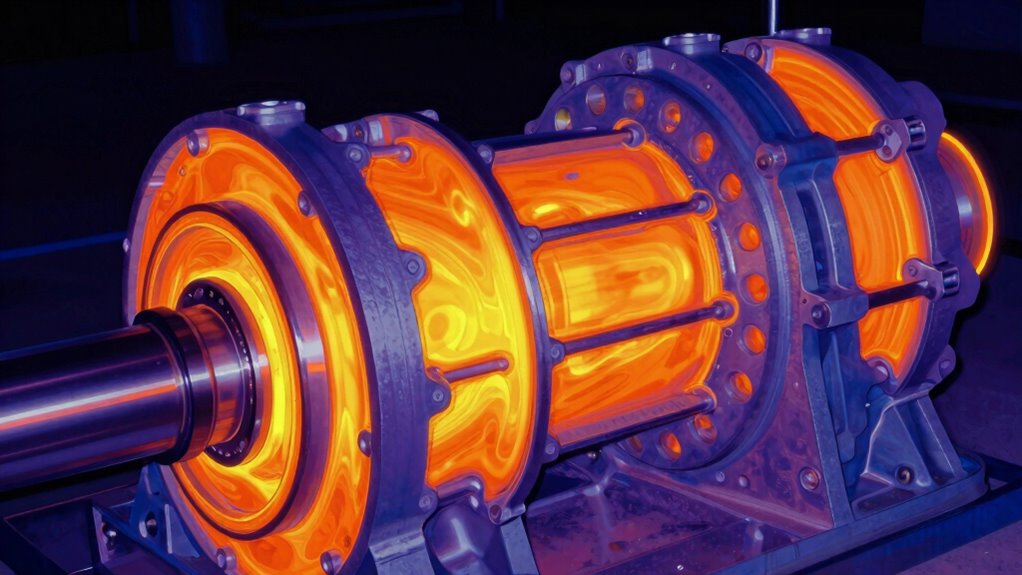
Thermal Imaging Basics: How to Interpret Gearbox Hot Spots
Aiming to master thermal imaging, learn how to interpret gearbox hot spots to identify early faults and prevent costly failures.
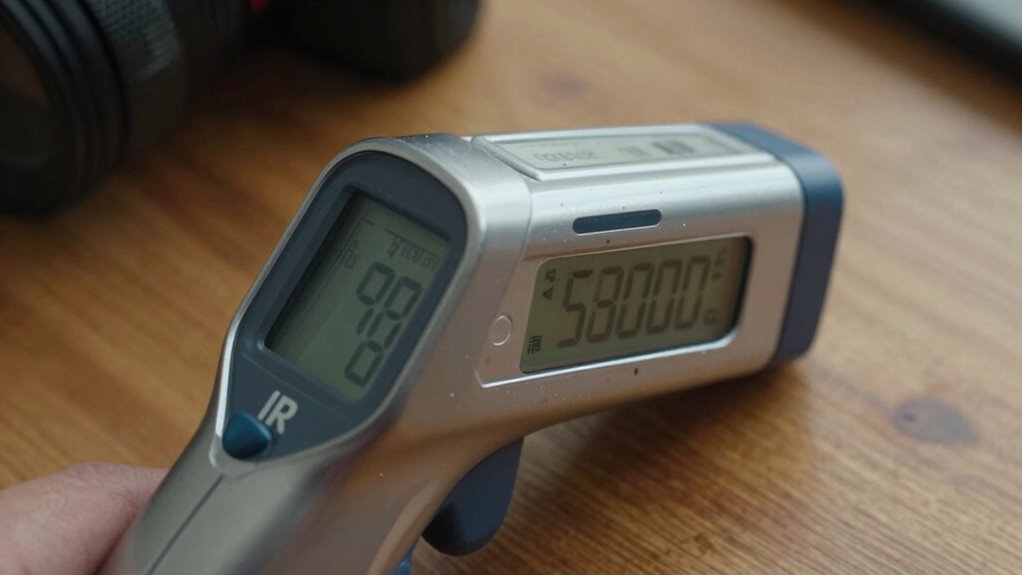
IR Thermometer Emissivity: Why Your Readings Look Random
Surface emissivity variations cause inconsistent IR thermometer readings, but understanding how to adjust settings can improve your accuracy and reliability.
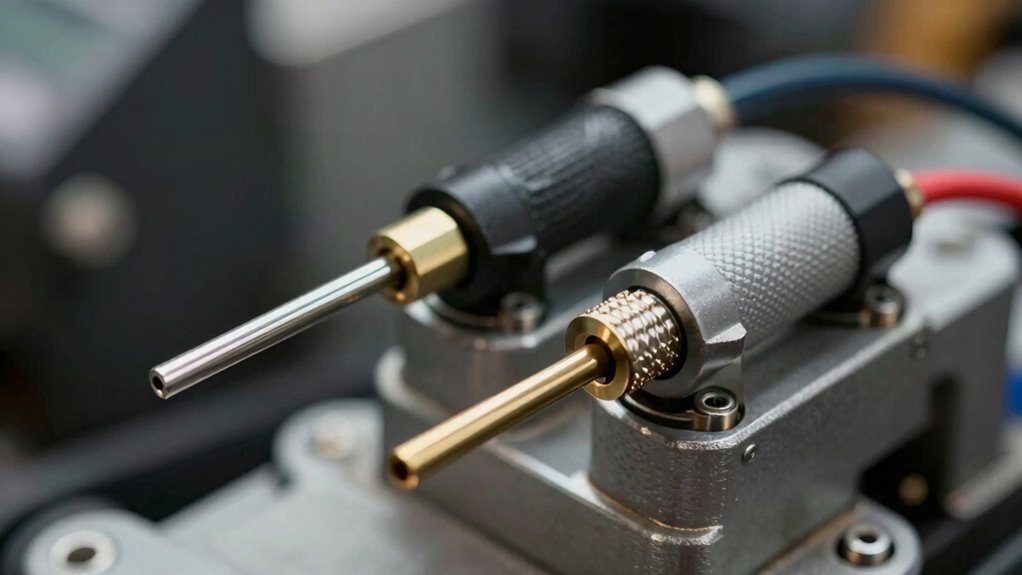
Thermocouples vs RTDs: What’s Better for Driveline Logging?
Understanding whether thermocouples or RTDs suit driveline logging depends on factors like temperature range and response needs; discover which is better for your application.
Temperature Sensor Placement: The Spot That Prevents Bad Data
Sensor placement is crucial to prevent bad data, ensuring accurate readings by avoiding heat sources, drafts, and interference—discover how to optimize your setup.