A magnetic drain plug can help your manual transmission by catching ferrous metal particles, reducing debris circulation, and supporting transmission health. It’s beneficial if you notice metal shavings or rough shifting, as it helps prevent internal wear. However, it’s not a cure-all—proper installation and regular maintenance are essential. If you want to understand when and how to use one effectively, keep exploring the details below.
Key Takeaways
- Magnetic drain plugs can trap ferrous metal particles, reducing debris circulation in manual transmission fluid.
- They may help detect internal wear early by collecting metal shavings during routine inspections.
- Effectiveness depends on proper installation and compatibility with the specific manual transmission model.
- They are a cost-effective supplement to regular maintenance but are not a standalone solution.
- Regular fluid changes and inspections are essential for optimal transmission health, even with magnetic plugs.

M12 x 1.25 Magnetic Oil Drain Plug, Magnetic Stainless Steel Oil Pan Drain Nut Bolt with 5 PCS Copper Crush Washer Anti Leakage, Universal Leak-proof Replacement,Fits Most Cars, Motorcycles, Boats
HIGH QUALITY MATERIAL: Magnetic oil drain plugs are made of high quality strong stainless steel aluminum and powerful…
As an affiliate, we earn on qualifying purchases.
As an affiliate, we earn on qualifying purchases.
Do Magnetic Drain Plugs Help Manual Transmissions?
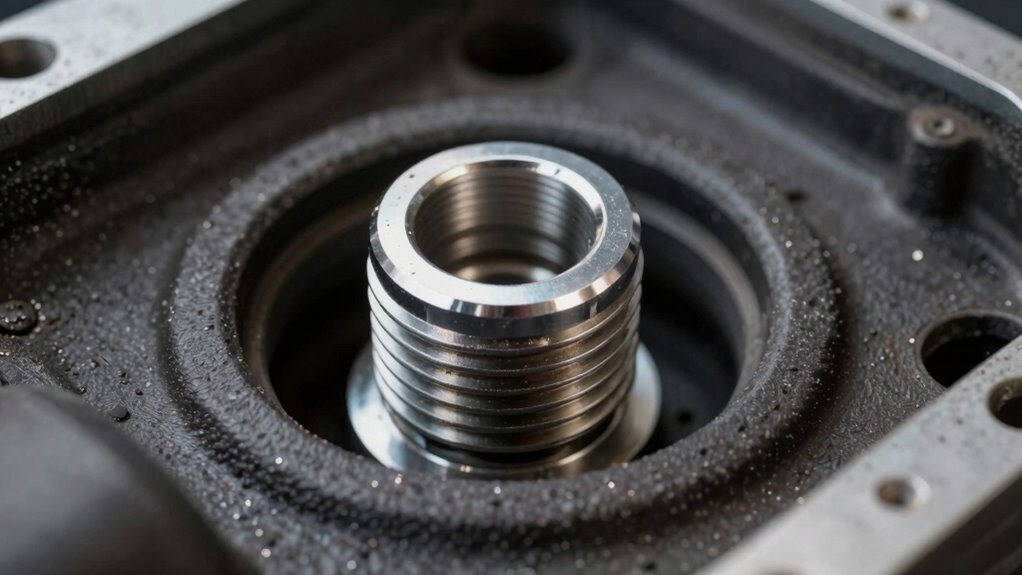
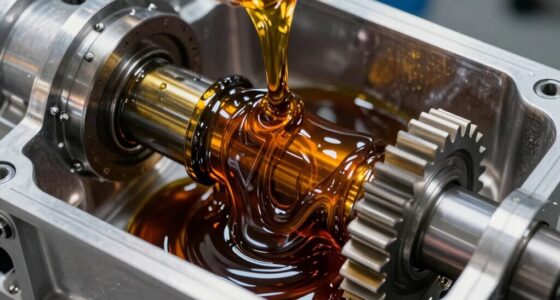
Magnetic drain plugs can offer several benefits for manual transmissions by capturing metal particles that circulate with the lubricant. This process uses magnetic attraction to draw metal shavings and debris away from critical transmission components. By trapping these particles, the plug helps reduce fluid contamination, which can otherwise cause increased wear and damage over time. When metal fragments are removed from the lubricant, it maintains cleaner fluid circulation, improving overall transmission health. This metal debris removal process can be especially beneficial in preventing the buildup of harmful particles that accelerate component wear. Additionally, using a magnetic drain plug can be a cost-effective way to protect your transmission from premature failure and costly repairs. While magnetic drain plugs don’t eliminate all contamination, they considerably help control the accumulation of metal debris, making them a practical addition for maintaining your manual transmission’s performance and longevity. Incorporating magnetic technology into your maintenance routine can further enhance the benefits of these plugs. Regular inspections and replacements of the drain plug can also ensure optimal contamination control and extend the lifespan of your transmission.

Dorman 090-178CD Magnetic Transmission Drain plug Compatible with Select Acura/Honda Models
Direct replacement – this transmission drain plug matches the dimensions and function of the factory hardware on specified…
As an affiliate, we earn on qualifying purchases.
As an affiliate, we earn on qualifying purchases.
What Are the Benefits of Using a Magnetic Drain Plug?
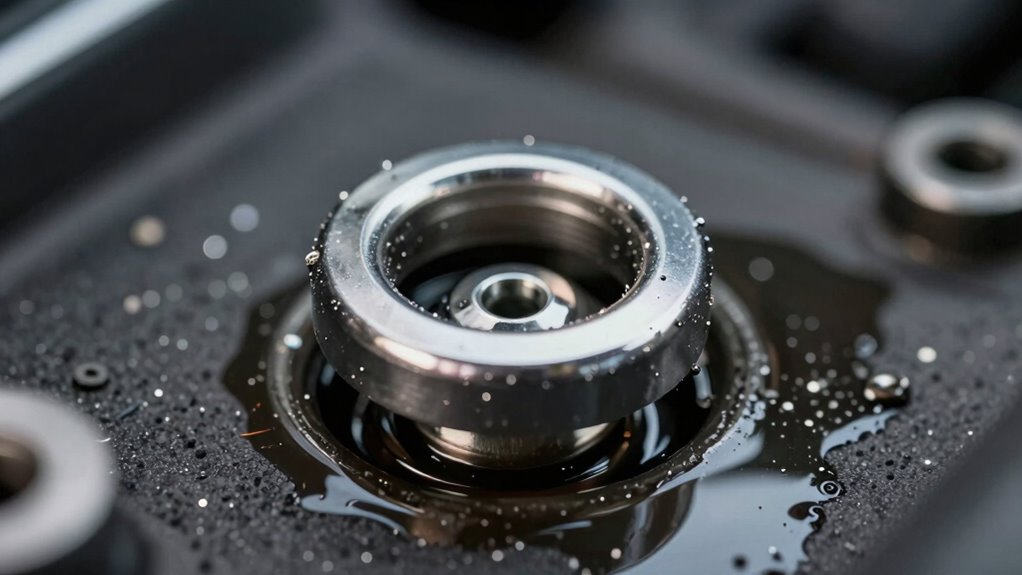
Using a magnetic drain plug offers several key advantages for your manual transmission. It helps keep gear lubrication ideal by attracting and trapping metal particles that result from normal wear. This reduces fluid contamination, preventing debris from circulating through your transmission and causing damage. Additionally, a magnetic drain plug makes it easier to monitor the condition of your transmission components, as accumulated particles can indicate issues early on. Regularly inspecting these particles can provide insights into transmission wear and tear. You’ll benefit from cleaner fluid, which enhances overall performance and longevity. Plus, magnetic plugs can extend the lifespan of your transmission by minimizing wear on gears and bearings. Incorporating proper maintenance techniques can further optimize your transmission’s health. Overall, they provide a simple, effective way to protect your transmission and maintain smooth operation.

ACDelco Gold TF289 (25174487) Automatic Transmission Fluid Filter Kit
Felt filter media helps deliver high-filtration efficiency and excellent fluid flow
As an affiliate, we earn on qualifying purchases.
As an affiliate, we earn on qualifying purchases.
Are There Risks or Downsides to Magnetic Drain Plugs?
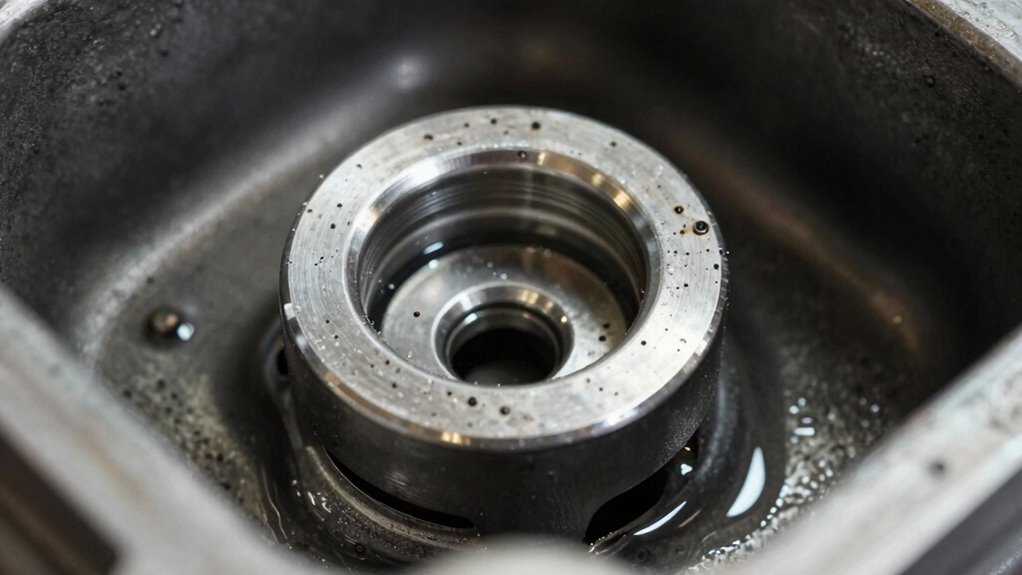
While magnetic drain plugs offer many benefits, there are some potential risks to contemplate. One concern is relevant safety, as improper installation could lead to leaks or damage. Additionally, installation challenges may arise if the plug isn’t compatible with your transmission or if it’s installed incorrectly, risking fluid leaks or contamination. Another downside is that magnetic plugs can attract dirt or debris over time, which might clog filters or reduce effectiveness. Regular maintenance is necessary to avoid buildup. Be aware that some plugs may loosen if not properly secured, increasing the risk of transmission issues. Proper installation techniques are essential to ensure the magnetic drain plug functions as intended and to prevent possible complications. It’s also important to consider manufacturer recommendations to ensure compatibility and safety. Here’s a quick overview:
| Risk/Downside | Explanation |
|---|---|
| Installation challenges | Compatibility issues or improper setup |
| Safety concerns | Leaks or damage if installed incorrectly |
| Debris accumulation | Dirt buildup reducing effectiveness |
| Loosening over time | Increased risk of fluid leaks or contamination |
Additionally, proper maintenance practices are essential to ensure the magnetic drain plug continues to function effectively over time.

VOTEX – Made in USA – Stainless Steel (External Head) Automatic Transmission Neodymium Magnetic Oil Drain Plug fits Buick/Cadillac/Chevrolet/GMC/Hummer/Pontiac – Part Number 8654382/444613
EASY TO INSTALL – Simple installation with a 7/16" wrench. The magnet is easy to clean; simply wipe…
As an affiliate, we earn on qualifying purchases.
As an affiliate, we earn on qualifying purchases.
How Can You Tell If Your Transmission Needs Metal Filtration?
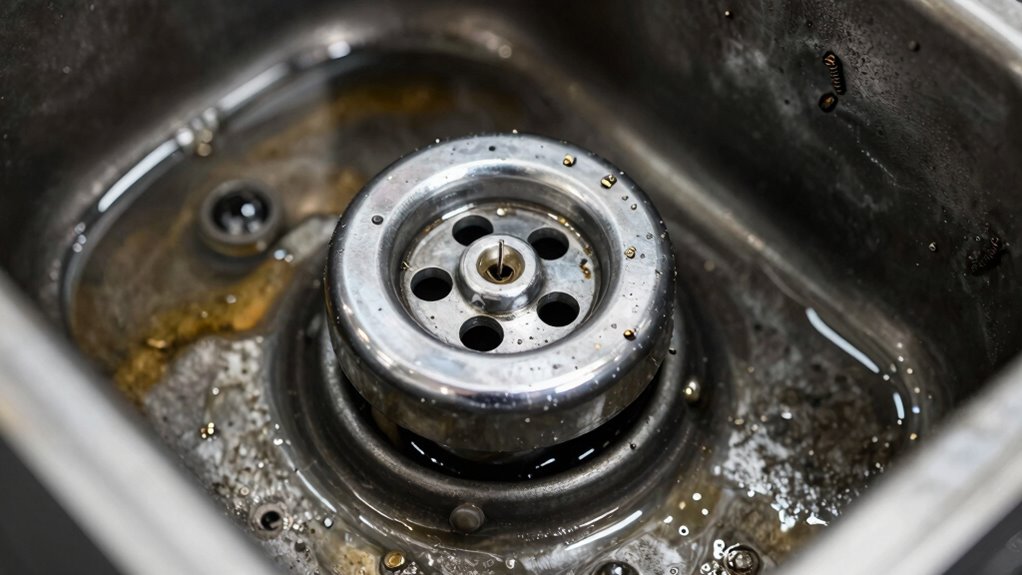
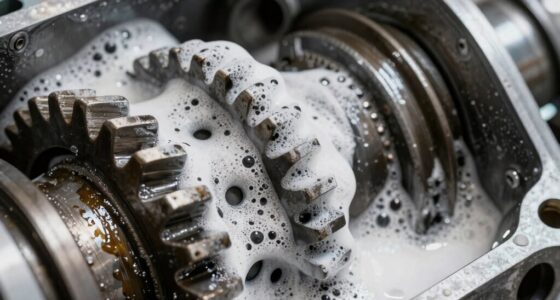
Over time, metal particles can accumulate in your transmission fluid, signaling potential issues that may require filtration. To determine if your transmission needs metal filtration, consider performing an oil analysis. This test checks for metal particles and other contaminants, revealing internal wear. Additionally, some vehicles are equipped with metal particle filtration systems that can help prevent debris buildup. Also, watch for symptoms like unusual noises, rough shifting, or slipping gears, which could indicate metal debris buildup. Regularly inspecting your fluid’s color and consistency can help too; dark, gritty fluid signals contamination. Keep an eye on transmission performance and schedule testing if you notice any of these signs. Using oil analysis results, you can decide whether metal filtration is necessary to prevent further damage and maintain smooth operation. Additionally, understanding metal particle accumulation can help you take proactive measures to extend the lifespan of your transmission. Recognizing transmission fluid condition is crucial for early detection and effective maintenance, preventing costly repairs down the line. Being aware of transmission fluid health can further assist in timely interventions and optimal transmission care. Early detection helps avoid costly repairs down the line, especially when combined with proper maintenance and transmission fluid care.
When Should You Consider Other Transmission Maintenance Options?
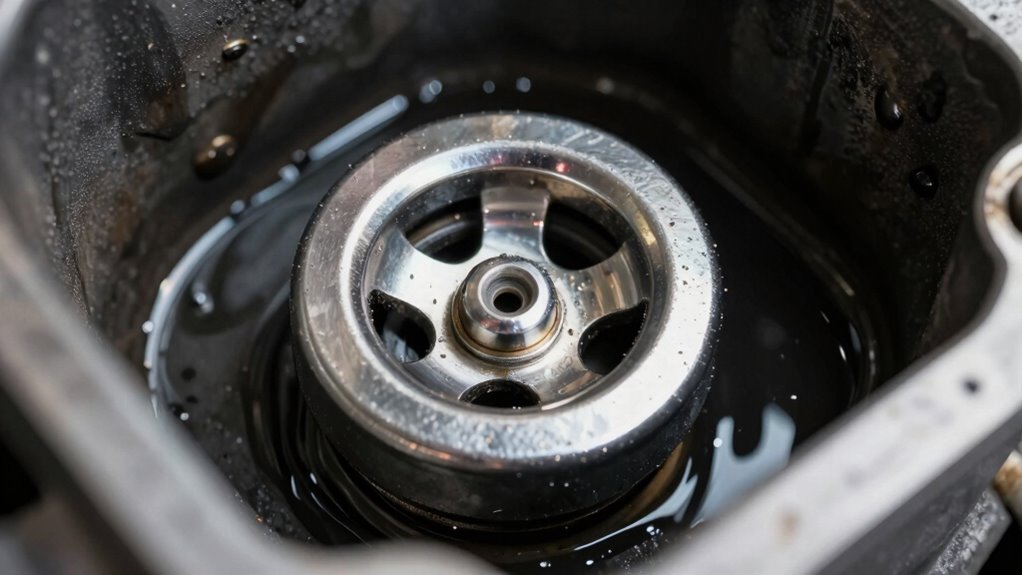
If you notice persistent transmission problems or unusual noises, it might be time to explore other maintenance options. Consider how often you’re servicing your transmission and what costs are involved, especially if issues keep recurring. You should also evaluate alternative protective measures that could better safeguard your transmission in the long run. Exploring transmission protection techniques can inspire you to create sustainable solutions for vehicle maintenance and care.
Signs of Transmission Issues
Recognizing the signs of transmission issues early can save you from costly repairs and breakdowns. Pay attention to symptoms like difficulty shifting gears, unusual noises, or slipping gears. Changes in clutch wear can cause the clutch to feel less responsive or slip unexpectedly. Inspect fluid color regularly; dark or dirty fluid indicates contamination or degradation. You might also notice a burning smell or delayed engagement when shifting. Other signs include a transmission that hesitates or sticks, and a burning smell from the transmission area. Staying alert to these indicators helps you decide when to seek professional help or perform maintenance. Proper fluid maintenance and ensuring clean, well-conditioned transmission fluid can significantly impact performance. Regularly checking for transmission fluid leaks can prevent further damage and help maintain optimal operation. Additionally, transmission fluid quality plays a crucial role in overall transmission health. Addressing issues promptly can prevent further damage and extend your transmission’s lifespan. Incorporating routine inspections into your vehicle care can also aid in early detection of potential problems.
Maintenance Frequency and Cost
Regular maintenance of your manual transmission guarantees it stays in good shape and avoids costly repairs. Typically, you should follow recommended oil change intervals, which vary depending on your vehicle and driving conditions, often between 30,000 to 60,000 miles. Using the correct transmission fluid types is essential for peak performance and longevity. If you notice frequent shifts issues, unusual noises, or if the fluid appears dark or gritty during inspections, it’s time to think about more frequent maintenance or alternative options. Keeping up with regular fluid changes helps prevent wear and tear, reducing long-term costs. When maintenance becomes more expensive or complicated, consulting a professional for a thorough check might save you money and extend your transmission’s lifespan. Additionally, considering Free Floating systems like magnetic drain plugs can sometimes assist in maintaining cleaner transmission fluid, which is part of a comprehensive approach to transmission health.
Alternative Protective Measures
When you notice signs like persistent shifting problems, unusual noises, or increasingly dark and gritty transmission fluid, it’s time to contemplate other maintenance options beyond routine fluid changes. Improving lubricant additives can help restore transmission fluid quality, reducing wear and tear. Consider using high-quality transmission fluids designed for your vehicle, which can enhance protection and performance. If issues persist, inspecting and replacing worn or damaged parts may be necessary. Regularly checking fluid condition and considering professional flushes can prevent more serious problems. Remember, relying solely on a magnetic drain plug isn’t always enough; proactive measures ensure smoother shifting and longer transmission life. Proper maintenance practices are essential for maintaining optimal transmission function and avoiding costly repairs.
How to Install and Maintain a Magnetic Drain Plug Properly
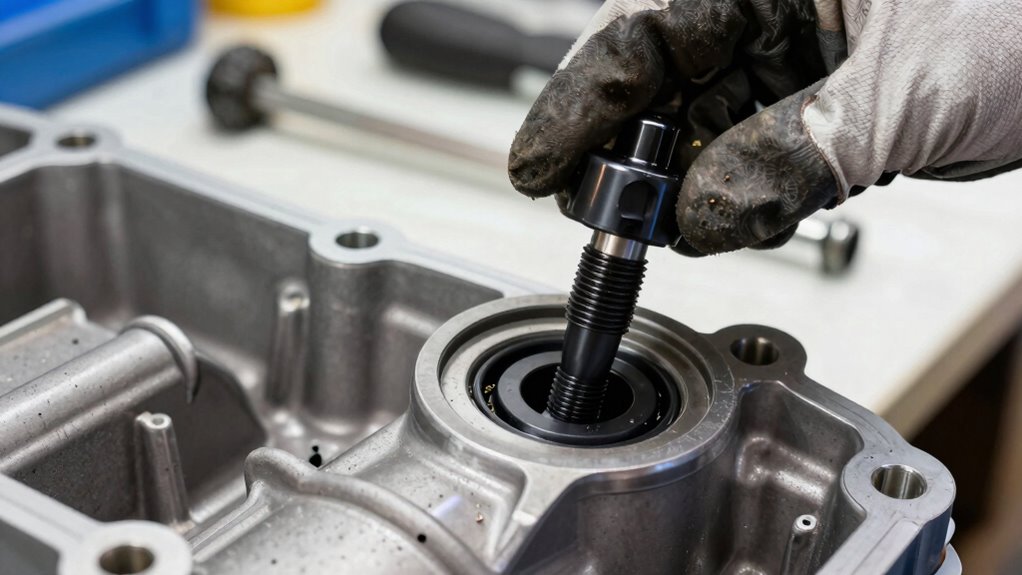
Installing and maintaining a magnetic drain plug properly guarantees ideal performance and longevity of your manual transmission. During an oil change, ensure you select the right tools, such as a socket wrench and a drain pan, for efficiency. First, drain the old fluid, then clean the plug and inspect it for damage. Replace the magnetic drain plug securely to prevent leaks and ensure magnetic strength. Use the table below to help you with tool selection and installation tips:
| Tool Needed | Purpose | Tips |
|---|---|---|
| Socket wrench | Remove and tighten plug | Use correctly sized socket |
| Drain pan | Catch old fluid | Place beneath drain plug |
| Clean cloth | Wipe plug | Remove debris and ferrous particles |
| Replacement gasket | Seal drain plug | Replace if worn |
Proper installation ensures magnetic particles are captured, extending transmission life.
Final Tips: Is a Magnetic Drain Plug Worth It for Your Manual Transmission?
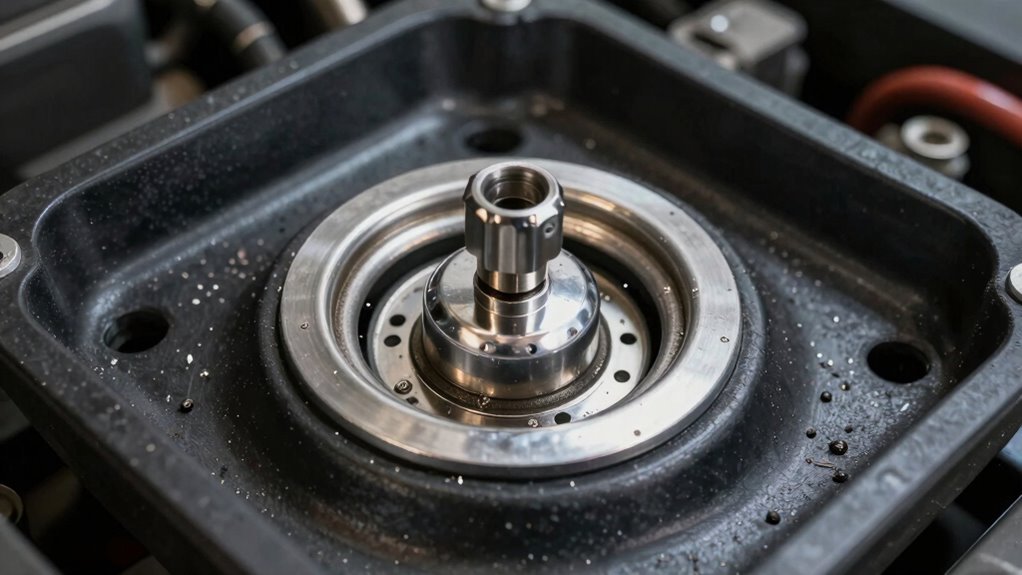
Before deciding if a magnetic drain plug is worth it, consider the cost versus the potential benefits for your transmission. Make sure your vehicle’s transmission is compatible, as not all models are suitable for this upgrade. Weighing these factors will help you determine if the investment is right for your manual transmission.
Cost Versus Benefit
Are magnetic drain plugs a worthwhile investment for your manual transmission? To decide, consider the cost analysis versus the benefit comparison. Magnetic plugs are usually inexpensive, but their value depends on your driving habits and transmission condition. They can catch metal particles, potentially extending transmission life and reducing repair costs. However, they’re not a cure-all and won’t replace regular maintenance.
Think about these factors:
- Initial cost versus potential savings on repairs
- Ease of installation and maintenance
- Long-term durability and effectiveness
- Compatibility with your transmission type
If your transmission experiences heavy use or metal debris buildup, the benefits may outweigh the modest cost. For casual drivers, it might not be a necessary upgrade.
Transmission Compatibility
Ensuring your magnetic drain plug is compatible with your manual transmission is essential before making a purchase. Not all plugs fit every transmission type, so check your vehicle’s specifications first. An incompatible plug might interfere with gear shifting or clutch performance, causing unnecessary issues. Some transmissions have specific drain plug designs or sizes that require matching parts to avoid leaks or damage. Additionally, consider the magnetic field’s strength and placement to guarantee it effectively captures metal debris without affecting transmission operation. If you’re unsure, consult your vehicle’s manual or a professional mechanic. Proper compatibility guarantees that the magnetic drain plug enhances your transmission’s health without compromising smooth gear shifting or clutch performance, making it a worthwhile investment.
Frequently Asked Questions
Do Magnetic Drain Plugs Improve Manual Transmission Longevity?
Yes, magnetic drain plugs can improve your manual transmission’s longevity. They attract metal particles from transmission fluid, which helps keep oil viscosity ideal and prevents damage to gears and bearings. Regularly checking and cleaning these plugs ensures you remove debris that could cause wear over time. Using a magnetic drain plug is a simple way to help maintain clean transmission fluid and extend the life of your manual transmission.
Are Magnetic Drain Plugs Compatible With All Manual Transmission Types?
A magnetic drain plug is like a magnet for metal shavings, but it’s not compatible with all manual transmissions. You need to verify if your transmission fluid and drain plug have matching magnetic properties. Some manual transmissions require specific plugs, while others don’t benefit from magnetic features. Always consult your vehicle’s manual or a mechanic to ensure the magnetic drain plug fits your transmission type and won’t cause issues.
How Often Should Magnetic Drain Plugs Be Cleaned or Replaced?
You should check and clean your magnetic drain plug during every maintenance interval, typically every 30,000 to 50,000 miles, or as recommended by your vehicle’s manual. Regular maintenance frequency guarantees effective contamination removal, preventing metal debris buildup that can damage your transmission. Replace the magnetic drain plug if it becomes damaged or excessively worn, but generally, cleaning it during fluid changes is sufficient to keep your transmission running smoothly.
Can Magnetic Drain Plugs Prevent Transmission Failure?
Magnetic drain plugs can help prevent transmission failure by capturing metal debris, which makes up about 60% of transmission issues. The magnetic field attracts these particles, reducing wear on gears and bearings. While they don’t guarantee prevention, a drain plug with a magnet considerably lowers the risk of damage caused by metal shavings, helping you maintain smoother operation and potentially extending your transmission’s lifespan.
Are There Specific Brands Recommended for Magnetic Drain Plugs?
You should consider trusted brands like Moroso, Flextool, or GM Genuine Parts for magnetic drain plugs. When comparing magnetic vs. traditional drain plugs, these brands offer durable, reliable options that help catch metal shavings and debris. While some prefer traditional plugs for simplicity, investing in reputable magnetic brands can enhance protection and longevity of your manual transmission, making them a smart choice for proactive maintenance.
Conclusion
So, while a magnetic drain plug might catch some metal shavings and give you peace of mind, don’t expect it to turn your manual transmission into a trouble-free wonder. Ironically, it’s a small fix for a big problem—like using a band-aid on a broken bone. Keep up with regular maintenance, and remember, sometimes the best protection is just paying attention to how your transmission feels. After all, prevention beats catching metal shavings too late.