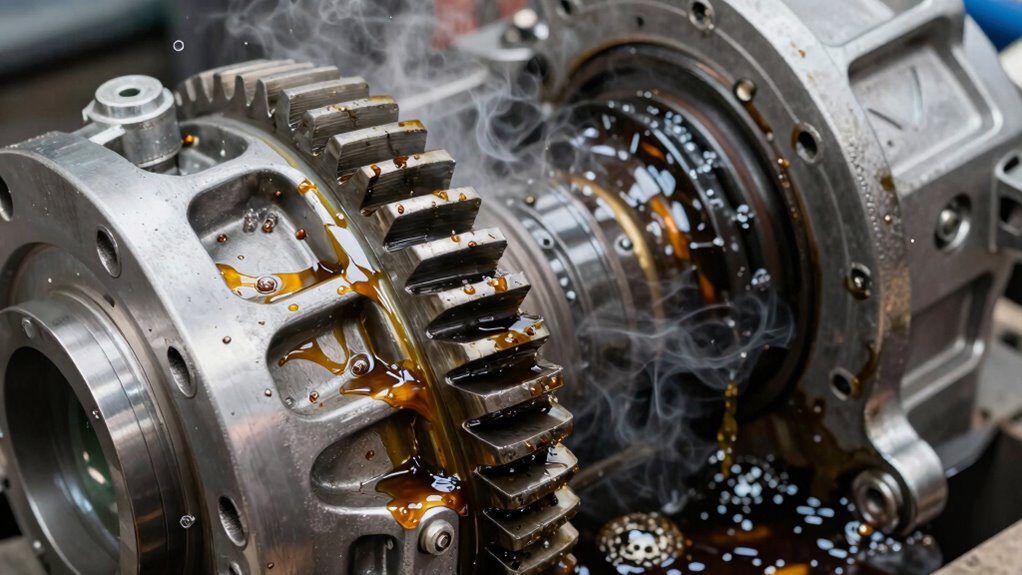

Overfilling a gearbox causes heat and aeration by disrupting proper lubrication flow. Excess lubricant increases friction and creates turbulence, which raises the temperature and wears down gears faster. It also traps air pockets that inhibit cooling and lubrication, leading to overheating and reduced efficiency. Signs like bubbling or noise may appear. If you keep an eye on these issues, you’ll discover more about preventing damage and maintaining smooth operation.
Key Takeaways
- Overfilling increases lubricant friction, generating excessive heat and thermal stress in the gearbox.
- Excess oil disrupts proper flow, impairing lubrication and causing localized overheating.
- Surplus lubricant traps air pockets, leading to aeration that reduces cooling efficiency.
- Thickened oil from overfilling hampers air bubbles’ escape, trapping air and decreasing lubrication.
- Aeration and heat buildup accelerate gear wear, damage seals, and shorten gearbox lifespan.

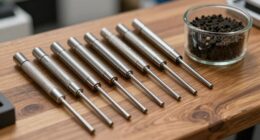
Transmission Fluid Tester Kit Gasoline & Diesel Gearbox Oil Diagnostic Tool High-Precision Diagnostic Analysis Tool with 31.5in Probe Transmittance/Temperature Testing, 2.8in Display (4 Batteries)
【WHY NEED IT】Our transmission fluid tester features an advanced optical probe that measures light transmittance within the transmission…
As an affiliate, we earn on qualifying purchases.
As an affiliate, we earn on qualifying purchases.
How Can You Tell If Your Gearbox Is Overfilled and Getting Hot?

If your gearbox is overfilled, it’s likely to get hot more quickly than normal. One way to tell is by checking the lubricant viscosity; when the gearbox overheats, the oil may thin out or become frothy, indicating excessive heat buildup. Also, look for signs of gearbox sealing issues, such as leaks or seepage around seals, which can be caused by overfilling. An overfilled gearbox often produces a burning smell or increased noise, both signs of overheating. Keep an eye on the temperature gauge if your system has one. If you notice these signs, it’s a good idea to check the oil level and verify it’s within the recommended range. Proper lubricant viscosity and secure gearbox sealing help prevent overheating caused by overfilling. Regular maintenance and understanding air quality considerations can also help prevent issues related to overheating and improper lubrication, especially since air quality can influence the effectiveness of the lubricant and the overall health of the system. Additionally, monitoring heat dissipation is essential for maintaining optimal gearbox performance and avoiding damage. Ensuring proper ventilation can assist in managing heat buildup effectively, as air circulation plays a crucial role in dissipating heat from mechanical components.

GlowShift Tinted 7 Color 260F Automatic Transmission Temp Gauge Kit – Includes 1/8-27 NPT Electronic Sensor & Wiring – Multi-Color Display – Black Dial – Smoked Lens – for Car & Truck – 2-1/16" 52mm
GlowShift Tinted 7 Color Series Transmission Temperature Gauge is Designed to Monitor & Display the Fluid Temperature Running…
As an affiliate, we earn on qualifying purchases.
As an affiliate, we earn on qualifying purchases.
How Does Overfilling Cause Excess Heat in Your Gearbox?
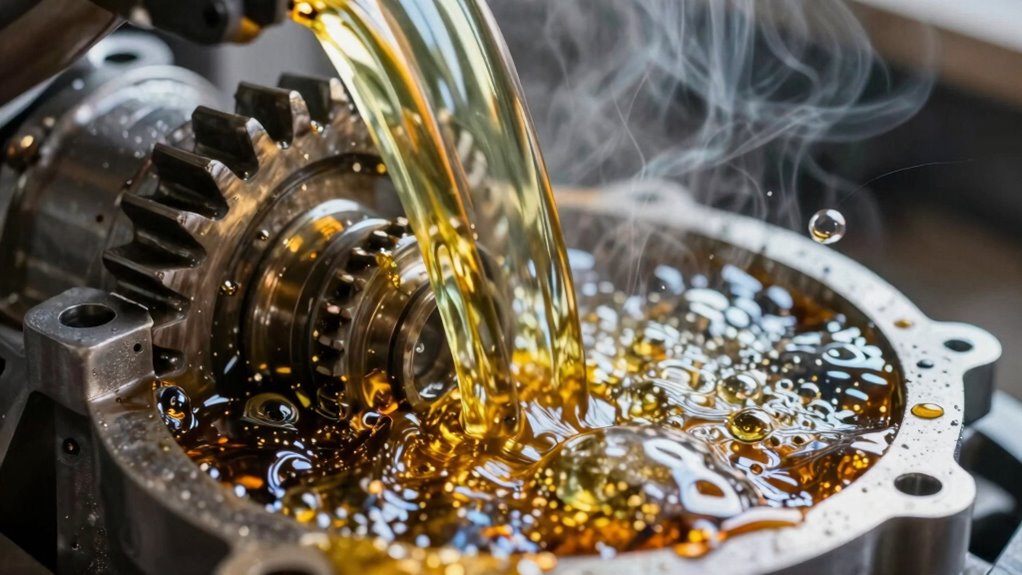
When you overfill your gearbox, the excess lubricant creates more friction between gears, leading to increased heat. This surplus lubricant can also block proper flow, causing poor lubrication and further elevating temperatures. As a result, your gearbox heats up faster and risks damage. Additionally, improper lubrication can cause overheating hazards, which are often overlooked but critical to gearbox safety. Overfilling can also lead to lubricant aeration, which introduces air into the lubricant and reduces its cooling efficiency. Moreover, lubricant viscosity changes due to overfilling can impair heat dissipation, which can also disrupt the lubrication system, further increasing the risk of overheating.
Increased Friction and Heat
Overfilling a gearbox leads to increased friction because excess lubricant creates unnecessary resistance between moving parts. When there’s too much lubricant, its viscosity can cause the gears to work harder, generating more heat. This additional resistance accelerates gear tooth wear, as the teeth experience more stress and friction during operation. The higher friction not only wears down components faster but also converts mechanical energy into heat, raising the gearbox temperature. Overfilled gearboxes hinder proper lubrication flow, causing uneven distribution and additional friction points. As the gears struggle against excess lubricant, they generate heat that can damage seals and bearings, further compounding the problem. Maintaining the correct lubricant level ensures minimal friction and helps prevent heat buildup caused by overfilling. Proper lubrication also plays a crucial role in reducing wear, and extending the lifespan of gearbox components. Additionally, proper maintenance ensures optimal performance and longevity of the gearbox components. Using the right amount of lubricant helps maintain the correct pressure within the gearbox, preventing issues related to overfilling. Proper lubrication also helps prevent the buildup of microplastics in dust, which can contaminate gear oil and reduce its effectiveness over time. Furthermore, maintaining appropriate lubrication levels supports the overall gearbox efficiency, reducing energy consumption and operational costs.
Poor Lubrication Flow
Excess lubricant from overfilling can disrupt the gearbox’s lubrication flow, preventing oil from reaching critical contact points efficiently. When there’s too much oil, its viscosity can increase, making it harder for the lubricant to circulate properly. This thicker oil may also cause churning, generating unnecessary heat. Additionally, overfilling can compromise the gearbox seals, leading to leaks or allowing contaminants to enter. Poor lubrication flow means friction isn’t reduced effectively, which raises operating temperatures. The combination of high viscosity and compromised seals results in uneven distribution of oil, causing hotspots that accelerate wear and heat buildup. To avoid these issues, it’s essential to maintain proper oil levels, ensuring ideal viscosity and seal integrity for smooth, cool operation.

ZF5HP19 5HP19 Automatic Transmission Oil Pump Compatible For BMW Gearbox Pump 1060410061 1060410017 1060210047
Our product operates quietly without any abnormal noise, eliminating the disturbance of oil pump working noise and providing…
As an affiliate, we earn on qualifying purchases.
As an affiliate, we earn on qualifying purchases.
How Does Overfilling Lead to Air Entrapment and Aeration?
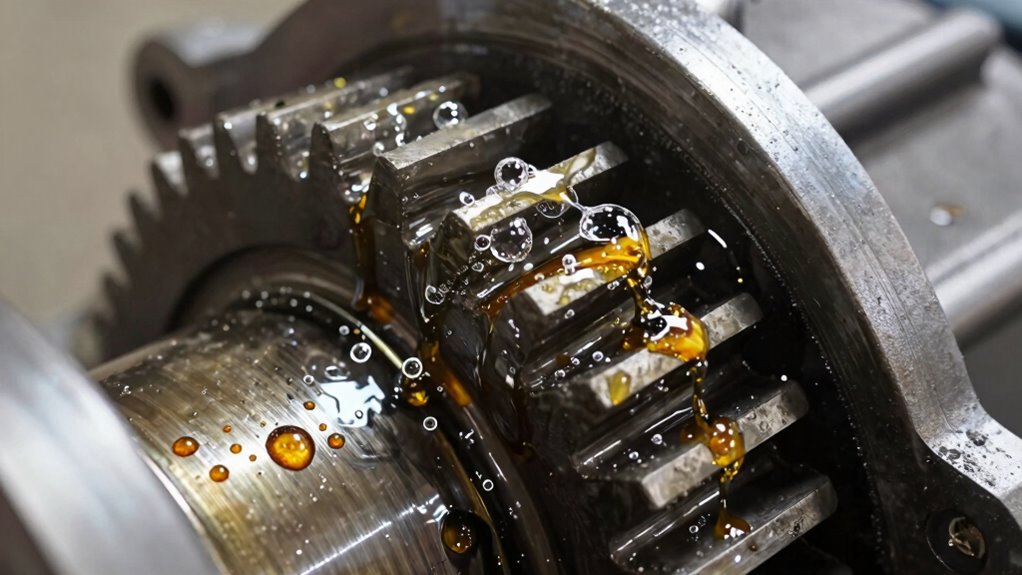
Filling a gearbox beyond its recommended level disrupts the natural flow of lubricant, causing trapped air pockets to form. When excess lubricant is added, it creates turbulence that pushes air upward, leading to aeration. High lubricant viscosity can worsen this by making it harder for air bubbles to escape, while compromised seal integrity allows air to enter more easily. As a result, air becomes trapped within the lubricant, reducing its ability to lubricate properly. Additionally, improper filling can cause air entrapment to become more persistent, further impairing gearbox performance. Proper filling techniques and understanding gearbox maintenance are essential to prevent these issues. Imagine:
Overfilling a gearbox traps air, leading to aeration and reduced lubrication efficiency.
- Bubbles rising and floating within the fluid
- Foam forming on the surface
- Sudden splashing during operation
- Uneven distribution of lubricant
- Increased noise and vibration
All these signs point to air entrapment caused by overfilling, which hampers gearbox efficiency. To minimize this problem, it is important to follow correct filling procedures carefully and avoid overfilling the gearbox. Ensuring the correct lubricant level can help prevent air from becoming trapped and maintain optimal gearbox performance.

The Lord of the Tools 1 Set Gearcase Input Seal Replaces Washing Machine Gearbox Shaft Compatible with Whirlpool 285352 AP3043580 W1011174 3360629 3360630 12.7×29.47×6.4/14.24×25.4×6.35mm
Compatible with Whirlpool washing machines 286106, 286108, 470681, 63387, AH 334494, EA334494, PS334494, 285352, AP3043580, etc.
As an affiliate, we earn on qualifying purchases.
As an affiliate, we earn on qualifying purchases.
How Excess Lubricant Causes Gearbox Churning and Heat
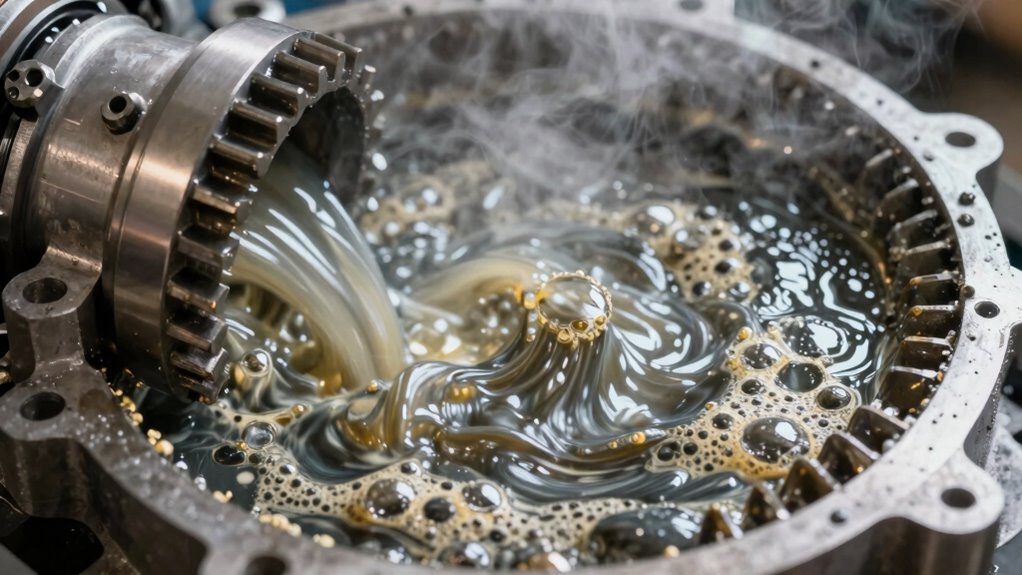
When too much lubricant is added to a gearbox, it can cause the gears to churn excessively. This churning increases friction and generates heat, risking damage to components. High lubricant viscosity traps more energy, making the oil resist flow and intensify churning. Additionally, overfilled gearboxes can compromise gearbox sealing, allowing lubricant to escape or mix with air, which worsens heat buildup. Proper lubricant levels guarantee smooth operation without unnecessary churning. Understanding Free Floating mechanisms helps prevent overfilling issues and maintain optimal gearbox performance. Moreover, awareness of gearbox maintenance best practices can help avoid these issues before they arise. Recognizing lubricant properties is essential for selecting the right type and amount of lubricant to prevent overheating and ensure longevity, especially considering how viscosity influences heat generation. Maintaining correct lubricant levels is crucial for efficient gear operation and minimizing heat production.
How Does Aeration Make Your Gearbox Lublication Less Effective?

Aeration occurs when air bubbles become trapped in the gearbox lubricant, disrupting its ability to protect and lubricate the moving parts effectively. When aeration happens, the lubrication viscosity drops, making it harder for the lubricant to form a protective film. This compromises gearbox sealing, allowing contaminants to enter and increasing wear. You might notice:
- Frothy, bubbly lubricant pooling around gears
- Reduced cushioning between moving parts
- Increased metal-to-metal contact
- Faster wear and tear on gear surfaces
- Overheating due to inefficient heat dissipation
Additionally, aeration can lead to water damage if moisture enters the gearbox, further degrading the lubricant and components. These effects weaken the lubricant’s performance, making your gearbox more vulnerable to damage. Aeration prevents the lubricant from maintaining a consistent film, ultimately reducing its effectiveness and accelerating component deterioration. Proper lubricant maintenance can help prevent aeration and preserve gearbox integrity. Regular checks of gearbox fluid levels can also assist in early detection of aeration issues, ensuring optimal performance.
What Are the Signs of Overfilled and Overheated Gearboxes?
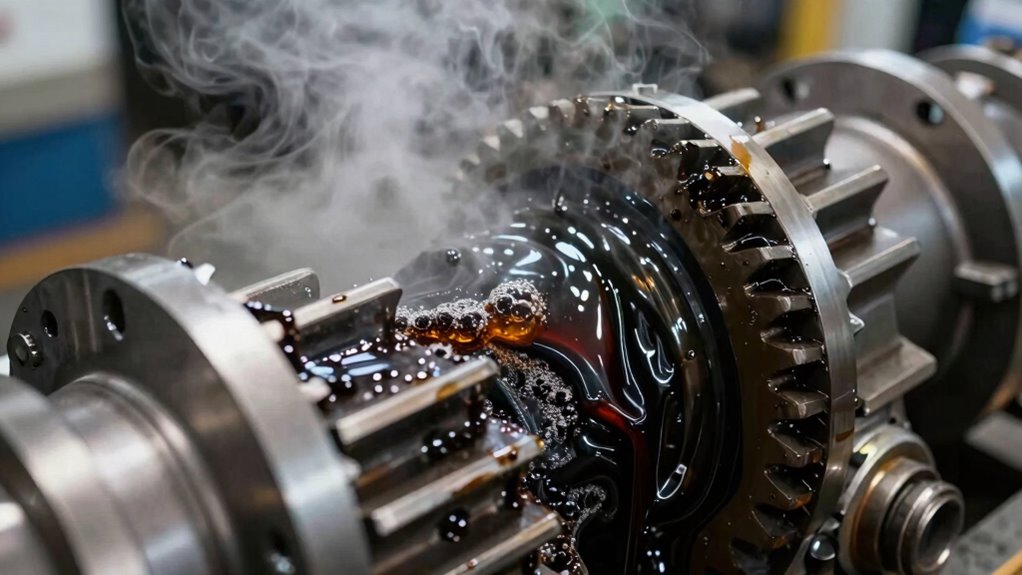
Overfilled and overheated gearboxes often give clear warning signs that you shouldn’t ignore. One key indicator is reduced lubrication efficiency, which can cause unusual noises or increased operating temperatures. You might notice the gearbox feels excessively hot to touch or emits a burning smell. Additionally, overfilling can accelerate wear, shortening the gearbox lifespan. Here’s a quick overview:
| Sign | Effect |
|---|---|
| Excessive heat | Indicates overheating, risking damage |
| Unusual noises | Gear misalignment or lubrication issues |
| Leaking or foaming oil | Aeration reduces lubrication efficiency, causing wear |
Stay alert to these signs to prevent costly repairs and extend your gearbox’s life.
How Can You Prevent Overfilling and Keep Your Gearbox Running Smoothly?

To prevent overfilling, you need to maintain proper oil levels in your gearbox. Regular maintenance checks help catch issues early and make certain everything stays balanced. Staying on top of these tasks keeps your gearbox running smoothly and avoids costly repairs.
Proper Oil Levels
How can you guarantee your gearbox maintains the proper oil level and avoids costly damage? The key is to monitor and maintain the correct oil quantity consistently. Use the manufacturer’s guidelines to determine the ideal oil level, and always check with the gearbox cool and on a level surface. Proper lubricant selection enhances gearbox efficiency and reduces wear.
Imagine:
- A transparent sight glass revealing the smooth oil level
- A clean dipstick showing the precise fill line
- A funnel making topping off quick and mess-free
- An easy-to-read gauge for quick checks during operation
- The correct oil fill cap sealing tightly, preventing leaks
Maintaining proper oil levels ensures ideal gearbox performance, reduces heat, and prevents aeration issues, keeping your machinery running smoothly.
Regular Maintenance Checks
Regular maintenance checks are essential for preventing overfilling and ensuring your gearbox runs smoothly. During these inspections, you can identify signs of gearbox contamination, such as dirt or debris, which can affect lubricant performance. Always verify lubricant viscosity, as improper viscosity can lead to increased heat and aeration. Regularly checking oil levels helps prevent overfilling, which can cause heat buildup and aeration issues. Use a clean dipstick or sight glass to monitor levels accurately. If you notice thickened or diluted oil, replace it promptly to maintain proper lubrication. Consistent checks help you catch problems early, reducing the risk of damage and costly repairs. Staying vigilant with maintenance keeps your gearbox operating efficiently, prolongs its lifespan, and prevents issues caused by overfilling.
How Do You Troubleshoot Heat and Air Entrapment in Overfilled Gearboxes?
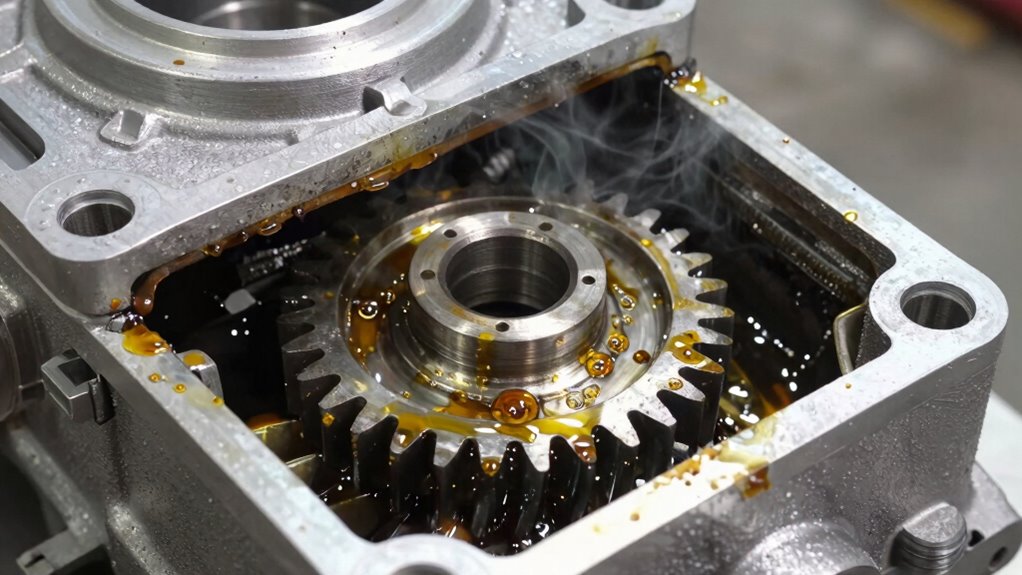
When a gearbox is overfilled, heat and air entrapment can become significant issues that impair its performance. To troubleshoot, start by checking lubricant viscosity; improper viscosity can cause overheating and reduce lubrication efficiency. Next, inspect the seal integrity—damaged or worn seals allow air to enter and disrupt proper lubrication flow. Observe the gear oil level; if it’s excessively high, drain some to restore optimal levels. Listen for unusual noises or vibrations, which often indicate trapped air or overheating. Finally, monitor temperature closely during operation, ensuring it stays within recommended limits. To prevent future problems, always verify correct fill levels and maintain proper lubricant quality. Addressing these issues promptly keeps your gearbox running smoothly and prevents costly damage.
What Are Best Practices for Proper Gearbox Lubrication Levels?

Maintaining the correct lubrication level in your gearbox is essential for peak performance and longevity. To achieve this, regularly check the oil level with the gearbox in a warm, operating state. Use lubricant viscosity suited to your equipment’s specifications to guarantee ideal flow and protection. Avoid overfilling or underfilling, as both can cause issues like heat buildup or inadequate lubrication. Incorporate gear oil additives recommended by the manufacturer to enhance the oil’s lubricating properties and protect against wear and corrosion. Always follow the manufacturer’s guidelines for fill levels and oil change intervals. Proper lubrication practices help prevent overheating, reduce wear, and minimize aeration, ensuring your gearbox runs smoothly and efficiently over time.
Frequently Asked Questions
What Are the Long-Term Effects of Repeated Overfilling on Gearbox Components?
Repeated overfilling can lead to lubrication degradation, reducing the effectiveness of your gearbox’s lubrication and increasing wear on components. It also causes seal deterioration, risking leaks and contamination. Over time, these issues can result in increased friction, overheating, and potential gearbox failure. You might also notice more frequent repairs and shorter service life for your gearbox parts. Addressing overfilling promptly helps maintain peak performance and longevity.
How Does Temperature Fluctuation Impact Overfilled Gearboxes Differently?
Temperature fluctuations hit overfilled gearboxes like a roller coaster, intensifying temperature stress and causing thermal expansion. When temperatures rise and fall rapidly, the gearbox’s components expand and contract unevenly, risking cracks or misalignment. This cycle weakens seals and bearings over time, accelerating wear. You need to monitor and manage temperature changes carefully, ensuring the gearbox isn’t subjected to extreme or rapid fluctuations that compromise its integrity.
Can Overfilling Cause Sudden Gearbox Failure or Only Gradual Damage?
Overfilling a gearbox can cause both sudden failure and gradual damage. Excess lubrication creates excessive heat and aeration, stressing components and potentially leading to immediate breakdowns. If you neglect proper maintenance protocols, these issues worsen over time, increasing failure risk. Regularly check your gearbox lubrication levels and avoid overfilling to prevent sudden failures and extend the lifespan of your equipment.
Are There Specific Industries More Prone to Overfilling Gearboxes?
In automotive maintenance and aerospace engineering, you’re more likely to encounter overfilling gearboxes in industries with complex, high-performance equipment. Automotive sectors often push limits during maintenance, risking overfill, while aerospace engineering demands precise lubrication, but mistakes can happen. Both fields need careful monitoring to prevent issues. Overfilling in these industries can lead to heat buildup and aeration, so you should always follow manufacturer guidelines to avoid damage.
How Does Overfilling Affect the Lifespan of Gearbox Seals and Bearings?
Overfilling a gearbox is like overloading a delicate machine—your seals and bearings suffer the most. The excess fluid causes seal degradation, making them brittle and prone to leaks. Bearings endure increased wear due to excess pressure and heat, shortening their lifespan. This fatigue accelerates component failure, leading to costly repairs and downtime. To keep your gearbox running smoothly, maintain proper fluid levels and avoid overfilling.
Conclusion
To keep your gearbox cool and clean, check levels regularly, avoid overfilling, and stay vigilant for signs of overheating. By practicing proper procedures and preventing problems before they start, you’ll ensure smooth operation and extend your gearbox’s lifespan. Remember, vigilance and vigilance alone prevent pitfalls—so stay alert, keep levels light, and your gearbox will glide gracefully without grinding or gumming. Protect your machinery to prevent costly, corrosive complications!