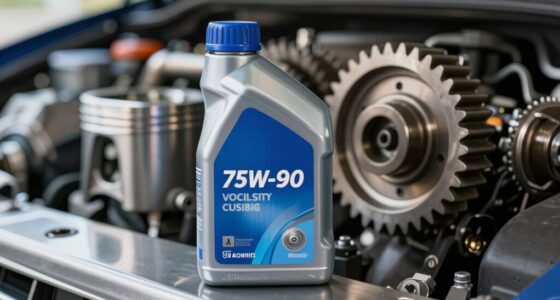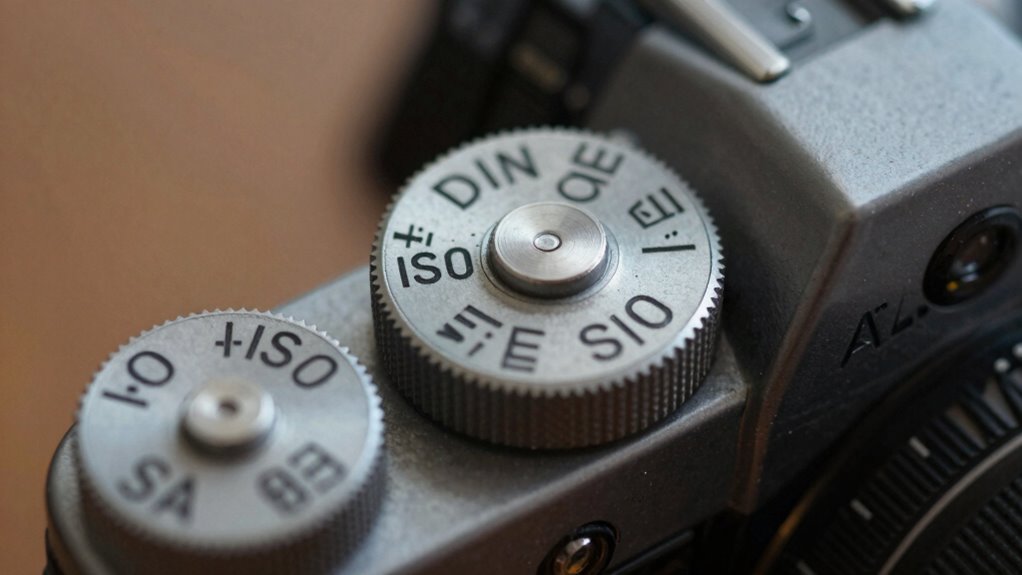

Differences between DIN, ISO, and SAE standards happen because each organization develops their specs based on different measurement systems, tolerances, and regional practices. DIN standards focus on metric precision, ISO balances global compatibility, and SAE uses imperial units, which aren’t always compatible. These variations can cause fit and measurement issues when parts are exchanged internationally. To avoid surprises and guarantee proper fit, understanding these differences is essential—there’s more to uncover if you keep exploring.

Get garage and car supplies delivered free — and shop member deals
- Fast, free delivery on millions of items
- Access to Prime Big Deal Days deals on October 6–7
- Prime Video, Amazon Music and more included
Key Takeaways
- Different measurement systems and tolerances across DIN, ISO, and SAE can cause size discrepancies in parts.
- Variations in standard development origins lead to incompatible dimensions and fit issues.
- Tighter tolerances in DIN standards may not align with the more flexible ISO or SAE specifications.
- International sourcing requires careful verification due to differing standards and measurement methods.
- Understanding each standard’s focus and tolerances helps prevent errors and mismatched components.

Have you ever wondered how different standards like DIN, ISO, and SAE compare when it comes to measuring and specifying sizes? If you’ve worked across industries or with international suppliers, you probably know that standardization challenges frequently arise. One major issue is measurement inconsistencies, which can cause confusion, delays, and costly errors. Despite the goal of creating universal standards, these organizations developed their systems independently, often leading to discrepancies that aren’t immediately obvious. For example, a bolt specified under DIN might differ slightly in dimensions from one specified under SAE, even if they have similar designations. These differences stem from variations in measurement methods, tolerances, and the way each standard defines sizes.
Understanding DIN, ISO, and SAE standards reveals key differences that impact measurement accuracy and compatibility.
When you deal with these standards, you quickly realize that they don’t always translate cleanly from one to another. DIN standards, originating in Germany, often emphasize metric measurements and tighter tolerances, aiming for high precision. ISO standards, developed by the International Organization for Standardization, endeavor for global compatibility but sometimes adopt more flexible tolerances to accommodate regional manufacturing practices. SAE standards, primarily used in North America, tend to focus on imperial units and may have different approaches to measurement and fit. These differences create a landscape where a part that fits perfectly under one standard may be slightly off under another, leading to measurement inconsistencies that can be problematic during sourcing or assembly.
This lack of uniformity can be particularly challenging when sourcing parts internationally. You might order a metric screw based on ISO standards, only to find that the dimensions don’t align perfectly with SAE-threaded components. Such mismatches force you to double-check measurements, request modifications, or seek alternative suppliers, all of which add time and expense. Furthermore, the varying tolerances and measurement methods mean that even within the same standard, different manufacturers might produce parts that don’t exactly match each other. This variability emphasizes the importance of clear communication and precise specifications, especially when working across standards.
Ultimately, understanding these core differences helps you navigate the complexities of international manufacturing and procurement. Recognizing the inherent challenges—like standardization issues and measurement inconsistencies—allows you to plan better, specify more accurately, and reduce the risk of costly errors. While no standard is perfect, being aware of their limitations and differences ensures you’re better equipped to select the right components and maintain quality across diverse projects. Additionally, awareness of measurement techniques can further aid in ensuring compatibility and precision.
As an affiliate, we earn on qualifying purchases.
Frequently Asked Questions
How Do Standards Impact International Manufacturing Collaboration?
Standards impact your international manufacturing collaboration by shaping cross-border compliance and highlighting the need for standard harmonization. When standards align across countries, you face fewer obstacles, streamlining processes and reducing costs. However, differences can cause delays and confusion. By understanding and adapting to varying standards, you guarantee smoother cooperation and product consistency, ultimately improving global partnerships and market access.
Are There Specific Industries That Prefer One Standard Over Others?
Ironically, your industry’s standard choice often depends more on regional preferences than technical suitability. For example, automotive industries favor SAE in the US, while Europe leans toward DIN and ISO standards. Industry-specific standards dictate these preferences, making it tricky to switch between them seamlessly. You’ll find aerospace prioritizes ISO, while manufacturing may stick to regional norms. These choices reflect regional standards’ influence on your industry’s practices, not just technical specs.
How Do Standards Evolve Over Time Across Different Organizations?
You’ll notice standards evolve through standard convergence and regulatory alignment, driven by industry needs and technological advances. Organizations update their standards periodically to guarantee compatibility, safety, and efficiency. This process involves collaboration among international bodies, which helps reduce discrepancies and foster innovation. As standards adapt, you’ll see more uniformity across regions and industries, making it easier for you to navigate global markets and ensure compliance in your projects.
Can Incompatible Standards Cause Safety Issues?
Incompatible standards can cause safety issues, with reports showing up to 30% of global manufacturing incidents linked to standard conflicts. When standards clash, you risk using incompatible parts or procedures, leading to safety risks. These conflicts can result in equipment failure, accidents, or injuries. To avoid such hazards, you must verify that standards align, especially when working across different regions or industries, prioritizing safety over convenience.
What Are the Costs Associated With Adopting Multiple Standards?
Adopting multiple standards leads to significant costs in addressing standardization challenges and ensuring cross border compliance. You’ll face increased expenses for training staff, updating equipment, and modifying products to meet different specifications. These efforts can delay production timelines and raise operational costs. Additionally, managing varied standards complicates supply chains, requiring extra resources to navigate regulatory complexities and avoid compliance issues across markets.
As an affiliate, we earn on qualifying purchases.
Conclusion
Understanding DIN, ISO, and SAE standards is like steering a multilingual conversation—you need to know the nuances to avoid misunderstandings. These standards may not always translate perfectly, but recognizing their differences helps you make informed choices and ensures compatibility. Think of it as tuning a fine instrument; when you get it right, everything plays in harmony. Keep these standards in mind, and you’ll avoid the dissonance of mismatched parts or tools.
As an affiliate, we earn on qualifying purchases.
international standard measurement tools
As an affiliate, we earn on qualifying purchases.
As an affiliate, we earn on qualifying purchases.
Halloween Picks
halloween
As an affiliate, we earn on qualifying purchases.