Even small changes in your vehicle’s pinion angle can cause big issues with the drivetrain. Proper alignment ensures smooth operation, reduces vibrations, and prevents premature wear of components. When the angle is off, your driveshaft’s U-joints work against each other, leading to noise and potential damage. Adjusting the pinion angle correctly is essential, especially after suspension modifications. Keep your setup in check, and you’ll protect your vehicle’s longevity—learn more to keep your ride running smoothly.

Get business pricing on garage and car supplies
- Business-only prices and quantity discounts
- Tax-exempt purchasing
- Multiple users, one account, clear invoices
Key Takeaways
- Small pinion angle adjustments can significantly reduce drivetrain vibrations and wear, improving vehicle longevity.
- Precise changes ensure optimal driveshaft alignment, preventing universal joint and bearing issues.
- Proper pinion angle maintains smooth power transfer, enhancing overall vehicle performance.
- Even minor miscalculations can cause excessive noise and premature component failure over time.
- Regular checks and adjustments after suspension modifications keep the drivetrain in proper alignment.
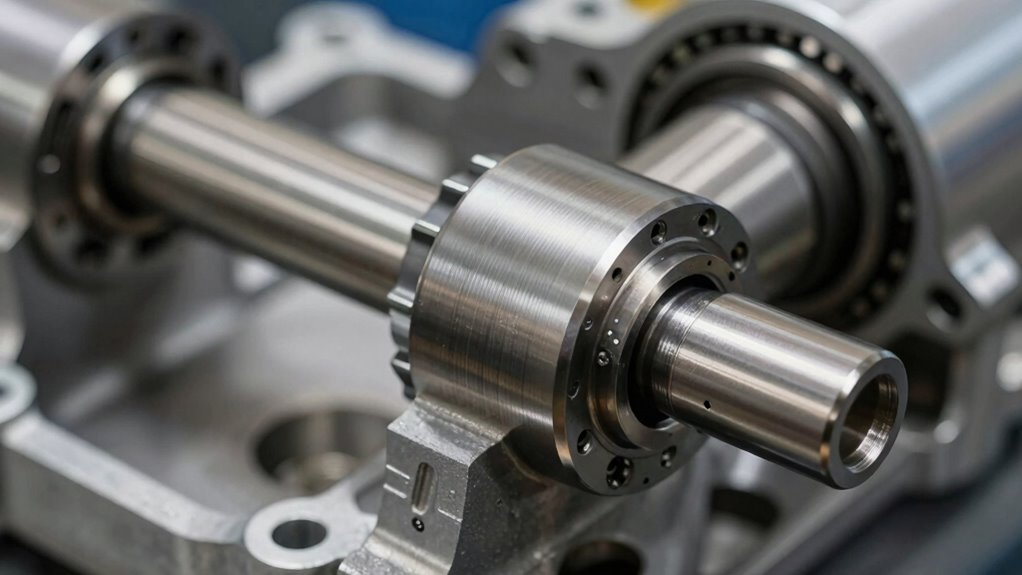
Understanding pinion angle is essential for guaranteeing proper drivetrain alignment and ideal vehicle performance. When your pinion angle is correctly set, it helps the driveshaft operate smoothly, reducing vibrations and preventing premature wear. Drivetrain alignment depends heavily on this angle because even slight miscalculations can cause issues down the line. Suspension geometry plays a critical role here, as it directly influences how the axle and driveshaft are positioned relative to each other. If your suspension isn’t set up properly, it can throw off your pinion angle, leading to drivetrain problems that are often tricky to diagnose. Proper drivetrain alignment is vital for maintaining vehicle longevity and optimal operation. The pinion angle refers to the angle between the driveshaft and the differential’s pinion shaft. Ideally, this angle should be close to zero degrees, but in practice, a small downward or upward tilt is necessary to accommodate suspension movement. Small adjustments in this angle can considerably impact how smoothly your vehicle runs, especially at higher speeds. When the pinion angle is too steep or too shallow, it causes the driveshaft U-joints to work against each other, creating vibrations, noise, and increased wear on components like universal joints and bearings. Suspension geometry is what determines the natural alignment of your drivetrain components. When you lift or lower your vehicle, the suspension changes, which can alter the pinion angle unless you make adjustments. It’s vital to understand how these modifications affect drivetrain alignment because neglecting to compensate for suspension changes can lead to driveline vibrations that diminish comfort and reduce the lifespan of drivetrain parts. If you’re installing a lift kit or lowering your vehicle, you’ll need to check and adjust the pinion angle to maintain ideal suspension geometry and drivetrain alignment. This ensures the driveshaft remains balanced and functions efficiently. Adjusting the pinion angle is usually done by modifying the pinion yoke or using shims to tilt the differential housing. Doing so restores proper alignment, minimizes vibrations, and prolongs component life. It’s important to measure the angle accurately using a digital inclinometer or a similar tool to get precise results. Remember, even small deviations from the perfect angle can create noticeable issues, so take your time to make careful adjustments. Regularly checking the pinion angle after modifications or repairs keeps your drivetrain in sync with your suspension setup, ensuring your vehicle performs at its best.
drivetrain pinion angle adjustment tool
As an affiliate, we earn on qualifying purchases.
As an affiliate, we earn on qualifying purchases.
Frequently Asked Questions
How Does Pinion Angle Affect Overall Vehicle Handling?
Your pinion angle directly impacts your vehicle’s handling by affecting drivetrain alignment and suspension geometry. When the pinion angle is off, it causes vibrations, uneven tire wear, and poor responsiveness. Small adjustments optimize power transfer and stability, making your ride smoother and more predictable. Proper pinion angle guarantees your suspension works correctly, enhancing overall vehicle control and safety, especially during aggressive driving or off-road adventures.
Can Incorrect Pinion Angle Cause Drivetrain Damage?
Yes, incorrect pinion angle can cause drivetrain damage. When drive shaft alignment is off, it puts stress on the driveshaft and U-joints, leading to premature wear or failure. Poor axle rotation due to improper pinion angles causes vibrations and uneven load distribution, which can damage the differential and other components. Maintaining proper pinion angle guarantees smooth operation and prolongs your drivetrain’s lifespan, avoiding costly repairs.
What Tools Are Best for Measuring Pinion Angle?
You need precise measurement tools to get accurate pinion angles. Use angle finders or digital inclinometer tools for quick, reliable readings. These measurement tools help you detect small changes in the pinion angle, ensuring proper alignment. Choose high-quality, easy-to-read angle finders or digital inclinometers that fit your setup. Accurate tools make an essential difference, helping you avoid drivetrain issues and maintain ideal performance.
How Often Should Pinion Angle Be Checked or Adjusted?
You should check and adjust your pinion angle whenever you notice alignment issues or drive shaft vibrations. Regular inspections, especially after suspension modifications or wheel changes, help prevent uneven wear and potential damage. It’s a good idea to verify the angle at least every 10,000 miles or once a year. Addressing small adjustments promptly keeps your drivetrain smooth, reducing vibrations and ensuring peak performance.
Does Suspension Type Influence Ideal Pinion Angle Settings?
Yes, your suspension type influences the ideal pinion angle settings because it affects drive shaft alignment and suspension geometry. Different suspensions, like solid axle or independent setups, require specific pinion angles to minimize vibrations and wear. You should consult your vehicle’s manufacturer guidelines or a professional to determine the correct angle, especially after modifications, to guarantee smooth operation and prevent drivetrain issues.
As an affiliate, we earn on qualifying purchases.
Conclusion
Understanding pinion angle basics might seem small, but it’s the tiny details that can make or break your ride. Think of it like a single note in a melody—miss it, and the harmony’s off. By paying attention to those subtle changes, you’ll keep your suspension smooth and your vehicle performing at its best. So don’t overlook the little things; they’re the key to a flawless drive, turning minor tweaks into major gains.
digital inclinometer for vehicle alignment
As an affiliate, we earn on qualifying purchases.
As an affiliate, we earn on qualifying purchases.
suspension lift kit with pinion angle correction
As an affiliate, we earn on qualifying purchases.
As an affiliate, we earn on qualifying purchases.
Halloween Picks
halloween
As an affiliate, we earn on qualifying purchases.