
If you want the most trustworthy gear oil sample, pump sampling generally offers better accuracy and representativeness than drain plug samples. Pumping enables you to access specific areas and collect cleaner, more consistent samples, reducing contamination risks. Drain plug samples are quick and convenient but may miss contaminants or sludge. To guarantee your samples truly reflect gear health, understanding both methods’ strengths and limitations is key—it’s worth exploring further.
Key Takeaways
- Pump sampling generally provides more controlled, representative, and accurate gear oil samples than drain plug sampling.
- Proper technique, calibration, and contamination prevention are critical for both methods’ reliability.
- Drain plug samples may miss contaminants or sludge not present at the drain point, reducing trustworthiness.
- Pump sampling offers better access to hard-to-reach areas, improving sample integrity for long-term monitoring.
- Consistent, standardized procedures and equipment maintenance are essential to ensure trustworthy gear oil analysis results.

M14x1.5 Magnetic Oil Drain Plug, Magnetic Stainless Steel Oil Pan Drain Nut Bolt with 5PCS Copper Crush Washer Anti Leakage, Universal Leak-proof Replacement,Fits Most Cars,Motorcycles,Boats
HIGH QUALITY MATERIAL: Magnetic oil drain plugs are made of high quality strong stainless steel aluminum and powerful...
As an affiliate, we earn on qualifying purchases.
What Are the Main Gear Oil Sampling Methods?
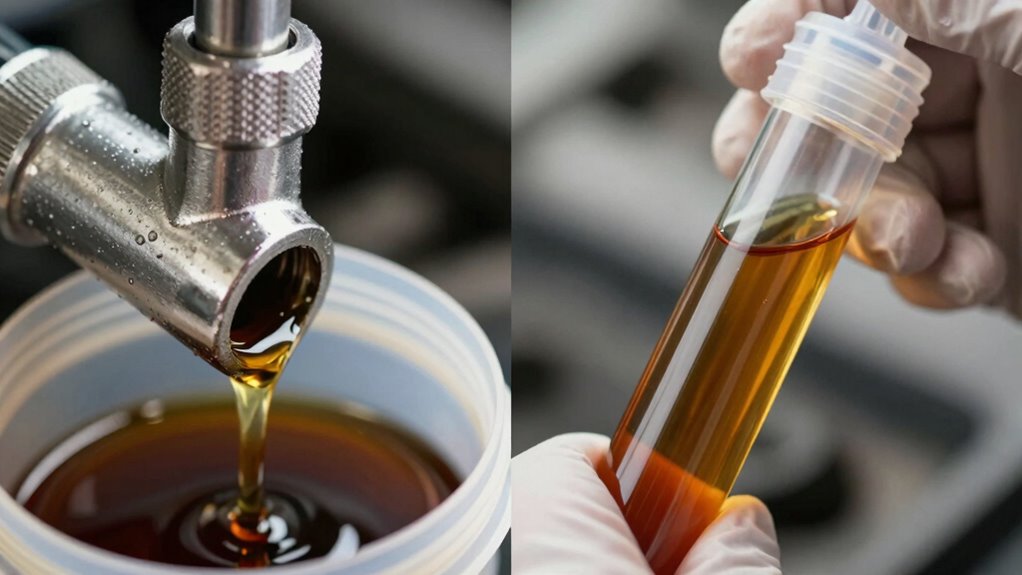
When it comes to sampling gear oil, choosing the right method is crucial for accurate analysis. The two main gear oil sampling methods are drain plug sampling and pump sampling. Drain plug sampling involves removing a small amount of oil during routine maintenance, making it quick and convenient. However, it can sometimes miss contaminants or wear particles settled at different points, which can lead to incomplete assessments of gear health. Pump sampling, on the other hand, uses a specialized device to extract oil directly from specific depths within the gear. This method provides a more representative sample for lubricant testing, especially when evaluating gear condition. Both methods influence maintenance schedules, as accurate sampling ensures timely detection of issues. Understanding these techniques helps you make informed decisions about gear health and ideal maintenance timing. Additionally, selecting the appropriate sampling method can help prevent misinterpretation of results and ensure the longevity of your equipment. Employing the correct sampling technique also minimizes the risk of sample contamination, leading to more reliable testing outcomes. Proper sample collection procedures, such as using contamination-free equipment, further enhance the accuracy of your gear oil analysis. Moreover, being aware of the sampling environment can significantly impact the quality of your sample and the subsequent analysis.

Skunk2 Racing Skunk 2 657050030 Magnetic Oil Plug
Engine Bay Dress Up Drain Plug Set; Predrilled For Safety Wires; For Use In Engine/Manual Transmission
As an affiliate, we earn on qualifying purchases.
How Does Drain Plug Sampling Work, and Is It Reliable?

Drain plug sampling works by removing a small amount of gear oil through the drain plug during routine maintenance or scheduled oil changes. You simply loosen the drain plug slightly, let a few ounces of oil flow into a container, then tighten it back up. This method is quick and convenient, especially since it’s part of regular service. However, its sampling reliability can be affected by several factors. The sample might not represent the entire gear oil’s condition if contaminated or if sludge settles away from the drain plug. Additionally, if the plug isn’t sealed properly after sampling, it could lead to leaks or inaccurate readings. While drain plug sampling provides a practical way to check oil, its reliability depends on proper technique and ensuring the sample reflects the overall gear oil health. Proper sampling technique and understanding of oil condition can significantly improve the trustworthiness of this method. Ensuring sample representativeness is crucial for accurate assessments. Using appropriate sampling tools can further enhance the accuracy of your results. Properly inspecting your gear oil quality regularly can also prevent potential vehicle issues caused by poor lubrication. Moreover, understanding the limitations of drain plug sampling helps set realistic expectations about its diagnostic accuracy.

EVIL ENERGY Oil Catch Can, Universal Baffled Catch Can Kit with NBR Fuel Hose, 300ml Aluminum Air Oil Separator Tank for PCV System Red
[Baffled Design] Featuring a removable baffle and adding an appropriate amount of steel wool, this oil catch can...
As an affiliate, we earn on qualifying purchases.
How Does Pump Sampling Work, and When Is It Better?

Pump sampling offers precise control over sample collection, making it ideal when accuracy is critical. It’s also more accessible and convenient, especially in hard-to-reach areas. However, you need to contemplate the risk of contamination, which can be higher with pump methods. Additionally, understanding the principles of Free Floating can help ensure that the sampling method aligns with the specific requirements of your gear oil testing. Recognizing how sampling techniques can influence the results is essential for obtaining trustworthy data. Proper contamination prevention measures are crucial to maintain sample integrity during the process. Furthermore, familiarizing yourself with sampling device operation can improve overall reliability and reduce errors during collection. Incorporating sampling protocol adherence can further enhance the accuracy and consistency of your samples.
Sampling Technique Precision
Pump sampling works by extracting a specific volume of fluid through a powered device, allowing for more controlled and consistent sample collection. This method enhances sampling consistency, especially when proper technician training is applied. Precise operation reduces the risk of contamination or sample alteration. To understand the factors affecting accuracy, consider this table:
| Factor | Impact on Sampling | Recommended Practice |
|---|---|---|
| Pump Calibration | Ensures consistent volume | Regular calibration of equipment |
| Technician Skill | Affects sample handling | Proper technician training |
| Sample Container Handling | Prevents contamination | Use sterile, appropriate containers |
| Fluid Homogeneity | Influences representativeness | Sample from multiple points |
| Sampling Accuracy | Directly impacts reliability | Implement quality control measures |
Additionally, understanding the sampling technique can help identify potential sources of error and improve overall sample reliability.
Accessibility and Convenience
Have you ever wondered how pump sampling offers greater accessibility and convenience compared to other methods? It simplifies collecting gear oil samples, especially in hard-to-reach areas. Pump sampling provides better accessibility options, allowing you to reach tight spots without draining the entire system. It also reduces the time and effort needed, making it a more efficient choice. Here are some key convenience factors:
- Easier access in confined spaces
- Faster sample collection process
- Less disruption to system operation
- Minimal equipment required
- Safer sampling in hazardous environments
Additionally, pump sampling often involves specialized equipment that enhances reliability and accuracy during collection. This method also benefits from technological advancements that improve sample integrity and ease of use. These features make pump sampling ideal when quick, hassle-free sample collection is needed, especially in complex machinery or limited access areas. Its flexibility allows technicians to adapt to various operational environments, further increasing its practicality. Furthermore, the training and expertise required for pump sampling can be less intensive, streamlining the sampling process. It’s a practical choice when convenience and accessibility are top priorities.
Sample Contamination Risks
Although pump sampling offers quick and easy access to samples, it also introduces specific contamination risks if not performed properly. When using a pump, there’s a chance that dirt, debris, or residual oil from the pump itself could contaminate the sample, compromising its integrity. Improper handling or inadequate cleaning of the sampling equipment can lead to false readings or overlooked issues within the gear oil. These contamination risks threaten the accuracy of your analysis and can result in misdiagnosing equipment health. To preserve sample integrity, ensure that all sampling tools are thoroughly cleaned and sterilized before use. Proper technique minimizes contamination risks, helping you obtain a reliable sample that accurately reflects the gear oil’s condition and ensures trustworthy analysis results. Additionally, understanding inclusive casting and diverse standards in the industry can inform better sampling practices that promote fairness and accuracy. Proper training and adherence to industry best practices can further reduce contamination risks, ensuring more consistent and reliable results. Incorporating standardized procedures into your sampling process also helps maintain consistency across different tests and laboratories.

WENJTP Universal 150ml Car Oil Catch Can Kit Reservoir Tank, Compact Baffled 3-Port Oil Separator 2 Inlets 1 Outlet Black with Breather Filter + Drain Valve HTRACING
Capture Oil & Keep engine clean -----The baffle system in the tank could Catch the oil and moisture,...
As an affiliate, we earn on qualifying purchases.
Which Method Provides More Accurate and Trustworthy Results?
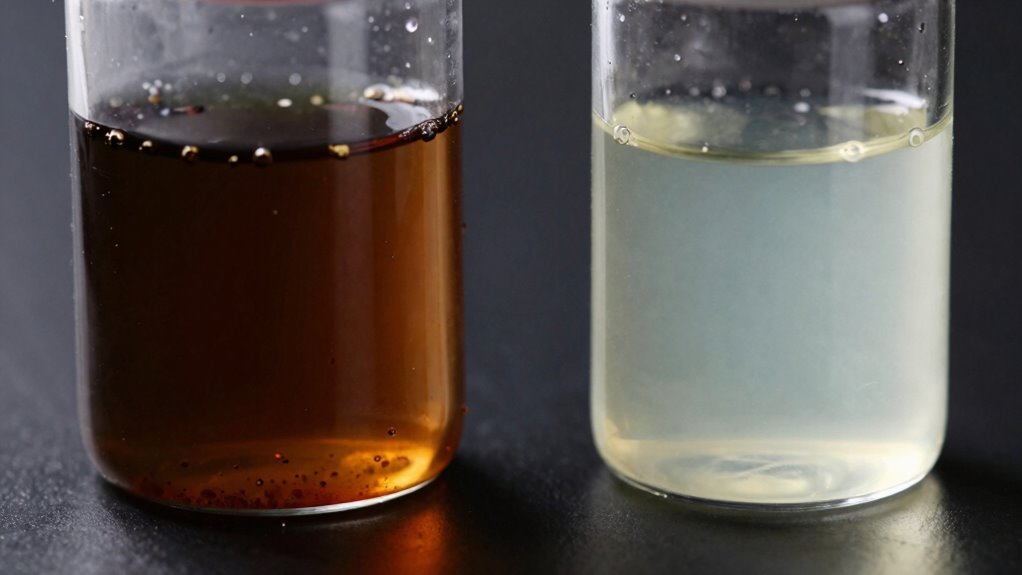
Determining which method yields more accurate and trustworthy results depends on several factors, including sample integrity and potential contamination. Both drain plug and pump sampling can produce reliable data if executed properly. To improve sampling accuracy and ensure equipment reliability, consider these points:
- Properly maintained sampling equipment reduces contamination risks.
- Using the right tools ensures sample consistency.
- Following standardized procedures minimizes errors.
- Avoiding cross-contamination preserves sample integrity.
- Regular calibration of sampling devices enhances accuracy.
- The horsepower of electric dirt bikes can influence the robustness of samples collected, especially when dealing with high-performance models.
While pump samples often allow for more controlled and representative collection, drain plug samples are quicker but may carry contamination from residual debris. Ultimately, selecting the method that best supports equipment reliability and maintains sample integrity will give you the most trustworthy results.
What Factors Should You Consider When Choosing a Sampling Technique?

When choosing a sampling technique, you need to weigh several key factors to guarantee you get accurate, reliable results. First, consider how well the method minimizes lubricant contamination, which can skew results and lead to misdiagnosis. Sampling accuracy is also *vital*; select a technique that consistently captures a true representation of the gear oil’s condition. Think about the equipment’s accessibility and whether the sampling method can be performed without introducing additional contaminants. Also, evaluate the consistency of the sampling process—some methods may be more prone to variability. Ultimately, your goal is to select a technique that balances ease of use with precision, ensuring the sample reflects the actual state of the lubricant without external interference.
How to Pick the Best Sampling Method for Long-Term Gear Oil Health?

Choosing the right sampling method depends on how often and when you take samples to get accurate long-term data. You also need to guarantee your samples stay uncontaminated and true to the oil’s condition. Paying attention to these points helps you select the best approach for tracking gear oil health over time.
Sampling Frequency and Timing
Selecting the right sampling frequency and timing is crucial to accurately monitor long-term gear oil health. Proper sampling timing ensures you catch issues early and avoid unnecessary maintenance. To optimize your sampling schedule, consider these factors:
- Align sampling with maintenance scheduling for consistency
- Sample at regular intervals based on equipment usage and load
- Conduct more frequent tests during periods of heavy operation or stress
- Avoid sampling immediately after maintenance or oil changes to get stable readings
- Schedule samples during steady operating conditions for reliable comparisons
Sample Integrity and Contamination
Ensuring sample integrity is vital for accurate long-term gear oil analysis, as contamination can lead to misleading results and faulty assessments. To prevent sample contamination, choose a sampling method that minimizes exposure to dirt, moisture, and foreign particles. Using a pump sample often preserves sample integrity better than drain plug methods, which can introduce debris or water. Always clean the sampling port thoroughly before collecting, and use proper containers that seal tightly to avoid environmental contaminants. Proper handling and storage immediately after sampling also protect the sample from degradation. By prioritizing sample integrity and avoiding contamination, you guarantee your analysis reflects the true condition of your gear oil, enabling better maintenance decisions and prolonging equipment life.
Frequently Asked Questions
Can Sampling Method Influence Gear Oil Contamination Detection Accuracy?
Sampling method definitely influences contamination detection accuracy. If you don’t maintain sampling integrity, you risk contamination or missing contaminants entirely. Using proper techniques guarantees your sample accurately reflects the gear oil’s condition, helping you detect contamination early. Whether you choose a drain plug or pump sample, focus on clean, consistent procedures to get reliable results. This way, you improve your chances of identifying issues before they cause damage.
How Does Sample Size Affect the Reliability of Gear Oil Analysis?
Sample volume directly impacts data validity in gear oil analysis. If your sample size is too small, it may not accurately represent the oil’s condition, risking incomplete contamination detection. Conversely, larger sample volumes improve reliability, guaranteeing you get a thorough view of wear particles and contaminants. To guarantee trustworthy results, always use an adequate sample volume, following industry standards, so your analysis reflects the true state of your gear oil.
Are There Industry Standards for Assessing Sample Collection Methods?
Yes, there are industry standards for evaluating sampling protocols, emphasizing contamination prevention and accuracy. You should follow established guidelines to ensure representative samples, such as using proper tools and techniques to avoid introducing contaminants. Adhering to these standards helps maintain sample integrity, making gear oil analysis more reliable. Always verify that your sampling methods align with industry best practices to get trustworthy results.
What Are the Potential Pitfalls of Improper Sampling Techniques?
Improper sampling techniques can compromise your results by causing sampling inconsistency and increasing contamination risks. If you don’t follow proper procedures, you might collect samples that don’t accurately represent the gear oil’s condition, leading to incorrect diagnoses. Be careful to maintain sampling consistency, clean sampling tools thoroughly, and avoid introducing external contaminants. This guarantees reliable data, helping you make better maintenance decisions and extend equipment lifespan.
How Often Should Gear Oil Samples Be Collected for Optimal Monitoring?
Imagine catching droplets of gear oil, each telling a story of wear and tear. You ought to collect samples every 3,000 to 5,000 miles or during scheduled maintenance to monitor oil deterioration effectively. Regular sampling frequency helps detect early signs of degradation, preventing costly failures. By staying consistent, you guarantee your equipment runs smoothly, with insights that guide timely oil changes and maintenance, keeping your machinery in top shape.
Conclusion
Choosing the right gear oil sampling method guarantees accurate insights, reliability, and peace of mind. Whether you prefer drain plug sampling for simplicity or pump sampling for precision, make certain your choice aligns with your maintenance goals. Prioritize consistency, consider your equipment’s needs, and trust in a method that offers dependable results. Because when it comes to gear oil health, accuracy matters, reliability counts, and proper sampling makes all the difference.