Kidney-loop filtration is an innovative system that continuously cleans your gearbox oil by filtering out dirt, debris, and metal particles, helping extend oil life and reduce maintenance costs. It works well on gearboxes with high demands, heavy loads, or harsh environments. By implementing this, you prevent oil degradation and gear wear, boosting equipment reliability. If you want to discover how this trick can benefit your gearboxes and optimize performance, there’s more to explore.
Key Takeaways
- Kidney-loop filtration provides continuous, real-time cleaning of gearbox oil, mimicking kidney filtration in gearboxes.
- It effectively removes dirt, debris, and metal particles, extending oil life and reducing maintenance costs.
- Suitable for gearboxes under heavy loads or harsh environments, especially those with metal components or tight tolerances.
- Proper implementation requires compatibility assessment, regular filter checks, and scheduled replacements for optimal performance.
- Not ideal for older or sealed gearboxes with limited access, as filtration efficiency depends on system design and maintenance.

WIX 51259 Transmission Filter Replacement
KEEP YOUR TRANSMISSION RUNNING SMOOTHLY: Protects transmissions from harmful particles and materials in the transmission fluid system
As an affiliate, we earn on qualifying purchases.
As an affiliate, we earn on qualifying purchases.
What Is Kidney-Loop Filtration and How Does It Work?
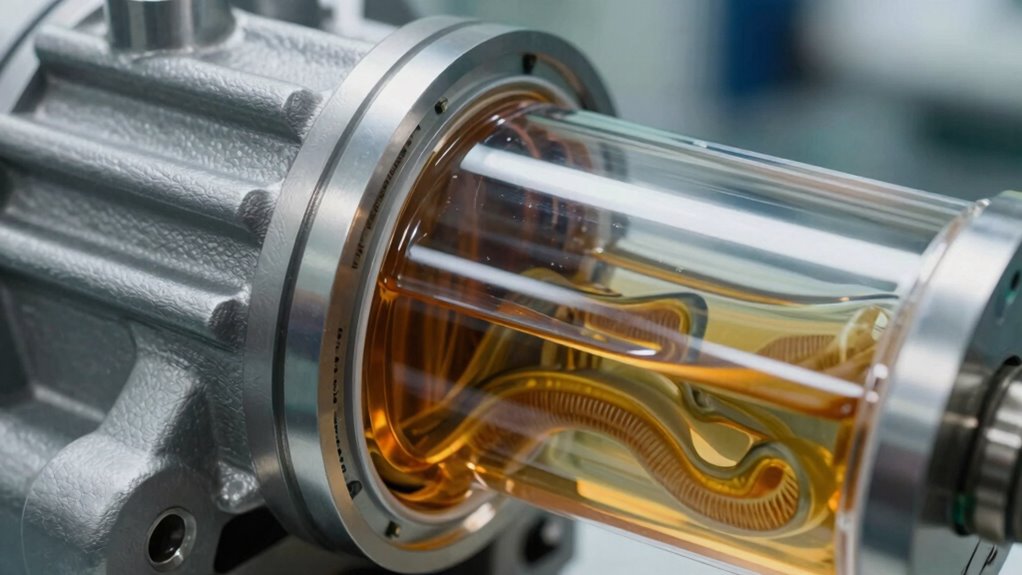
Have you ever wondered how your kidneys filter blood so efficiently? Kidney-loop filtration in gearboxes works similarly. It uses a specialized filter to remove oil contamination, preventing dirt, debris, and metal particles from circulating. This process maintains high filtration effectiveness, ensuring the oil stays clean longer. As the oil circulates through the system, the filter traps contaminants without restricting oil flow. This continuous filtering action helps extend the life of the gearbox oil and reduces wear on internal components. Unlike traditional filters, kidney-loop systems are designed for ongoing, real-time cleaning, making them highly effective at maintaining ideal oil quality. The ability to remove impurities early is crucial for equipment durability and operational reliability. By removing impurities early, they protect your machinery, improve performance, and lower maintenance costs over time. Additionally, implementing climate-conscious filtration technologies can contribute to sustainable manufacturing practices. Proper filtration also supports thermal management by maintaining optimal operating temperatures and preventing overheating of components, which is essential for effective lubrication and machinery longevity. Moreover, these systems can be customized to suit different industry-specific needs, enhancing their versatility.
kidney-loop filtration for gearboxes
As an affiliate, we earn on qualifying purchases.
As an affiliate, we earn on qualifying purchases.
How Kidney-Loop Filtration Extends Gearbox Oil Life and Cuts Maintenance Costs
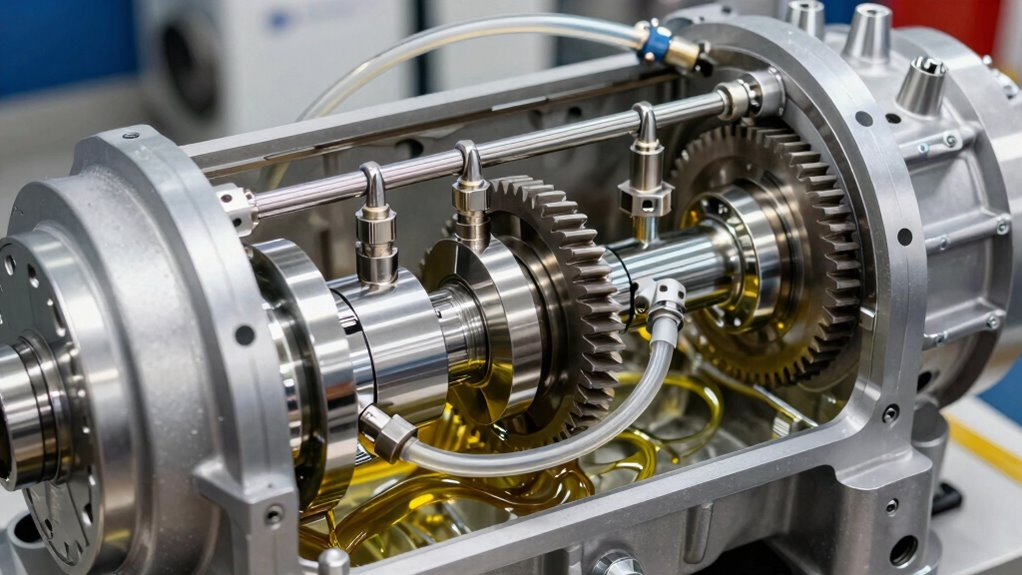
Because kidney-loop filtration continuously removes contaminants from gearbox oil, it considerably extends the oil’s lifespan. By maintaining high filtration efficiency, it prevents oil degradation caused by oil contaminants like dirt, metal particles, and sludge. This process keeps the oil cleaner longer, reducing the need for frequent oil changes and lowering maintenance costs. When oil remains free of harmful particles, gearbox components experience less wear and tear, leading to fewer repairs and downtime. Over time, the savings add up, making kidney-loop filtration a cost-effective solution. Effective filtration is also crucial in maintaining oil quality and prolonging equipment life. You’ll notice improved machinery performance and longer intervals between maintenance tasks. Essentially, this system keeps your gearbox running smoothly while cutting expenses associated with oil replacement and repairs. It’s a smart investment in optimizing your equipment’s longevity and operational efficiency.

VEVOR Fryer Oil Filter Machine, Hot Oil Container 55L /116 LBS/15 Gal, Commercial Deep Fryer Oil Filter 10 L/min, Cooking Oil Filter Pump & Oil Hose, 300W Mobile Fryer Filter Kitchen Restaurant
Remarkable Oil Filtering Effect: The mobile fryer filter can remove tiny impurities with a filtration rate of ≥98%….
As an affiliate, we earn on qualifying purchases.
As an affiliate, we earn on qualifying purchases.
How to Implement Kidney-Loop Filtration in Your Maintenance Routine
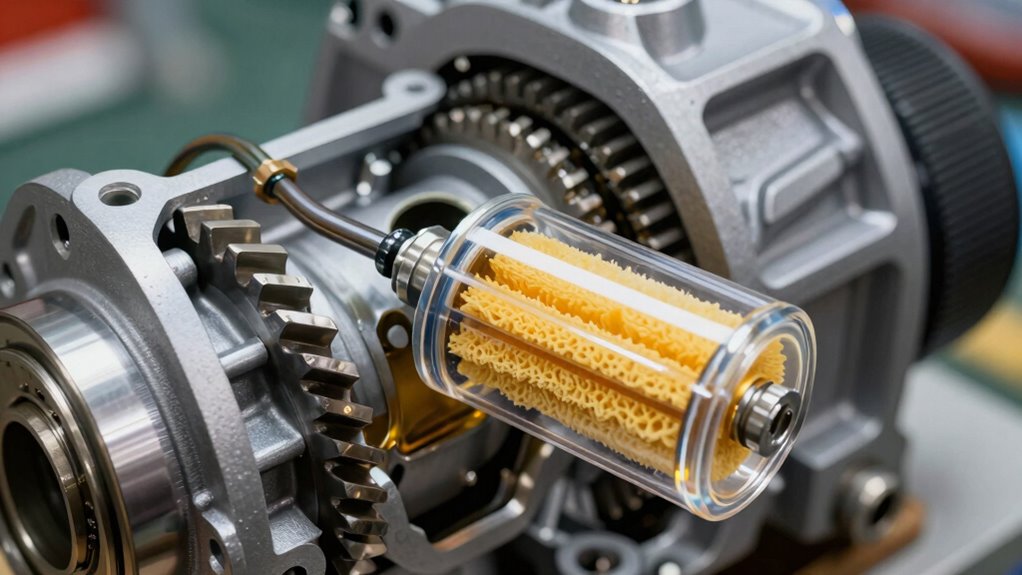
Implementing kidney-loop filtration into your maintenance routine begins with evaluating your gearbox systems to determine if they’re compatible with filtration units. Start by conducting oil analysis to assess current oil condition and contamination levels. If the analysis shows degradation, consider integrating filtration maintenance to improve oil quality. Set up a schedule for regular filtration checks and filter replacements to prevent dirt buildup. Use the following table to guide your process:
| Step | Action | Frequency |
|---|---|---|
| Oil analysis | Monitor oil condition | Quarterly or as needed |
| Filter inspection | Check for clogging or wear | Monthly |
| Oil filtration | Replace or clean filters | Every 3-6 months |
This routine ensures your gearbox benefits from sustained clean oil, minimizing downtime and extending component life. Properly maintaining filtration systems also helps prevent contamination issues, which can accelerate equipment wear and lead to costly repairs. Additionally, incorporating effective filtration techniques can positively impact overall engine performance by reducing wear on critical components.
Oil Eater Original 1 Gallon Cleaner, Degreaser – Dissolve Grease Oil and Heavy-Duty Stains – Professional Strength
Powerful Cleaning: Dissolves Grease, Oil And Dirt From Any Washable Surface
As an affiliate, we earn on qualifying purchases.
As an affiliate, we earn on qualifying purchases.
Which Gearboxes Are Best Suited for Kidney-Loop Filtration?
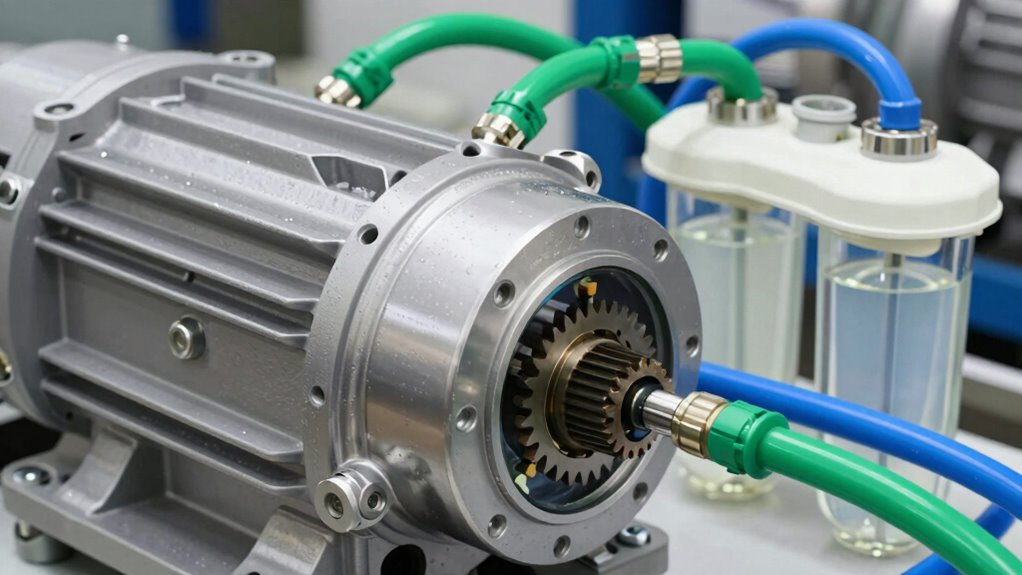
Gearboxes with high operational demands and extended service intervals benefit most from kidney-loop filtration. These gearboxes often operate under heavy loads or in harsh environments, making efficient oil cleanliness essential. Additionally, implementing continuous filtration can help maintain optimal oil conditions and prevent premature failures. The effectiveness of kidney-loop filtration depends on the gearbox material; gearboxes with metal components and tight tolerances are more sensitive to contamination, so filtration equipment can considerably extend their lifespan. Furthermore, gearboxes with complex internal geometries or those using synthetic or specialized oils benefit from this process, as it helps maintain oil purity and prevents buildup. Regular filtration ensures contaminants are continuously removed, reducing wear and downtime. Using oil analysis can provide valuable insights into oil condition and help optimize filtration schedules. Incorporating oil filtration systems that are specifically designed for your gearbox type can significantly enhance performance and reliability. Tailoring filtration methods to gearbox design specifications ensures maximum effectiveness in contaminant removal. For optimal results, selecting the right filtration system tailored to the gearbox’s design specifications is crucial. If your gearbox fits these criteria, implementing kidney-loop filtration is a smart way to optimize performance and prolong service intervals.
What Are the Limitations and Key Factors to Consider?
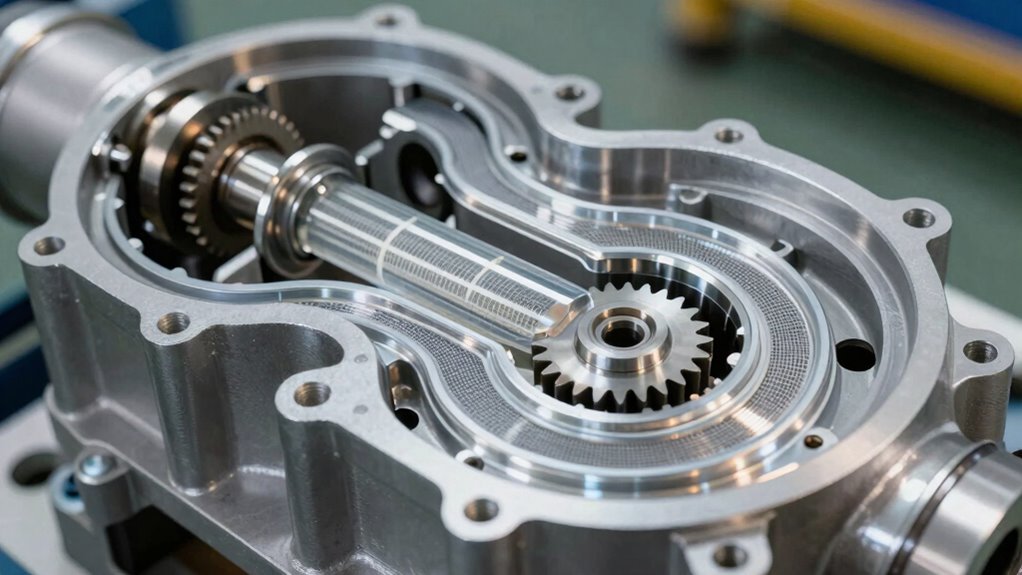
While kidney-loop filtration offers significant benefits, it also has limitations and requires careful consideration of key factors. Filtering efficiency can vary depending on the system design and the type of contaminants present, so you need to assess whether the filtration method matches your gearbox’s specific needs. Not all systems are compatible with kidney-loop filtration, especially older or sealed units that restrict access or maintain strict contamination control. Additionally, improper maintenance or overuse can reduce filtering efficiency, leading to potential equipment damage. You should evaluate whether your gearboxes have compatible filtration points and whether the benefits outweigh the costs and complexity involved. Ultimately, understanding these factors ensures you maximize filtration efficiency without risking system incompatibility or operational issues.
Frequently Asked Questions
What Are the Initial Costs of Installing Kidney-Loop Filtration Systems?
The initial costs of installing kidney-loop filtration systems typically range from $10,000 to $50,000, depending on system size and complexity. You should conduct a thorough cost analysis to compare equipment prices, installation, and setup fees. Budget considerations are vital, so factor in ongoing maintenance and potential efficiency gains. Investing upfront can save you money long-term by reducing equipment downtime and extending machinery lifespan.
How Often Should the Filtration System Be Serviced or Replaced?
You should follow the maintenance schedule recommended by the manufacturer, typically inspecting and servicing the system every 3 to 6 months. Replacement frequency depends on your operating conditions, but generally, filters and components may need replacement every 1 to 2 years. Regular maintenance guarantees peak performance and prevents unexpected failures, so stay vigilant and adjust your schedule based on system performance and any signs of wear.
Can Kidney-Loop Filtration Be Integrated With Existing Lubrication Systems?
Sure, you can integrate kidney-loop filtration with your existing lubrication system—who wouldn’t want to upgrade without a system retrofit? Just make certain lubricant compatibility to avoid mixing oil types. It’s a clever way to enhance filtration efficiency, saving costs and extending gear life. Just remember, it’s not magic; proper planning guarantees smooth integration, so your system stays reliable and efficient.
What Environmental Benefits Does Kidney-Loop Filtration Offer?
You’ll find kidney-loop filtration offers significant environmental benefits by promoting recycling and reducing waste. It extends lubricant life, meaning less frequent oil disposal, which minimizes hazardous waste. By continuously filtering and cleaning oil, it reduces the need for new oil production, conserving resources. This process also lessens environmental contamination, supporting sustainable practices and lowering your company’s ecological footprint. Overall, kidney-loop filtration helps you operate more eco-friendly and responsible industrial systems.
Are There Specific Brands or Models Recommended for Certain Industries?
Imagine choosing the right tool for a complex puzzle. For industry applications, you’ll find brand recommendations like FiltraMax for manufacturing, or EcoClean for automotive sectors, tailored to specific needs. These brands excel in durability and efficiency, ensuring your gearboxes stay clean and functional. Assess your industry’s demands, then select the model that best fits your operational environment, much like matching a key to its lock for seamless performance.
Conclusion
If you harness kidney-loop filtration, you’ll reveal the secret to endless gearbox lifespan—turning routine maintenance into a relic of the past. Imagine your gearboxes running so smoothly, they’ll seem almost immortal, defying wear and tear with every cycle. Don’t settle for ordinary maintenance when this powerful trick can revolutionize your operations. Embrace kidney-loop filtration now, and watch your equipment perform like it’s powered by pure magic—because, honestly, it might as well be.