
You should consider using a transaxle cooler if you often tow heavy loads, drive in high temperatures, or notice signs of overheating like strange noises or fluid issues. If your vehicle mainly handles light, short trips in moderate conditions, installing a cooler might be unnecessary and wasteful. Frequent heavy-duty use increases the benefits of cooling, but for normal driving, your current system may suffice. To learn more about optimizing transaxle cooling, keep exploring these guidelines.
Key Takeaways
- Install a cooler when regularly towing, hauling heavy loads, or driving in high-temperature environments to prevent overheating.
- Avoid installing a cooler in normal, light-use scenarios with proper factory heat dissipation and no overheating signs.
- Monitor for signs like dashboard warning lights, fluid discoloration, or unusual noises indicating transaxle overheating needs cooling.
- Consider cooler installation if frequent high-stress driving causes rapid temperature rises or shifting issues.
- Skip additional coolers if the existing system maintains proper temperature during typical driving, saving costs and unnecessary maintenance.

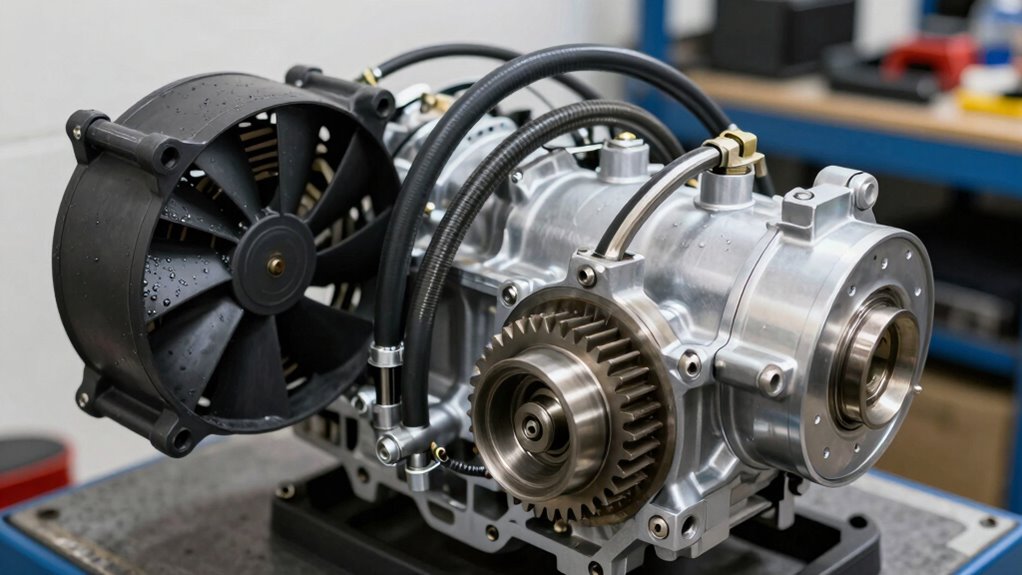
TUAIC 53822 7" 10 Blade Transmission Fan Fits Husqvarna Craftsman Lawn Mower Hydro Gear Replaces 584282001 Transaxle Cooling Fan
New: A brand-new, unused, unopened, undamaged item in its original packaging
As an affiliate, we earn on qualifying purchases.
As an affiliate, we earn on qualifying purchases.
Do You Need a Transaxle Cooler?
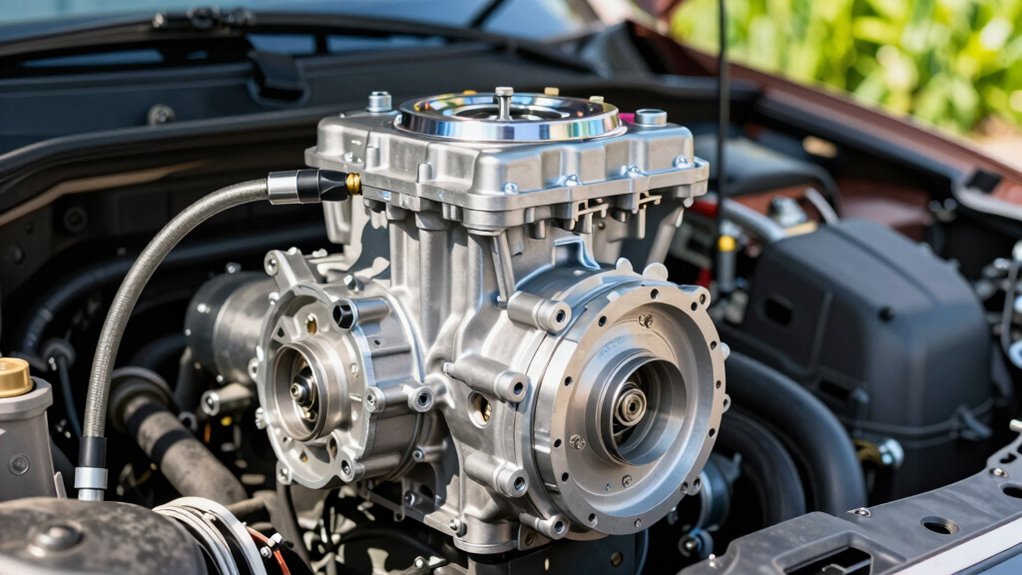
Whether you need a transaxle cooler largely depends on how you use your vehicle. The decision hinges on your transaxle design and the manufacturer’s recommendations. If your transaxle is built for heavy-duty tasks, towing, or frequent stop-and-go driving, a cooler can help prevent overheating. Some transaxles are designed with better heat dissipation, reducing the need for extra cooling, while others benefit from added protection. Always check your vehicle’s manual or manufacturer guidelines to determine if a cooler is recommended for your specific model. If your driving habits push the transaxle beyond normal operation, installing a cooler can extend its lifespan and improve performance. In less demanding conditions, however, a cooler might be unnecessary. Understanding transaxle heat management can help you make an informed decision about cooling solutions, especially when considering the impact of overheating risks on your vehicle’s longevity. Additionally, recognizing the signs of transaxle overheating can help you address issues before they lead to significant damage. Proper cooling system maintenance can also ensure your transaxle remains within safe operating temperatures and prevents unnecessary wear.

Hayden Automotive 678 Universal Rapid-Cool 9.5” x 11” Add-On Transmission Cooler – Not for Direct Replacement of the OE Cooler
Size Is 3/4 Inch X 11 Inch X 9-1/2 Inch
As an affiliate, we earn on qualifying purchases.
As an affiliate, we earn on qualifying purchases.
How Can You Tell if Your Transaxle Is Overheating?
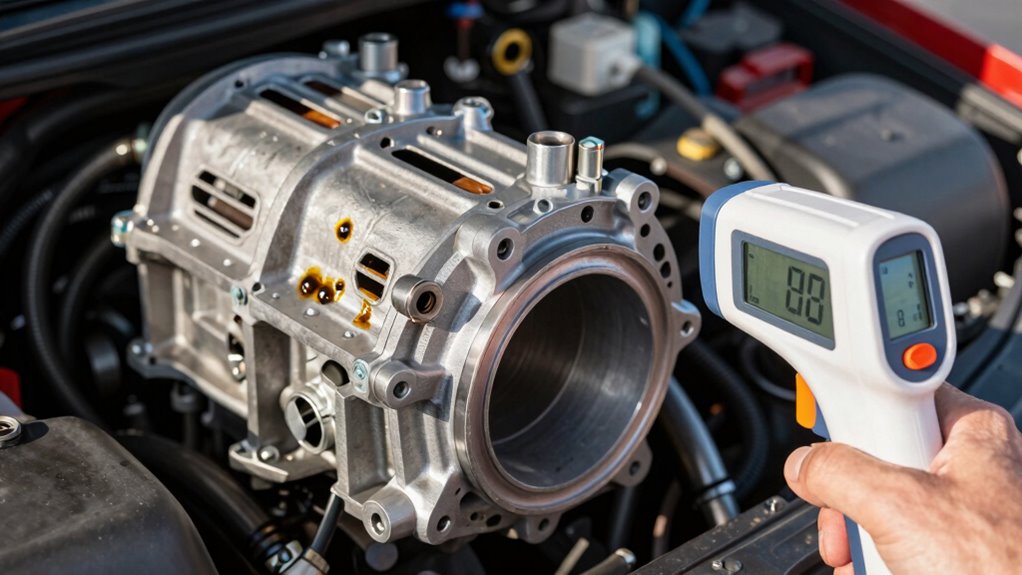
You can often tell your transaxle is overheating by listening for unusual noises during operation. Pay attention to excessive transmission temperature and whether the fluid looks burnt or dirty. Recognizing these signs early helps prevent costly damage and keeps your vehicle running smoothly. Additionally, monitoring digital literacy and staying informed about vehicle maintenance resources can help you better understand and address overheating issues. Regularly checking vehicle fluids can also serve as an early warning system for potential problems, especially since technology integration indicates that technological advancements are becoming more prevalent in modern vehicles. Being aware of component performance, such as the condition of your projector’s internal parts, can similarly prevent failures before they occur.
Unusual Noises During Operation
Unusual noises during operation can be a clear sign that your transaxle is overheating. If you notice a strange transaxle noise—such as whining, grinding, or squealing—it might indicate that the cooling system isn’t functioning properly. When the cooling system fails to keep the transaxle cool, components can expand or seize, causing abnormal sounds. These noises often become more noticeable under load or during acceleration. Ignoring them can lead to severe damage or failure. Pay attention to any new or unusual sounds coming from your transaxle area. Regularly inspecting your cooling system and listening for changes can help you catch overheating early. Addressing transaxle noise promptly can prevent costly repairs and keep your vehicle running smoothly.
Excessive Transmission Temperature
A sudden increase in transmission temperature is a clear sign that your transaxle may be overheating. If you notice coolant leaks around the transmission area, it’s a strong indicator that cooling systems aren’t functioning properly. Overheating can also be caused by poor cooler placement, where the cooler isn’t effectively dissipating heat. You might see warning lights on your dashboard or feel the transmission shifting roughly. Regularly check for hot spots or a burning smell, which suggest excessive heat. If your transaxle runs too hot, it’s vital to address the issue promptly to prevent damage. Proper cooler placement and inspecting for coolant leaks can help keep your transmission within safe temperature limits and avoid costly repairs down the line. Additionally, understanding the smart thermostat setup can help optimize your vehicle’s cooling system for better performance and longevity. Ensuring your cooling system is properly maintained can significantly reduce overheating risks and improve overall transmission health. Implementing advanced cooling solutions can further enhance temperature regulation and extend the lifespan of your transaxle. Regularly monitoring transmission temperature levels can help you catch issues early before they cause serious damage. Being aware of cooler effectiveness can help you determine whether your cooling system is functioning optimally.
Transmission Fluid Condition
Monitoring the condition of your transmission fluid provides direct insight into whether your transaxle is overheating. If the fluid appears dark, burnt, or smells burnt, it’s a sign of fluid degradation, which can hinder proper cooling. Old or contaminated fluid won’t transfer heat efficiently, increasing the risk of overheating. Additionally, if the fluid level is low, it suggests leaks or insufficient circulation within your cooling system. Regularly checking the fluid’s color, smell, and level helps you catch overheating issues early. Maintaining a healthy cooling system ensures the fluid stays in good condition longer, preventing breakdowns. Proper transaxle maintenance includes inspecting and replacing fluid as needed, which is essential for optimal performance. If you notice signs of fluid degradation, it’s time to flush and replace the fluid or inspect your cooling system for issues. Proper transaxle cooling is essential to prevent overheating and extend the lifespan of your vehicle. Additionally, using appropriate lubricants ensures your system operates efficiently and reduces the risk of overheating. Regularly consulting fluid condition indicators can help you stay ahead of potential issues before they escalate.

LPD47391 40k Transmission Oil Cooler Kit Low Pressure Drop Trans Cooler Compatible with Heavy Duty 40,000 GVW Max Includes Mounting Hardware
【IMPORTANT FUNCTION】Durable brazed aluminum construction, incorporates advanced low-pressure drop technology, 30% more cooling delivers maximum heat transfer. Maintain…
As an affiliate, we earn on qualifying purchases.
As an affiliate, we earn on qualifying purchases.
When Is It Best to Install a Cooler?
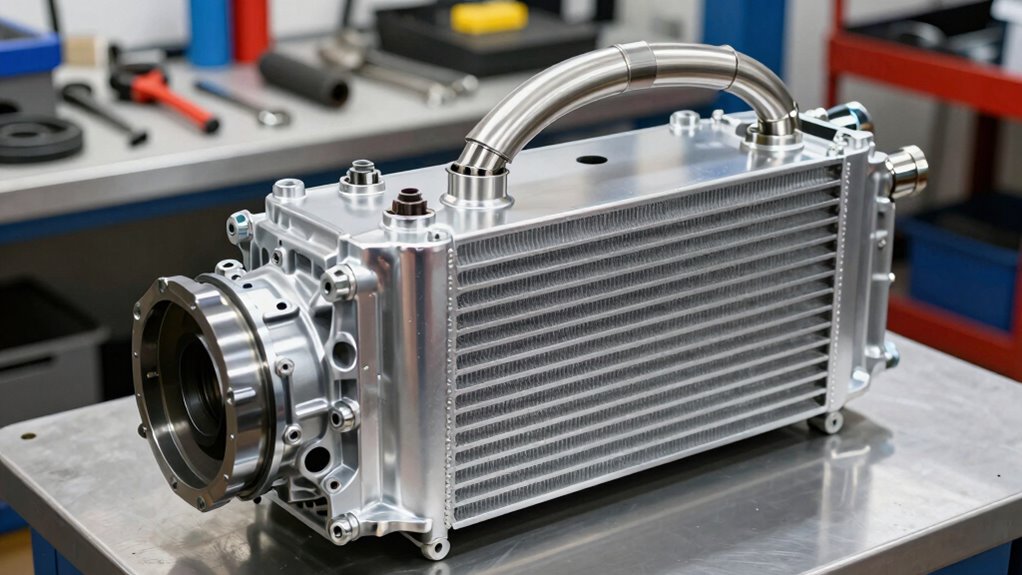
If you often tow heavy loads or operate in hot environments, it’s probably time to install a cooler. When your transaxle faces frequent use or high temperatures, cooling becomes essential to prevent damage. Recognizing these conditions helps you decide the right moment to add a cooler and protect your system. Additionally, ensuring proper cooling system safety can prevent potential hazards during operation. For example, high-performance heat dissipation mechanisms can significantly extend the lifespan of your transaxle components.
Heavy Towing Loads
Wondering when it’s time to install a cooler for heavy towing? If you’re hauling substantial loads regularly, a cooler can help prevent overheating. Heavy towing increases the strain on your transaxle, causing gear ratios to shift more frequently and clutch engagement to become more aggressive. These factors elevate heat buildup, risking damage to internal components. If you notice your transmission temperature rising quickly under load or shifting becomes sluggish, it’s a sign you need extra cooling capacity. Installing a cooler helps maintain ideal operating temperatures, ensuring smoother gear changes and prolonging transaxle life. For heavy towing, a dedicated cooler isn’t just beneficial—it’s essential to avoid costly repairs and maintain vehicle reliability. Proper cooling techniques can also be employed to teach drivers how to monitor and respond to transmission temperature levels effectively. Additionally, understanding transaxle heat management can help in making informed decisions about cooling upgrades.
High-Temperature Environments
High-temperature environments can substantially increase the risk of overheating your transaxle, especially during demanding driving conditions. When ambient temperatures soar, your cooling system works harder, raising transaxle fluid temps and possibly causing noise or damage. Consider these signs to determine if a cooler is necessary:
- Persistent transaxle noise under load, indicating heat stress.
- Frequent overheating warnings or fluid temperature spikes.
- Long drives in hot climates or high-speed highway use.
If you notice these issues, installing a transaxle cooler can help maintain ideal operating temperatures, reducing strain on the cooling system. Proper cooling prevents excessive heat buildup, which can lead to wear and potential failure. In high-temperature environments, a cooler isn’t just helpful—it’s essential for reliability.
Frequent Use Conditions
Frequent driving conditions that place consistent strain on your transaxle make installing a cooler a smart choice. If your transaxle design involves heavy-duty use or if you often drive in stop-and-go traffic, your cooling system faces continuous challenges. Repeated shifting and high torque can cause heat buildup, reducing component lifespan and risking failure. A dedicated cooler helps maintain ideal operating temperatures, preventing overheating. If you regularly tow or carry heavy loads, the added stress increases the need for enhanced cooling. In such cases, installing a cooler ensures your transaxle remains within safe temperature ranges, preserving its performance and longevity. Recognizing these frequent use conditions allows you to proactively protect your transaxle and avoid costly repairs.
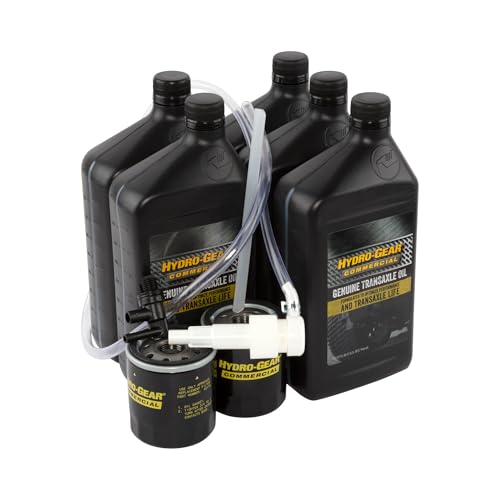
Hydro Gear Genuine 72750 Transaxle Service Kit for ZT2800 ZT3100 ZT3200 ZT3400
Brand New Genuine Hydro Gear 72750 Transaxle Service Kit For ZT2800 ZT3100 ZT3200 ZT3400…
As an affiliate, we earn on qualifying purchases.
As an affiliate, we earn on qualifying purchases.
Cases Where a Cooler Won’t Help Much
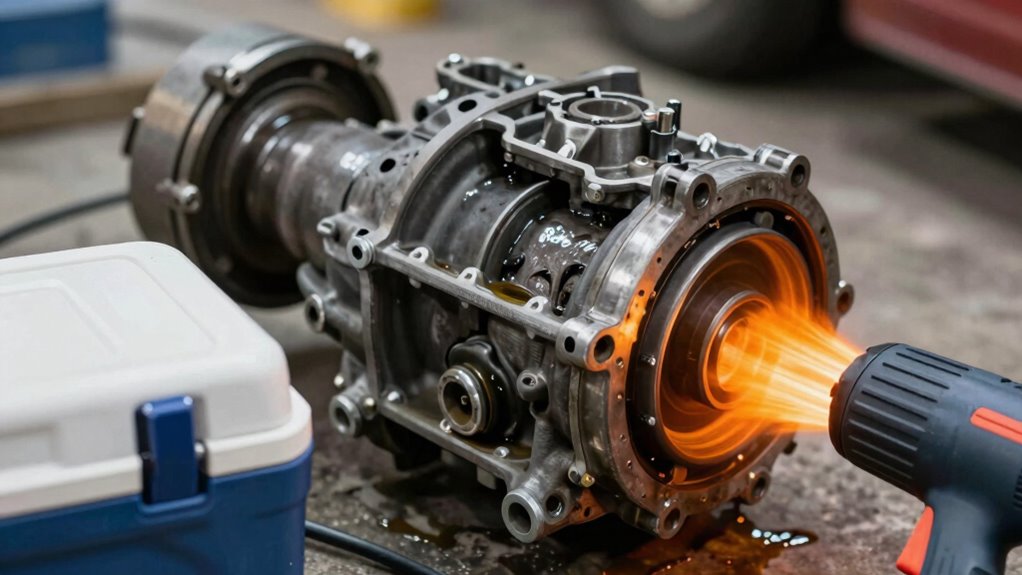
In some situations, installing a cooler on your transaxle won’t make much difference in preventing overheating. If your vehicle already has electronic sensors that monitor temperature, they might trigger cooling fans before a cooler is needed. Here are three cases where a cooler isn’t much help:
- When your transaxle operates within normal temperature ranges, and overheating isn’t an issue.
- If electronic sensors and cooling fans effectively control heat, adding a cooler provides minimal benefit.
- During short or infrequent drives, where heat buildup isn’t significant enough to warrant extra cooling.
In these scenarios, the existing cooling system handles heat well, making a dedicated cooler redundant and unlikely to improve performance or longevity.
Is a Transaxle Cooler Worth the Cost?
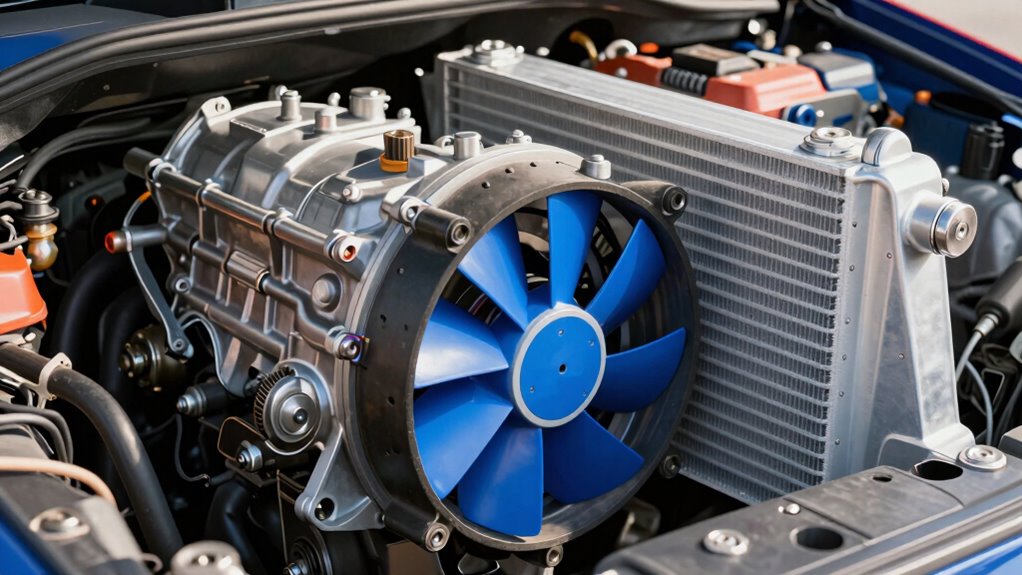
While your vehicle’s existing cooling system may handle transaxle heat effectively in many cases, adding a cooler isn’t always a cost-effective solution. You should perform a thorough cost benefit analysis to determine if the expense aligns with your driving habits and conditions. Cooler maintenance is another factor to consider; a cooler requires regular checks and potential repairs, which can add ongoing costs. If you mostly drive in mild climates or on short trips, a cooler might be an unnecessary expense. However, if you frequently tow heavy loads or drive in hot weather, the cooler could help prevent overheating and prolong transaxle life. Ultimately, weigh the initial investment against the potential savings from avoiding repairs and extending component lifespan.
How to Install and Maintain Your Transaxle Cooler
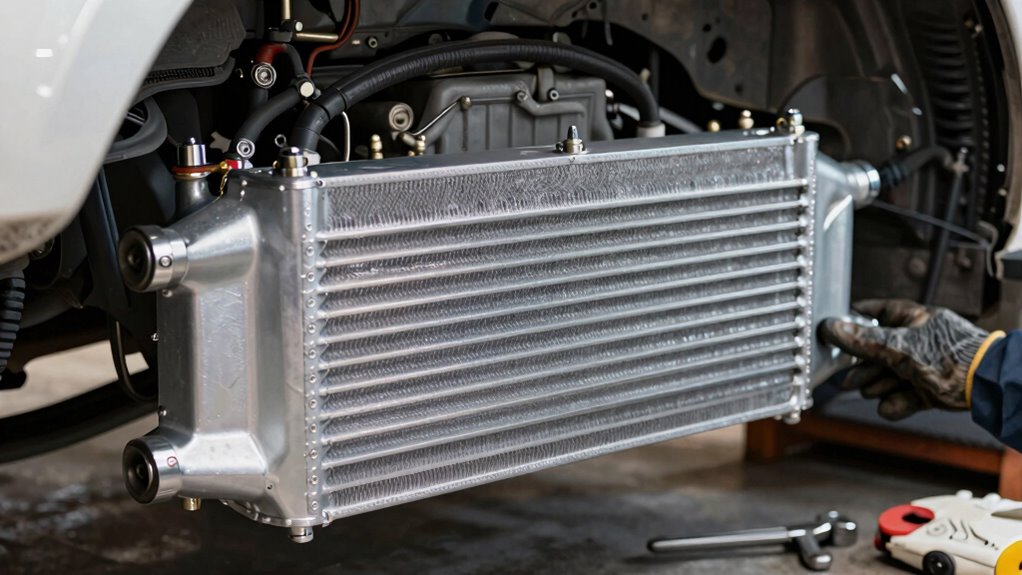
Installing a transaxle cooler involves selecting the right type, locating the ideal mounting position, and connecting it properly to guarantee efficient cooling. Proper installation ensures your cooler performs well and lasts longer. To get started:
- Choose a cooler compatible with your transaxle and vehicle setup.
- Mount it in a location with good airflow, avoiding heat sources and vibration.
- Use high-quality hoses and fittings, ensuring secure connections to prevent leaks.
For cooler maintenance, regularly check for leaks, clean the fins for maximum airflow, and ensure hoses remain in good shape. Following these installation tips helps maximize cooling efficiency and prolongs your cooler’s lifespan. Proper installation and maintenance are key to avoiding costly repairs and maintaining ideal transaxle performance.
Frequently Asked Questions
Can a Transaxle Cooler Prevent All Overheating Issues?
A transaxle cooler can substantially reduce overheating, but it won’t prevent all issues. Regular cooler maintenance is essential to guarantee it functions effectively. Over time, cooler replacement may be necessary if it becomes clogged or damaged. Keep an eye on temperature levels and coolant flow, and don’t rely solely on a cooler for protection. Proper maintenance and timely replacement are key to avoiding overheating problems altogether.
How Often Should I Check My Transaxle Cooler’s Performance?
You should check your transaxle cooler’s performance regularly, ideally every 3 to 6 months, especially if you use your vehicle heavily. Focus on cooler maintenance by inspecting for blockages, leaks, or corrosion. Performance monitoring involves ensuring the cooler isn’t clogged and that fluid temperatures stay within normal ranges. Regular checks help prevent overheating and extend the transaxle’s lifespan, saving you costly repairs down the line.
Are There Specific Driving Conditions That Increase Transaxle Overheating Risk?
You’re at higher risk of transaxle overheating during off-road driving or when towing heavy loads. Off-road conditions put extra strain on your transaxle due to uneven terrain and obstacles, while towing increases heat build-up from the added weight. If you notice higher temperatures during these activities, it’s a good idea to run a cooler. Otherwise, for light driving, a cooler might be unnecessary and could be a waste.
What Are the Signs of a Failing Transaxle Cooler?
If your transaxle cooler starts acting up, you’ll notice leaks, strange noises, or a sudden spike in temperature. It’s like your cooling system’s way of crying for help. Regular cooler maintenance helps prevent this. If upgrading your cooling system sounds tempting, make sure it actually improves performance—sometimes, fancy upgrades are just a waste. Keep an eye on signs of failure to avoid costly repairs down the road.
Is Aftermarket Cooling Better Than Factory-Installed Systems?
Aftermarket cooling systems can offer better performance upgrades, especially if you push your transaxle hard or tow heavy loads. They often have superior heat dissipation and custom options. When installing, follow the manufacturer’s tips carefully to guarantee proper fit and functionality. However, if your factory system adequately keeps temperatures in check, upgrading might be unnecessary and could add cost without real benefit. Always assess your driving needs before choosing an aftermarket cooler.
Conclusion
So, now you know when a transaxle cooler can save your ride and when it’s just unnecessary. Do you really need extra cooling for your driving style or conditions? If your transaxle runs hot often, investing in a cooler makes sense. But if it’s only occasional stress, it might be a waste. Stay attentive to your transaxle’s needs, and you’ll keep it running smoothly—because isn’t peace of mind worth a little extra effort?