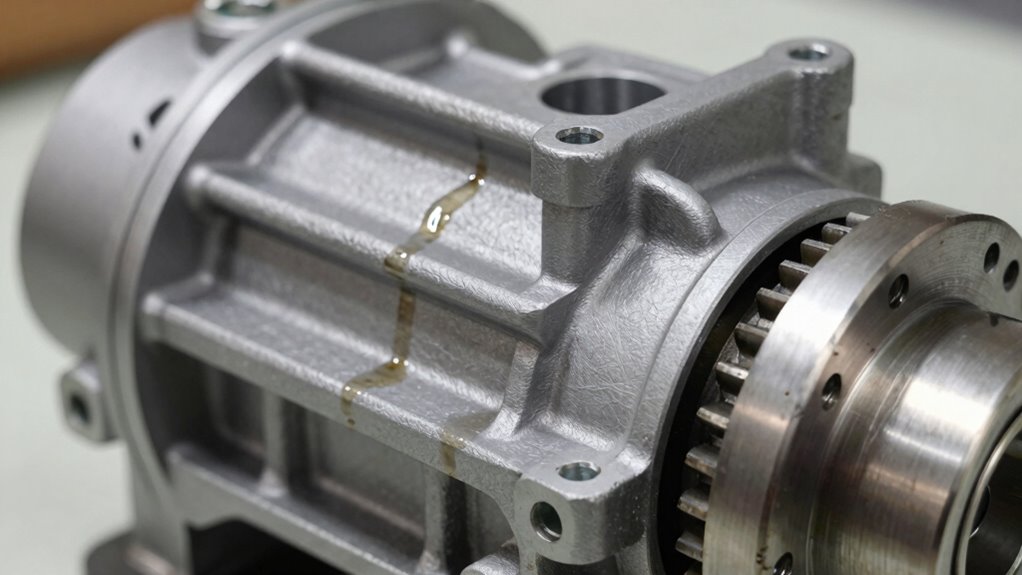

A quiet gearbox doesn’t always mean it’s healthy; silent operation can hide internal wear, misalignment, or contamination that aren’t immediately audible. Relying solely on sound ignores signs like unusual vibrations, temperature increases, or lubricant problems that signal trouble. Frequent inspections and multiple diagnostic checks are essential for early detection of issues. To protect your equipment and prevent sudden failures, it’s important to explore how different monitoring techniques work together for reliable condition assessment.

Get business pricing on garage and car supplies
- Business-only prices and quantity discounts
- Tax-exempt purchasing
- Multiple users, one account, clear invoices
Key Takeaways
- Low noise levels do not necessarily indicate internal wear or impending failure.
- Silent operation can mask early-stage damage detectable through vibration or lubricant analysis.
- Gearbox issues like misalignment or contamination often cause minimal noise but still cause deterioration.
- Relying solely on sound ignores other indicators like temperature, vibration, and oil condition.
- Regular inspections and multiple diagnostic methods are essential, regardless of noise levels.
As an affiliate, we earn on qualifying purchases.
Are Noise Levels Reliable Indicators of Gearbox Health?
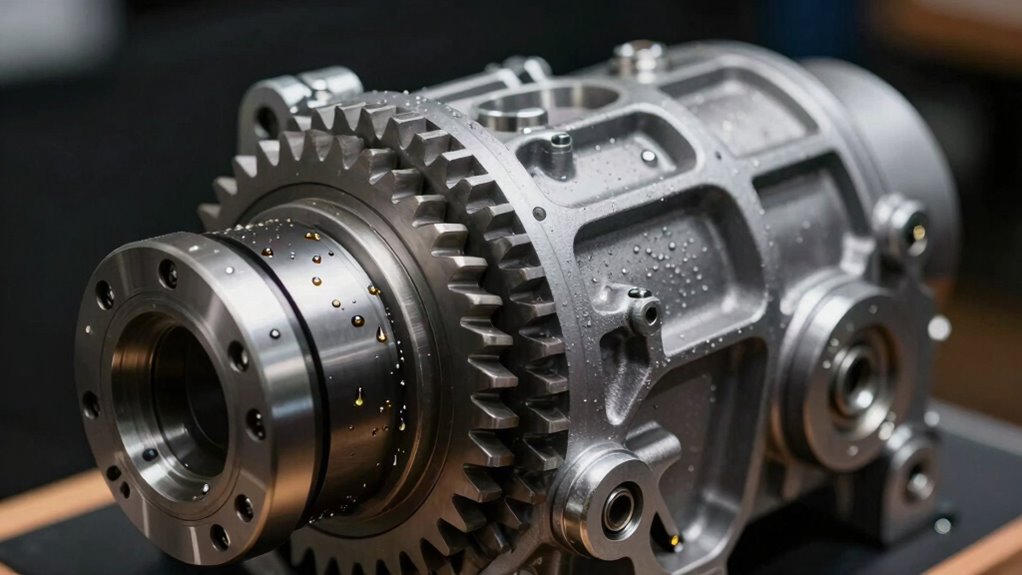
While high noise levels often signal problems in a gearbox, relying solely on sound to assess its health can be misleading. Noise can originate from various issues, but it doesn’t always indicate wear or failure. To get a clearer picture, you should consider noise frequency analysis, which helps identify specific fault patterns. Proper gearbox lubrication is essential, as inadequate lubrication can cause abnormal noises without immediate damage. By analyzing the noise frequency spectrum, you can distinguish between normal operational sounds and early signs of trouble. Keep in mind, a quiet gearbox isn’t always healthy, so don’t rely only on noise levels. Incorporating vibration analysis techniques alongside sound analysis can provide a more comprehensive understanding of gearbox condition. Understanding fault detection methods can enhance your ability to identify issues before they escalate. Combining sound assessment with regular maintenance and lubrication checks offers a more accurate evaluation of your gearbox’s health. Additionally, understanding the style of maintenance required can help prevent issues before they become serious. Incorporating preventive maintenance strategies can further reduce the risk of unforeseen failures and extend the lifespan of your gearbox. Regular inspections and monitoring can also help detect subtle early warning signs, ensuring timely interventions.
As an affiliate, we earn on qualifying purchases.
Signs Your Quiet Gearbox Might Still Be Worn Out
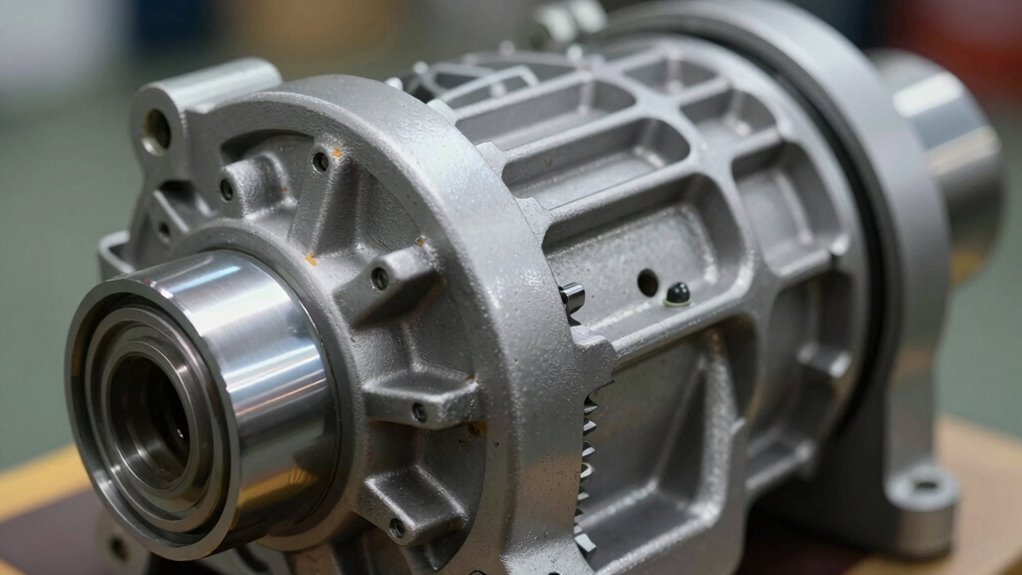
Just because your gearbox runs quietly doesn’t mean it’s free of problems. One sign to watch for is changes in lubrication consistency; if the oil appears gritty or thick, it can indicate wear or contamination that’s not audible. Additionally, inspect for visual corrosion on gears or bearing surfaces. Corrosion weakens components and can cause hidden damage, even if the noise level stays low. A lack of noise doesn’t guarantee smooth operation—internal wear might still be progressing. If you notice uneven lubrication or corrosion, it’s time to dig deeper. Lubricant quality is a crucial indicator of internal gearbox health, and monitoring it can help catch issues early. Regular visual checks and monitoring fabric decorating markers are essential to catch issues early before they lead to failure. Paying attention to humidity management in your environment can also prevent corrosion and extend the lifespan of gearbox components. Incorporating preventive maintenance practices can further improve maintenance schedules and prevent costly repairs. Understanding wear patterns can further improve maintenance schedules and prevent costly repairs.
gearbox temperature monitoring sensor
As an affiliate, we earn on qualifying purchases.
As an affiliate, we earn on qualifying purchases.
Inspection Techniques to Detect Gearbox Wear Without Noise

You can identify gearbox wear without relying on noise by using vibration analysis techniques that detect unusual patterns or intensities. Temperature monitoring methods also help spot abnormal heat buildup, signaling potential issues. Together, these approaches provide a clear picture of gear health even when sounds remain quiet. Additionally, inspecting for microplastics in dust around the gearbox area can reveal contamination or deterioration that might not produce noise but indicates underlying problems. Regularly assessing physical signs of wear such as unusual vibrations or leaks can also aid in early detection of gearbox issues. Implementing advanced diagnostic tools enhances the accuracy of non-noise based inspections, leading to more effective maintenance strategies. Incorporating preventive maintenance strategies can further reduce the risk of unnoticed damage progressing over time.
Vibration Analysis Techniques
Vibration analysis offers a powerful way to detect gearbox wear without relying on noise levels. By examining vibration patterns, you can identify subtle changes that signal early damage. Spectral analysis helps break down these vibrations into frequency components, revealing characteristic signatures of wear or misalignment. This technique enables you to detect issues before they escalate, improving maintenance planning. Use accelerometers to capture vibration data and analyze the spectra for anomalies. Here’s a quick overview:
| Technique | Focus | Benefit |
|---|---|---|
| Vibration Pattern Analysis | Changes over time | Early wear detection |
| Spectral Analysis | Frequency components | Precise fault identification |
| Time-Domain Analysis | Raw vibration signals | Quick screening |
| Frequency-Domain Analysis | Spectral data | Detailed diagnostics |
Applying these methods keeps your gearbox in top shape without noise distractions. Regular calibration of your sensors and understanding vibration signatures can further enhance diagnostic accuracy.
Temperature Monitoring Methods
Building on vibration analysis techniques, temperature monitoring provides a straightforward way to detect gearbox wear silently. Infrared sensors and thermal imaging allow you to measure temperature changes in real-time, revealing issues before noise levels rise. Thermal imaging cameras can identify hotspots indicating friction, misalignment, or lubrication problems. Infrared sensors integrated into the gearbox can continuously monitor temperature fluctuations, alerting you to abnormal conditions. Elevated temperatures often precede mechanical failure, making this method vital for early detection. Unlike sound-based inspections, temperature monitoring is unaffected by ambient noise, providing a clear, reliable picture of gear health. Thermal imaging can cover large areas quickly, making it an efficient tool for comprehensive inspections. Regular temperature checks help you catch wear early, reduce downtime, and avoid costly repairs, ensuring your gearbox operates smoothly without relying solely on noise.
As an affiliate, we earn on qualifying purchases.
Why Relying Only on Sound Can Risk Gearbox Failures
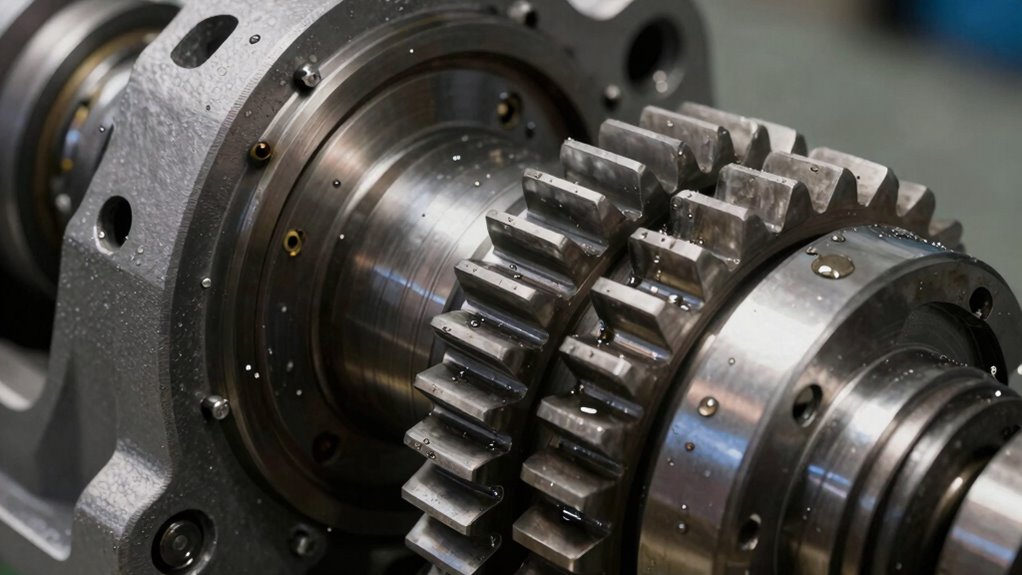
Relying solely on sound can cause you to miss hidden mechanical issues that don’t produce noise. Quiet operation might mask early signs of wear or damage, leading you to overlook potential failures. Without other inspection methods, you risk missing critical problems that could cause costly breakdowns later. Regular maintenance routines, including filtration and pump protection, are essential to detect issues before they escalate. Incorporating visual inspections can help identify wear or damage that isn’t immediately audible. Additionally, implementing system monitoring tools can provide early warnings of mechanical deterioration before symptoms become apparent, much like how HRV insights can reveal hidden stress or recovery deficits in the body.
Hidden Mechanical Issues
Even if your gearbox runs quietly, it doesn’t mean everything is in perfect condition. Hidden mechanical issues like lubrication problems can silently cause significant damage. Insufficient or degraded lubrication leads to increased friction, wear, and eventual failure of gears and bearings, often without noticeable noise initially. Similarly, alignment problems may not produce immediate sound changes but can cause uneven load distribution, excessive wear, and early component failure over time. Relying solely on sound overlooks these underlying issues that progress silently until catastrophic failure occurs. Regular inspections and maintenance are essential to catch lubrication deficiencies and misalignment early. Ignoring these hidden problems risks sudden breakdowns despite the gearbox’s quiet operation, making proactive checks vital for long-term reliability.
Noise Masking Problems
While a gearbox may produce little or no noise, it doesn’t mean everything is functioning properly. Noise masking can hide underlying issues, making it seem like your gearbox is in good shape when it’s not. Relying solely on sound risks overlooking early failures or wear that don’t generate audible signals. Stealth maintenance, which aims to minimize noise, can inadvertently conceal problems that need attention. Additionally, proper diagnostics are crucial for a comprehensive assessment, as they can detect issues that are not audible. This makes diagnostic tools essential for a thorough evaluation. Incorporating vibration analysis can reveal subtle shifts or abnormalities in operation that noise levels alone might miss, providing a more complete picture of gear health. Using Suprem fabric in gear components can also enhance durability and reduce maintenance needs, contributing to more reliable performance. This false sense of security can lead to unexpected breakdowns or costly repairs. To avoid these pitfalls, combine sound checks with vibration analysis and regular inspections, ensuring you detect issues before they escalate, even when noise levels are deceptively low.
Best Practices for Monitoring Gearbox Condition Effectively
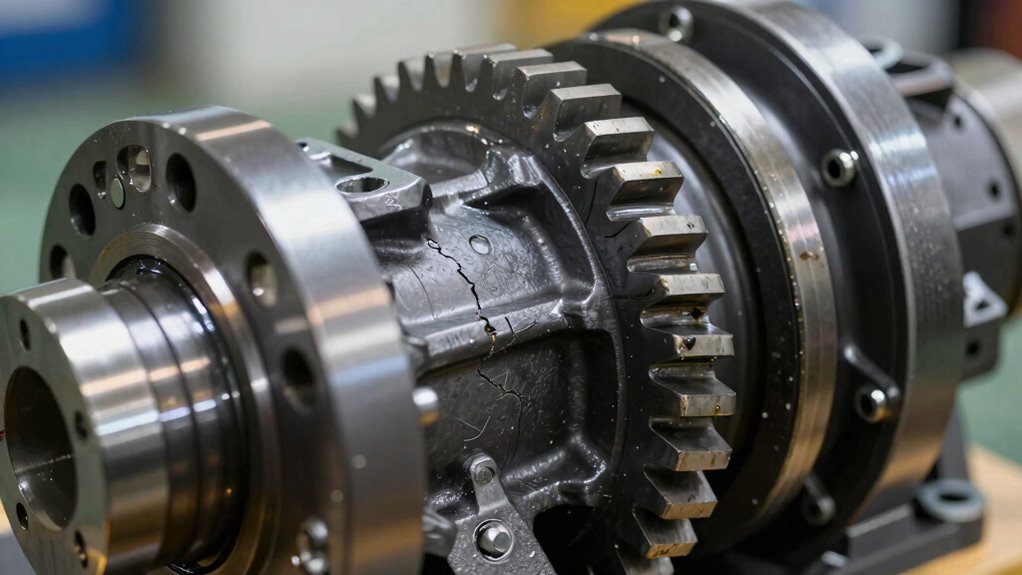
Effective monitoring of gearbox condition requires implementing reliable techniques that detect issues early. Regular lubricant analysis helps you identify contamination, metal particles, and viscosity changes, providing crucial clues about wear and internal damage. Visual inspections allow you to catch obvious signs of leaks, corrosion, or misalignment before they escalate. To stay ahead, develop a maintenance routine that includes these practices:
- Perform routine lubricant analysis to uncover hidden problems.
- Conduct visual inspections for early signs of wear or damage.
- Use data from vibration and acoustic sensors to detect subtle changes.
When and How to Inspect a Quiet Gearbox to Prevent Breakdowns
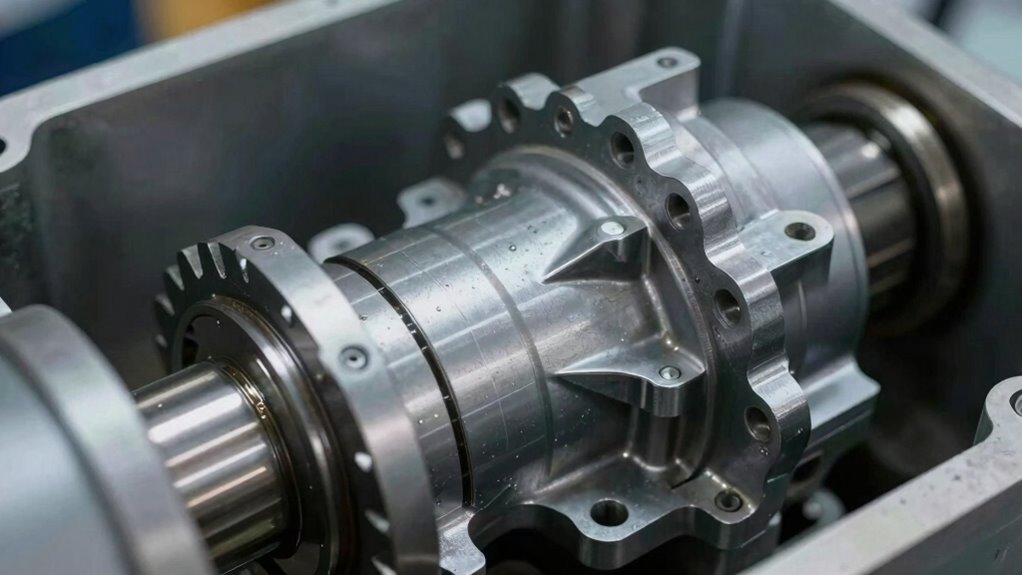
Monitoring a quiet gearbox is crucial because silence can mask underlying issues that may lead to catastrophic failure. Regular inspections should be scheduled based on your maintenance schedules, even if the gearbox operates quietly. Check for irregularities in gearbox lubrication, as insufficient or contaminated lubrication can cause damage unseen by sound. Inspect for signs of wear, metal particles, or unusual vibrations during routine maintenance. Use vibration analysis and temperature monitoring to detect early problems without relying solely on noise. Schedule inspections more frequently if your gearbox operates under heavy loads or harsh conditions. By combining visual checks, lubrication assessments, and monitoring tools, you guarantee your quiet gearbox stays healthy and reliable, preventing unexpected breakdowns before they escalate.
Frequently Asked Questions
Can a Gearbox Be Failing Without Any Noticeable Noise?
Yes, your gearbox can be failing without any noticeable noise. Silent operation doesn’t always mean everything’s fine; subtle signs like difficulty shifting, slipping gears, or unusual vibrations might indicate trouble. You might not hear anything, but internal wear or damage could still be happening. Keep an eye on how it performs, and address these subtle signs early to prevent costly repairs down the line.
What Non-Auditory Signs Indicate Gearbox Wear?
You can spot gearbox wear through non-auditory signs like increased vibrations during operation, which vibration analysis can detect early. Additionally, check for oil contamination, such as metal particles or discoloration, indicating internal wear. These signs often appear before noise becomes noticeable, so regular monitoring helps you catch issues early and prevent costly failures. Stay vigilant by analyzing vibration patterns and inspecting oil quality consistently.
How Often Should Quiet Gearboxes Undergo Detailed Inspections?
Think of your quiet gearbox as a delicate plant; it needs regular care to thrive. You should schedule detailed inspections every 6 to 12 months, depending on usage and operating conditions. Stick to a consistent maintenance schedule to catch issues early and prevent costly failures. Regular inspections make sure you catch non-auditory signs of wear, keeping your gearbox running smoothly and extending its lifespan.
Are There Specific Lubricant Issues That Cause Silent Gearbox Failures?
Yes, lubricant issues can cause silent gearbox failures. If lubricant degradation occurs, it loses its effectiveness, leading to increased friction and wear without noise alerts. Contamination issues, like dirt or metal particles, can also compromise the lubricant, causing internal damage. Regular inspection and proper maintenance help detect these issues early, preventing silent failures that might otherwise go unnoticed until significant damage happens.
How Does Temperature Fluctuation Affect a Quiet Gearbox’s Condition?
Temperature fluctuations impact your quiet gearbox by causing thermal expansion, which can lead to misalignment or increased stress on components. As temperatures rise, lubricant viscosity decreases, reducing its effectiveness in lubricating parts. Conversely, lower temperatures thicken the lubricant, increasing resistance and wear. These changes can occur even in a quiet gearbox, making it essential to monitor temperature and maintain proper lubrication to prevent unexpected failures.
Conclusion
Don’t rely solely on noise to judge your gearbox’s health — it’s like judging a book by its cover. Even if it’s whisper-quiet, hidden wear can still be lurking beneath the surface. Regular inspections and proper monitoring are your best tools to catch issues early. Think of it as tuning an instrument; quiet doesn’t always mean perfect, so stay vigilant to keep everything running smoothly and avoid unexpected breakdowns.
Fall Picks
fall essentials
As an affiliate, we earn on qualifying purchases.