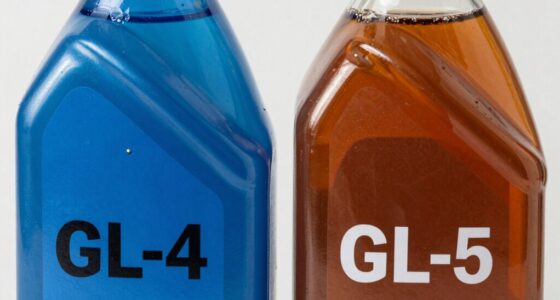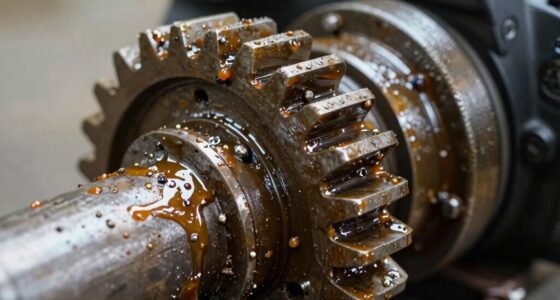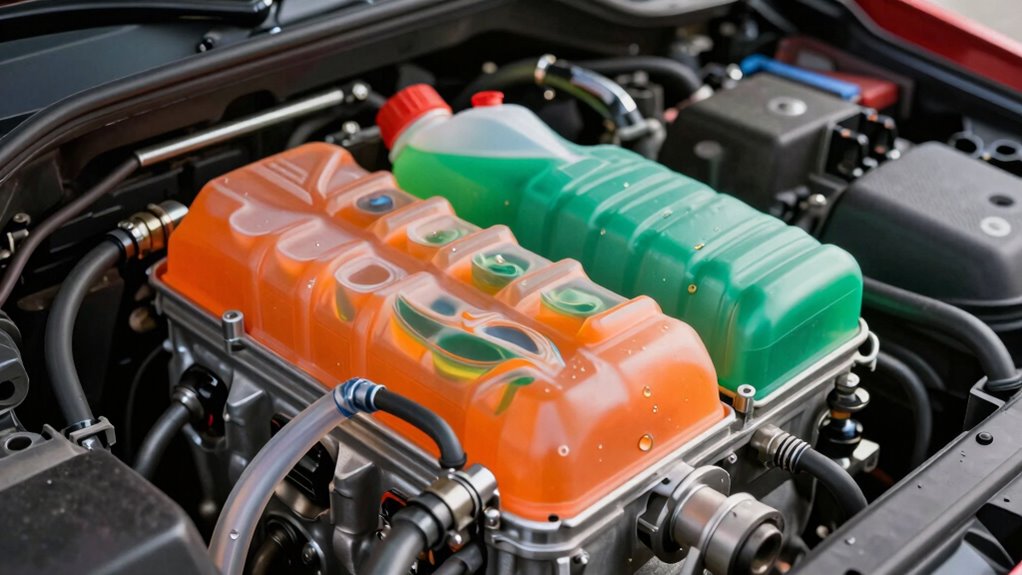

Using mismatched or incorrect oil specifications can produce symptoms that seem like genuine mechanical failures, such as overheating, unusual noises, or increased wear. These fake signs often lead you to diagnose and replace components unnecessarily, when in fact, the real issue is fluid incompatibility. Small oversights in selecting the right oil can cause major operational problems, and if you want to understand how to prevent these false symptoms, there’s more to uncover.
Key Takeaways
- Mismatched fluids cause chemical reactions that mimic mechanical failures, leading to false symptoms like overheating and wear.
- Using incompatible oils results in deposits and sludge, which clog filters and passages, creating the illusion of component issues.
- Wrong fluids can damage seals and gaskets, causing leaks and operational problems mistaken for mechanical faults.
- Incompatible lubricants accelerate wear and generate noise, often misinterpreted as equipment breakdowns.
- Failure to verify fluid specifications leads to diagnostic confusion, prompting unnecessary repairs and overlooking the real cause.
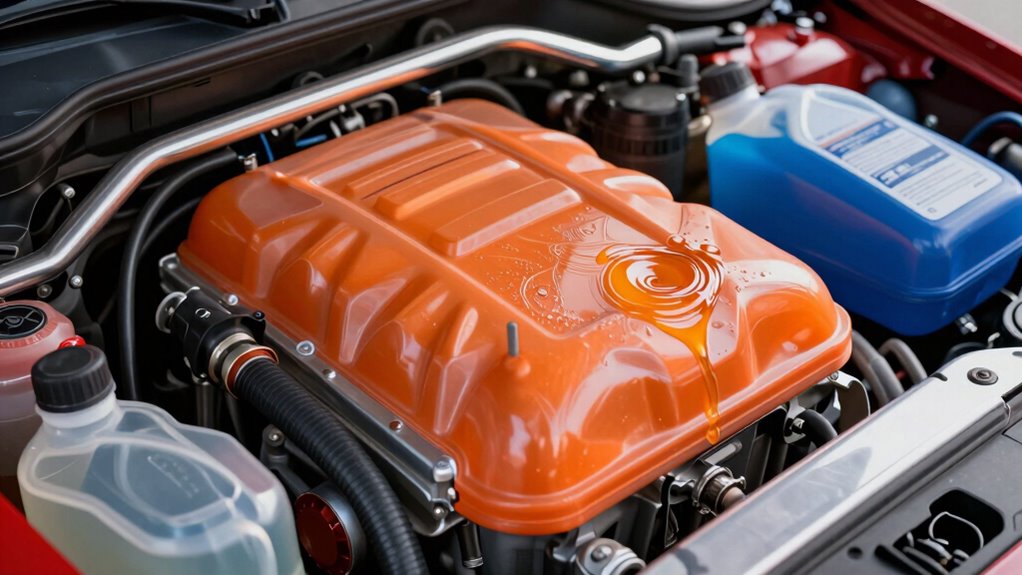
Have you ever experienced a project failure because the wrong specifications were chosen? It’s a frustrating situation that often stems from overlooked details, especially when it comes to selecting the right fluids for machinery. One common pitfall is ignoring oil incompatibility, which can lead to serious issues that mimic more severe problems. When incompatible oils are used, they don’t just fail to lubricate properly—they can cause chemical reactions, thickening, or corrosion inside the system. These symptoms may look like mechanical failures or contamination, but in reality, they originate from the wrong fluid choice. This misstep is a classic example of a maintenance pitfall that can be easily avoided with proper knowledge and careful selection.
Choosing the wrong fluid can cause false mechanical failures and costly maintenance pitfalls.
When you choose the wrong oil, it might seem like a minor mistake, but it can have major consequences. For instance, if you use a lubricant not designed for the specific operating temperature or pressure conditions, it can break down prematurely or create deposits that clog filters and passages. Over time, these issues cause the equipment to perform poorly, often prompting costly repairs or replacements. The tricky part is that the symptoms—such as increased wear, overheating, or unusual noises—are often mistaken for other mechanical issues. This misdiagnosis leads to unnecessary troubleshooting or component replacement, further escalating maintenance pitfalls.
Furthermore, using incompatible oils can accelerate wear and tear, reduce efficiency, and even damage seals and gaskets. For example, certain synthetic oils are incompatible with petroleum-based lubricants. Mixing them can cause a chemical reaction that results in sludge formation or loss of lubrication properties. If you don’t recognize this, you might replace worn parts only to find the same symptoms reappear, unaware that the root cause was a fluid mismatch. This cycle of trial and error underscores how critical it is to understand oil compatibility and stick to manufacturer specifications when selecting fluids.
To avoid these issues, it’s essential to consult technical datasheets and adhere strictly to the recommended specifications for each piece of equipment. Proper training and clear communication within your maintenance team also help prevent accidental use of incompatible fluids. Remember, what seems like a small oversight—choosing the wrong oil—can trigger a cascade of problems that look like other failures but are actually symptoms of a fluid mismatch. By paying close attention to oil compatibility and understanding potential maintenance pitfalls, you can save time, money, and prevent unnecessary downtime. Ultimately, selecting the right specifications isn’t just about compliance; it’s about ensuring reliable, efficient operation and avoiding the fake symptoms that come from the “wrong spec.”

Oil Pressure Tester Tool, Oil Pressure Gauge kit, 0-140 PSI Pressure Test Diagnostic Tools, Engine Oil Pressure Tester Tool kit, for car Truck (Blue)
- Dual Display Pressure Gauge: Clear scale with shockproof cover
- Complete Adapter Set: 10 high-quality metal adapters for various engines
- Universal Compatibility: Fits most gasoline and small diesel engines
As an affiliate, we earn on qualifying purchases.
As an affiliate, we earn on qualifying purchases.
Frequently Asked Questions
Can Using the Wrong Fluid Void Vehicle Warranties?
Using the wrong fluid can indeed void your vehicle warranty, especially if it leads to damage. Manufacturers are strict about fluid compatibility because mismatched fluids can cause unseen damage, complicating warranty claims. If you experience issues and your mechanic used the incorrect fluid, your warranty could be denied. Always double-check fluid specifications to protect your warranty and guarantee your vehicle runs smoothly without risking costly repairs.
How Can I Identify Mismatched Fluids Early?
You can identify mismatched fluids early by regularly checking fluid color, consistency, and smell, which can indicate incompatibility. Pay attention to unusual changes in performance or warning lights, as they may signal fluid issues. Use manufacturer-recommended fluids to guarantee fluid compatibility. Routine inspections and staying aware of subtle signs help you catch problems early, preventing damage and costly repairs caused by mismatched fluids.
Are Synthetic Fluids More Forgiving of Incorrect Specifications?
Synthetic fluids are generally more forgiving of incorrect specifications due to their advanced fluid formulation and synthetic compatibility. They often maintain better lubrication and performance even if the wrong fluid type is used. However, it’s still essential to match the fluid formulation precisely to your equipment’s requirements, as using incompatible synthetic fluids can cause issues over time. Always check the manufacturer’s guidelines for ideal results.
What Are the Long-Term Effects of Wrong Fluid Use?
Using the wrong fluid causes long-term effects like accelerated fluid degradation and contaminant buildup. You might notice equipment running less efficiently, increased wear, or unexpected breakdowns. Over time, these issues worsen, leading to costly repairs and reduced lifespan of machinery. You can prevent this by choosing the right fluid, regularly inspecting it, and replacing it when needed. Staying vigilant helps protect your equipment and keeps it running smoothly longer.
How Often Should Fluid Specifications Be Verified?
You should verify fluid specifications regularly, ideally during each maintenance scheduling, to confirm fluid compatibility. Frequent checks help catch any mismatched fluids before they cause fake symptoms or damage. Always follow manufacturer guidelines for intervals, and if you notice any discrepancies or unusual performance, verify fluid specs immediately. Staying proactive in fluid compatibility checks minimizes risks, extends equipment life, and keeps your system running smoothly.

SEDY Fluid Extractor – 200cc Multi-Purpose Syringe, Oil Suction Pump, Manual Extraction and Filling Pump, Automotive Oil Syringe
- Efficient 200cc Multi-Purpose Syringe: Suitable for brake, gear oil, and power steering fluid
- Durable Construction: Made from oil and chemical-resistant polypropylene
- Sealed Double Plunger: Ensures reliable sealing for brake and anti-freeze fluids
As an affiliate, we earn on qualifying purchases.
As an affiliate, we earn on qualifying purchases.
Conclusion
Sticking to the right fluid specifications is vital; using the wrong one can mimic serious issues, leading you to unnecessary repairs. Did you know that over 30% of vehicle failures are linked to improper fluid use? This highlights how small mistakes can cause costly problems and false alarms. Always double-check your fluids to avoid these hidden risks, save money, and keep your vehicle running smoothly. Proper maintenance isn’t just routine — it’s essential for lasting performance.

15620-31060 Oil Filter Housing Cap Assembly Kit 04152-YZZA1 15643-31050
- Durable Aluminum Construction: Made from high-grade 6061 T6 billet aluminum
- OEM-Quality Fit: Replaces multiple OEM part numbers accurately
- Enhanced Durability: Resists cracking, stripping, and leaks
As an affiliate, we earn on qualifying purchases.
As an affiliate, we earn on qualifying purchases.

Castrol EDGE 0W-20 Advanced Full Synthetic Motor Oil, 5 Quarts
- Enhanced Strength: 3X stronger than leading synthetic
- High Stress Performance: 10X better under stress
- Long Oil Change Interval: 20,000 miles between changes
As an affiliate, we earn on qualifying purchases.
As an affiliate, we earn on qualifying purchases.