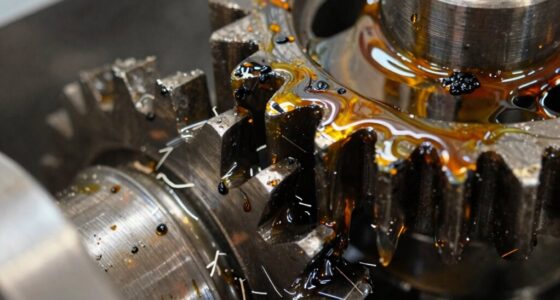
The viscosity temperature curve shows how oil viscosity changes with temperature, helping you predict potential problems in machinery. As temperatures rise, viscosity drops, making lubrication less effective, while cooler temperatures cause viscosity to increase, risking flow issues. By understanding this curve, you can choose the right oils and adjust maintenance practices to prevent failures and optimize performance. Want to discover key strategies to keep everything running smoothly? Keep exploring to find out more.

Get garage and car supplies delivered free — and shop member deals
- Fast, free delivery on millions of items
- Access to Prime Big Deal Days deals on October 6–7
- Prime Video, Amazon Music and more included
Key Takeaways
- The viscosity temperature curve predicts operational issues by showing how viscosity varies with temperature changes.
- It helps identify risks like startup difficulties in cold conditions or overheating at high temperatures.
- Understanding the curve guides proper lubricant selection and system adjustments to prevent flow problems.
- It reveals how small temperature shifts can cause significant viscosity changes, impacting machinery performance.
- The chart aids in designing maintenance strategies and selecting additives to stabilize viscosity across temperature ranges.
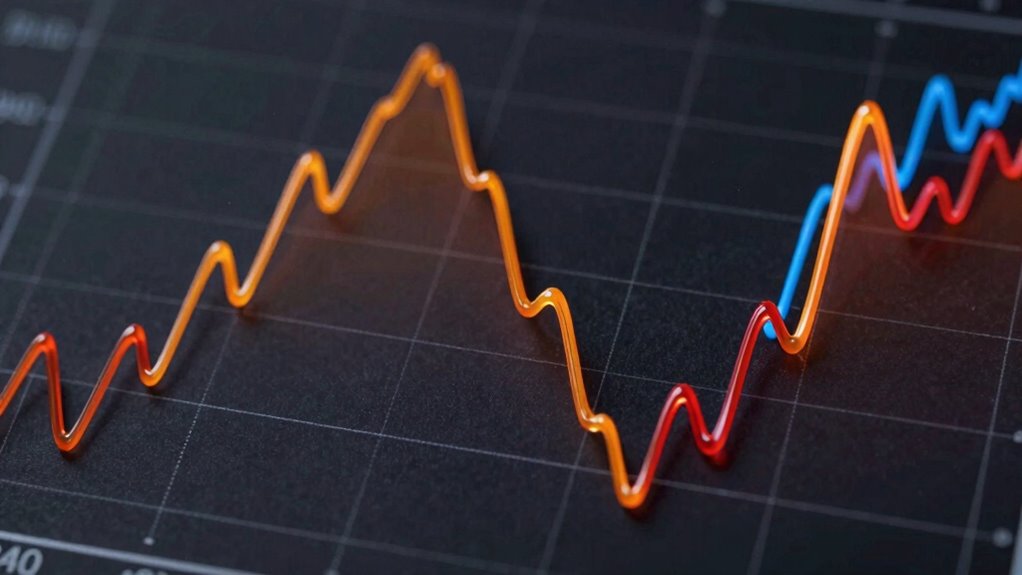
Have you ever wondered how a liquid’s viscosity changes with temperature? Understanding this relationship is key to predicting how substances behave under different conditions. When it comes to oils, this becomes especially important because oil flow directly impacts machinery performance, lubrication, and overall system efficiency. The viscosity temperature curve visually represents how viscosity varies as temperature shifts, giving you a clear picture of the temperature effects on liquids. As temperature increases, oil molecules gain energy, moving more freely and reducing resistance to flow. This means the oil becomes less viscous, allowing it to flow more easily through pipes, filters, and engine components. Conversely, when temperatures drop, the molecules slow down, and the oil thickens, making flow more difficult and potentially causing problems like starting difficulty or inadequate lubrication.
Understanding how oil viscosity varies with temperature helps optimize performance and prevent machinery issues.
This curve isn’t just a theoretical tool—it’s crucial for predicting and preventing issues in many industries. For example, in engine maintenance, knowing how oil viscosity changes with temperature helps you select the right oil grade for different climates and operating conditions. If the oil becomes too thick in cold weather, it may not circulate properly at startup, leading to increased wear or even engine damage. On the other hand, if the oil thins too much at high temperatures, it may fail to provide sufficient lubrication, risking overheating or component failure. By studying the viscosity temperature curve, you can anticipate these problems and adjust your oil choice accordingly, ensuring your machinery operates smoothly across a range of temperatures.
Temperature effects on oil flow are exponential, not linear. Small changes in temperature can cause significant shifts in viscosity, which is why understanding this curve is essential for engineers and maintenance professionals. It also helps in designing lubrication systems that can accommodate these variations and maintain optimal performance. It allows you to predict how an oil’s flow characteristics will change throughout the day or during different seasons. This knowledge helps prevent costly downtime and repairs by enabling proactive adjustments—like switching to a different oil grade or adding viscosity modifiers. Additionally, many lubricants are formulated with additives designed to stabilize viscosity across a temperature range, but their effectiveness depends on understanding the specific viscosity temperature curve for each application.
In essence, the viscosity temperature curve acts as a guidebook for managing oil flow and ensuring machinery runs reliably. It highlights how temperature effects influence viscosity, encouraging you to consider these factors in your maintenance routines and equipment design. By paying close attention to this curve, you can avoid common problems associated with improper lubrication, extend equipment life, and optimize performance even in challenging temperature conditions. Recognizing the importance of the viscosity temperature curve empowers you to make smarter choices about lubricants and operating parameters, ensuring smoother operation and fewer surprises down the line.
As an affiliate, we earn on qualifying purchases.
Frequently Asked Questions
How Is the Viscosity Temperature Curve Generated?
You generate the viscosity temperature curve by performing viscosity measurements at various temperatures, ensuring accurate temperature calibration throughout the process. As you record viscosity data at each temperature, you plot these points to visualize how viscosity changes with temperature. This curve helps predict potential problems, such as thickening or thinning of fluids, allowing you to make informed decisions about fluid performance and maintenance needs.
Can the Curve Predict Viscosity Issues in Real-Time?
You can detect potential viscosity issues in real-time using the curve, provided you perform accurate viscosity measurement and maintain proper temperature calibration. While it’s not a crystal ball, this curve gives you a valuable glimpse into your fluid’s behavior under changing conditions. By continuously monitoring, you might catch subtle shifts early, allowing you to adjust operations before minor problems become more serious. It’s a helpful tool for proactive maintenance.
What Are Common Problems Indicated by the Curve?
You can identify common problems like poor lubrication efficiency and potential equipment failure through the viscosity temperature curve. When the curve shows viscosity outside ideal ranges, it indicates that your lubrication isn’t functioning properly, risking manufacturing process disruptions. Monitoring this curve helps you spot issues early, allowing timely adjustments to maintain smooth operation and prevent costly downtime. Staying attentive ensures your machinery runs efficiently and prolongs its lifespan.
How Does Temperature Fluctuation Affect Viscosity Predictions?
You might think temperature fluctuations are harmless, but they actually mess with viscosity predictions more than you’d like. As temperature varies, thermal expansion causes fluid molecules to spread out or tighten, drastically altering viscosity. In fluid dynamics, this unpredictability can lead to faulty performance or damage. So, don’t ignore temperature swings—they’re the sneaky villains behind viscosity miscalculations, turning smooth operation into a chaotic, unpredictable mess.
Are There Industry Standards for Viscosity Temperature Curves?
Yes, industry standards for viscosity temperature curves exist to guarantee consistency and safety. You should follow industry compliance guidelines, which specify testing protocols for measuring viscosity across temperature ranges. These standards help you predict potential problems, optimize equipment performance, and maintain product quality. By adhering to these protocols, you ensure your processes meet regulatory requirements and achieve reliable viscosity predictions, reducing risks associated with temperature fluctuations.
multi-grade motor oil for cold climates
As an affiliate, we earn on qualifying purchases.
As an affiliate, we earn on qualifying purchases.
Conclusion
Understanding the viscosity temperature curve helps you predict and prevent equipment issues before they happen. Did you know that fluids can become up to 10 times more viscous at lower temperatures? This statistic highlights why monitoring the curve is vital for peak performance. By paying attention to temperature changes, you can guarantee smoother operation, reduce downtime, and save costs. So, keep a close eye on your viscosity temperature curve—you’ll thank yourself later.
viscosity modifiers for lubricants
As an affiliate, we earn on qualifying purchases.
As an affiliate, we earn on qualifying purchases.
As an affiliate, we earn on qualifying purchases.
Halloween Picks
halloween
As an affiliate, we earn on qualifying purchases.