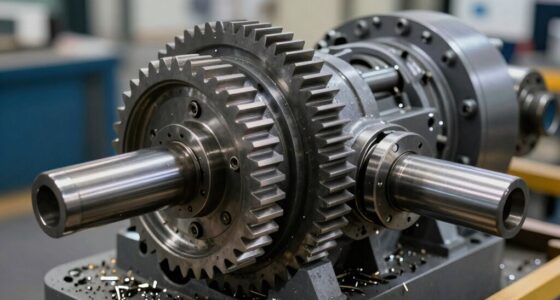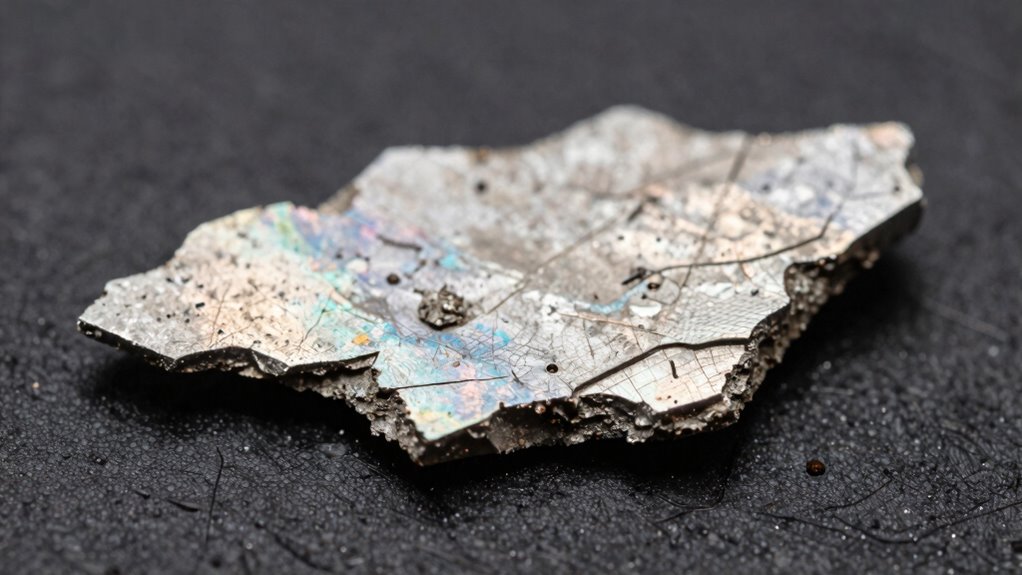

Using microscopy, you can quickly analyze wear debris to determine the type of wear occurring. You’ll observe the size and shape of particles—sharp, angular debris can indicate abrasive wear, while rounded particles suggest fatigue or corrosion. This real-time insight helps you assess wear severity and progression without needing complex lab tests. By exploring debris features further, you’ll uncover even more clues into material health and damage mechanisms.

Get business pricing on garage and car supplies
- Business-only prices and quantity discounts
- Tax-exempt purchasing
- Multiple users, one account, clear invoices
Key Takeaways
- Visualize debris size and shape in real-time using handheld or digital microscopes for immediate wear assessment.
- Identify wear mechanisms by distinguishing angular, sharp particles from rounded ones without laboratory tests.
- Detect contamination or third-body particles that may accelerate wear processes through direct microscopy observation.
- Monitor morphological changes over time to predict wear progression and inform maintenance decisions.
- Use debris features to infer the severity and type of wear, supporting troubleshooting without complex testing equipment.
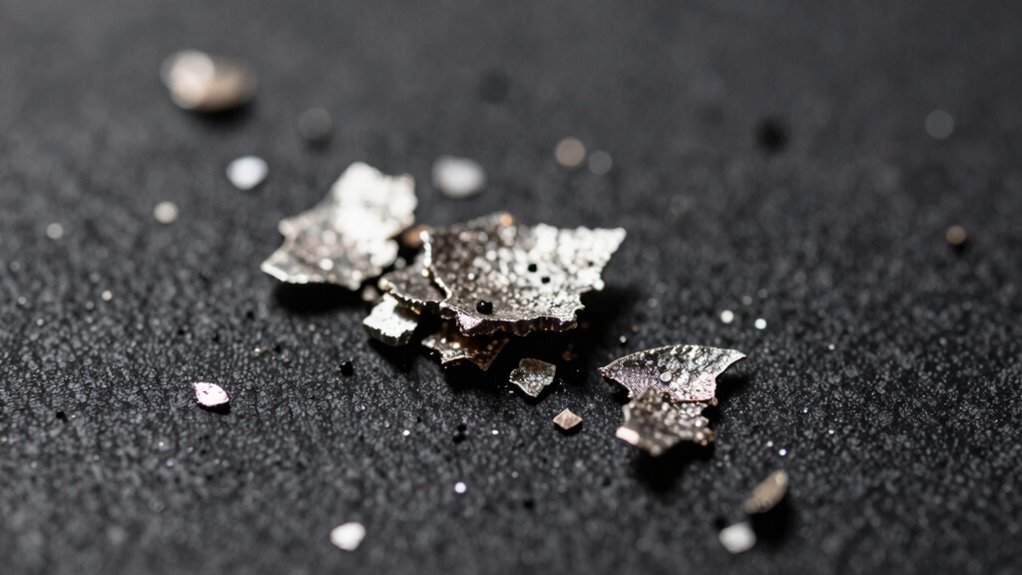
Microscopy plays an essential role in analyzing wear debris, providing detailed insights into the mechanisms of material degradation. When examining wear particles, you quickly realize that particle shape and debris size are critical indicators of how a material is deteriorating. The shape of debris particles can reveal the type of wear process occurring; for instance, sharp, angular particles often suggest abrasive wear, while more rounded particles may indicate fatigue or corrosion-related wear. Recognizing these shapes allows you to infer the underlying causes of damage without needing complex laboratory tests. Similarly, debris size offers clues about the severity and progression of wear. Larger particles typically point to more aggressive or recent wear events, whereas smaller particles may be a sign of ongoing, steady wear, or particles that have been broken down over time.
By using accessible microscopy tools—like handheld microscopes or digital microscopes—you’re empowered to observe these key features in real-time. As you scrutinize debris, you notice that size distribution and shape diversity can help you assess whether the wear is accelerating or stabilizing. For example, an abundance of fine, irregularly shaped particles might signal that the material is breaking down rapidly, while a mix of larger, smoother particles could suggest a more controlled wear process. Understanding these nuances allows you to make informed decisions about maintenance or material selection without waiting for lab results. Additionally, becoming familiar with wear debris morphology can improve your ability to interpret subtle changes over time, enhancing predictive maintenance strategies.
With practice, you can develop an eye for subtle differences in debris morphology. You might observe that certain shapes correlate with specific failure modes, guiding you to troubleshoot problems more effectively. Microscopy also helps you identify the presence of contamination or third-body particles that might accelerate wear, providing an even clearer picture of the degradation mechanisms at play. This hands-on approach means you don’t need sophisticated laboratory equipment to gather valuable data—just a good microscope and some basic knowledge.
handheld digital microscope for wear debris analysis
As an affiliate, we earn on qualifying purchases.
As an affiliate, we earn on qualifying purchases.
Frequently Asked Questions
Can Portable Microscopes Accurately Identify Microscopic Debris?
Yes, portable microscopes can accurately identify microscopic debris through portable imaging. They allow you to examine debris in real-time, making debris identification faster and more accessible outside traditional labs. While they may not match the resolution of advanced lab microscopes, modern portable devices often provide sufficient detail for effective debris analysis, helping you quickly assess wear debris and make informed decisions in maintenance or troubleshooting situations.
What Are Cost-Effective Alternatives to Traditional Microscopy Tools?
You can explore affordable imaging options like DIY microscopy setups, which are cost-effective alternatives to traditional tools. By using smartphone adapters, LED lights, and simple lenses, you get a practical way to analyze wear debris without expensive equipment. These DIY microscopes provide sufficient magnification for many applications, making it accessible to monitor debris and wear patterns efficiently, saving costs while maintaining effective inspection capabilities.
How Quickly Can Wear Debris Analysis Be Performed in the Field?
You can typically perform wear debris analysis in the field within minutes to a few hours. By examining debris morphology and doing quick field sample preparation, you get immediate insights into wear conditions. Using portable microscopes or handheld devices, you identify debris types and wear patterns on-site, enabling rapid decision-making. This quick turnaround helps you address issues promptly without waiting for lab results, improving maintenance and troubleshooting efficiency.
Are There Specific Stains or Markers to Enhance Debris Visibility?
Yes, selecting the right stain can dramatically improve debris visibility. Look for stains with high marker specificity that target metal particles or polymer fibers, making them stand out clearly. Using specialized stains like Prussian blue or oil red O can reveal specific debris types, but choose carefully based on your material. The right stain transforms subtle debris into visible clues, revealing vital insights that might otherwise go unnoticed.
What Safety Precautions Are Necessary When Handling Wear Debris Samples?
When handling wear debris samples, you should always wear personal protective equipment like gloves, goggles, and lab coats to avoid contact with potentially harmful materials. Use proper sample containment techniques to prevent spills or airborne particles. Handle samples carefully, following safety protocols to minimize risks. Always work in a well-ventilated area and dispose of waste properly, ensuring your safety and maintaining a clean work environment.
portable microscope for material inspection
As an affiliate, we earn on qualifying purchases.
As an affiliate, we earn on qualifying purchases.
Conclusion
Imagine you’re a detective uncovering clues at a crime scene—microscopy lets you do the same with wear debris. Even without a lab, you can spot tiny particles that reveal a machine’s secrets. Just like finding a single footprint can tell you who was there, analyzing debris helps you understand wear patterns and prevent future failures. With a keen eye, you turn microscopic clues into big insights, safeguarding your equipment more effectively.
microscopy kit for wear particle examination
As an affiliate, we earn on qualifying purchases.
As an affiliate, we earn on qualifying purchases.
USB digital microscope for debris shape and size
As an affiliate, we earn on qualifying purchases.
As an affiliate, we earn on qualifying purchases.
Fall Picks
fall essentials
As an affiliate, we earn on qualifying purchases.