
Ambient temperature can easily confound your results by causing measurement errors, biological variances, and environmental biases. If you don’t control or account for temperature fluctuations, you risk skewing your data and drawing false conclusions. Instruments may drift, biological samples can behave differently, and material properties might change—all without you realizing. By managing these thermal influences, you guarantee your results are accurate and reliable. Keep going to discover how to prevent this common testing trap from skewing your outcomes.
Key Takeaways
- Ambient temperature fluctuations can introduce confounding effects, skewing experimental data and compromising result validity.
- Sensitive instruments may drift or produce biased readings if environmental temperature isn’t properly controlled.
- Biological and material processes are temperature-dependent, which can lead to misleading interpretations if unaccounted for.
- Implementing environmental controls and real-time temperature monitoring helps distinguish true signals from thermal artifacts.
- Proper management of ambient temperature ensures data accuracy, reproducibility, and the scientific integrity of findings.

Ambient temperature can profoundly influence the outcomes of various scientific studies and data analyses, often leading to confounding effects if not properly accounted for. When you’re conducting experiments or collecting data, fluctuations in environmental temperature can introduce thermal effects that skew your results. These effects don’t just add noise; they can fundamentally alter measurements, making it difficult to distinguish between true signals and temperature-induced artifacts. If you overlook the role of ambient temperature, your measurements may lose accuracy, leading to misleading conclusions and compromised reproducibility.
Thermal effects impact measurement accuracy in subtle but significant ways. For example, many instruments and sensors are sensitive to temperature changes, which can cause drift or bias in their readings. Suppose you’re measuring electrical resistance, chemical concentrations, or physical dimensions; even slight temperature variations can distort your data. Without controlling for ambient temperature, you risk attributing observed variations to experimental variables when, in fact, they stem from external thermal influences. This oversight can lead to false positives or negatives, undermining the validity of your study.
Many instruments are temperature-sensitive, risking measurement bias without proper environmental control.
Furthermore, ambient temperature influences biological processes and material behaviors, adding another layer of complexity. If you’re working with biological samples, temperature fluctuations might affect reaction rates or cellular responses, confounding your results. Similarly, in material testing, temperature-dependent properties like expansion, contraction, or phase changes can mislead your interpretations if not properly managed. Recognizing these thermal effects means understanding that environmental conditions are not just background factors—they are active variables that can alter your data. Additionally, many measurement devices have temperature sensitivities that require calibration for accurate readings.
To mitigate these issues, it’s vital to implement strategies that account for ambient temperature. Calibration of instruments at controlled temperatures, use of temperature-stabilized environments, or real-time temperature monitoring can help guarantee measurement accuracy. When you analyze data, considering the thermal context allows you to distinguish genuine experimental effects from temperature-induced artifacts. Ignoring these factors can lead to inconsistent results, wasted resources, and compromised scientific integrity.
In essence, understanding and controlling for ambient temperature isn’t just a technical detail; it’s central to reliable scientific inquiry. By acknowledging the thermal effects that influence measurement accuracy, you safeguard the validity of your findings. Properly managing ambient temperature ensures that your data truly reflect the phenomena you intend to study, free from confounding thermal influences that could otherwise distort your conclusions.

MOTOULAX 5 in 1 Air Quality Detector, Real Time Monitoring PM2.5 PM10 PM1.0 Temperature Humidity Tester with Infrared Dust Sensor, for Home Office Industrial Laboratory
- Real-Time Monitoring: 24-hour continuous air quality readings
- Automatic Air Purification: Activates purifier based on PM levels
- Infrared Dust Sensor: Accurately measures dust, temperature, humidity
As an affiliate, we earn on qualifying purchases.
As an affiliate, we earn on qualifying purchases.
Frequently Asked Questions
How Can Ambient Temperature Be Accurately Measured During Tests?
You can accurately measure ambient temperature during tests by using well-calibrated sensors designed for environmental monitoring. Make sure your sensors are regularly calibrated to maintain precision, and place them in representative locations away from heat sources or drafts. Using multiple sensors and averaging their readings can help account for localized variations, giving you a reliable temperature measurement that reduces confounding effects during testing.
What Are the Best Methods to Control Temperature Variations?
Controlling temperature variations is like steering a ship through calm waters—you need steady hands and the right tools. Use thermal insulation to shield your test setup from external fluctuations, and create a controlled environment by using climate chambers or HVAC systems. These methods help maintain consistent temperatures, ensuring your results aren’t skewed by ambient changes. This way, your tests stay precise, reliable, and free from confounding factors.
Does Ambient Temperature Affect All Types of Testing Equally?
No, ambient temperature fluctuations don’t affect all testing types equally. Some tests, especially those sensitive to precise measurements, rely heavily on proper equipment calibration to mitigate temperature effects. You need to monitor environmental conditions closely and adjust calibration regularly, as temperature fluctuations can skew results, particularly in chemical or electronic testing. Recognizing which tests are more temperature-sensitive helps you implement appropriate controls and guarantee accurate, reliable outcomes.
How Do Researchers Account for Temperature Confounding in Data Analysis?
You can account for temperature confounding by applying temperature adjustment during data analysis. Researchers often use data normalization techniques to control for ambient temperature effects, ensuring that results reflect true differences rather than environmental influences. By statistically adjusting for temperature variations, you reduce bias and improve the accuracy of your findings, making your conclusions more reliable and applicable across different testing conditions.
Are There Specific Industries More Vulnerable to Temperature-Related Confounding?
You should know that industries like agriculture, manufacturing, and energy are more vulnerable to temperature-related confounding because of industry-specific vulnerabilities and equipment sensitivity. These sectors rely heavily on precise conditions; fluctuations can skew results or damage equipment. By understanding these vulnerabilities, you can implement controls or adjustments in your data analysis to minimize temperature effects, ensuring more accurate and reliable outcomes tailored to your industry’s unique needs.

Inkbird WiFi ITC-308 Digital Temperature Controller Thermostat
- WiFi Smart Control: Supports iOS and Android via 2.4 GHz Wi-Fi
- Dual Relay Outputs: Controls refrigeration and heating devices
- Temperature Alarms: Alerts for high/low temperatures and sensor issues
As an affiliate, we earn on qualifying purchases.
As an affiliate, we earn on qualifying purchases.
Conclusion
Don’t dismiss ambient temperature as a minor detail; it can critically skew your results if overlooked. You might think controlling for temperature complicates your testing, but ignoring it risks false conclusions that undermine your work’s validity. By paying attention to ambient conditions, you guarantee your findings are accurate and reliable. So, next time you’re designing an experiment, remember that temperature isn’t just background noise — it’s a vital factor that can make or break your results.
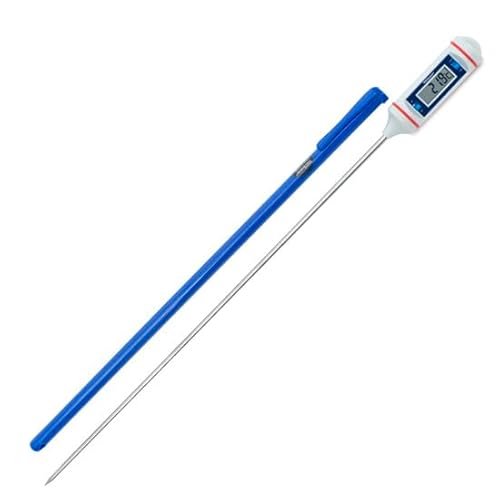
Traceable Digital Pocket Thermometer with Calibration, 302°F; 8" Long-Stem
- Product Type: Digital indicator thermometer
- CE Compliant: Yes
- Max Temperature: 150°C
As an affiliate, we earn on qualifying purchases.
As an affiliate, we earn on qualifying purchases.

HOBO by Onset MX1101 – Temperature/Relative Humidity Data Logger
- Temperature Range: -20°C to 70°C
- Temperature Accuracy: ±0.21°C
- Humidity Range: 1% to 90%
As an affiliate, we earn on qualifying purchases.
As an affiliate, we earn on qualifying purchases.