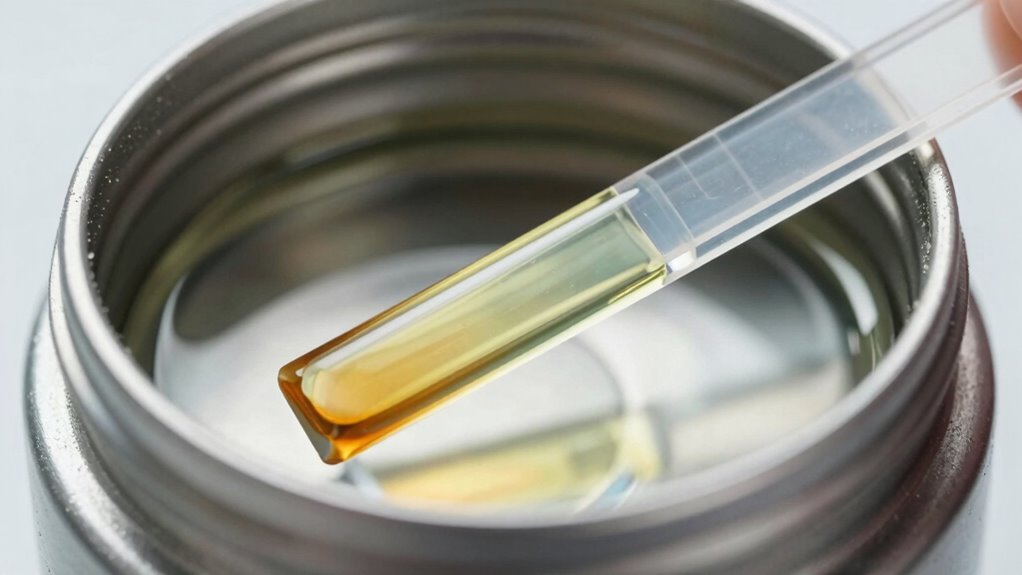

To interpret sodium and potassium in gear oil, focus on their levels relative to standard benchmarks. Elevated sodium often signals environmental contamination like road salt or dirt intrusion, while high potassium suggests coolant leaks or chemical reactions. Sudden spikes indicate recent issues, whereas consistent increases point to ongoing problems. Comparing results with manufacturer standards helps assess contamination severity. Understanding these trends can guide your maintenance decisions—get ready to explore how to better identify and address these contaminations.
Key Takeaways
- Elevated sodium often indicates environmental contamination from salt, dirt, or moisture ingress into the gear oil.
- High potassium levels typically suggest coolant leaks or improper sealing leading to chemical contamination.
- Sudden increases in sodium or potassium can signal recent contamination events requiring immediate attention.
- Comparing measured levels to manufacturer standards helps determine contamination severity and necessary actions.
- Trend analysis over time reveals ongoing issues and guides preventive maintenance to avoid equipment failure.
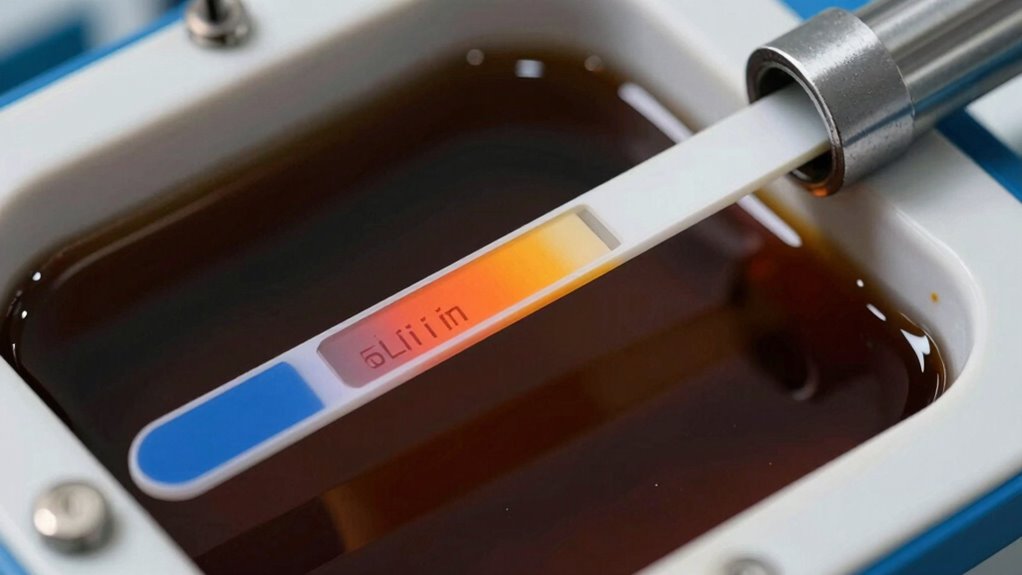
Understanding the levels of sodium and potassium in gear oil is essential for diagnosing the condition of your equipment. These elements act as critical indicators of contamination, helping you identify underlying issues that could lead to premature wear or failure. Elevated sodium often points to contamination from environmental sources like salt, dirt, or moisture ingress, while high potassium can indicate improper sealing or coolant leaks. Recognizing these sources allows you to address the root causes promptly, preventing costly repairs and downtime.
To accurately interpret sodium and potassium readings, you need to understand how these elements enter your gear oil. Contaminant sources vary, but common pathways include water intrusion, dirt ingress, or contact with external salts and chemicals. For example, exposure to road salts in winter conditions often results in increased sodium levels, whereas coolant leaks introduce potassium into the oil. Knowing where these contaminants originate helps you determine whether the contamination is ongoing or a one-time event, shaping your maintenance strategy accordingly.
Analytical techniques play a crucial role in measuring and analyzing sodium and potassium concentrations in gear oil. Techniques such as atomic emission spectroscopy (AES), inductively coupled plasma optical emission spectroscopy (ICP-OES), or atomic absorption spectroscopy (AAS) are commonly used to obtain precise readings. These methods are sensitive enough to detect even trace amounts, giving you a clear picture of contamination levels. Regular oil sampling and analysis enable you to track trends over time, helping you identify early signs of contamination before they cause significant damage. Additionally, understanding contaminant pathways can assist in implementing preventive measures to reduce future contamination risks.
Interpreting the results from these analytical techniques requires understanding what the numbers mean in context. For instance, a sudden spike in sodium might suggest recent exposure to road salt or water ingress, signaling that you need to inspect seals, vents, or the environment around your gear. Elevated potassium, on the other hand, could point to coolant leaks or other chemical interactions. Comparing your readings against manufacturer specifications or industry standards helps you determine whether the contamination is acceptable or warrants immediate action.

Under My Hood Oil Analysis Kit – Oil Test Kit for Gasoline & Diesel Engines
- Aircraft Use Warning: Not for aircraft engine testing
- Monitor Equipment Health: Detects wear metals and contamination
- Universal Compatibility: Suitable for gasoline and diesel engines
As an affiliate, we earn on qualifying purchases.
As an affiliate, we earn on qualifying purchases.
Frequently Asked Questions
What Are Typical Sodium and Potassium Levels in New Gear Oil?
In new gear oil, sodium and potassium levels typically range from 200 to 400 ppm, reflecting additive concentrations designed for corrosion protection. These levels serve as corrosion indicators, helping you assess oil condition. If sodium or potassium exceeds this range, it may indicate contamination or additive depletion. Regular testing guarantees ideal gear protection and early detection of issues, keeping your equipment running smoothly and preventing costly repairs.
How Quickly Do Sodium and Potassium Levels Change During Operation?
Sodium and potassium levels in gear oil can change quickly, especially during temperature fluctuations, which accelerate additive degradation. You might see increases within weeks of operation if conditions are severe. Keep monitoring regularly because rising levels often indicate contamination or additive breakdown. By tracking these changes, you can detect early signs of gear wear or leaks, helping you maintain ideal gear performance and prevent costly failures.
Can Contamination From External Sources Affect Sodium and Potassium Readings?
External contamination can definitely affect sodium and potassium readings, impacting oil testing accuracy. When contaminants like dirt, water, or other substances enter the gear oil, they can artificially raise sodium and potassium levels, making it seem like there’s more wear or corrosion than actually exists. To guarantee accurate results, you should minimize external contamination during sampling and maintain strict testing procedures, so your analysis reflects true oil condition.
Are There Specific Gear Types More Prone to Sodium and Potassium Buildup?
Certain gear types are more prone to sodium and potassium buildup, especially those with gear material like bronze or copper, which can interact with additives in the oil. Additionally, operating temperatures influence this buildup; higher temperatures accelerate chemical reactions, increasing the risk. You should monitor sodium and potassium levels regularly, particularly in gear systems with specific materials or operating conditions, to prevent excessive wear and maintain ideal performance.
How Do Sodium and Potassium Levels Influence Gear Oil Replacement Intervals?
Sodium and potassium levels act as subtle hints, signaling potential additive degradation and corrosion indicators that could shorten your gear oil’s lifespan. When these levels rise, it’s a gentle nudge to contemplate more frequent replacements. Monitoring these elements helps you prevent costly wear and tear, ensuring your gear system stays in top shape longer. Stay attentive to these signs, and you’ll keep your equipment running smoothly.
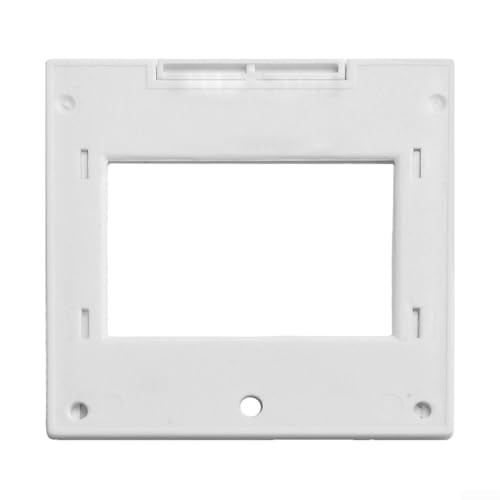
ZUZZEE Optical Teaching Diffraction Grating Transmission Spectroscopy Equipment PET Material with 50 100 300 600 Lines Laboratory Demonstration Tool(600lines/mm)
- Optical Accurate Instrument: Provides clear spectral separation for analysis
- Educational Value: Ideal for physics classrooms and experiments
- Multiple Line Density Options: Available in 50, 80, 100, 300, 600 lines/mm
As an affiliate, we earn on qualifying purchases.
As an affiliate, we earn on qualifying purchases.
Conclusion
Understanding sodium and potassium levels in gear oil helps you identify contamination and prevent equipment failure. Did you know that even trace amounts of these elements can indicate water ingress or wear? Monitoring these elements closely allows you to catch issues early, saving you costly repairs. By staying vigilant, you can extend your gear oil’s lifespan and keep your machinery running smoothly, ensuring peak performance and avoiding unexpected downtime.
Under My Hood Oil Analysis Kit – Oil Test Kit for Gasoline & Diesel Engines
- Aircraft Use Warning: Not for aircraft engine testing
- Monitor Equipment Health: Detects wear metals and contamination
- Universal Compatibility: Suitable for gasoline and diesel engines
As an affiliate, we earn on qualifying purchases.
As an affiliate, we earn on qualifying purchases.

Oil Analysis Starter Kit Including Test Kits, tubing and Sample Pump
- Aircraft Use Warning: Not for aircraft use
- Affordable Testing: Cost-effective engine health assessment
- Multiple Sampling Points: Samples from engine, transmission, differential
As an affiliate, we earn on qualifying purchases.
As an affiliate, we earn on qualifying purchases.