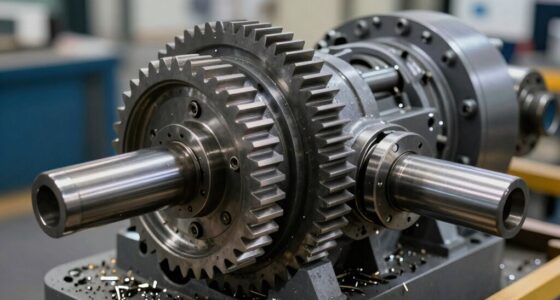
Copper in your UOA can come from initial engine break-in or ongoing component wear. During break-in, copper levels may spike temporarily and then stabilize as surfaces condition. Persistent or rising copper levels over multiple tests usually point to genuine engine damage like bearing deterioration. To tell the difference, monitor trends, compare your levels to baseline, and consider other metals. Keep an eye on these patterns—more details help you better interpret what your oil analysis says.

Get garage and car supplies delivered free — and shop member deals
- Fast, free delivery on millions of items
- Access to Prime Big Deal Days deals on October 6–7
- Prime Video, Amazon Music and more included
Key Takeaways
- Copper levels spike early during break-in but typically stabilize, whereas ongoing increases suggest actual engine wear or damage.
- Initial copper shedding during break-in is usually temporary and related to manufacturing residues and contact stabilization.
- Persistent upward trends in copper over multiple oil changes indicate real component deterioration, not just break-in debris.
- Comparing copper trends with other wear metals helps differentiate normal break-in shedding from genuine engine damage.
- Proper monitoring over time with baseline data and consistent sampling is essential to distinguish between break-in and damage.
engine oil analysis copper test kit
As an affiliate, we earn on qualifying purchases.
As an affiliate, we earn on qualifying purchases.
What Does Copper in UOA Tell Us About Engine Wear?
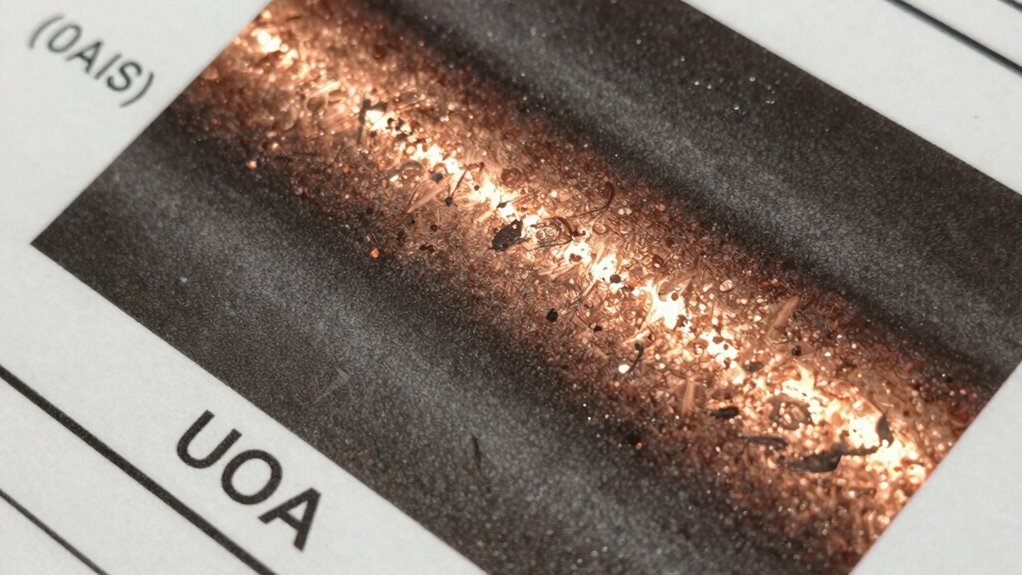
Copper in a UOA typically indicates wear from engine components such as bearings and bushings. This wear releases tiny copper particles into your engine oil, often reflecting the bearing material used in your engine. The engine oil composition influences how these particles are generated and transported; higher-quality oils can sometimes reduce metal shedding. When you see copper in the UOA, it suggests that your engine’s bearings are experiencing wear, which could be normal or a sign of developing issues. It’s essential to compare copper levels with other metals and overall wear patterns. While some copper shedding occurs naturally during engine operation, excessive copper points to potential bearing deterioration needing further inspection. Monitoring copper levels helps you understand your engine’s health and longevity.
engine bearing wear metal analysis
As an affiliate, we earn on qualifying purchases.
As an affiliate, we earn on qualifying purchases.
How Copper Shedding Occurs During Engine Break-In
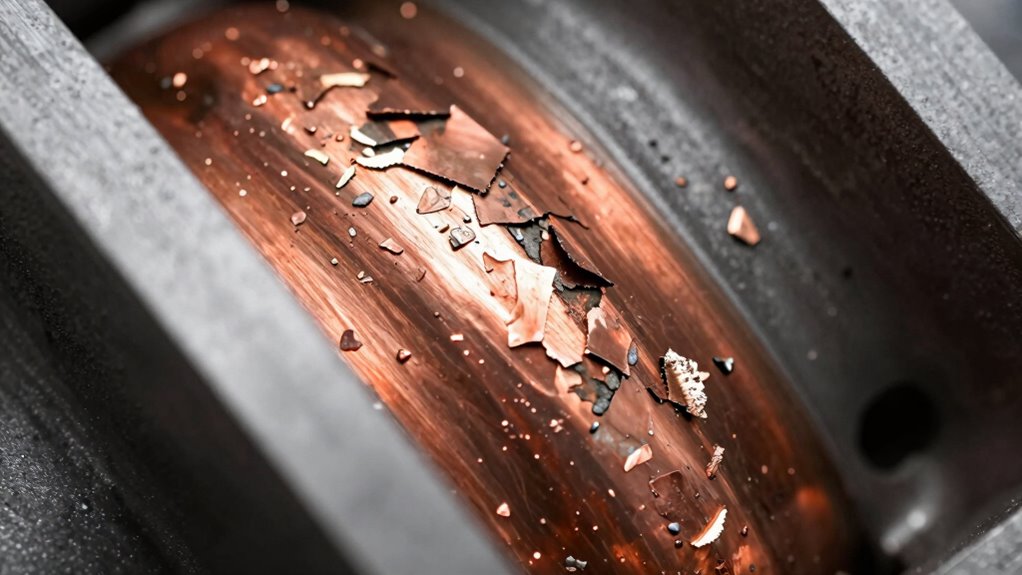
When you start a new engine, the copper from the bearings first contacts the engine components, initiating metal transfer. This shedding depends on how long you run the engine during break-in and how the metals interact under load. Understanding these factors helps you manage copper levels in UOA tests effectively. Additionally, metal transfer processes can vary based on engine design and operating conditions, influencing copper shedding behavior during break-in. Proper lubrication during break-in also plays a crucial role in minimizing excessive copper shedding and ensuring smooth engine operation. Moreover, controlling engine temperature during break-in can significantly affect the rate of copper transfer and shedding. Recognizing that bearing material properties can influence shedding rates is essential for interpreting UOA data accurately. The metal composition of the bearings and engine components further impacts how much copper is shed during this initial phase.
Initial Contact With Bearings
During engine break-in, the initial contact between the copper bearings and the crankshaft surface starts a subtle process of material shedding. This occurs as bearing metallurgy adapts to the load and friction, influenced by the copper alloy composition. You’ll notice that the copper’s microstructure interacts with the steel, causing small particles to loosen. To understand this process better: 1. The copper alloy’s composition determines how easily particles shed during initial contact. 2. Microstructural features, like grain boundaries, are critical in early shedding. 3. Frictional heat impacts the rate of copper dislodging. 4. Proper break-in allows the bearing metallurgy to stabilize, reducing excessive shedding over time. 5. The rate of shedding can also be affected by microstructural interactions, which influence how the copper alloy responds to initial stress, especially under varying thermal conditions. Additionally, copper alloy properties play a significant role in the shedding process during the critical break-in phase. This initial phase is essential for establishing a proper bearing surface, where controlled copper shedding is part of normal adaptation. Understanding these material behaviors helps in predicting and managing the shedding process to ensure engine longevity. A thorough understanding of bearing surface formation can further aid in optimizing the break-in procedure.
Metal Transfer Mechanics
As the engine begins breaking in, metal transfer occurs primarily through direct contact and friction between the copper alloy bearing surface and the crankshaft. This process involves the wear mechanisms inherent to the engine material, where microscopic particles are shed as surfaces mate under load. During break-in, the softer copper alloy wears slightly, creating transfer layers that help establish a smooth, compatible interface. These layers act as a lubricant, reducing ongoing wear and preventing excessive shedding. The transfer process is influenced by surface roughness, lubrication, and load conditions, all of which determine how much copper is shed. Understanding these wear mechanisms helps you recognize that initial copper shedding is a normal part of establishing proper bearing fit and isn’t necessarily indicative of damage.
Break-In Duration Factors
The duration of the engine’s break-in period considerably influences how much copper shedding occurs from the bearing surfaces. During the break-in process, the mating surfaces establish proper contact, affecting copper transfer. A longer break-in allows for more controlled wear, reducing excessive shedding. Conversely, a short or rushed break-in can cause abrupt metal transfer, increasing copper shedding. Several factors impact this process:
- Engine temperature stabilization — Proper heat buildup minimizes uneven wear.
- Lubrication quality and consistency — Adequate lubrication reduces metal-to-metal contact.
- Load application during initial operation — Gentle loads promote even mating surfaces.
- Break-in duration — Sufficient time helps establish a stable, less shedding-prone interface.
Understanding these factors helps manage copper shedding, ensuring engine longevity and accurate UOA interpretations.
oil analysis copper level monitor
As an affiliate, we earn on qualifying purchases.
As an affiliate, we earn on qualifying purchases.
When Do Copper Levels Spike During Break-In?
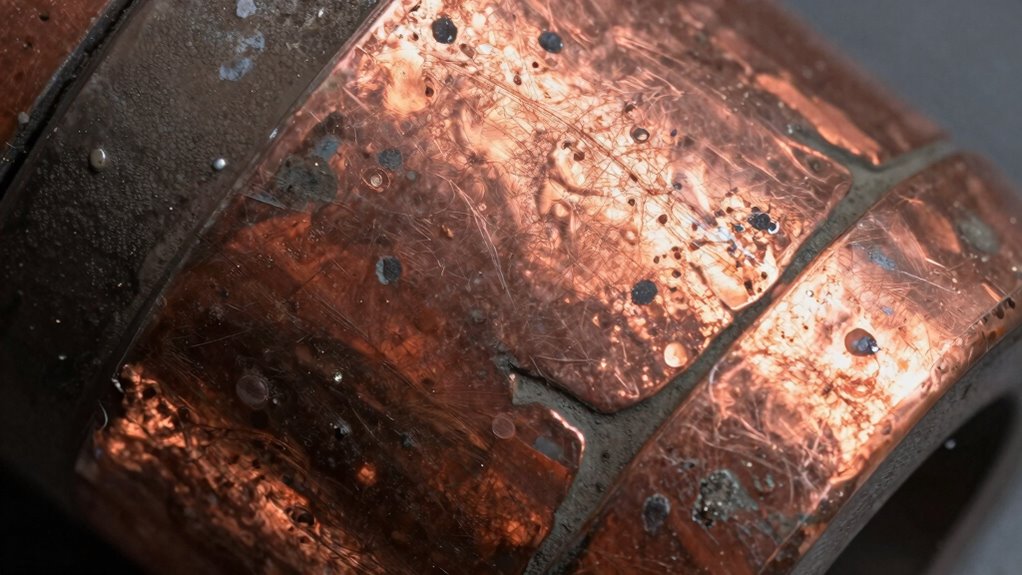
Copper levels typically spike early in the break-in process, often within the first few hours of operation. During this time, engine oil additives work to clean out manufacturing residues, which can temporarily elevate copper readings. Additionally, initial contact between bearing materials and other engine components causes slight wear, releasing copper particles into the oil. This early spike isn’t necessarily a sign of damage but rather part of the normal break-in phase. As the engine continues to run and components seat properly, copper levels usually stabilize. Monitoring copper early on helps distinguish between normal break-in activity and potential issues. Recognizing the wear process during break-in is essential to prevent misdiagnosis of engine problems. Furthermore, understanding the normal fluctuations in copper levels can aid in better engine diagnostics and maintenance, especially when considering the engine’s material composition and how it influences wear patterns. It is also important to consider lubrication quality during this phase, as it can significantly impact wear rates and copper release. Proper oil analysis during this period can provide valuable insights into engine health and the effectiveness of the break-in.
As an affiliate, we earn on qualifying purchases.
How to Tell If Copper Indicates Normal Break-In or Damage
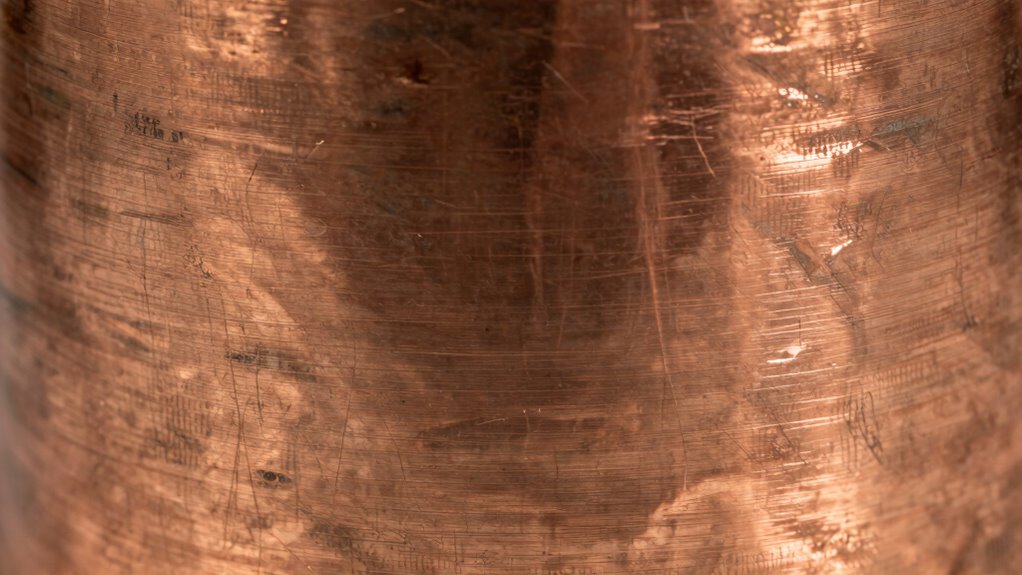
While elevated copper levels can indicate normal wear during break-in, persistent or increasing readings beyond the initial period often signal potential problems. To distinguish between normal break-in and damage, consider these indicators:
- Sudden copper spikes paired with metal on metal contact signs suggest abnormal wear.
- Consistent copper levels over time typically point to normal break-in, especially if accompanied by stable bearing material analysis.
- Look for a rising trend in copper that correlates with increased engine noise or vibration.
- Examine the filter and oil for abnormal debris, which may indicate bearing failure or other damage.
- The use of holistic SEO strategies such as high-quality content and technical optimization can reflect attention to detail, much like careful monitoring of engine components.
- Regularly reviewing oil analysis reports can provide deeper insights into the wear patterns and help differentiate normal break-in from impending issues.
- Paying attention to engine performance metrics can also help identify early signs of damage versus normal wear patterns. Additionally, understanding the wear mechanisms involved can assist in making accurate assessments of copper readings.
Recognizing Copper Patterns in Used Oil Analysis Reports
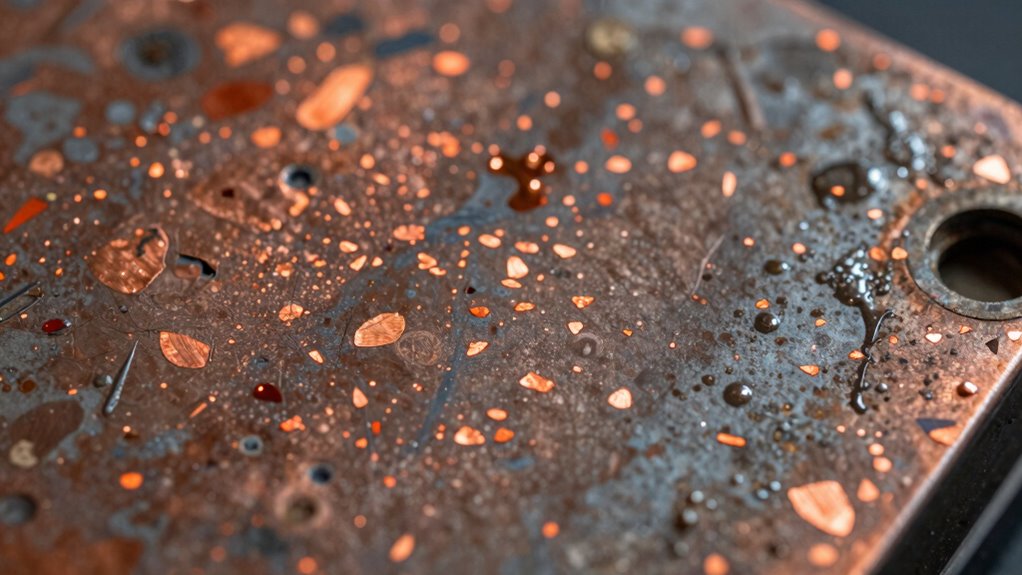
Recognizing patterns of copper in used oil analysis reports helps you identify potential engine issues early. Look for specific trends in copper levels that align with particular engine components, such as bushings, bearings, or valve guides. A sudden spike or consistent increase in copper may indicate abnormal wear of a component made from copper or containing copper alloy, reflecting its material composition. Conversely, steady, low-level copper readings often suggest normal wear during break-in or routine operation. Pay attention to how copper levels change over multiple reports; irregular fluctuations can signal developing problems. Understanding these patterns allows you to differentiate between normal material shedding and signs of underlying damage, enabling timely maintenance decisions before costly repairs become necessary.
What Do Copper Levels Say About Your Engine’s Health?

Monitoring copper levels in your used oil reports provides valuable insights into your engine’s overall health. Elevated copper indicates potential wear of engine components, often linked to lubrication quality and engine design. To interpret copper data effectively, consider these factors:
Monitoring copper levels in used oil reports reveals engine wear and helps identify maintenance needs.
- Sudden spikes may signal rapid wear or debris ingestion.
- Consistently high levels suggest ongoing component deterioration.
- Low copper levels usually mean minimal wear or effective lubrication.
- Comparing copper trends over time reveals wear patterns tied to engine design and maintenance practices.
- Regular analysis of solar panel technology can help optimize your engine’s cooling and energy efficiency, especially when integrated with modern systems.
- Understanding wear mechanisms helps in diagnosing the root causes of copper fluctuations and tailoring maintenance strategies accordingly.
Understanding these patterns helps you determine if your engine is operating within healthy parameters or if repairs are imminent. Regular analysis ensures you catch issues early, preserving engine longevity and performance. Copper levels serve as a critical indicator of internal health, guiding maintenance decisions.
How Other Metal Indicators Help Confirm Engine Wear
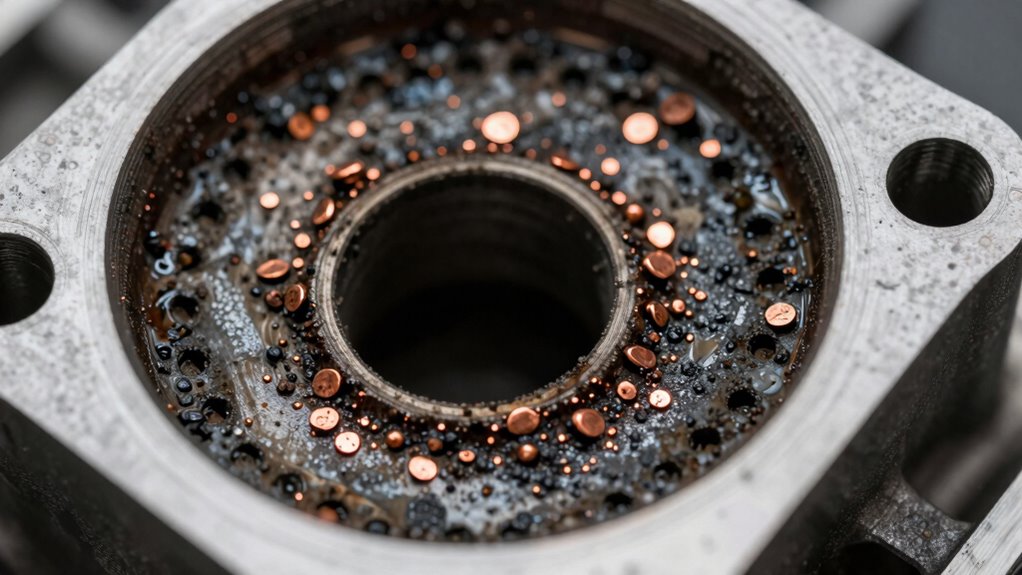
Other metal indicators provide valuable clues about your engine’s condition beyond copper levels. By comparing wear patterns across different metals, you can better identify whether the damage is genuine or just a false alarm. This approach helps confirm if your engine truly needs attention or if the readings are misleading. Utilizing metal analysis can further enhance your understanding of engine health and wear patterns. Recognizing wear pattern analysis as a critical tool allows for more accurate diagnostics and better maintenance decisions. Additionally, understanding cookie categories can help ensure your data privacy while performing these assessments. Being aware of seasonal variations can also impact the interpretation of metal wear data, especially in climates with significant temperature changes.
Other Metal Indicator Significance
How can other metal indicators strengthen your assessment of engine wear? By analyzing metal levels beyond copper, you gain a clearer picture of internal conditions. These indicators reveal insights into engine component degradation and help confirm wear patterns. Incorporating a comprehensive analysis aligns with personality assessment principles, providing a more robust evaluation of engine health. Monitoring these metals alongside copper enhances your understanding of wear sources and severity, enabling more accurate diagnostics and proactive maintenance.
Comparing Wear Patterns
By comparing patterns in metal levels, you can verify specific types of engine wear more accurately. Wear pattern analysis helps distinguish between normal break-in deposits and actual damage. For example, copper deposit comparison reveals if copper is rising steadily or spiking suddenly, indicating different issues. Look at the following table:
| Metal Level Trend | Wear Pattern Interpretation |
|---|---|
| Gradual increase | Normal wear or break-in phase |
| Sudden spike | Possible bearing or component failure |
| Consistent high | Ongoing severe wear, needs investigation |
Using these indicators, you can identify whether copper levels reflect routine engine break-in or genuine damage, enabling better maintenance decisions. Recognizing specific wear patterns ensures you catch issues early and avoid unnecessary repairs.
Confirming Genuine Damage
To confirm whether engine wear is genuine, examining multiple metal indicators provides a clearer picture than relying on a single element. Elevated copper levels alone might suggest bearing failure, but confirming damage requires evaluating other metals. Consider these factors:
- Iron: Increased iron indicates piston or cylinder wear.
- Aluminum: Elevated aluminum suggests piston or cylinder head issues.
- Lead: High lead levels can point to bearing failure.
- Coolant leakage: The presence of certain metals alongside coolant contamination indicates potential gasket failure or coolant ingress, exacerbating bearing damage.
Practical Tips for Interpreting Copper in UOA Results
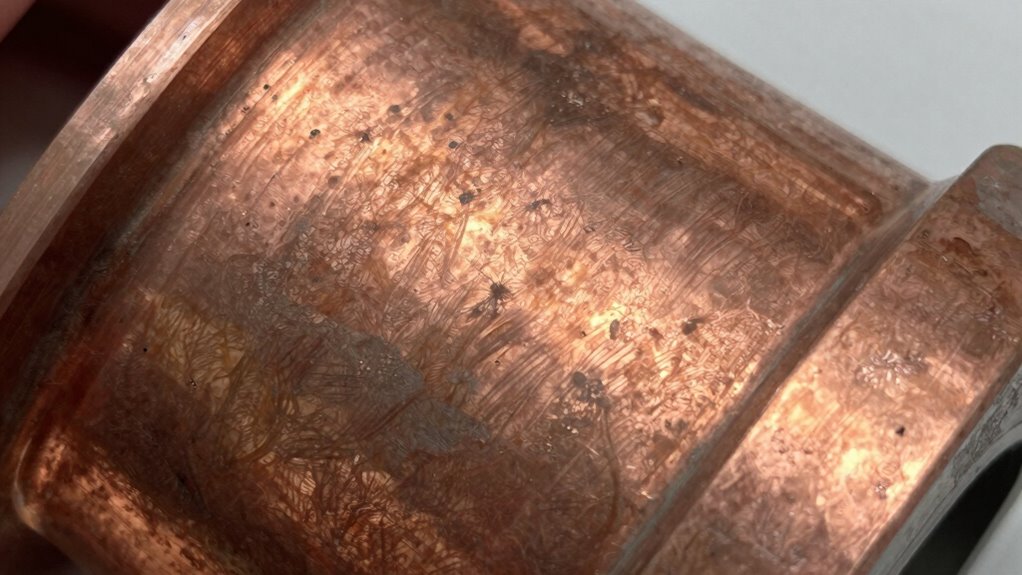
Interpreting copper levels in UOA results can be straightforward once you understand the key indicators. Elevated copper may come from bearing material wear or oil additive effects. To differentiate, consider the context, such as recent break-in or oil changes. Consistent copper increases with stable other metal levels suggest bearing wear, while sudden spikes may relate to additive breakdown.
| Indicator | Interpretation |
|---|---|
| Gradual copper rise | Bearing wear over time |
| Sudden copper spike | Oil additive effects or contamination |
| Copper with high lead levels | Bearing material, especially if lead is low |
| Copper with stable metals | Oil additive effects |
| Copper decline after change | Reduced wear or additive stabilization |
Use these tips to distinguish genuine damage from benign causes like oil additives or break-in phases.
Signs That Copper Reflects Genuine Engine Damage
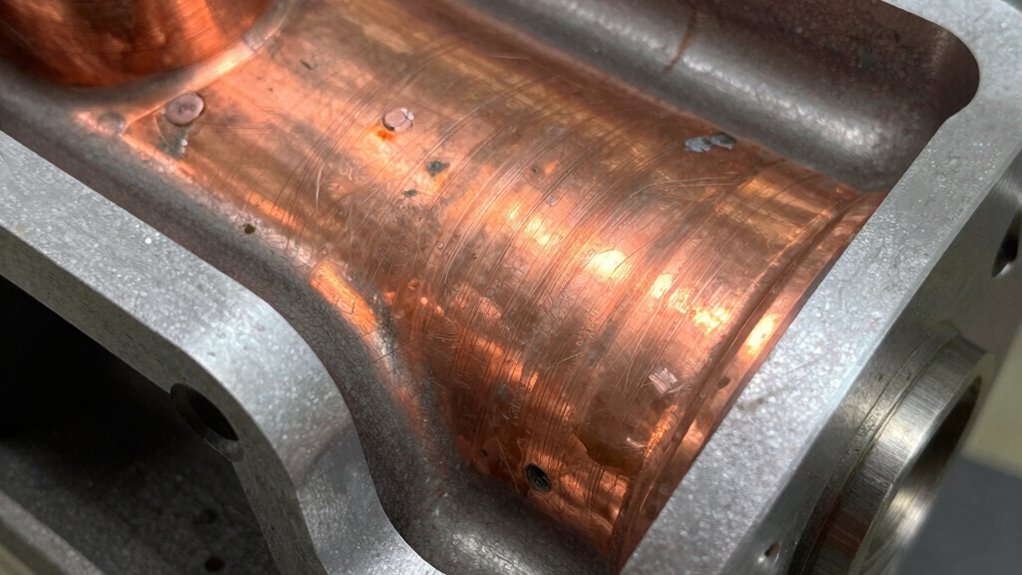
When copper levels in UOA results show consistent upward trends alongside other engine wear indicators, it’s a strong sign of genuine engine damage. Elevated copper often points to deterioration of engine material, such as bearings or bushings, rather than just break-in debris. Consider these signs:
Consistent rising copper levels alongside other wear indicators signal real engine damage, not just break-in debris.
- Persistent copper increases despite changing oil formulations, indicating ongoing wear.
- Correlated rises in iron and aluminum levels, suggesting broader component wear.
- Copper spikes during extended oil intervals, highlighting accelerated material breakdown.
- Copper trends that don’t stabilize after initial break-in, reflecting continuous engine material degradation.
These patterns reveal that copper reflects real damage rather than transient break-in debris, especially when combined with other wear indicators. Monitoring these signs helps you determine if engine material is compromised, regardless of oil formulation changes.
Best Practices for Monitoring Copper Levels Over Time
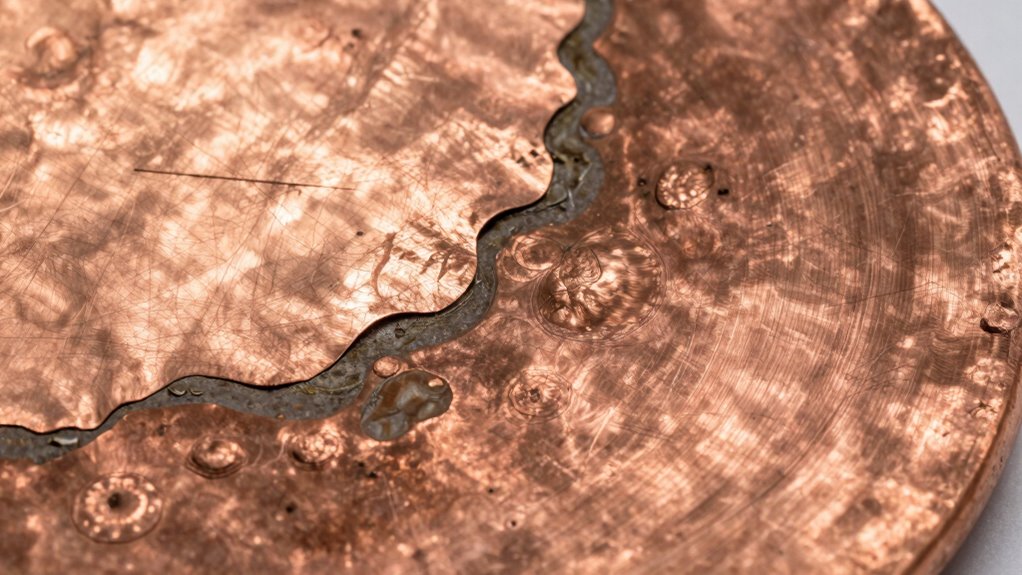
To effectively monitor copper levels, you should set regular sampling intervals to catch changes early. Establish baseline levels when the engine is healthy so you can identify deviations more accurately. Tracking these trends over time helps you spot potential issues before they become serious.
Regular Sampling Intervals
How often should you sample copper levels to guarantee accurate monitoring? To track copper effectively, you should establish regular sampling intervals based on engine operation and oil change practices. Generally, sampling every 3,000 to 5,000 miles works well, especially when considering different oil additives and engine oil types. Consistent intervals help identify trends and distinguish between break-in wear and actual damage. Here are some best practices:
- Sample at every oil change for accurate trend analysis.
- Adjust frequency based on oil additive formulation and engine age.
- Increase sampling if using synthetic oils with longer drain intervals.
- Maintain consistency to compare copper levels over time without variability.
Following these intervals ensures you catch early signs of wear without misinterpreting initial break-in copper release.
Establish Baseline Levels
Establishing baseline copper levels sets the foundation for effective wear monitoring over time. To do this, analyze a fresh oil sample from a vehicle with known engine conditions. Consider the engine oil filtration process, as it influences copper particle detection; high-quality filtration reduces contamination from external sources. Understanding the copper alloy composition in your engine helps interpret UOA results accurately, since different alloys release copper at varying rates. Record the initial copper level, guaranteeing it reflects minimal wear or damage. This baseline allows you to distinguish normal wear from abnormal copper increases later. Regularly updating this baseline with new samples ensures your monitoring stays precise. Properly establishing baseline levels improves your ability to detect early signs of wear or potential issues effectively.
Track Trends Over Time
Tracking copper levels over time is essential for detecting early signs of wear and preventing costly engine damage. Monitoring trends helps you identify abnormal increases that may indicate issues like excessive copper particle size or changes in alloy composition. To effectively track these trends:
- Regularly compare copper levels against baseline measurements.
- Observe shifts in copper particle size, which can signal different wear mechanisms.
- Analyze variations in alloy composition to understand material degradation.
- Use consistent sampling intervals for accurate trend analysis.
Frequently Asked Questions
Can Copper Levels Be Affected by Environmental Factors Outside Engine Wear?
Yes, copper levels in UOA can be affected by environmental factors outside engine wear. Contamination sources like dirt, debris, and moisture can introduce copper particles, while material corrosion can release copper from components. These factors may cause elevated copper readings that don’t reflect engine condition. To accurately assess wear, consider the context, look for other indicators, and monitor for patterns that suggest external contamination or corrosion rather than internal engine damage.
How Quickly Can Copper Levels Fluctuate Under Normal Operating Conditions?
Imagine copper levels dancing like flames—you can see fluctuations within just a few thousand miles. Under normal conditions, copper fluctuation in UOA wear indicators can occur rapidly, often changing markedly over short distances or oil change intervals. Factors like driving style, engine load, and oil quality influence these shifts, making copper a sensitive wear indicator. Keep track regularly, and you’ll catch early signs before real damage takes hold.
Are There Specific Engine Types More Prone to Copper Shedding?
Certain engine types, especially those with softer engine materials or aggressive wear patterns, are more prone to copper shedding. For example, engines with aluminum or softer alloys tend to shed copper more easily under stress. You should monitor UOA copper levels carefully in these engines, as increased copper might indicate normal wear or potential issues. Regular analysis helps distinguish between break-in and real damage, preventing unnecessary repairs.
Do Different Oil Brands Influence Copper Detection in UOA?
Sure, because your choice of oil brand totally decides the copper levels in UOA, right? Actually, oil formulation impacts wear particle analysis more than brand names. Different oils contain additives that can either mask or highlight copper wear. So, instead of obsessing over brands, focus on high-quality oils tailored for your engine. That way, your wear analysis will be more accurate, and you’ll avoid unnecessary panic over copper readings.
Can Additive Packages Impact Copper Readings in Used Oil Analysis?
Additive packages can impact copper readings in used oil analysis because additive interactions may cause copper corrosion or form protective films, which can either increase or decrease copper levels detected. These interactions can sometimes mimic wear or damage, making it harder to interpret UOA results accurately. You should consider the specific additive chemistry and how it interacts with copper to better understand its influence on your oil analysis.
Conclusion
Think of copper in your UOA as a seasoned storyteller—sometimes it’s just the old tales of a fresh engine’s first adventures, and other times, it’s warning signs of trouble brewing beneath the surface. By paying close attention to patterns and context, you can navigate these metal whispers with confidence. Remember, understanding copper’s story helps you steer clear of false alarms and steer your engine back onto smooth roads, keeping your ride running strong for miles to come.
Halloween Picks
halloween
As an affiliate, we earn on qualifying purchases.