
To interpret aluminum in gear oil reports, understand that low, stable levels typically indicate normal wear, while sudden increases or upward trends signal abnormal or excessive gear and bearing wear. Compare current values with your system’s baseline or historical data to spot potential issues early. Elevated aluminum combined with other contaminants suggests oil breakdown or accelerated wear. Paying attention to operating conditions helps differentiate normal from problematic levels. Keep exploring to learn how to use this data for proactive maintenance.

Get business pricing on garage and car supplies
- Business-only prices and quantity discounts
- Tax-exempt purchasing
- Multiple users, one account, clear invoices
Key Takeaways
- Low, stable aluminum levels typically indicate normal wear; sudden increases suggest abnormal or early-stage gear or bearing wear.
- Compare current aluminum readings to historical data to identify trends and assess if levels are rising beyond normal variability.
- Elevated aluminum alongside contaminants like soot, dirt, or water may indicate oil degradation or increased wear conditions.
- Consider operating conditions such as load, temperature, and oil change intervals when interpreting aluminum levels.
- Use aluminum data in conjunction with other wear metals and oil parameters for comprehensive gear health assessment and maintenance decisions.

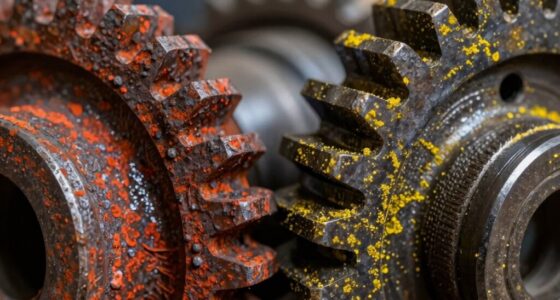
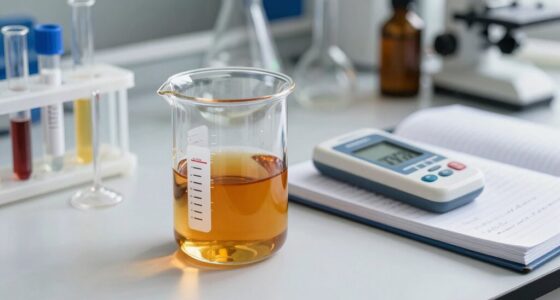
Interpreting aluminum levels in gear oil reports can be essential for evaluating gear and bearing wear. Aluminum is a common wear metal that naturally occurs in gear systems, often originating from the gear teeth and bearing components. When you analyze gear oil reports, pay close attention to aluminum concentrations because they serve as key indicators of component health. Elevated aluminum levels typically suggest abnormal wear, which could signal early-stage damage or deterioration within the gear assembly. Regular wear metal analysis allows you to track aluminum trends over time, helping you identify subtle increases that might not yet cause immediate failure but could lead to costly repairs if left unchecked.
Monitoring aluminum in gear oil helps detect early wear and prevent costly damage.
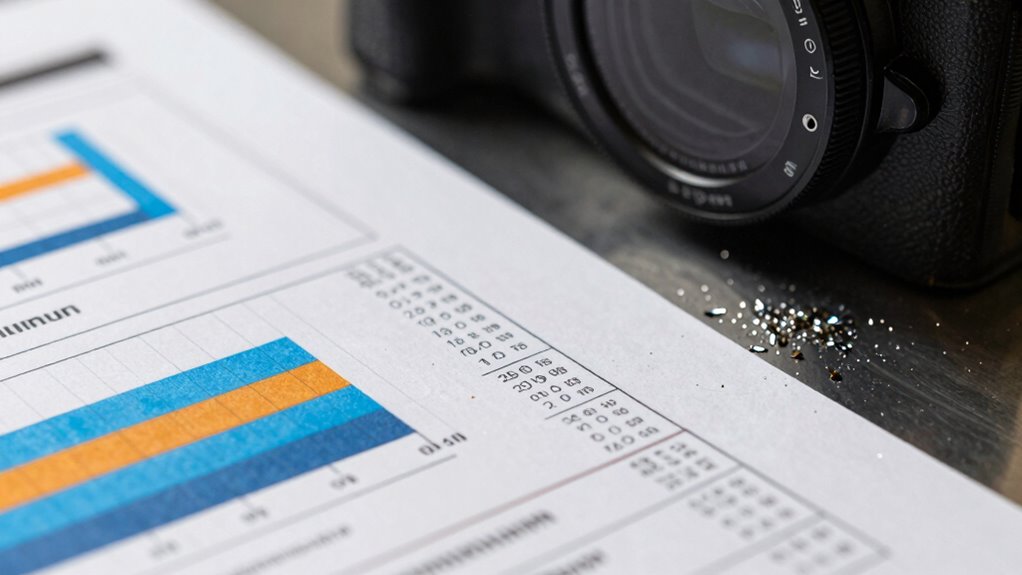
Understanding the significance of aluminum in your oil reports involves recognizing what constitutes normal versus problematic levels. In new or well-maintained systems, aluminum concentrations are usually low and stable. However, if you notice a sudden spike or a steady upward trend, it indicates that the gears or bearings are wearing more aggressively than normal. This is where oil degradation indicators come into play—by evaluating aluminum alongside other metals and contaminants, you get a detailed picture of the oil’s condition and wear patterns. For instance, if aluminum levels rise alongside increased soot, dirt, or water contamination, it suggests that the oil is breaking down, possibly due to thermal degradation or moisture ingress, which accelerates component wear.
When interpreting aluminum results, consider the context of your operating environment. Heavy-duty applications, high loads, or extended oil change intervals can influence wear metal levels, so compare your current data against baseline reports or historical trends for your specific equipment. If aluminum levels are approaching or exceeding the manufacturer’s recommended thresholds, it’s a clear sign that maintenance or inspections are necessary. Ignoring these signals can lead to more severe damage, such as gear tooth fatigue, bearing failure, or even complete system breakdown. Monitoring wear metals regularly provides a comprehensive view of gear health and helps in early detection of potential issues.
In addition to monitoring aluminum levels, it’s important to look at other wear metals, contaminants, and oil condition parameters. A detailed analysis helps you distinguish between normal wear and abnormal wear that requires intervention. Remember, aluminum is just one piece of the puzzle—correlating its levels with other indicators ensures a more accurate assessment of your gear’s health. By consistently reviewing these reports and understanding what aluminum levels imply, you can make informed decisions to prevent unexpected failures and extend the lifespan of your gear system.
As an affiliate, we earn on qualifying purchases.
Frequently Asked Questions
What Are Typical Aluminum Levels in Healthy Gear Oil?
In healthy gear oil, aluminum levels usually stay below 10 parts per million (ppm), indicating minimal aluminum contamination. During gear material analysis, higher aluminum levels suggest wear or damage to aluminum components, which can indicate potential issues. You should regularly monitor these levels to catch early signs of gear wear, ensuring your gear system remains efficient and avoids costly repairs caused by excessive aluminum contamination.
How Quickly Does Aluminum Increase Indicate Gear Wear?
Aluminum levels can rise quickly if there’s significant gear wear or aluminum corrosion, often within a few oil changes. This sharp increase acts as a clear wear indicator, signaling you need to check for issues like bearing damage or material fatigue. Monitoring aluminum levels regularly helps you catch early signs of gear deterioration, preventing costly repairs and ensuring ideal gear performance.
Can Aluminum Come From Sources Other Than Gear Metal?
Did you know aluminum can come from sources other than gear metal? Yes, aluminum in gear oil might originate from contamination points like dirt, debris, or wear from other components. These sources can skew your analysis, making it look like gear wear is worse than it actually is. Always consider possible contamination points when evaluating aluminum levels, so you get an accurate picture of your gear’s health and avoid false alarms.
How Do Temperature Variations Affect Aluminum Readings?
Temperature variations can markedly impact aluminum readings in gear oil reports. As temperatures rise, metal corrosion accelerates, releasing more aluminum into the oil, which may falsely suggest increased wear. Conversely, lower temperatures can slow corrosion and reduce aluminum levels, potentially masking early signs of wear. Additionally, temperature fluctuations can cause oil contamination issues, affecting aluminum measurement accuracy. Always consider temperature effects when analyzing aluminum levels to avoid misinterpretation of gear health.
What Aluminum Threshold Suggests Imminent Gear Failure?
If aluminum levels in gear oil exceed 0.5% of total wear particles, it indicates imminent gear failure. Aluminum particle analysis highlights wear from gear components, but verify compatibility between gear materials and oil additives. When aluminum readings spike suddenly or consistently stay high, it suggests significant wear or damage, prompting immediate inspection. Maintaining gear material compatibility and monitoring aluminum thresholds helps prevent catastrophic failures and extends gear life.
As an affiliate, we earn on qualifying purchases.
Conclusion
Understanding aluminum levels in gear oil reports is like reading a map—you can spot potential issues early and keep things running smoothly. If aluminum shows up unexpectedly or in high amounts, it’s a sign you should dig deeper, just like a detective searching for clues. By staying alert and interpreting these reports carefully, you’re steering your machinery away from trouble and towards lasting performance. Think of it as your gear oil’s way of telling you what’s really happening inside.
As an affiliate, we earn on qualifying purchases.
gear oil condition monitoring sensors
As an affiliate, we earn on qualifying purchases.
As an affiliate, we earn on qualifying purchases.
Evergreen bestsellers Picks
bestsellers
As an affiliate, we earn on qualifying purchases.