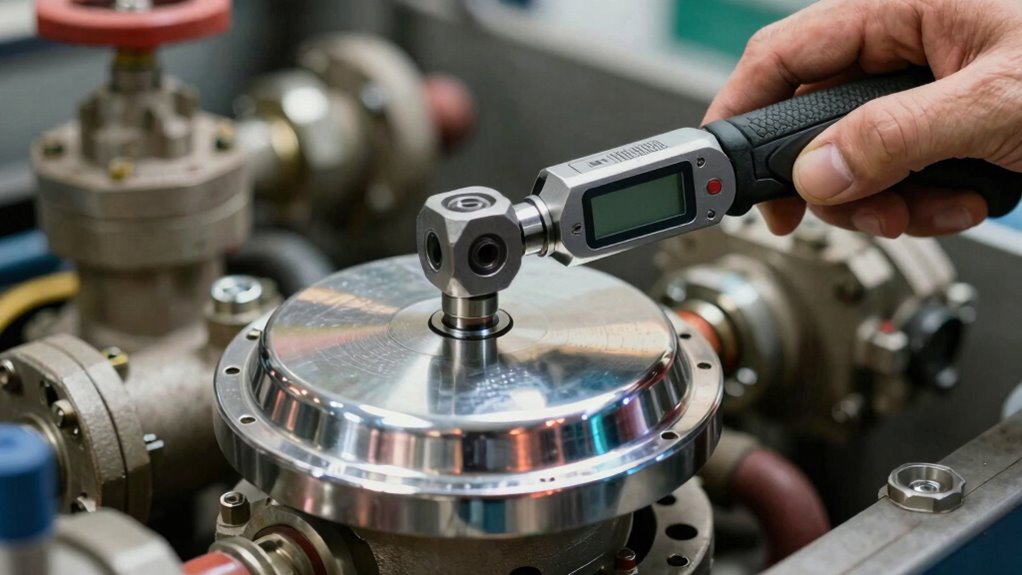

To prevent leaks and guarantee an even seal, follow a proper torque pattern when installing covers. Start by tightening bolts in a criss-cross or circular sequence, applying gradually increasing torque in small steps. Make sure to follow the manufacturer’s recommended order and pattern to distribute pressure evenly, reducing risk of warping or leaks. After initial tightening, recheck the torque to account for settling. Keep these steps in mind and you’ll discover more tips to optimize your installation process.
Open a free Amazon Business account
Business pricing, bulk buying and tax-exempt orders.
As an affiliate, we earn on qualifying purchases.
Key Takeaways
- Follow the manufacturer’s recommended torque sequence, typically criss-cross or circular, to ensure even pressure distribution.
- Use a step-by-step tightening process, gradually increasing torque in small increments to prevent warping or leaks.
- Recheck and retorque bolts after initial tightening to allow for settling and maintain a proper seal.
- Adjust torque levels based on the cover material—softer materials require lower torque, denser materials need higher torque.
- Proper installation techniques and consistent torque application minimize stress, prevent leaks, and extend cover lifespan.
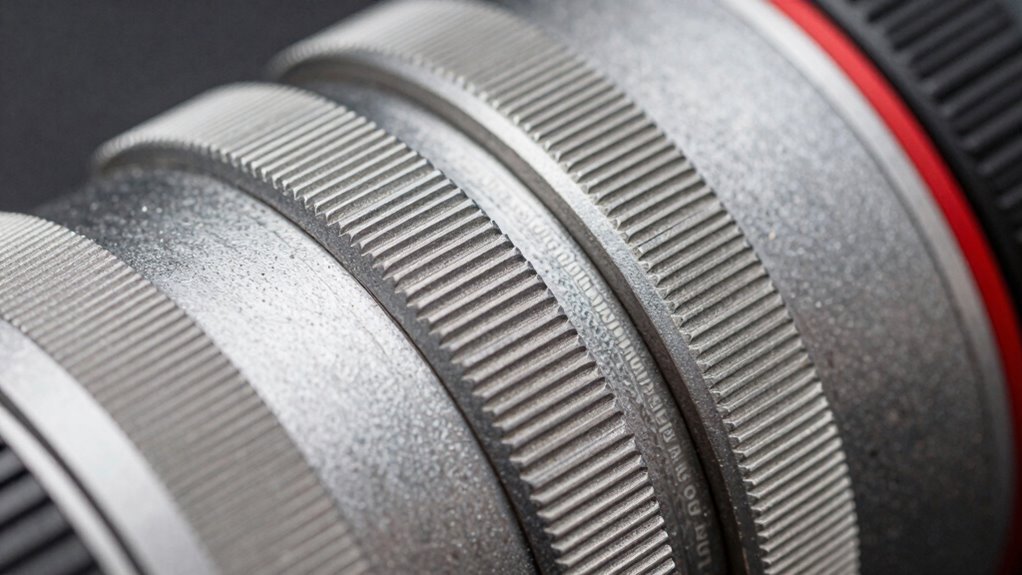
Understanding the correct torque patterns for covers is essential to guarantee proper installation and avoid damage. When you’re sealing or protecting machinery, equipment, or even vehicle components, how you apply torque can make all the difference. The cover material plays a significant role here. Different materials, like aluminum, steel, or composite plastics, react uniquely to torque application. For example, softer materials might require lower torque levels to prevent cracking or warping, while denser materials may need higher torque to ensure a secure fit. Recognizing these differences helps you choose the right approach for each cover, ensuring durability and preventing leaks down the line.
Your installation techniques are equally critical. Using a methodical, step-by-step process ensures even distribution of pressure across the cover. Typically, you should start by hand-tightening bolts in a criss-cross pattern. This technique helps you avoid uneven stress on the material, which could cause warping or misalignment. Once all bolts are hand-tightened, you move on to the specified torque pattern, gradually tightening each bolt in small increments. This gradual approach prevents over-tightening in one area, which could damage the cover or compromise its seal. It’s important to follow the manufacturer’s recommended torque specifications for each bolt, as exceeding these values risks cracking the cover material or stripping threads. Proper torque application also minimizes the risk of uneven stress distribution that could lead to leaks or failure.
Knowing the proper torque pattern isn’t just about applying the right amount of force; it’s also about doing so in the correct sequence. Many covers require a specific pattern—usually a circular or diagonal sequence—that ensures an even compression of the gasket or sealing surface. This is especially true for covers with complex shapes or multiple bolt points. When you follow these patterns, you distribute tension evenly, which helps maintain a tight seal and prevents leaks. Additionally, taking your time to recheck torque after initial installation is a good practice. As the cover material settles, slight adjustments might be necessary to maintain ideal sealing conditions.
torque wrench for automotive covers
As an affiliate, we earn on qualifying purchases.
As an affiliate, we earn on qualifying purchases.
Frequently Asked Questions
How Do Temperature Changes Affect Optimal Torque Settings?
Temperature changes impact your ideal torque settings because thermal expansion causes materials to expand or contract. When it gets hotter, parts may expand, reducing the tension, so you need to tighten covers more. Conversely, cooler temperatures cause contraction, so loosening might be necessary. Understanding material properties helps you adjust torque accordingly, ensuring seals stay tight and prevent leaks regardless of temperature fluctuations. Always consider these factors for reliable cover sealing.
What Tools Are Best for Applying Specific Torque Patterns?
Imagine trying to tighten a delicate watch; you need precision tools. You should use calibrated torque wrenches for applying specific torque patterns, ensuring accuracy. These tools allow you to follow proper application techniques, preventing leaks and damage. Always verify torque calibration regularly to maintain consistency. For the best results, choose high-quality, digital or click-type torque wrenches, and follow manufacturer instructions carefully to achieve the ideal torque pattern.
How Often Should Torque Patterns Be Re-Evaluated?
You should re-evaluate torque patterns during regular maintenance after a specific number of inspection intervals, typically every 6 to 12 months. Regularly checking guarantees your cover remains leak-proof and maintains peak performance. Adjust your maintenance frequency based on usage, environmental conditions, and manufacturer recommendations. Consistent re-evaluation helps catch any loosening early, preventing leaks and costly repairs. Keep a detailed log to track when torque patterns are last checked and adjusted.
Are There Industry Standards for Cover Torque Specifications?
Yes, there are industry standards for cover torque specifications that you should adhere to during cover maintenance. These standards help ensure proper sealing and leak prevention. It’s important to regularly check and calibrate your torque tools to maintain accuracy. By following these guidelines and performing torque calibration, you can prevent leaks and extend the lifespan of your covers, ensuring safety and efficiency in your operations.
How Do Different Cover Materials Influence Torque Application?
You need to adapt your approach because different cover materials influence torque application considerably. For example, rubber covers require gentler torque due to their flexible properties, while metal covers can withstand higher torque levels. Understanding cover material properties helps you choose proper installation techniques, ensuring a tight seal without damaging the cover. Always follow manufacturer guidelines and avoid the old “one size fits all” mentality to keep leaks at bay.
As an affiliate, we earn on qualifying purchases.
Conclusion
So, next time you tighten those cover bolts, remember—your perfect torque pattern isn’t just about preventing leaks, it’s about avoiding the chaos of unexpected drips. Ironically, a simple routine could save you hours of cleanup and headaches. You tighten, you secure, and hope for the best—only to discover the leak was just a pattern you didn’t follow. Sometimes, the tiniest details make the biggest difference. Who knew torque could be so vital?
As an affiliate, we earn on qualifying purchases.
reusable torque measurement tool
As an affiliate, we earn on qualifying purchases.
As an affiliate, we earn on qualifying purchases.
Flea & tick season Picks
flea and tick prevention
As an affiliate, we earn on qualifying purchases.