Your handling and flow of products are directly affected by storage temperature, as it determines safety, quality, and shelf life. If temperatures fluctuate, you might experience spoilage, degradation, or damage, leading to delays and waste. Proper packaging and temperature control systems help keep products stable during storage and transit, ensuring smooth operations. Maintaining the right conditions is vital, and understanding how temperature impacts flow can help you manage risks more effectively. Keep exploring to learn how to optimize your storage practices.
Key Takeaways
- Temperature fluctuations can cause product spoilage or degradation, affecting safe handling and storage.
- Proper packaging insulates products, maintaining stable temperatures and preventing flow disruptions.
- Temperature excursions may require immediate corrective actions to avoid delays and waste in the supply chain.
- Consistent temperature control ensures smooth product flow and reduces risks during transportation and storage.
- Managing storage temperature preserves product quality, safety, and overall supply chain efficiency.
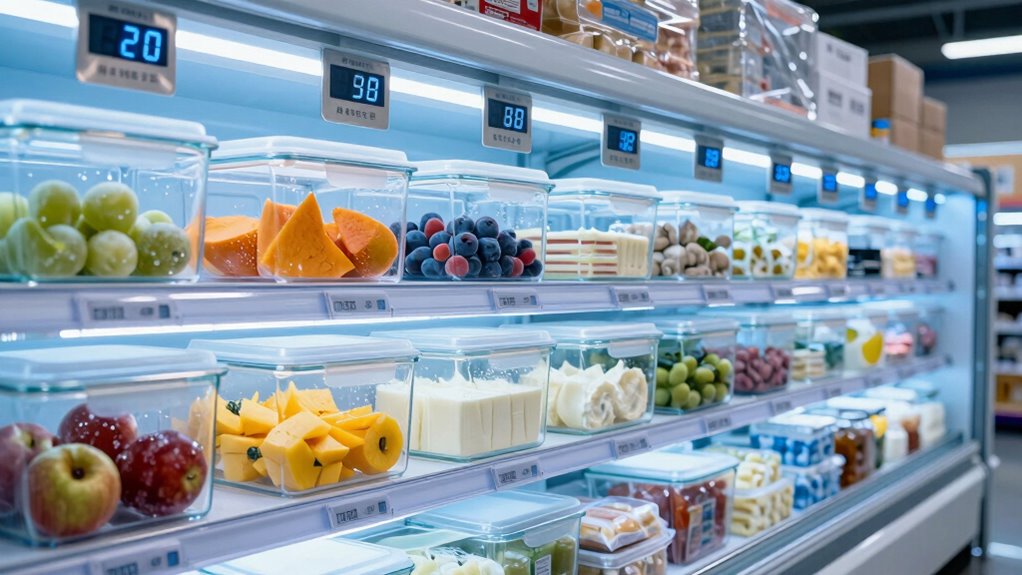
Have you ever wondered how storage temperature affects the quality and safety of your stored items? Temperature plays a pivotal role in maintaining the integrity of everything from food and pharmaceuticals to chemicals and electronics. When storage temperatures fluctuate, they can impact the thermal stability of your products, leading to degradation, spoilage, or even hazardous conditions. Understanding this relationship helps you manage handling and flow effectively, ensuring your items remain safe and functional throughout their shelf life. Proper storage conditions are especially critical for temperature-sensitive products, which require precise environmental controls to preserve their quality.
Storage temperature critically impacts product safety, quality, and shelf life across various industries.
Thermal stability refers to how well a product resists changes when exposed to different temperatures. If your items are sensitive, even slight deviations from recommended storage conditions can cause deterioration. For example, certain medications require strict temperature controls; falling outside these ranges can reduce their potency or render them unsafe. Similarly, food products that are not stored at proper temperatures risk bacterial growth or spoilage, which can compromise safety. To mitigate this, you need to pay close attention to packaging considerations. Proper packaging acts as a barrier against temperature fluctuations, protecting products from external heat, cold, or moisture. Insulating materials, vacuum sealing, and thermal packs are all strategies to maintain consistent conditions. When packaging is optimized for thermal stability, it reduces the risk of damage caused by temperature changes, ensuring your items stay within safe handling parameters.
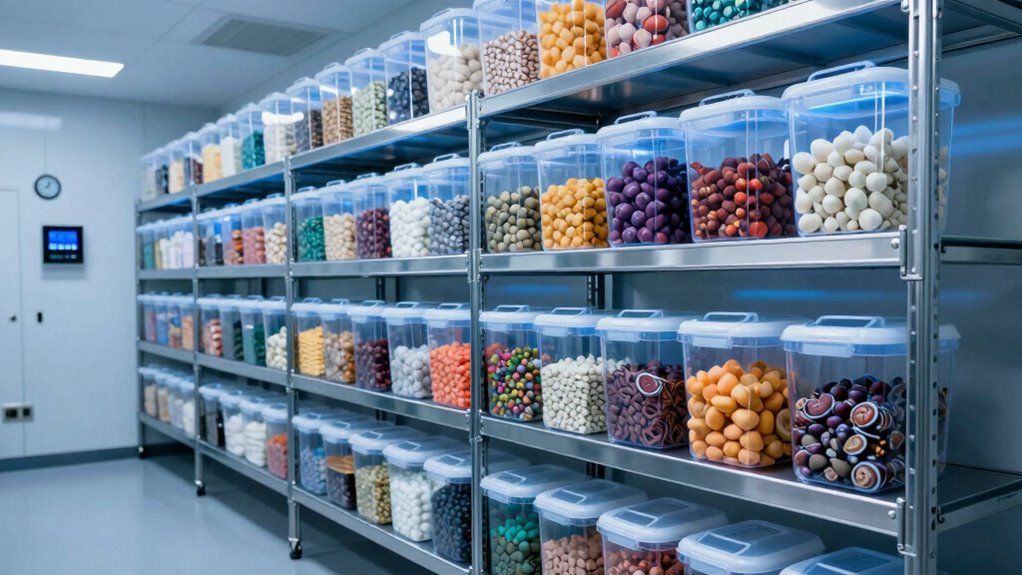
Temperature variations also influence how you handle and flow products through the supply chain. For temperature-sensitive items, monitoring and controlling storage environments is essential to prevent flow disruptions. When items are exposed to higher temperatures, they may become unstable, requiring immediate action to prevent spoilage or damage. Conversely, excessively cold conditions can cause materials to freeze or become brittle, complicating handling processes. To keep flow smooth, you need reliable refrigeration or heating systems, along with real-time temperature tracking. Proper packaging considerations complement these systems by providing additional insulation and stability during transport and storage. This way, you minimize the risk of temperature excursions that could delay shipments, increase waste, or compromise quality. Additionally, implementing temperature monitoring protocols can help detect and address issues proactively before they lead to product failure.
In essence, understanding how storage temperature influences thermal stability and handling is indispensable for maintaining product safety and operational efficiency. By paying attention to packaging considerations, you can better protect items from temperature-induced issues, ensuring they remain stable and safe from the moment they’re stored until they reach the end user. Managing storage temperature isn’t just about keeping things cold or hot; it’s about creating a controlled environment that preserves the integrity of your products, streamlines flow, and reduces losses. With thoughtful planning and appropriate packaging, you can navigate temperature challenges confidently, safeguarding the quality of your stored items at every stage.

Insulated Thermal Shipping Box 10" x 10" x 10" – USA-Made Cold Shipping Box with Self-Seal Thermal Foil Bubble Liners, Water-Resistant Insulated Box for Frozen Food by IDL Packaging
- SHIPPING BOXES WITH THERMAL FOIL BUBBLE LINERS: We offer a 10"x10"x10" insulated…
- KEEPING PRODUCTS COLD FOR LONGER: Our frozen food shipping boxes,…
- SELF-SEAL INSULATED BOX LINERS: Each insulated shipping box includes…
As an affiliate, we earn on qualifying purchases.
As an affiliate, we earn on qualifying purchases.
Frequently Asked Questions
How Does Storage Temperature Affect Product Shelf Life?
You’ll find that storage temperature directly impacts your product’s shelf life by influencing product degradation and microbial growth. When temperatures are too high, products degrade faster and microbes thrive, shortening shelf life. Conversely, cooler storage slows down these processes, keeping your items fresh longer. Maintaining ideal storage conditions is vital to prevent spoilage, guarantee safety, and extend the overall usability of your products.
What Equipment Is Necessary for Maintaining Specific Storage Temperatures?
You need the right equipment to keep temperatures just right, so you don’t get caught between a rock and a hard place. Insulation requirements are vital to prevent heat transfer, while refrigeration systems maintain consistent temperatures. Make sure you have high-quality coolers, temperature controllers, and monitoring devices. This combo helps you stay ahead of the game, guaranteeing your product stays fresh and compliant with storage standards.
How Do Temperature Fluctuations Impact Sensitive Materials?
Temperature fluctuations can severely impact sensitive materials by disrupting temperature stability, leading to material degradation. When temperatures vary, you risk compromising product quality, causing chemical or physical changes. This can result in reduced effectiveness, spoilage, or safety issues. To prevent this, you must maintain consistent storage conditions, monitor temperature levels closely, and use proper equipment to guarantee stable environments, protecting your sensitive materials from damage caused by fluctuating temperatures.
Are There Industry Standards for Storage Temperature Ranges?
Yes, industry standards specify storage temperature ranges through storage regulations and temperature classifications. You should always follow these guidelines to guarantee product safety and compliance. These standards define specific temperature zones for different materials, helping you prevent spoilage or damage. By adhering to the recommended storage temperature ranges, you maintain product integrity, streamline handling processes, and avoid regulatory penalties. Always check the relevant standards for your industry to stay compliant.
How Can Storage Temperature Be Monitored Remotely?
You can monitor storage temperature remotely using remote sensors connected to your system. These sensors continuously log temperature data, allowing you to track conditions in real-time. Many systems offer cloud-based temperature logging, so you can access updates from anywhere. Implementing these tools helps guarantee your storage environment stays within ideal ranges, preventing spoilage or damage. Regularly reviewing remote sensor data ensures you maintain proper handling and flow of your stored items.

Elitech 10 Pack 120 Days USB Temperature Data Logger Single-Use Cold Chain Monitor (CCM) in-Transit Trip Disposable Temperature Recorder, Temperature Monitoring with PDF Report -22~158℉ RC-17
- Single-use with encrypted PDF report: Auto-generated, password-protected reports
- High data capacity: Records up to 16,000 data points for 120 days
- Waterproof and durable: IP67 waterproof design with sealed bag
As an affiliate, we earn on qualifying purchases.
As an affiliate, we earn on qualifying purchases.
Conclusion
Remember, keeping your storage temperature just right is vital for smooth handling and flow. If you don’t, you might find yourself caught in a real pickle, like the folks in the olden days trying to preserve their goods without modern tech. So, stay vigilant and adjust as needed—think of it as your secret weapon for efficiency. A little temperature tweak today can save you a lot of trouble tomorrow, ensuring your operations run like clockwork.

LDKFLKR Commercial Insulated Rice Barrel, Stainless Steel Container w/3 Buckles & 2 Handles,Refrigerated Transport Bucket, Warmers Coffee Urn Insulated Barrel for Canteen, Home White 10L
- Good Sealing Performance: Thickened lid with silicone ring and buckles
- Excellent Insulation: Keeps food hot 12-16h, cold 20-24h
- Food-Grade Stainless Steel: Durable pans with handles for easy transport
As an affiliate, we earn on qualifying purchases.
As an affiliate, we earn on qualifying purchases.

Syntus 150 Pcs Vacuum Sealer Bags for Food, 8×12+11×16+6×10, BPA Free
- Compatibility: Works with all desktop vacuum sealers
- PreCut Design: 150 bags in three sizes
- Convenient Sizes: Gallon, quart, pint sizes
As an affiliate, we earn on qualifying purchases.
As an affiliate, we earn on qualifying purchases.