If you use the wrong gear oil, neglect to clean out debris, or don’t fill to the correct level, it can cause false symptoms like noises, overheating, or leaks that seem like internal damage. These mistakes can lead to premature wear and costly repairs. Properly matching the oil, inspecting carefully, and following the right procedures can prevent these issues. Keep going to discover how to avoid common differential oil change pitfalls.
Key Takeaways
- Using incorrect gear oil types or viscosities can cause inadequate lubrication and false noise or overheating symptoms.
- Failing to properly clean the differential housing before oil change can introduce contaminants that mimic mechanical issues.
- Overfilling or underfilling the differential oil may lead to abnormal sounds and overheating, mistaken for internal damage.
- Not tightening drain and fill plugs properly can cause leaks, low oil levels, and false symptoms like whining or grinding.
- Skipping routine maintenance and checks increases the chance of false symptoms and unnecessary repairs.
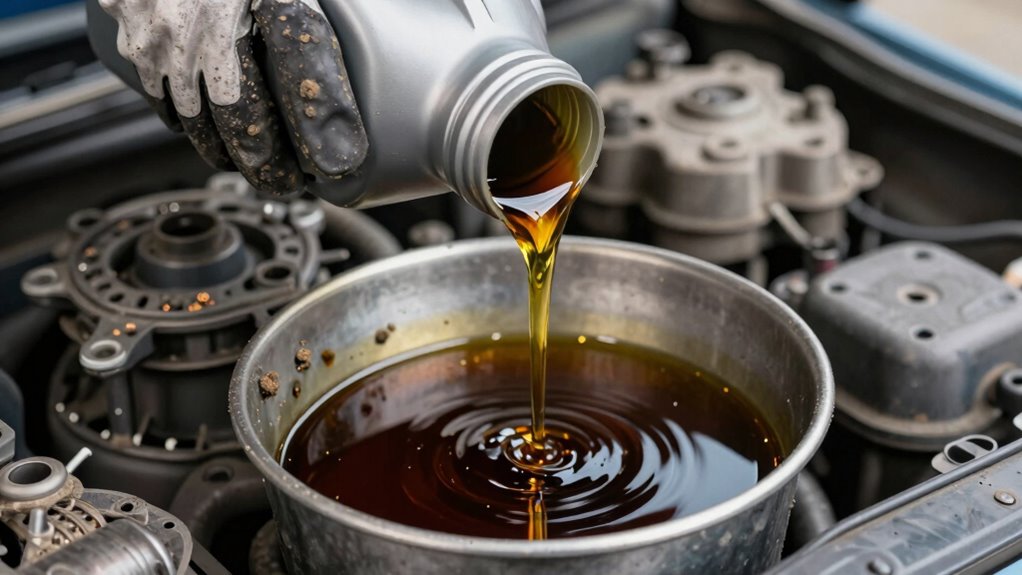
Changing your differential oil might seem straightforward, but many car owners make common mistakes that can lead to costly repairs. One of the biggest errors is overlooking the importance of matching the gear oil specifications to your vehicle’s requirements. Different differentials require specific types of gear oil, with particular viscosity and additive packages designed for ideal performance. Using the wrong gear oil can cause inadequate lubrication, increased friction, and accelerated wear on internal components. This not only shortens the lifespan of your differential but can also lead to false symptoms like unusual noises or vibrations that might seem unrelated to oil quality. If you ignore the manufacturer’s recommended gear oil specifications, you risk increasing the differential repair cost because you may need more extensive repairs down the line.
Another common mistake is neglecting to properly inspect and clean the differential before an oil change. Dirt, metal shavings, or debris can settle at the bottom of the housing, which, if not removed, can contaminate the new oil and impair its lubricating properties. Skipping this step might cause your differential to exhibit symptoms such as grinding noises or uneven tire wear, which can be mistaken for other mechanical issues. These false symptoms often lead to unnecessary repairs or part replacements, inflating your differential repair cost unnecessarily. Proper cleaning and inspection help guarantee that you’re not just changing the oil but also addressing underlying issues that could cause ongoing problems.
Many owners also forget to check the level of the differential oil properly. Overfilling or underfilling can both lead to abnormal sounds and overheating—again, mimicking more serious problems. If you don’t follow the correct procedure for checking and filling the differential, you might end up with false symptoms that prompt premature repairs. It’s vital to use a reputable dipstick or fill plug and adhere to the specified fill level to avoid these issues. Incorrect oil levels contribute to increased wear, which can be mistaken for more severe damage, driving up the differential repair cost unnecessarily.
Finally, rushing through the oil change process itself can cause problems. Failing to tighten the drain plug or fill plug properly can result in leaks, which might cause low oil levels and false symptoms like whining or slipping. These symptoms could be misinterpreted as internal damage, leading to costly repairs that could have been avoided with proper care. Taking the time to follow the correct procedures, use the right gear oil specifications, and ensure everything is sealed and topped off properly will save you money and prevent false symptoms from steering you toward unnecessary diagnoses.
A helpful tip is to pay attention to simple maintenance routines that can extend the life of your differential and prevent false symptoms from occurring.
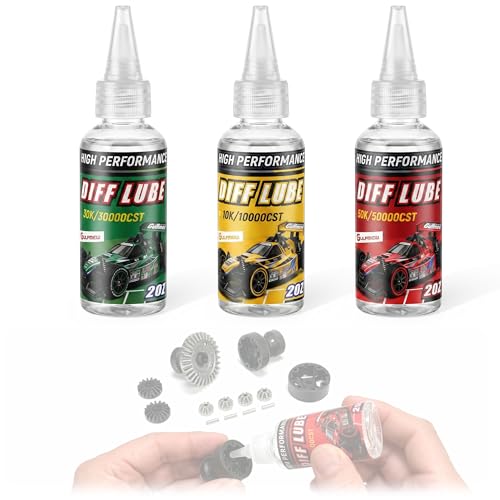
3 Bottles RC Differential Oil Kit 10K 30K 50K cSt 2OZ Silicone RC Diff Fluid Set for Sealed Differentials, High Viscosity Car Differential Oil for 1/10&1/8 Scale R/C Cars, Trucks,Buggies(1 Pack,60 ml)
- Viscosity Options: Includes 10K, 30K, 50K oils
- High-Quality Silicone: Provides stable viscosity and smooth lubrication
- Adjustable Locking Effect: Controls traction and power distribution
As an affiliate, we earn on qualifying purchases.
As an affiliate, we earn on qualifying purchases.
Frequently Asked Questions
Can Wrong Oil Viscosity Cause False Differential Symptoms?
Yes, using incorrect viscosity oil can cause false symptoms in your differential. When the oil isn’t the right thickness, it may lead to improper lubrication, causing noise, overheating, or abnormal wear. These issues might seem like other problems, but they’re actually false symptoms caused by improper viscosity. Always check your vehicle’s manual to ensure you use the recommended oil viscosity, preventing misleading symptoms and potential damage.
How Often Should Differential Oil Be Changed for Different Vehicles?
Think of your vehicle’s differential as a crucial organ needing regular checkups. Typically, you should change the differential oil every 30,000 to 50,000 miles, but this varies with vehicle type and driving conditions. For ideal vehicle maintenance, consult your owner’s manual for specific oil change intervals. Regular oil changes help prevent false symptoms and keep your differential running smoothly, much like a well-tuned orchestra.
Are There Specific Signs Indicating a Differential Oil Change Is Needed?
You’ll notice signs like increased differential noise or unusual whining sounds when your differential needs an oil change. Also, keep an eye out for oil leaks around the differential housing, which can indicate low oil levels or seal issues. If you observe these symptoms, it’s essential to get the differential oil checked and changed promptly to prevent further damage and guarantee smooth vehicle operation.
What Tools Are Recommended for a Proper Differential Oil Change?
For a proper differential oil change, you’ll need a socket wrench to remove the drain plug and let the old oil drain out. An oil pump or fluid transfer pump makes refilling easier and cleaner. Use a funnel to avoid spills, and a drain pan to catch the old oil. These tools guarantee you complete the job efficiently, preventing false symptoms caused by improper oil changes.
Can Improper Cleaning Affect Differential Performance After Oil Change?
Think of your differential like a well-tuned orchestra; improper cleaning can throw it off balance. If you don’t thoroughly remove old oil residue during differential cleaning, leftover debris and oil can cause poor lubrication, leading to noise, overheating, or uneven wear. This can make your differential perform poorly after the oil change, as contaminants interfere with proper operation. Always guarantee complete cleaning to keep your differential running smoothly and avoid false symptoms.

1665962M91 Differential Oil Level Dipstick Fits Massey Ferguson 20F 50E
- Compatibility: Fits Massey Ferguson tractor models 165 Uk, 230, 231
- Replacement Part: New aftermarket differential oil dipstick
- OEM Reference: OEM numbers provided for reference only
As an affiliate, we earn on qualifying purchases.
As an affiliate, we earn on qualifying purchases.
Conclusion
Skipping the proper differential oil change might save you time today, but it can lead to false symptoms that cost you more tomorrow. Just like ignoring a warning light, it’s tempting to overlook small mistakes, yet those tiny errors can cause big, costly problems down the line. So, take your time, do it right, and avoid the false alarms—because in the end, proper maintenance keeps your vehicle running smoothly and your worries at bay.

WINTOOLS Differential & Axle Bush Tool Set
- Complete removal and installation kit: For balljoints and bearings
- Compatible with multiple BMW models: E39, E60, E61, E70, E63, E64, E38, E65, E66, E67, E31, E36, E46, E83, Z4
- Includes rear wheel carrier balljoint tools: For 5-Series, 6-Series, 7-Series, 8-Series
As an affiliate, we earn on qualifying purchases.
As an affiliate, we earn on qualifying purchases.

MOLUCKFU Engine Oil Comparator Tool and Transmission Oil Viscosity Tester Acrylic Stand for Accurate Car Maintenance and Quality Testing
- Versatile Oil Testing: Tests engine and transmission oil viscosity
- Precise Oil Comparison: Accurately compares oil quality
- Easy to Use: Simple insertion for accurate results
As an affiliate, we earn on qualifying purchases.
As an affiliate, we earn on qualifying purchases.