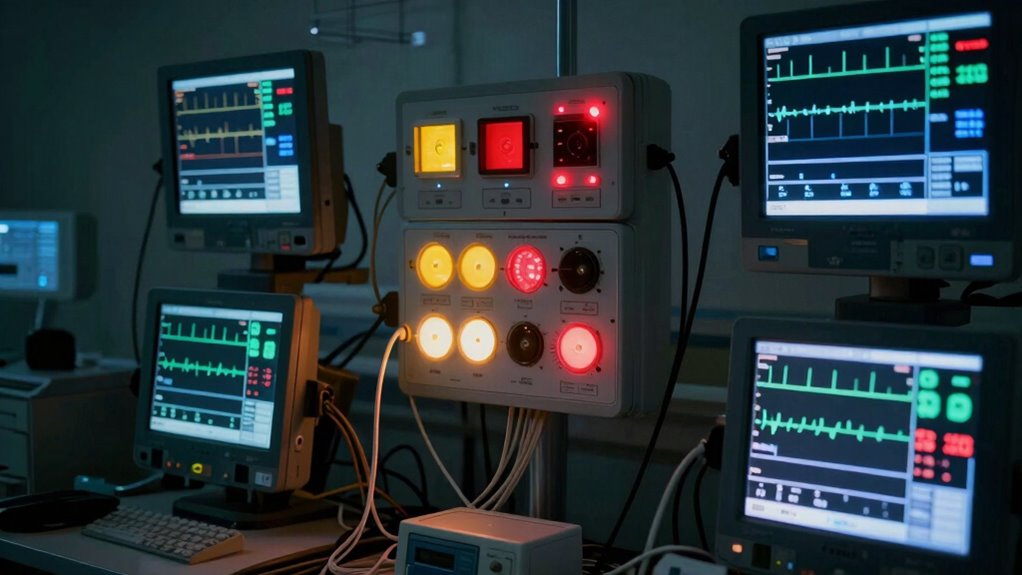

Alarm fatigue happens when frequent, false, or low-priority alarms overwhelm your monitoring system, leading you to ignore or dismiss critical alerts. This overload causes important signals to get lost in the noise, increasing safety risks. If you don’t implement proper alarm prioritization and effective management, your reliability programs can fail. To prevent this, it’s essential to understand how to optimize alert systems—keep exploring to learn how to improve your alarm strategies.

Get garage and car supplies delivered free — and shop member deals
- Fast, free delivery on millions of items
- Access to Prime Big Deal Days deals on October 6–7
- Prime Video, Amazon Music and more included
Key Takeaways
- Poor prioritization and filtering of alarms overwhelm staff, leading to dismissal of critical alerts.
- Lack of integrated, intelligent alarm management systems causes false alarms and nuisance alerts.
- Inadequate staff training results in misinterpretation and neglect of alarm significance.
- Outdated protocols and infrequent reviews worsen alarm overload and reduce system reliability.
- Failure to implement effective alert escalation and management strategies fosters complacency and missed threats.
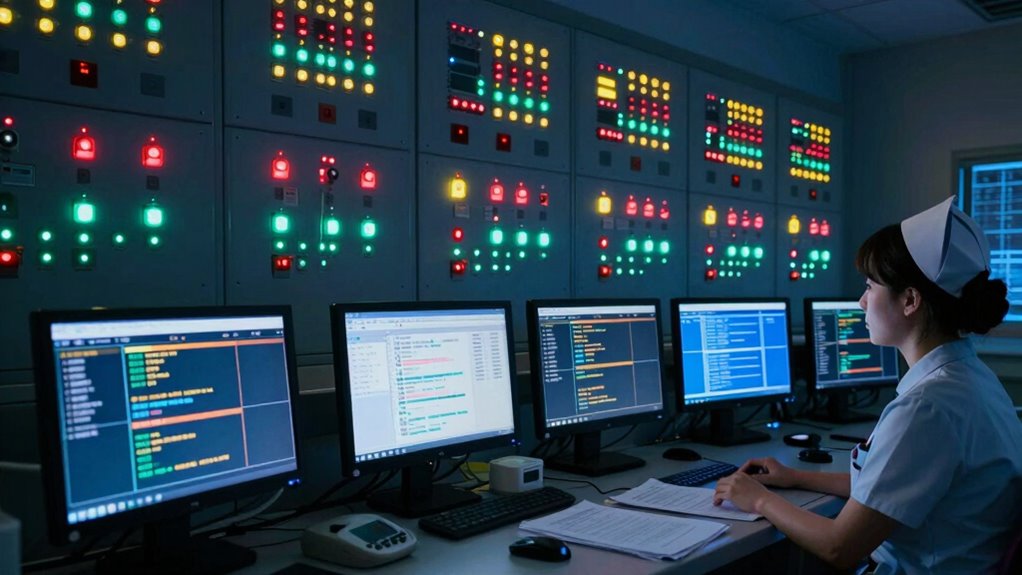
Have you ever ignored an alarm because it kept going off without a real threat? That’s a common experience, and it highlights a crucial issue in many safety and monitoring systems: alarm fatigue. When alarms are frequent and often false or low-priority, you might start dismissing them altogether, which can be dangerous. This is where alarm prioritization becomes essential. Instead of treating every alert equally, systems need to categorize alarms based on urgency and significance, so you can focus on what truly matters. Proper alarm prioritization helps you respond swiftly to critical events while reducing the likelihood of overlooking genuine threats. However, achieving this balance isn’t easy, and many organizations struggle because their alert management strategies aren’t streamlined or effective enough.
Effective alert management is the backbone of preventing alarm fatigue. When alerts flood your control room or monitoring station, you can become overwhelmed, and your ability to distinguish between minor issues and real emergencies diminishes. If you’re faced with dozens of alarms, you might start dismissing the less urgent ones without proper assessment, which can lead to missing essential signals. The key is to implement alert management systems that filter and escalate alarms appropriately, ensuring you’re only alerted to issues that require immediate attention. This involves fine-tuning alarm settings, integrating intelligent software, and training staff to understand the significance of different alarm levels. When alert management works seamlessly, it reduces false alarms and ensures critical alerts are promptly addressed. Additionally, understanding alarm fatigue as a widespread challenge can help organizations develop better strategies to combat it.
Alarm prioritization and alert management are interconnected; one supports the other. When alarms are properly prioritized, you avoid the chaos of a flood of notifications, and when your alert management system is efficient, it ensures those priorities are communicated clearly. But many reliability programs fail because they don’t take this integrated approach seriously. Instead of investing in advanced alarm systems or staff training, organizations often rely on outdated protocols or fail to regularly review alarm settings. This neglect leads to a buildup of nuisance alarms, which erodes trust in the system and fosters complacency. Over time, staff might start ignoring alarms altogether, making it more likely that critical issues will go unnoticed until they escalate into crises.
As an affiliate, we earn on qualifying purchases.
Frequently Asked Questions
How Can Staff Be Trained to Reduce Alarm Fatigue Effectively?
You can train staff effectively by focusing on staff education about alarm prioritization. Teach them to recognize which alarms need urgent attention and which can be monitored without response. Use scenario-based training to reinforce these skills and guarantee staff can quickly differentiate critical alarms from false or low-priority ones. Regular refreshers will help maintain awareness, reducing alarm fatigue and improving patient safety through better alarm management.
What Role Does Technology Play in Preventing Alarm Overload?
Technology plays a vital role in preventing alarm overload by enabling alarm prioritization and sensor calibration. You can use advanced monitoring systems that filter and categorize alarms based on urgency, ensuring you focus on critical issues first. Regular sensor calibration keeps alarms accurate, reducing false alarms and unnecessary alerts. This combination helps you manage alarms more effectively, minimizes fatigue, and enhances patient safety by ensuring timely responses to genuine emergencies.
Are There Specific Industries More Prone to Alarm Fatigue?
Ever feel like you’re drowning in a sea of alarms? Manufacturing plants and chemical facilities are especially prone to alarm fatigue because they generate countless alerts daily. The high-stakes environment and complex systems make it easy to overlook critical warnings. In these industries, alarm overload can desensitize staff, risking safety and efficiency. That’s why targeted strategies and reliable alarm management are essential to prevent alarm fatigue and keep everyone safe.
How Do Alarm Fatigue Impacts Patient Safety and Outcomes?
Alarm fatigue reduces your alarm sensitivity and hampers proper alarm prioritization, directly impacting patient safety. When alarms become frequent or false, you might overlook critical alerts or respond too slowly. This delay can lead to missed diagnoses, medication errors, or adverse events, jeopardizing patient outcomes. To improve safety, you need to optimize alarm management, ensuring essential alarms are distinguishable and prioritized accurately, keeping you alert and responsive when it truly matters.
What Are the Latest Innovations in Alarm Management Systems?
You should explore the latest innovations in alarm management systems, which include smarter alarm systems that use artificial intelligence and machine learning to reduce false alerts. These systems analyze patient data in real-time, prioritizing critical alarms, and integrate seamlessly with safety protocols. By adopting these advancements, you can improve alarm accuracy, minimize alarm fatigue, and enhance patient safety, ensuring your safety protocols are more effective and responsive.
As an affiliate, we earn on qualifying purchases.
Conclusion
So, next time your hospital’s alarms blare like a rock concert, remember: ignoring them might just turn the ward into a ghost town. Your reliability program’s failure to tame the chaos isn’t just a missed opportunity—it’s inviting a symphony of false alarms that drown out real emergencies. Eventually, you’ll be so numb to the noise, you’ll miss the real call for help. Alarm fatigue isn’t just a flaw; it’s a one-way ticket to disaster’s front row.
intelligent alarm monitoring system
As an affiliate, we earn on qualifying purchases.
As an affiliate, we earn on qualifying purchases.
As an affiliate, we earn on qualifying purchases.
Fall Picks
fall essentials
As an affiliate, we earn on qualifying purchases.