
TL;DR

Get business pricing on garage and car supplies
- Business-only prices and quantity discounts
- Tax-exempt purchasing
- Multiple users, one account, clear invoices
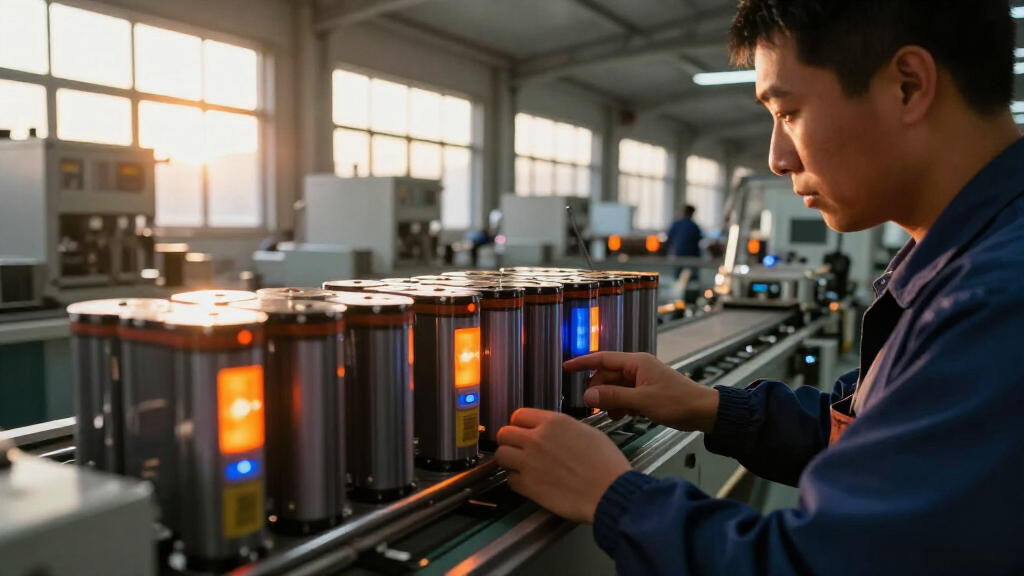
A $2 billion battery factory has begun production, supplying battery cells to Tesla and Toyota. This development highlights significant investment in EV supply chains and battery technology.
A $2 billion battery factory has officially started production, supplying battery cells to Tesla and Toyota. This marks a significant milestone in the expansion of EV supply chains and battery manufacturing capacity, with the facility representing one of the largest investments in battery cell production to date.
The factory, located in the United States, was constructed over the past two years and is now producing battery cells at a large scale. According to company officials, the facility aims to produce several gigawatt-hours of battery cells annually, supporting the growing demand from Tesla and Toyota for EV batteries. The plant’s launch underscores the shift toward localized battery production to reduce supply chain risks and meet increasing EV sales. While the company has confirmed the factory’s operational status, specific production volumes and future expansion plans remain undisclosed. Industry analysts see this as part of a broader trend of automakers investing heavily in in-house battery manufacturing to gain control over supply and costs.Why This Battery Factory Matters for the EV Industry
This new factory represents a major step in the shift towards localized, large-scale battery production, which is critical for meeting the rising demand for electric vehicles. By producing battery cells domestically, Tesla and Toyota aim to reduce reliance on overseas suppliers, mitigate supply chain disruptions, and lower costs. The investment signals a broader industry trend of automakers building their own battery manufacturing capacity, which could influence global supply dynamics and pricing. Additionally, the factory’s scale and technology could accelerate advancements in battery chemistry and manufacturing efficiency, impacting the future of EVs and renewable energy storage.
As an affiliate, we earn on qualifying purchases.
Background on Large-Scale Battery Manufacturing Investments
Over the past few years, automakers and battery manufacturers have announced multi-billion dollar investments to expand battery cell production. Notably, Tesla has been developing its own battery technology through its ‘4680’ cells, while Toyota has committed to increasing its battery manufacturing capacity as part of its electrification strategy. The new factory is part of this broader industry trend, which aims to secure supply chains amid global shortages and geopolitical tensions. The location and scale of this plant reflect the competitive race among automakers to dominate EV battery supply and reduce costs, which are critical factors for widespread EV adoption.
“This facility is a key part of our strategy to produce high-quality, affordable batteries at scale for our partners and customers.”
— Company spokesperson
As an affiliate, we earn on qualifying purchases.
Unconfirmed Details About Future Production and Expansion
While the factory is confirmed to be operational, specific details about its annual production capacity, future expansion plans, and technological innovations remain undisclosed. It is also unclear how this factory will impact global battery supply chains in the short term, or how it compares in scale to other major facilities under construction worldwide.
As an affiliate, we earn on qualifying purchases.
Next Steps for the Battery Factory and Industry Impact
Industry observers will watch for official reports on the factory’s actual production volumes and any announced plans for expansion. Additionally, as the factory ramps up, further details about its technological innovations and supply chain integration are expected to emerge. This development may influence competitors’ strategies and could accelerate investments in domestic battery manufacturing across the EV industry.
automotive battery manufacturing tools
As an affiliate, we earn on qualifying purchases.
As an affiliate, we earn on qualifying purchases.
Key Questions
What is the main purpose of the new battery factory?
The factory is designed to produce battery cells for Tesla and Toyota, supporting their EV production and reducing reliance on overseas suppliers.
How much did the factory cost to build?
The factory represents a $2 billion investment, making it one of the largest battery manufacturing investments to date.
When did the factory start production?
The factory is now operational as of early 2024, with initial production confirmed to have begun recently.
What is the expected impact on EV supply chains?
The factory aims to enhance domestic battery production, reduce costs, and mitigate supply chain risks, potentially influencing global EV manufacturing strategies.
Are there plans for future expansion?
Details about future expansion plans have not been publicly disclosed; industry analysts expect further updates as production scales up.
Source: rss
Halloween Picks
halloween
As an affiliate, we earn on qualifying purchases.