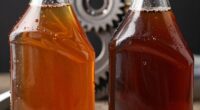
When gear oils are labeled “corrosive,” it means they can cause damage to yellow metals like brass, bronze, or copper, often by tarnishing, pitting, or degrading the surfaces. Not all oils do this—many contain inhibitors to protect these metals, but poorly formulated or incompatible oils can accelerate corrosion. Understanding what “corrosive” really involves helps you prevent damage; exploring more can show you how to keep your yellow metals protected effectively.

Get garage and car supplies delivered free — and shop member deals
- Fast, free delivery on millions of items
- Access to Prime Big Deal Days deals on October 6–7
- Prime Video, Amazon Music and more included
Key Takeaways
- “Corrosive” gear oil can cause damage like tarnishing, pitting, or degradation on yellow metals such as brass and bronze.
- It indicates chemical reactions that may lead to discoloration, surface roughness, or loss of metal integrity.
- Properly formulated oils include inhibitors to prevent corrosion and protect yellow metals from deterioration.
- Visual signs like staining, flaky patches, or metallic dullness help identify corrosive effects early.
- Selecting compatible gear oils and applying protective strategies extend the lifespan of yellow metal components.
As an affiliate, we earn on qualifying purchases.
What Are Yellow Metals and Why Do They Matter in Machinery?
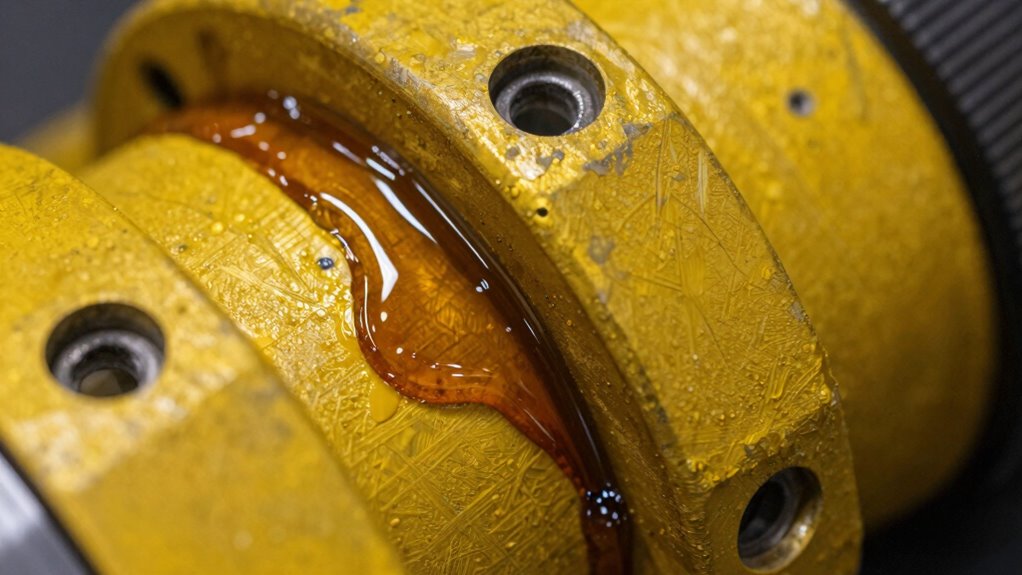
Yellow metals, which include alloys like brass and bronze, are commonly used in machinery because of their durability and corrosion resistance. These yellow metals have a unique alloy composition that combines copper with other elements like zinc or tin, enhancing their strength and longevity. Their excellent wear resistance makes them ideal for gears, bearings, and fittings that experience constant movement and pressure. The alloy composition also contributes to their ability to resist tarnishing and environmental damage, which is essential in demanding industrial environments. Additionally, the alloy properties of yellow metals enable them to withstand harsh conditions without significant degradation. Their corrosion resistance is one of the primary reasons they are chosen for critical mechanical components, especially in corrosive environments. Knowing what yellow metals are helps you understand why they’re preferred in machinery applications, especially where longevity and reliability matter. The presence of other alloying elements can further improve mechanical properties, making these metals suitable for a wide range of industrial uses. Their natural properties, dictated by their alloy composition, make them a crucial component in many mechanical systems. These properties are further supported by the material composition, which plays a vital role in their performance and durability. In addition, understanding the corrosive nature of certain environments helps engineers select the most appropriate yellow metals for specific applications.
corrosion inhibitors for yellow metals
As an affiliate, we earn on qualifying purchases.
As an affiliate, we earn on qualifying purchases.
What Does ‘Corrosive’ Mean When It Comes to Gear Oils and Yellow Metals?
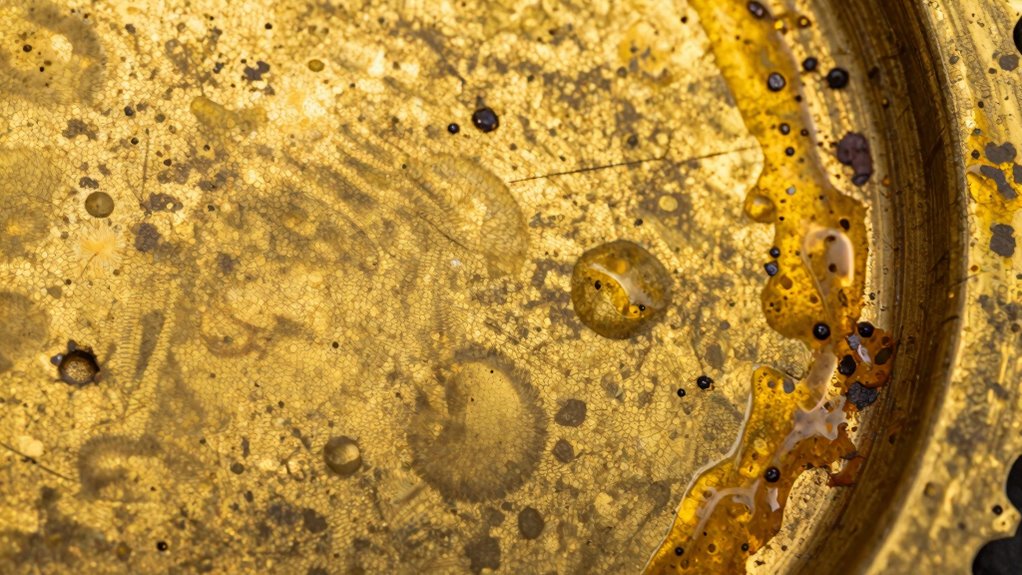
When gear oils are labeled corrosive, it means they can damage yellow metals like brass or bronze, risking metal compatibility issues. You’ll want to watch for signs of corrosion, such as discoloration or pitting, to catch problems early. Protect your machinery by using compatible oils and applying protective measures to prevent damage. Additionally, regular appliance maintenance plans can help identify early signs of corrosion or damage caused by incompatible lubricants. Being aware of the metal composition in your equipment can help prevent unintended reactions and extend the lifespan of your components. Understanding corrosion mechanisms and their effects can further assist in selecting the right protective strategies. Recognizing these factors is especially important given the volatile nature of some corrosive substances in certain gear oils. Proper storage and handling also play a critical role in minimizing risks associated with corrosive oils and protecting sensitive yellow metals.
Metal Compatibility Concerns
Understanding what “corrosive” means is essential when selecting gear oils for yellow metals like brass and bronze. These metals often have delicate metal plating or surface coatings that can be compromised by incompatible oils. Some gear oils contain additives or chemicals that react with the surface coatings, causing discoloration or degradation. This chemical interaction can lead to increased wear or failure of the metal components. To avoid these issues, choose oils specifically formulated for yellow metals, which are designed to minimize chemical reactions and protect metal surfaces. Always check compatibility charts and product labels to ensure your gear oil won’t harm the metal’s plating or surface coatings. Being aware of chemical compatibility is crucial to prevent unintended reactions that could damage your components. Proper selection helps extend the lifespan of your yellow metal parts and maintains peak performance. Recognizing metal compatibility considerations can save time and money in the long run. Additionally, consulting manufacturer recommendations can provide guidance for optimal oil choices that safeguard your equipment.
Signs of Corrosion
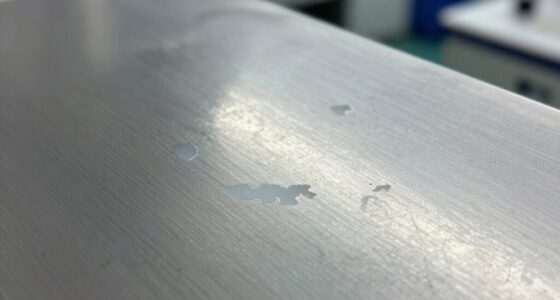
Corrosion signs on yellow metals caused by gear oils indicate that the oil is too reactive or incompatible with the metal’s surface. Recognizing these signs helps you identify potential issues early. Look for:
- Discoloration or staining on metal surfaces
- Pitting or surface roughness
- Rust formation or flaky patches
- Loss of shine or metallic luster
- Unusual buildup or deposits
These indicators suggest poor lubricant compatibility and a need for corrosion prevention measures. Ignoring these signs can lead to metal degradation and equipment failure. Regular inspection and choosing gear oils formulated to prevent corrosion are essential. Being attentive to these visual cues allows you to take timely action, ensuring your machinery stays protected and operates smoothly. Additionally, understanding the Free Floating nature of certain metals can help you select appropriate protective measures to minimize corrosion risks. Proper maintenance routines, corrosion-resistant coatings, and compatible lubricants further enhance the longevity of yellow metals exposed to reactive gear oils. Recognizing the reactivity of specific metals helps in selecting the right protective strategies to reduce corrosion potential. Using body jewelry materials that are less reactive with certain substances can also be beneficial in specific applications. Moreover, awareness of the metal’s susceptibility can guide you in choosing the most effective preventative measures for different environments.
Protective Measures
Recognizing signs of corrosion on yellow metals highlights the importance of implementing protective measures to prevent further damage. One effective approach is applying suitable coating strategies to your metal surface. These coatings create a barrier that blocks moisture and corrosive elements from reaching the metal, reducing oxidation risks. Regular cleaning and inspection can also help identify early signs of deterioration, allowing you to address issues before they worsen. Using corrosion-resistant alloys or adding inhibitors to gear oils can further protect your metal surfaces. Proper storage in dry, controlled environments minimizes exposure to moisture. Additionally, selecting appropriate essential oils with antimicrobial and protective properties can support surface preservation. By combining these protective measures, you enhance the longevity of your yellow metals and maintain ideal function, ultimately saving you time and costs associated with repairs and replacements.
gear oil compatible with brass bronze
As an affiliate, we earn on qualifying purchases.
As an affiliate, we earn on qualifying purchases.
How Does Corrosion Affect Brass, Bronze, and Copper Over Time?
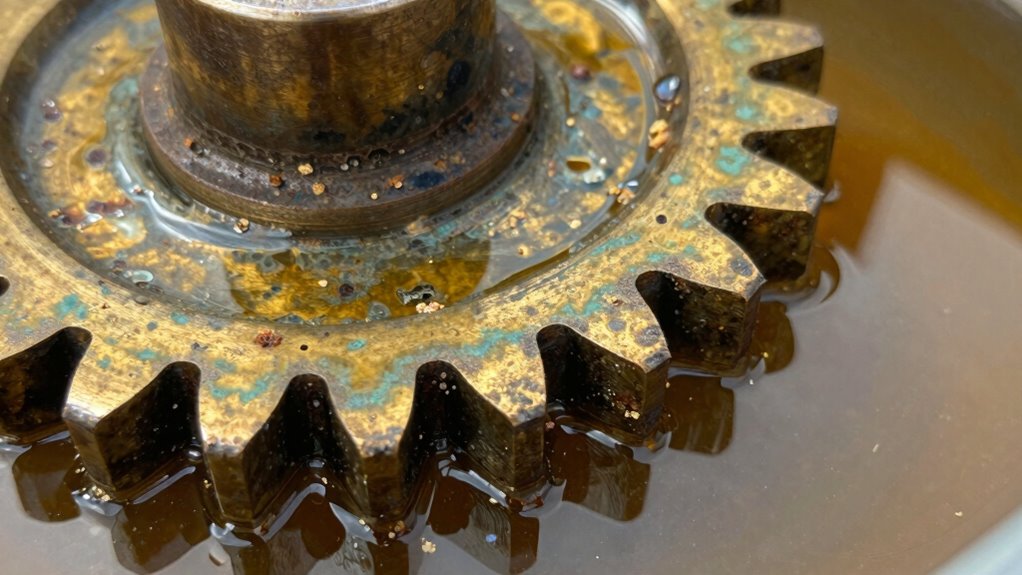
Corrosion can cause brass, bronze, and copper to weaken and change color over time, depending on their composition. Environmental factors like humidity and exposure to chemicals play a big role in accelerating or slowing this process. Protective measures, such as coatings or proper lubrication, can help preserve their integrity and extend their lifespan. Understanding indoor air quality and controlling humidity levels can also reduce corrosion risks in enclosed environments. Additionally, being aware of oxidation processes can help in selecting appropriate protective strategies to mitigate deterioration. Recognizing the role of electrochemical reactions in corrosion can further inform maintenance practices and material choices, especially in environments with fluctuating humidity levels that influence corrosion rates. Moreover, awareness of corrosion mechanisms can aid in selecting suitable materials and conditions that minimize deterioration over time.
Metal Composition and Corrosion
Over time, exposure to moisture and environmental elements causes brass, bronze, and copper to undergo chemical changes that weaken their structures. The alloy properties of these metals influence how they resist corrosion; some alloys are more resilient than others. Corrosion can transform their appearance, cause pitting, and reduce mechanical strength. Understanding metal resistance helps you choose the right alloy for specific environments. Factors like alloy composition, protective coatings, and environmental exposure determine how quickly corrosion progresses. Corrosion resistance varies among different alloys, impacting their suitability for various applications. Recognizing the role of metal alloy composition can guide you in selecting materials that better withstand corrosive conditions. Additionally, environmental factors such as humidity and temperature play significant roles in the rate of corrosion.
Environmental Impact Factors
Environmental factors such as moisture, temperature fluctuations, and exposure to chemicals directly influence how quickly brass, bronze, and copper corrode over time. These elements can accelerate deterioration, impacting environmental safety by releasing harmful substances into ecosystems. Corrosion weakens metal structures, leading to potential failures that pose safety hazards. Proper recycling practices help mitigate environmental impact by reclaiming and repurposing these metals, reducing waste and resource extraction. When metals corrode, they can leach toxic compounds, threatening soil and water quality. By understanding these environmental impact factors, you can better assess the longevity of brass, bronze, and copper components and adopt sustainable practices that promote environmental safety and responsible recycling. This awareness helps minimize long-term ecological damage caused by corrosion.
Protective Measures Effectiveness
Protective measures play a crucial role in delaying the deterioration of brass, bronze, and copper caused by corrosion. Using lubricant additives can reduce metal-to-metal contact, limiting corrosion opportunities. Metal surface treatments, such as coatings or anodizing, create a barrier that shields the metals from environmental factors. Proper storage and handling minimize exposure to moisture and corrosive elements. Regular maintenance, including cleaning with corrosion-inhibiting solutions, can further extend their lifespan. Additionally, applying protective waxes or sealants enhances resistance. These measures collectively improve the durability of yellow metals, ensuring their functional integrity over time. Effectively implementing these strategies helps prevent gradual degradation, saving you repair costs and maintaining the metal’s performance in demanding applications.
metal protection gear oil additives
As an affiliate, we earn on qualifying purchases.
As an affiliate, we earn on qualifying purchases.
Do All Gear Oils Cause Corrosion in Yellow Metals?
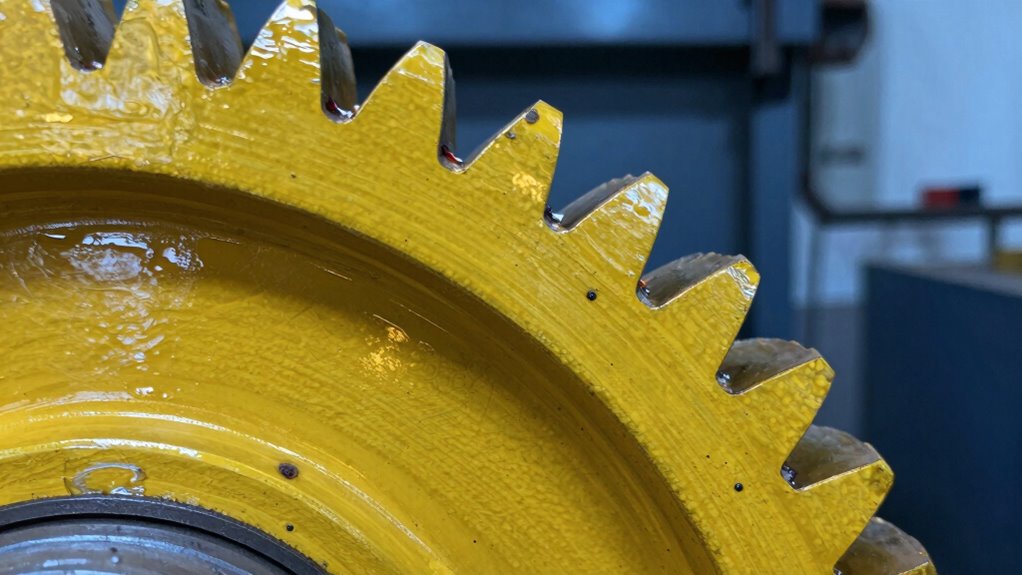
Not all gear oils cause corrosion in yellow metals, but many can if they contain certain additives or impurities. Some gear oils have corrosion inhibitors that are compatible with specific metal alloys, reducing the risk of damage. However, oils lacking these inhibitors or containing reactive substances can lead to tarnishing, pitting, or other forms of corrosion. Yellow metals like brass and bronze are especially sensitive to acids and sulfur compounds that may be present in lower-quality or improperly formulated gear oils. To prevent corrosion, it’s essential to select oils designed for yellow metals, ensuring they contain suitable corrosion inhibitors. Always check the product specifications and avoid oils with additives that might react adversely with your metal alloy.
How Can You Prevent Yellow Metal Corrosion When Using Gear Oils?
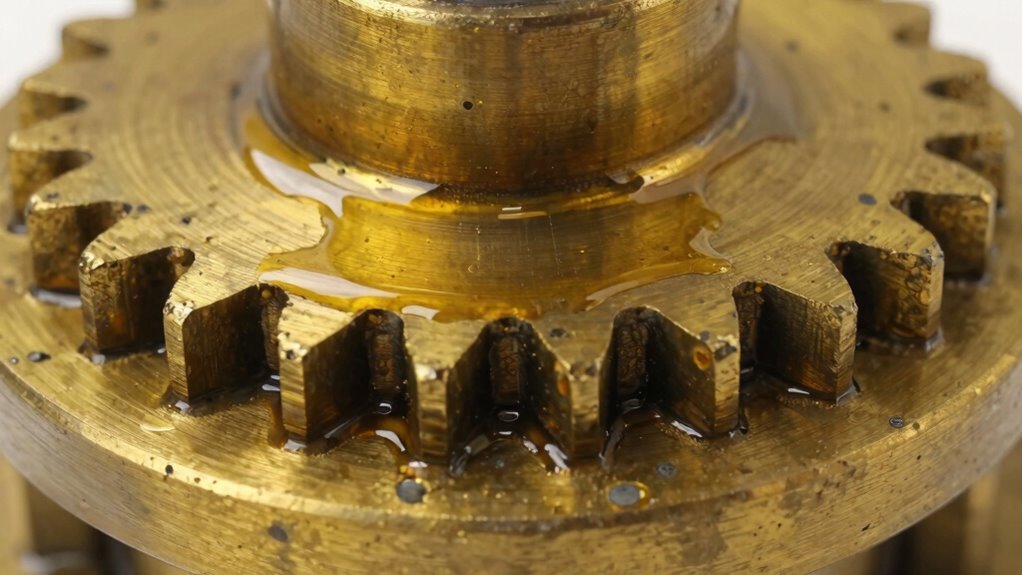
Choosing the right gear oil is the first step toward preventing yellow metal corrosion. To protect your components, consider the alloy composition of the metals involved, as some alloys are more prone to corrosion. Using gear oils formulated with effective corrosion inhibitors can substantially reduce the risk of damage. Additionally, ensure the oil’s pH level is suitable for yellow metals and avoid contaminated or degraded lubricants. Regularly monitoring and changing gear oil helps maintain its protective qualities. Opt for oils specifically designed for yellow metals, which contain additives that minimize corrosion while providing lubrication. Proper storage and handling also prevent contamination that could accelerate corrosion. Implementing these practices helps extend the life of your yellow metals and maintains ideal gear performance.
- Select oils with proven corrosion inhibitors
- Check alloy compatibility before choosing gear oil
- Maintain proper oil pH levels
- Regularly inspect and replace gear oil
- Store lubricants in contamination-free environments
How Can You Recognize Signs of Corrosion in Yellow Metals Caused by Lubricants?
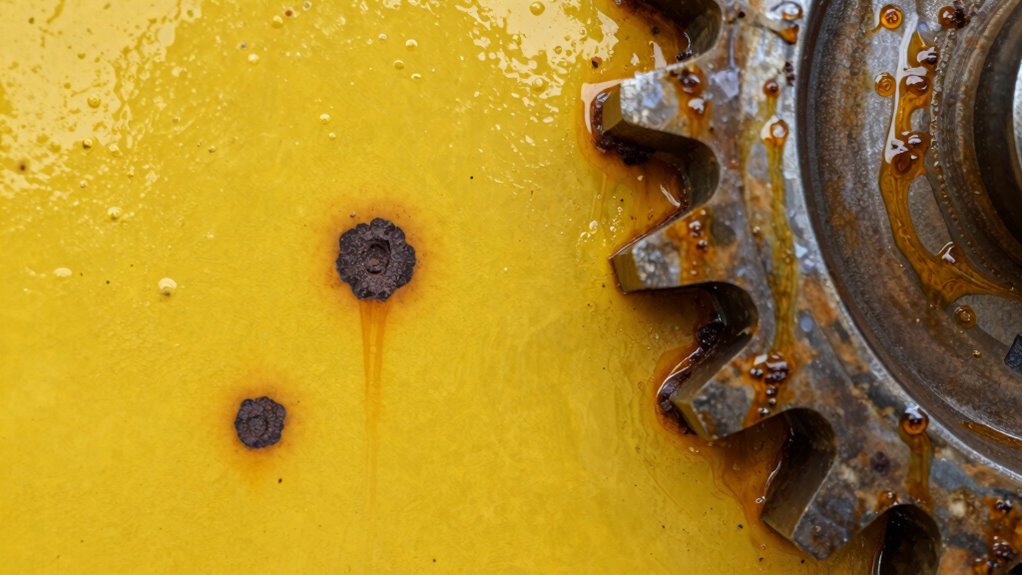
Recognizing signs of corrosion in yellow metals caused by lubricants is essential for preventing damage and maintaining equipment performance. Look for pitting corrosion, which appears as small, pinpoint holes or pits on the metal surface, indicating localized damage. These pits often develop unnoticed until they compromise structural integrity. Additionally, watch for signs of galvanic reactions, such as discoloration or corrosion spots where the metal contacts dissimilar materials or comes into contact with contaminated lubricants. Changes in surface appearance, including roughness, flaking, or a buildup of corrosion products, also signal deterioration. Early detection of these signs allows you to address issues promptly, reducing long-term damage and ensuring the longevity of your yellow metals. Regular inspections are key to catching corrosion early.
Tips for Choosing Gear Oils That Protect Your Yellow Metals
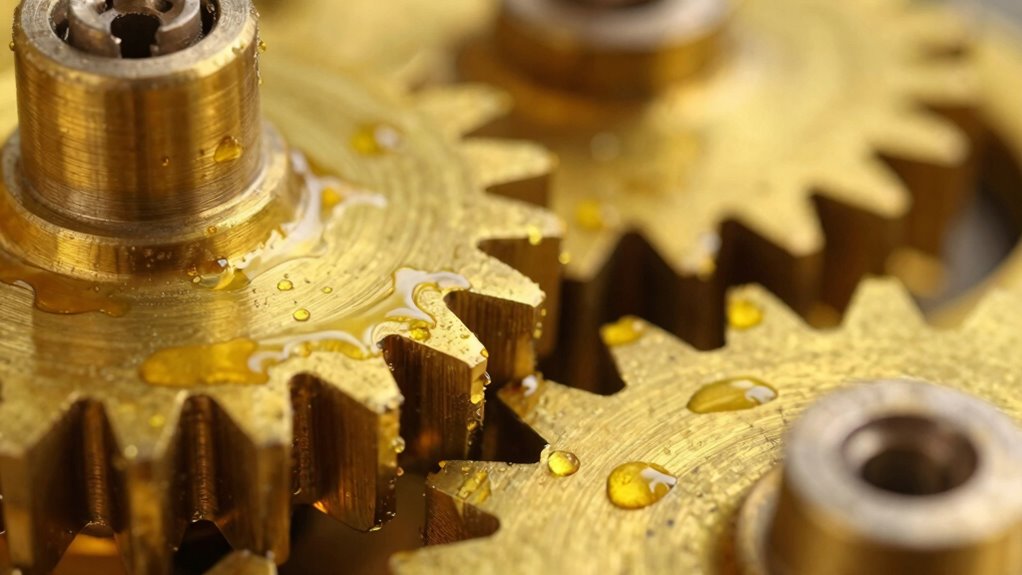
Selecting the right gear oil is essential for protecting your yellow metals from corrosion and wear. To guarantee prime protection, look for lubricants with properties that resist corrosion and minimize metal surface treatment damage. A quality gear oil should provide a stable film, prevent moisture buildup, and contain corrosion inhibitors.
Consider these tips:
- Choose oils with anti-corrosion additives to shield yellow metals
- Opt for lubricants with appropriate viscosity for your equipment
- Verify compatibility with metal surface treatment processes
- Use synthetic or high-quality mineral oils for better protection
- Regularly change gear oil to maintain lubricant properties and prevent contamination
Frequently Asked Questions
Which Yellow Metals Are Most Vulnerable to Gear Oil Corrosion?
You should watch out for yellow metal alloys like brass and bronze, as they’re most vulnerable to gear oil corrosion. These alloys typically have lower corrosion resistance, especially when exposed to oils containing sulfur or acids. To protect your equipment, choose yellow metal alloys with better corrosion resistance, such as certain bronze compositions, and regularly inspect for signs of deterioration. Proper lubrication and material selection help prevent costly damage.
Can Additives in Gear Oils Reduce Yellow Metal Corrosion?
While gear oil additives can’t completely prevent yellow metal corrosion, they do play a helpful role. By improving metal compatibility through specialized additive formulations, these additives can minimize harmful reactions. They form protective layers on metal surfaces, reducing direct contact with corrosive elements. Keep in mind, choosing gear oils with the right additive balance is key to safeguarding vulnerable yellow metals and extending your equipment’s lifespan.
How Does Temperature Influence Yellow Metal Corrosion Risk?
You should know that temperature effects notably influence yellow metal corrosion risk. As temperature rises, the metal surface becomes more vulnerable because higher heat accelerates chemical reactions, including corrosion processes. Conversely, lower temperatures slow down these reactions, reducing corrosion risk. So, maintaining ideal temperature levels in your equipment is vital; excessive heat can damage the metal surface and increase the chances of corrosion, while cooler conditions help protect it.
Are There Environmentally Friendly Gear Oils That Prevent Corrosion?
Yes, eco-friendly lubricants with corrosion inhibitors are available to prevent gear metal corrosion. You should look for gear oils labeled as environmentally friendly, which contain biodegradable base oils and additives that protect yellow metals. These lubricants effectively reduce environmental impact while offering corrosion resistance. By choosing eco-friendly gear oils with corrosion inhibitors, you can maintain equipment performance and safeguard yellow metals without harming the environment.
What Maintenance Practices Minimize Yellow Metal Deterioration?
Did you know that improper maintenance can cause yellow metal deterioration in just six months? To prevent this, you should follow proper lubrication techniques and check material compatibility regularly. Keep gear oils clean and free of contaminants, and make certain seals are intact. Regular inspections, using compatible lubricants, and applying protective coatings help minimize yellow metal corrosion, extending equipment life and reducing costly repairs.
Conclusion
Understanding what “corrosive” truly means helps you choose the right gear oil for your machinery. By recognizing signs of yellow metal corrosion and taking preventative steps, you can extend the lifespan of your components. Don’t you want to guarantee your equipment runs smoothly and efficiently? Staying informed and proactive makes all the difference—so choose wisely and protect your machinery from unnecessary damage. After all, a little knowledge goes a long way in preventing costly repairs.
Halloween Picks
halloween
As an affiliate, we earn on qualifying purchases.