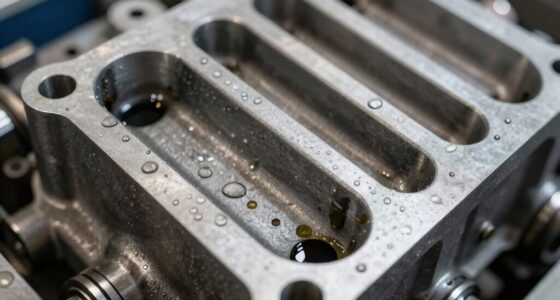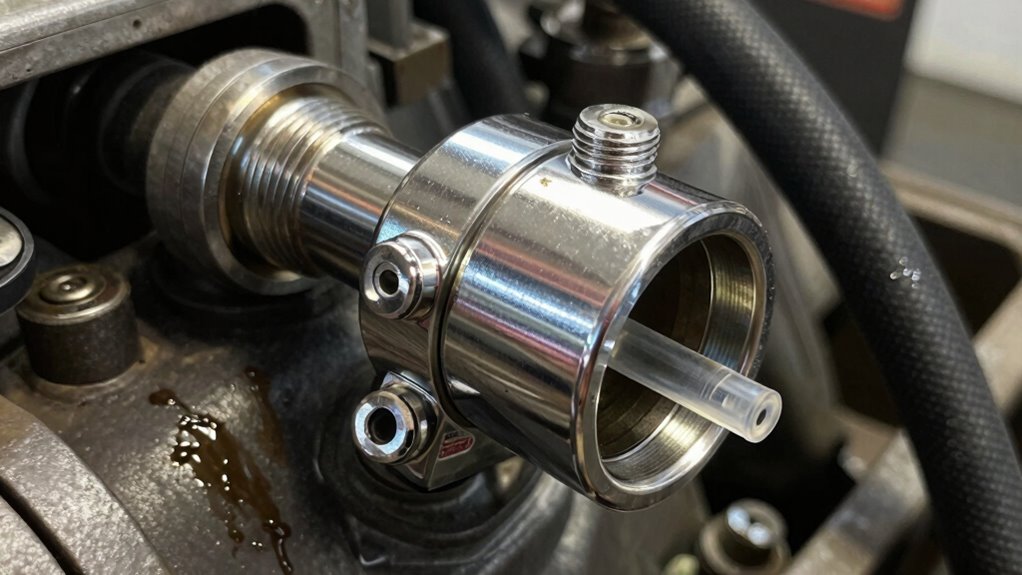

To get a sample that truly reflects your machine’s oil condition, choose a sampling port located in a steady, stable flow area away from turbulence, dirt, or contamination sources. Opt for tapped ports when possible, as they allow cleaner, more controlled sampling. Confirm the port is easily accessible and positioned where the oil flows regularly to avoid sediment buildup. For more tips on selecting the best spot, keep exploring to ensure your analysis is accurate and reliable.
Key Takeaways
- Select sampling ports located in steady, smooth-flow areas away from turbulence, pumps, and filters for representative oil samples.
- Use accessible, visible ports that are easy to reach safely without disrupting equipment operation.
- Prefer tapped ports with proper Valves to ensure cleaner, more controlled sampling processes.
- Avoid sampling near stagnant zones, dirt accumulation, or potential contamination sources to maintain sample integrity.
- Regularly inspect port condition and follow strict handling procedures to prevent external contamination and ensure accurate analysis.

IRP 1002 Oil Sampling Valve
As an affiliate, we earn on qualifying purchases.
As an affiliate, we earn on qualifying purchases.
Why Choosing the Right Sampling Port Is Critical for Accurate Oil Analysis
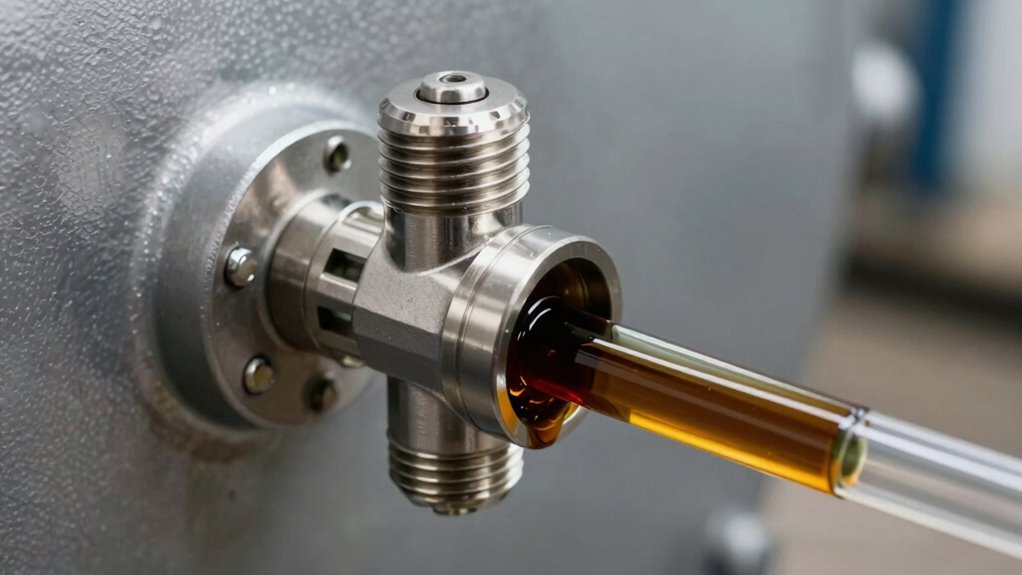
Choosing the right sampling port is crucial because it directly impacts the accuracy of oil analysis. If you select an inappropriate port, you risk collecting contaminated samples that contain lubricant contaminants not representative of the system’s true condition. Proper sampling ports help minimize exposure to dirt, dust, and other debris that can skew results. Additionally, they ensure you follow the correct sampling frequency, which is essential for detecting trends and early signs of wear or failure. Using a reliable port allows you to obtain consistent, uncontaminated samples over time, giving you a realistic picture of your equipment’s health. Furthermore, sampling port design can influence how easily and safely samples are collected, impacting overall sampling reliability. consistent sampling procedures are vital for maintaining the reliability of your analysis results. Properly sampling techniques reduce the risk of introducing errors and help ensure the longevity of your machinery. Ultimately, selecting the proper sampling port helps you make informed maintenance decisions, prolongs equipment life, and reduces costly downtime. Incorporating proper sampling methods can also help detect issues early, preventing costly repairs and unscheduled outages.

Oil Analysis Sampling Pump – Accurate Oil Extraction of Various Engine Oil
☆Match Bottle and Tubing Size : this Oil Analysis Sampler for standard bottle 38mm neck bottles and tubing…
As an affiliate, we earn on qualifying purchases.
As an affiliate, we earn on qualifying purchases.
Types of Oil Sampling Ports: Pros and Cons
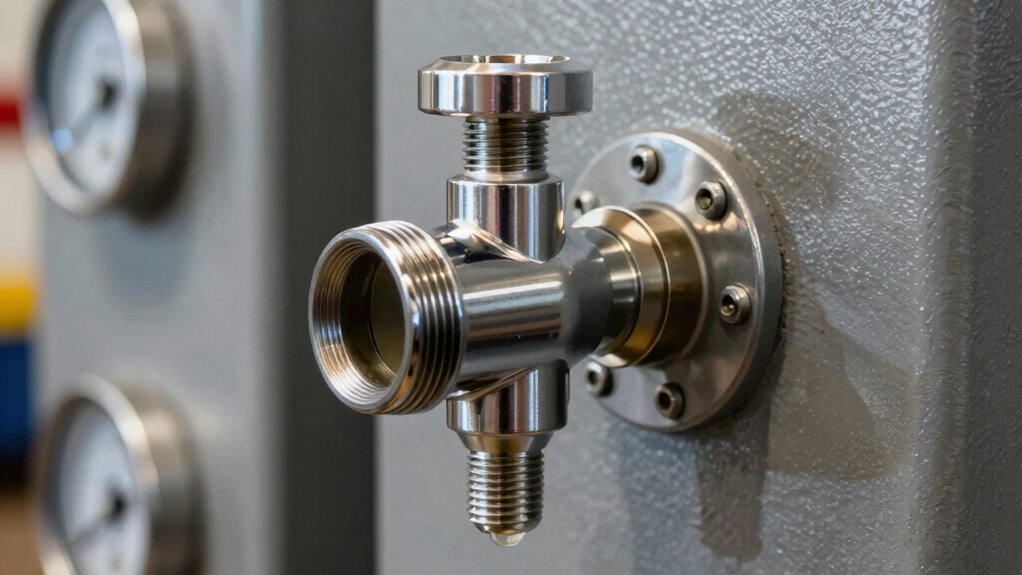
There are several types of oil sampling ports available, each with its own advantages and disadvantages. Understanding these helps you select the right option for accurate sampling.
- Threaded Ports: Easy to install and use with standard sampling equipment, but require regular port maintenance to prevent leaks and contamination. Proper maintenance ensures that the sampling process remains secure and reliable.
- Quick-Connect Ports: Enable fast sampling, reducing downtime, but may be less secure if not properly maintained.
- Blind Plugs: Cost-effective and simple, yet prone to contamination if not sealed tightly and maintained properly.
- Valved Ports: Offer controlled sampling, ideal for avoiding air ingress, but can clog or leak if neglected during port maintenance.
Choosing the right type ensures reliable samples, minimizes risks, and reduces maintenance effort. Proper selection of sampling port types can significantly improve data accuracy and operational efficiency.

ValvoMax Oil Drain Valve – Quick Twist Oil Drain Plug for Mess-Free DIY Oil Changes – No Tools Required – M14-1.50 Thread Size – Veteran-Owned American Brand
CHANGE YOUR OIL AT HOME – With the ValvoMax Quick Twist Oil Drain Valve, you can change your…
As an affiliate, we earn on qualifying purchases.
As an affiliate, we earn on qualifying purchases.
Key Factors to Consider When Picking a Sampling Point
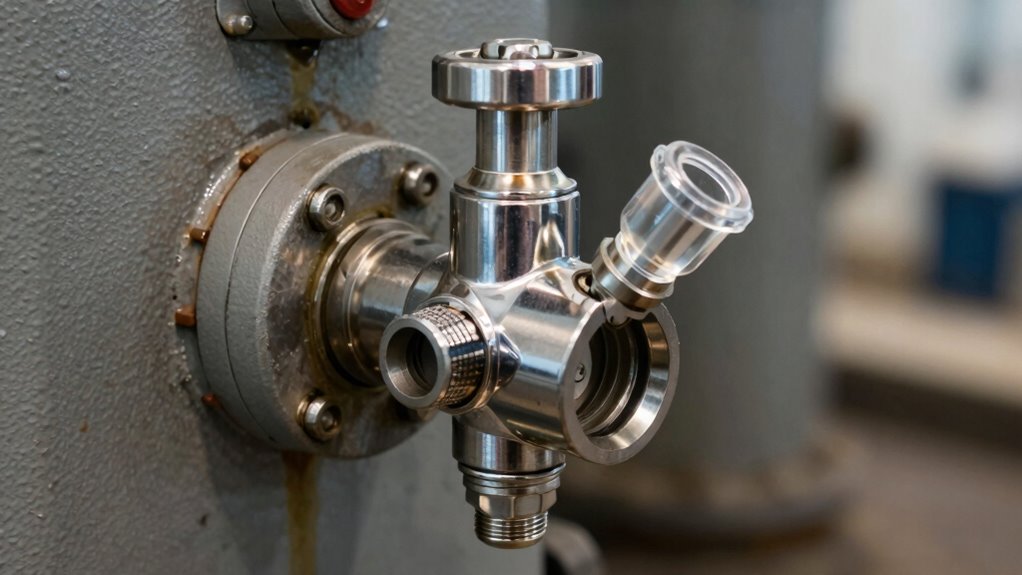
When choosing a sampling point, you need to prioritize accessibility and safety to guarantee easy and secure access. It’s also important to select a location that provides a representative sample of the oil’s condition, avoiding areas that may skew results. Additionally, you should minimize contamination risks by avoiding points near dirt, moisture, or other potential contaminants. Ensuring proper piercing care and hygiene practices can also help maintain the integrity of the sample and prevent contamination. Considering electric dirt bikes can be helpful in understanding how different environments might influence contamination risks and sampling techniques. Being aware of the sampling procedures specific to your equipment can further enhance sample accuracy and reliability. Recognizing local environmental factors is crucial, as they can significantly affect the contamination levels and the representativeness of the sample. Incorporating environmental monitoring can also improve the overall quality of your sampling process.
Accessibility and Safety
Ensuring accessibility and safety is essential when selecting an oil sampling port, as it directly impacts both the ease of obtaining samples and the well-being of personnel. A well-placed port minimizes hazards and streamlines sampling with minimal interruption. Consider these factors:
- Location ease—choose ports that are easy to reach without risking spills or injury.
- Clear access—avoid tight or obstructed areas that complicate sampling equipment setup.
- Visibility—opt for ports that are visible and identifiable, reducing errors.
- Compatibility—ensure the port is suitable for sampling equipment designed to analyze lubricant additives accurately.
- Maintain awareness of Free Floating conditions, which can influence how accessible and safe sampling points are in certain environments. Being mindful of pressure fluctuations can also impact sampling safety and accuracy.
- Additionally, understanding potential contamination sources helps in selecting sampling locations that preserve sample integrity and prevent erroneous results. Regularly inspecting sampling port integrity can further prevent leaks or contamination issues.
- Considering environmental factors such as temperature and humidity can also affect the safety and reliability of sampling procedures.
Prioritizing these points helps prevent accidents and contamination, ensuring safe, efficient sampling without compromising sample integrity or personnel safety.
Representative Sampling Location
Choosing the right sampling location is essential to obtaining a representative oil sample, as it directly influences the accuracy of condition assessments. You should evaluate the sample port design to verify it allows for proper flow and minimal disturbance of oil layers. A well-designed port promotes consistent sampling and reduces the risk of contamination. When selecting a sampling point, follow a solid sampling protocol that considers flow patterns within the system. Ideally, the port should be located where oil flow is stable and representative of the entire system, avoiding areas with turbulence, sediment buildup, or stratification. Proper placement ensures your sample reflects the true condition of the oil, enabling accurate analysis and informed maintenance decisions. Additionally, understanding cybersecurity strategies can help protect your sampling data from potential threats and ensure integrity throughout the process.
Minimizing Contamination Risks
To effectively minimize contamination risks at your sampling point, you need to focus on several key factors. First, always use a clean, dedicated sampling container to prevent cross-contamination. Second, ensure proper temperature control during sampling and storage, as temperature fluctuations can alter oil properties and introduce errors. Third, select a sampling location that minimizes exposure to external pollutants or debris. Fourth, implement strict handling procedures, such as wearing gloves and avoiding contact with contaminated surfaces. These steps help preserve sample integrity and accuracy. By paying attention to these factors, you reduce contamination risks and guarantee your sample truly represents the oil’s condition, leading to more reliable analysis and maintenance decisions.
Oil Analysis Sampling Pump – Accurate Oil Extraction of Various Engine Oil
☆Match Bottle and Tubing Size : this Oil Analysis Sampler for standard bottle 38mm neck bottles and tubing…
As an affiliate, we earn on qualifying purchases.
As an affiliate, we earn on qualifying purchases.
How Flow and Port Position Affect Sample Accuracy
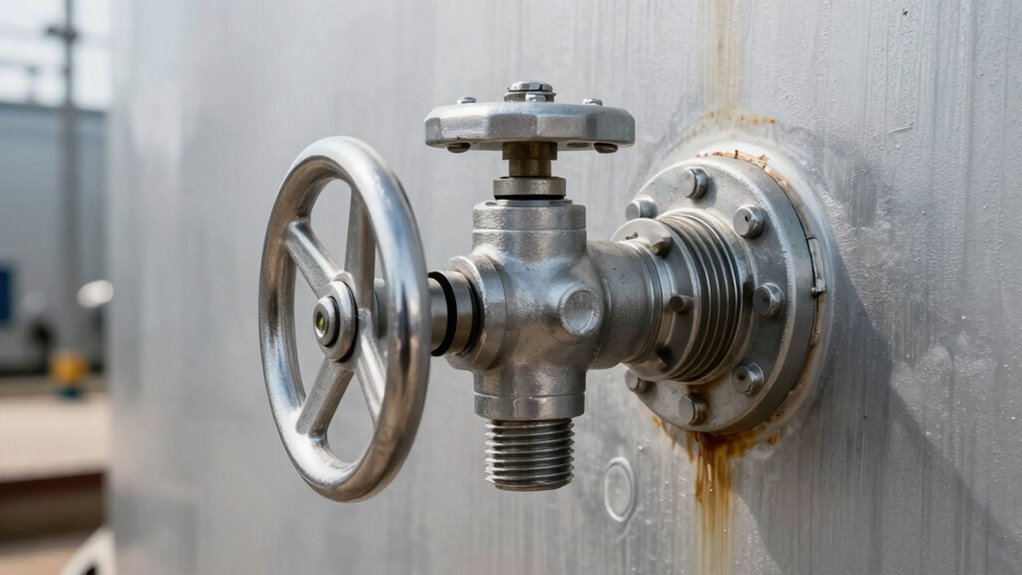
The flow rate and port position directly influence the accuracy of oil samples, as improper placement can lead to misleading results. Understanding flow dynamics helps you select the right sampling point, guaranteeing the sample reflects the true condition of the oil. If the port is placed where flow is turbulent or stagnant, it may contain contaminated or unrepresentative oil. Ideal port placement considers smooth, steady flow to draw a representative sample. Too close to the pump or filter can skew results because of turbulence or contamination. Proper flow ensures a balanced mixture of oil from different areas, providing a more accurate snapshot of overall oil health. Remember, consistent port placement aligned with flow patterns is key to reliable, meaningful sampling.
Finding the Best Spot to Sample Oil in Your Machinery
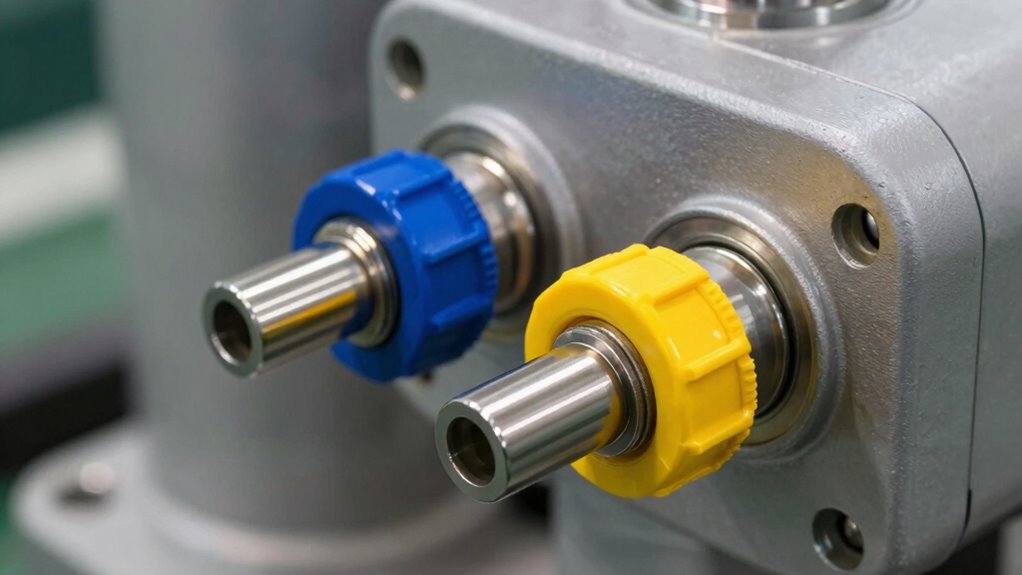
Identifying the ideal spot to sample oil in your machinery guarantees that your test results truly reflect its condition. To do this effectively, consider these key factors influenced by fluid dynamics and sampling equipment:
- Choose a location with steady flow to avoid stagnant or turbulent zones.
- Select a port where oil circulates uniformly, capturing representative particles and contaminants.
- Ensure the spot minimizes turbulence caused by moving parts or pump action.
- Use sampling equipment designed for consistent extraction, avoiding disturbance of the oil film.
- Understanding oil flow patterns in your machinery can greatly improve sample accuracy. Additionally, awareness of fluid flow behavior helps in selecting the most representative sampling point. Recognizing how fluid dynamics influence particle distribution can further enhance sampling reliability. A comprehensive understanding of hydrodynamics within the system can also aid in pinpointing optimal sampling locations. Moreover, considering the system design can reveal areas where flow is more predictable and stable, leading to more accurate sampling.
When to Use Tapped vs. Non-Tapped Sampling Ports
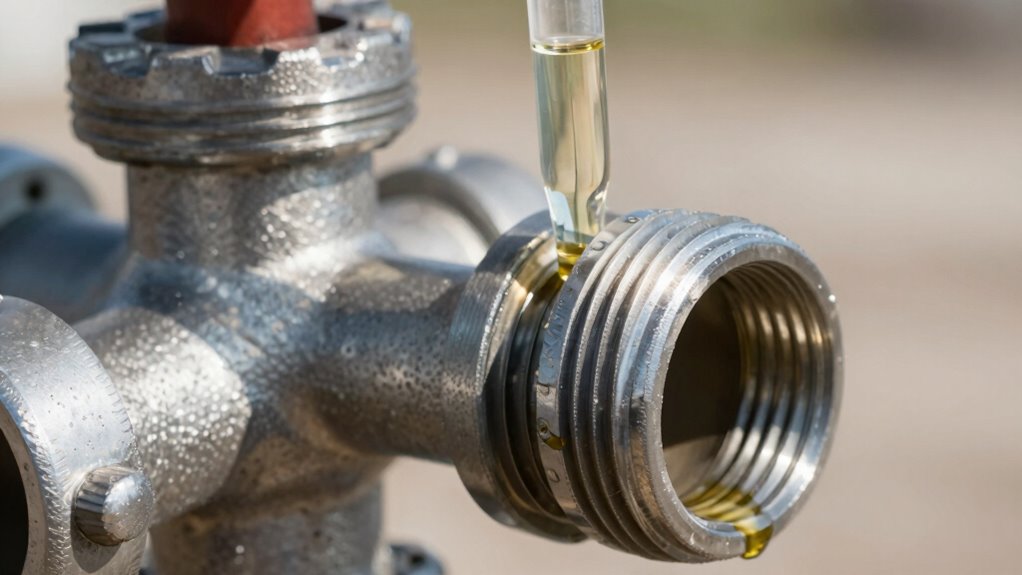
Choosing between tapped and non-tapped sampling ports depends on accessibility and placement; tapped ports are ideal when you need easy access in tight spaces. Consider sample integrity and contamination risks—tapped ports often provide cleaner, more reliable samples if properly maintained. Knowing your machinery’s layout and sampling needs helps determine the right option for accurate oil analysis. Additionally, understanding regional flavors can inform your approach to sampling in diverse environments. Proper verification of approvals can ensure the sampling method meets industry standards and maintains sample quality. Evaluating sampling port materials is also important to prevent corrosion and contamination that could compromise sample accuracy. Moreover, assessing sampling frequency guidelines can optimize your sampling process and improve data reliability. Selecting the appropriate sampling equipment ensures consistent sample collection and minimizes potential errors.
Accessibility and Placement
Deciding between tapped and non-tapped sampling ports depends largely on accessibility and placement considerations. Your choice hinges on how easy it is to reach the port and how well it fits into the equipment’s design. Consider these points:
- Determine if the sampling point is accessible for routine sampling or maintenance.
- Evaluate if the port location allows safe and quick access without disrupting operations.
- Assess whether port design accommodates your preferred sampling equipment easily.
- Decide if the port’s placement minimizes contamination risks and provides a representative sample.
In some cases, tapped ports are ideal for frequent sampling due to their convenience, while non-tapped ports suit hard-to-reach or infrequently sampled locations. Proper placement ensures accurate, reliable samples aligned with your sampling needs.
Sample Integrity and Contamination
When selecting between tapped and non-tapped sampling ports, maintaining sample integrity and minimizing contamination are critical. Proper sampling procedures guarantee you collect an accurate representation of the oil’s condition, preventing oil contamination from external sources. Tapped ports allow for cleaner, more controlled sampling, reducing the risk of introducing debris or moisture that can compromise sample quality. Non-tapped ports may be more convenient but can increase the chance of contamination if not handled carefully. Consistently following best practices—such as using sterile equipment and avoiding exposure to dirt—helps preserve the sample’s integrity. Ultimately, choosing the right port type based on your application and maintaining strict sampling procedures will ensure your analysis reflects the true condition of the oil, leading to better maintenance decisions.
Connecting and Using Sampling Ports Safely and Effectively
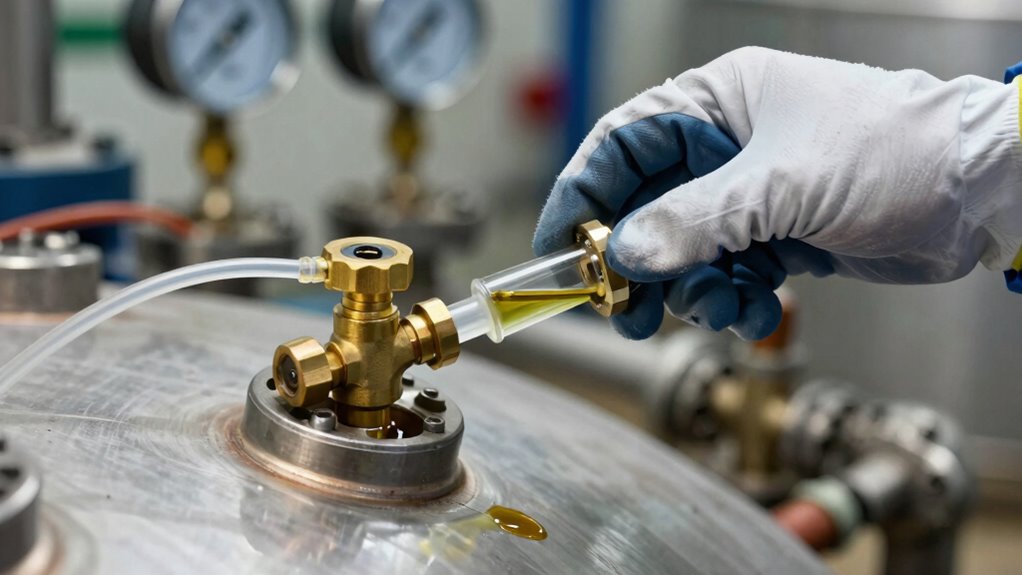
To connect and use sampling ports safely and effectively, you must follow proper procedures to prevent leaks, spills, and accidents. First, ensure the sampling port materials are compatible with the lubricant to avoid contamination or damage. Second, verify the sampling frequency to prevent over-sampling, which could disturb oil balance. Third, clean the port and tools thoroughly to maintain sample integrity. Fourth, use proper personal protective equipment and follow safety protocols during connection. Always double-check connections for tightness and leaks before drawing samples. Proper handling minimizes risks and guarantees representative samples. Remember, safe practices protect personnel and equipment while capturing accurate data essential for reliable analysis.
Troubleshooting Common Sampling Problems and How to Fix Them
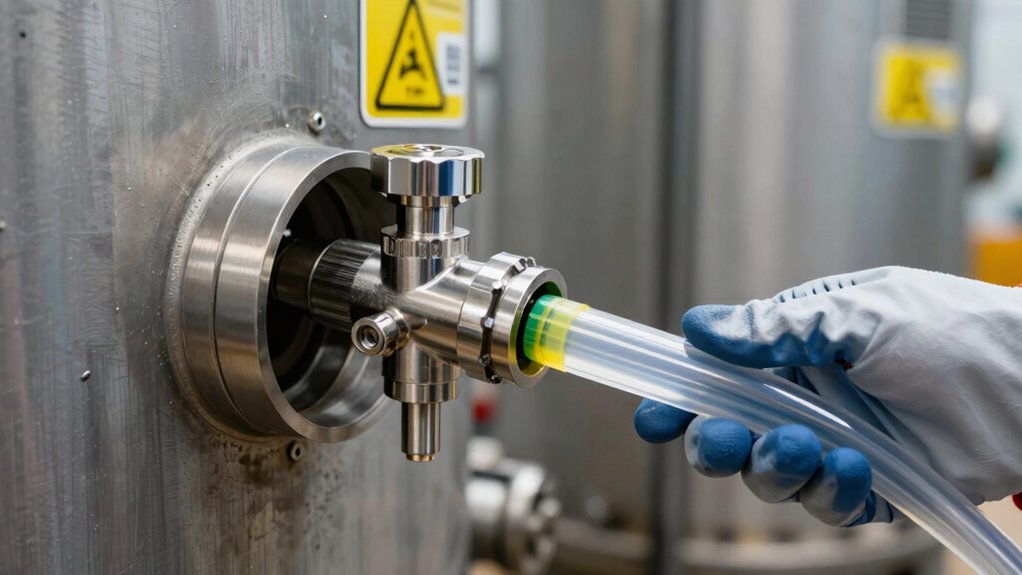
Troubleshooting common sampling problems requires paying close attention to the signs of issues and knowing how to address them quickly. If your sample appears contaminated or inconsistent, check your sampling equipment for leaks, blockages, or improper seals. Faulty equipment can introduce air, dirt, or water, skewing the results. Using proper analytical techniques helps identify errors early, such as inconsistent sample volumes or incorrect handling. Guarantee your equipment is clean and calibrated regularly, and follow standardized procedures for collecting and transferring samples. If problems persist, review your sampling process step-by-step to identify deviations. Correcting these issues ensures your samples accurately reflect the oil’s condition, leading to reliable analysis and proper maintenance decisions.
Verifying That Your Sample Reflects the True Oil Condition
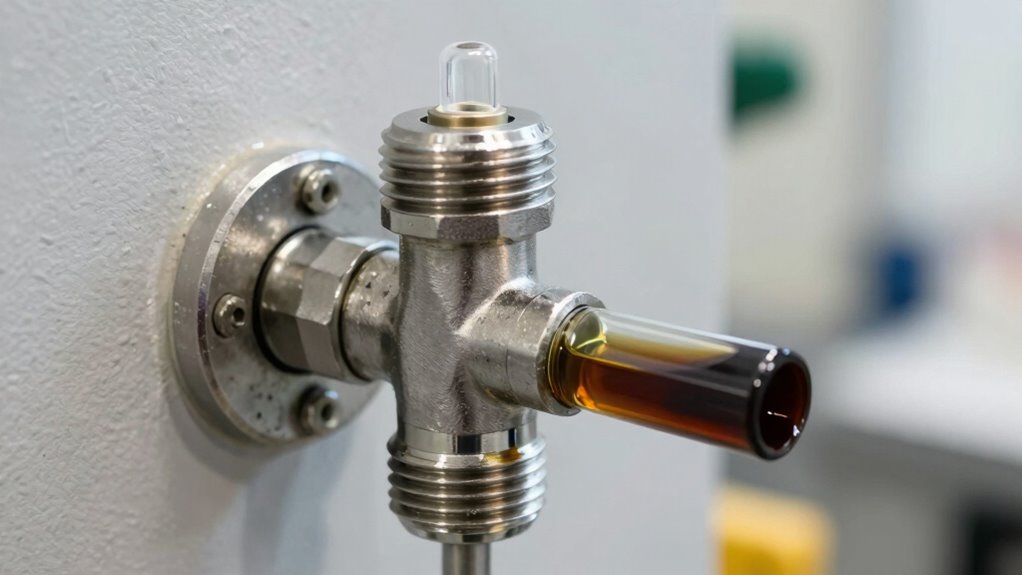
Ensuring that your oil sample truly represents the current condition of the lubricant is essential for accurate analysis. To verify this, follow these steps:
Accurate oil analysis starts with proper sampling to reflect the lubricant’s true condition.
- Confirm proper sampling procedures, such as using clean, dedicated containers.
- Inspect the sample for signs of contamination, like dirt or water, before analysis.
- Compare recent sample results with previous ones to identify consistency or anomalies.
- Confirm the sampling point and method haven’t changed, which could skew results.
Frequently Asked Questions
How Often Should I Sample Oil for Optimal Maintenance?
You should sample oil regularly, ideally every 250 to 500 hours of operation or monthly, whichever comes first, to optimize maintenance scheduling. Consistent sampling frequency helps you monitor oil condition, detect contaminants early, and plan maintenance proactively. By maintaining a steady sampling routine, you make certain equipment stays reliable, avoid costly breakdowns, and extend oil and component lifespans, ultimately enhancing overall operational efficiency.
Can Sampling Port Design Influence Contamination Risk?
Think of your sampling port as a gateway to the machine’s health. A well-designed port acts like a sturdy shield, reducing contamination risk through secure seals and proper placement, making contamination prevention easier. Accessibility is key—if you can easily reach and clean the port, you minimize dirt and debris intrusion. Prioritize ports with smooth, sealed designs, ensuring accurate samples and long-lasting equipment performance.
What Training Is Needed to Correctly Sample Oil?
You need proper training in sampling techniques and port accessibility to guarantee accurate oil samples. Learn how to prepare the sampling port, clean it thoroughly, and use the correct tools. Practice accessing ports safely without causing contamination or damage. Understanding the equipment and procedures helps you collect representative samples, minimizing errors. Regular training updates also keep you informed on best practices, ensuring reliable analysis for equipment health and oil condition.
Are There Industry Standards for Sampling Port Placement?
Think of sampling port placement as setting a reliable compass; it guides your understanding of oil condition. Industry standards for sampling port placement exist to ensure consistency and accuracy. You should follow these standards to position ports correctly, typically in accessible, representative locations that avoid turbulence or contamination. Adhering to industry standards guarantees your samples genuinely reflect the oil’s condition, helping you make informed maintenance decisions confidently.
How Do Environmental Factors Impact Sample Accuracy?
Environmental factors like temperature, humidity, and dust can greatly impact your sampling accuracy. You should guarantee contamination prevention by sampling in clean, controlled conditions, avoiding exposure to external elements. Rapidly sealing samples prevents contamination and preserves their integrity. By controlling these factors, you help ensure your sample truly reflects the oil’s condition, leading to more reliable analysis and better maintenance decisions.
Conclusion
Choosing the right sampling port is like finding the perfect spot in a busy river—you want the water to flow naturally and reflect what’s truly underneath. By selecting the best location and understanding flow dynamics, you guarantee your oil analysis is accurate and reliable. Remember, a well-chosen sample is your best friend in preventing equipment issues and maintaining smooth operation. Trust your instincts and keep sampling smartly—your machinery will thank you.