
TL;DR
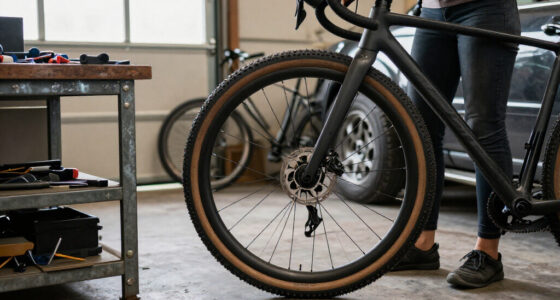
Cycling Weekly writer Michael Hutchinson has turned the awkward question of what a friend paid for a new bike into a column about money, identity and cycling culture. His examples are personal anecdotes, not survey findings; the article offers no data on how common price avoidance is among cyclists.
Cycling Weekly columnist Michael Hutchinson says friends often avoid telling him what they paid for a new bike, and uses those exchanges to examine the awkwardness around money and status in cycling. The column is a personal account, not a measured report on how frequently riders conceal prices.

Get business pricing on garage and car supplies
- Business-only prices and quantity discounts
- Tax-exempt purchasing
- Multiple users, one account, clear invoices
Hutchinson recounts asking a friend, Bernard, about a new bike. Bernard said he had “got a deal” through a friend in the trade, but would not identify the person or explain the discount. Hutchinson says he has heard similar explanations from riders who claim a nearly new-looking bike was bought second-hand at a steep discount, or that it came from a wealthy friend replacing a bike.
He also describes an acquaintance who says manufacturers or distributors provide him with equipment because he is a brand ambassador. Hutchinson presents these stories as examples he has encountered over the years; the column does not independently verify the discounts, gifts or relationships.
He contrasts those evasions with riders who simply give a price. One person, he writes, said a bike cost £5,000 and that upgraded wheels cost another £2,000, adding that he thought it was good value. Hutchinson also recalls a competitor who answered that he did not know the price because his mother had bought the bike and had not told him.
Bike Prices and Cycling Identity
The column’s subject reaches beyond the cost of a bicycle: it is about how riders talk about spending in a hobby that can involve expensive equipment. Hutchinson suggests that some people prefer to describe a purchase as a favour, a trade connection or a special deal rather than as a straightforward transaction with a retailer.
That observation is his interpretation, not a finding supported by polling or sales data. Still, the examples may resonate with readers comparing bikes or discussing purchases with friends: a stated price can invite questions about value, discounts and whether a rider paid more than someone else. Hutchinson’s blunt question turns that private calculation into a social one.
Products Worth Considering

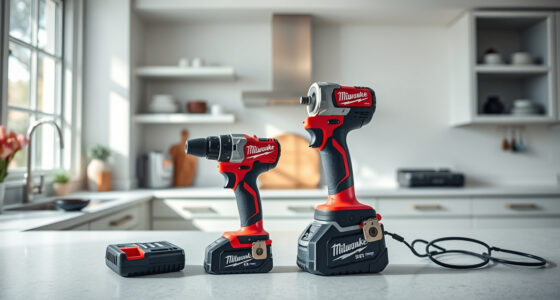
DEWALT 20V MAX XR Brushless Hammer Drill and Impact Driver Combo Kit with Two 4 Ah Batteries and 4 A Charger

DEWALT 20V MAX Cordless Impact Wrench Kit (DCF900P1)

Milwaukee M12 FUEL 12V 1/4-Inch Hex Impact Driver Kit
As an affiliate, we earn on qualifying purchases.
From Bike Parts to New Builds
Hutchinson places the reluctance he describes alongside an older way of acquiring racing bikes. In his account, riders often assembled bicycles from components acquired over time: parts were bought, borrowed, upgraded or moved between bikes. A new frame could be the main purchase, while a complete bicycle did not necessarily arrive as one clearly priced package.
He says this experience may leave some older riders uncomfortable with the idea that they have simply bought a new bike. He also links evasiveness to the desire to feel like an insider, with access to industry contacts or brand relationships. Those are explanations offered by Hutchinson, rather than established causes applying to all cyclists.
The column is written by Michael Hutchinson, a journalist and former professional cyclist. Cycling Weekly’s source biography says he won multiple national titles in Britain and Ireland, competed at the World Championships and Commonwealth Games, and was a three-time Brompton folding-bike world champion.
““£5,000. Then I upgraded the wheels for another £2,000. Good value I think – what d’ya reckon?””
— A cyclist quoted by Hutchinson
No Survey of Cyclists’ Spending
The source provides no survey, sales figures or other evidence showing how many cyclists conceal bike prices, whether the practice has grown, or what riders typically pay. Hutchinson says evasiveness has become more pronounced in recent years, but offers personal experience rather than a quantified comparison.
The prices and claimed discounts in the column are accounts attributed to individuals; the article does not identify the bikes, verify purchase records or establish whether the reported deals were typical. It also does not test Hutchinson’s explanations about embarrassment, age or the wish to feel like an industry insider.
No Follow-Up Data Announced
The source presents the piece as a personal column and does not announce a survey, investigation or follow-up reporting. Readers can expect the discussion to remain an account of Hutchinson’s experiences unless Cycling Weekly publishes additional reporting or data.
For anyone using the column to judge bike prices, its examples are not a pricing guide: the source gives no model details, condition, purchase date or local-market comparisons for the bikes mentioned. The central point remains the social discomfort Hutchinson describes, not a claim about what a bicycle should cost.
Key Questions
What is the news development?
Michael Hutchinson has published a personal column for Cycling Weekly about friends who avoid saying what they paid for new bikes and what that reluctance may mean to them.
Does the column show that most cyclists hide bike prices?
No. Hutchinson says this has been his experience, but the source includes no survey or representative data measuring how common the behaviour is.
What price examples does Hutchinson give?
He recalls one cyclist saying a bike cost £5,000, with another £2,000 spent on upgraded wheels. The account gives no model or purchase details, so it is not a general price benchmark.
Why does Hutchinson think riders avoid the question?
He suggests some may feel embarrassed about the purchase or prefer to present themselves as insiders with trade connections or brand relationships. These are his interpretations, not conclusions established by research in the column.
Source: cyclingweekly.com