
TL;DR
ZF has developed a modular electric drive for passenger cars that spins at up to 30,000 rpm. The displayed version produces 200 kW and 3,500 Nm of peak wheel torque; ZF says it is nearly 25% smaller and lighter than a comparable drive and targets production by 2030.
ZF has developed the High Revolution Drive, a passenger-car electric drive that spins at up to 30,000 rpm, and says it is in talks with several automakers about the system. The company is targeting production by 2030; no customer, vehicle program or production commitment has been named in the supplied report.

Get business pricing on garage and car supplies
- Business-only prices and quantity discounts
- Tax-exempt purchasing
- Multiple users, one account, clear invoices
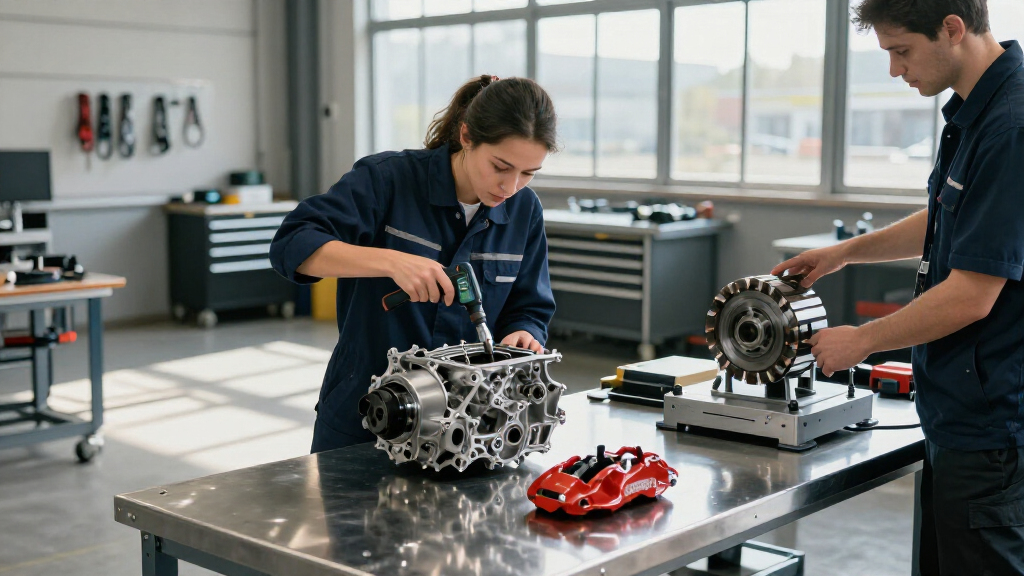
The High Revolution Drive is a three-in-one electric drive based on ZF’s modular SELECT platform. The version the company has shown has a peak output of 200 kW and peak wheel torque of 3,500 Nm. ZF says it is focusing on drive outputs of about 150 to 200 kW, and that the architecture can be scaled to different power ratings as well as 400-volt and 800-volt systems.
ZF says the drive is nearly 25% smaller and 25% lighter than a comparable SELECT system running at 18,000 rpm. It also requires 50% less magnet mass, according to the company. ZF says the system’s efficiency is nearly 93%, on par with the comparable SELECT drive despite its higher speed and gear ratio. These figures are company-reported comparisons; the source material does not provide independent test results or a vehicle-level range comparison.
The motor’s high rotational speed is paired with a two-stage spur gear transmission with a ratio of about 18:1, which reduces speed and delivers torque to the wheels. ZF says higher motor speed allows lower motor torque for a given power output. Because torque is closely linked to rotor volume, that can enable a smaller, lighter motor. The gearing is part of how the system supplies wheel torque despite the motor’s high operating speed.
Smaller Drives, Less Magnet Material
If ZF’s stated comparisons hold in production, a smaller, lighter drive could give vehicle makers more flexibility when packaging electric powertrains. Reduced drive mass and size may help manufacturers manage vehicle weight and available space, though the source does not quantify any resulting change in vehicle range, cost or performance.
The reported 50% reduction in magnet mass could also lower material use and exposure to supply constraints. ZF says the change lowers costs and reduces dependence on critical supply chains. Those are company claims; no cost figures, magnet sourcing details or full supply-chain analysis were provided. The system’s nearly 93% efficiency figure is also a key point: ZF says the high-speed design maintains efficiency comparable to its 18,000-rpm reference drive.
For automakers, the use of the existing SELECT modular platform may reduce the work needed to adapt the drive to a vehicle program. But the announced design is not yet a production commitment. Adoption will depend on automaker decisions, vehicle integration and performance in development and validation.
Products Worth Considering

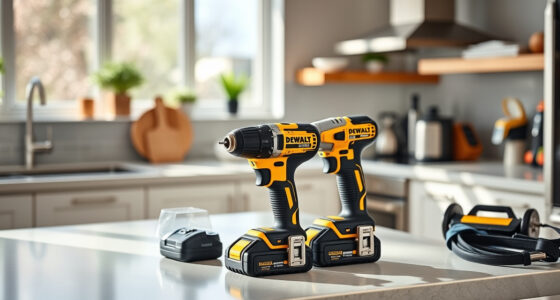
DEWALT 20V MAX Brushless 3-Tool Combo Kit with Drill, Impact Driver, Oscillating Multi-Tool, 3 Batteries and Charger (DCK360D3)

DEWALT 20V MAX XR 3-Speed Cordless Impact Driver Kit with Battery and Charger (DCF845P1)

Chemical Guys 16-Piece Ceramic Car Wash and Protection Kit with Big Mouth Foam Cannon
As an affiliate, we earn on qualifying purchases.
How the SELECT Platform Fits
The High Revolution Drive is a variant of ZF’s modular SELECT e-drive platform, rather than a system the company says was developed from scratch. ZF presents that shared architecture as a way to adapt drive concepts to differing customer requirements and power ratings. It says using existing SELECT technologies can help automakers bring variants into new vehicles faster and at lower development cost; the report does not quantify the time or cost savings.
High motor speed brings engineering challenges as well as potential size and mass benefits. ZF says noise and vibration were key development targets and that it treated the motor, gearing, bearings and tooth geometry as an integrated system. The company describes 30,000 rpm as the economic and technical sweet spot for the configuration shown, not as a universal optimum for electric drives.
“With SELECT, we do not have to start from scratch for every new drive variant. We use our modular system to tailor new concepts to different customer requirements.”
— Thomas Meiser, head of ZF’s E-Mobility Business Unit
Production and Vehicle Data Pending
ZF has not named the automakers it is talking with, identified a vehicle that will use the drive, or announced a confirmed production contract. Its stated 2030 production target is a goal, not a confirmed start date. The supplied report also does not specify a factory, production volume, price or customer delivery schedule.
Several performance details remain unavailable for independent assessment. The published information does not set out test conditions for the 93% efficiency figure or explain the full basis of the size, weight and magnet-mass comparisons. It also gives no vehicle-level figures for range, acceleration, energy consumption, noise or durability. ZF’s reported results should not be treated as independently verified or as proof of benefits in a finished vehicle.
Automaker Talks and Validation
ZF says it is in discussions with several automakers and aims to begin production by 2030. The next public milestones would be a named customer or vehicle application, further technical data and confirmation of a production program. The source material does not state when ZF expects those updates.
Before a production launch, automakers would need to assess the system against their vehicle requirements, including packaging, durability, noise and vibration, efficiency and compatibility with the selected electrical architecture. Whether the drive reaches production on the stated timetable, and how its reported comparisons translate into vehicle-level outcomes, remain open.
Key Questions
What is ZF’s High Revolution Drive?
It is a three-in-one electric drive for passenger cars, based on ZF’s modular SELECT platform, with a motor speed of up to 30,000 rpm.
How much power does the version ZF has shown produce?
ZF reports 200 kW peak output and 3,500 Nm of peak wheel torque for the displayed version. The company says the architecture can be adapted across drive ratings, with a focus on about 150 to 200 kW.
What benefits does ZF claim for the design?
Compared with a SELECT drive running at 18,000 rpm, ZF says the new system is nearly 25% smaller and lighter and uses 50% less magnet mass. It also reports nearly 93% efficiency. These are company-reported comparisons, not independently verified findings in the supplied material.
When could the drive enter production?
ZF says it aims to start production by 2030. The company has not announced a confirmed customer, vehicle program or production contract in the source material.
What remains unknown about the drive?
ZF has not disclosed customer names, pricing, production volumes or vehicle-level results for range, energy use, noise and durability. The testing basis for several reported comparisons is also not detailed in the supplied report.
Source: chargedevs.com