When air gets trapped in gear oil, it forms bubbles that make the oil act thinner than it actually is. These bubbles reduce the oil’s viscosity, leading to poor lubrication, increased wear, and heat build-up. Factors like rapid filling, temperature changes, or damaged seals can cause this entrapment. Understanding how to promote air release and prevent bubbles can help keep your gear oil functioning properly—if you want to learn more, we’ve got the details you need.
Key Takeaways
- Trapped air bubbles in gear oil lower its apparent viscosity, causing it to act thinner during operation.
- Air entrapment can occur from improper filling, seal leaks, or temperature fluctuations, leading to foaming and thinning.
- Bubbles disrupt oil’s internal structure, reducing resistance to flow and mimicking the effect of lower viscosity.
- Regular maintenance and proper venting help release trapped air, maintaining correct oil thickness and lubrication.
- Using high-quality oils with good air release properties minimizes bubble formation and preserves proper oil consistency.

GRYVOZE Air Operated Oil Control Valve Dispenser Nozzle, Heavy Duty Oil Gun Dispenser 1/2-Inch NPT Inlet for Motor, Gear, Hydraulic Fluids, Lubricants, and Antifreeze
Humanized Design: This air operated oil control valve features an ergonomic, lightweight handle for a comfortable grip and…
As an affiliate, we earn on qualifying purchases.
As an affiliate, we earn on qualifying purchases.
What Is Air Release in Gear Oil and Why Does It Matter?
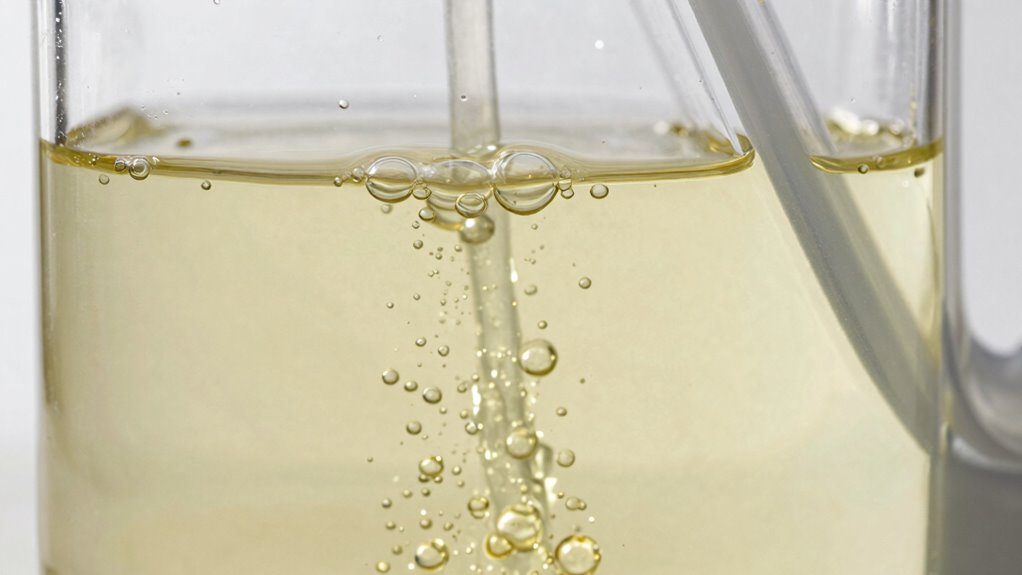
Air release in gear oil refers to the process by which trapped air bubbles escape from the oil over time. This is essential because air bubbles can reduce lubrication efficiency, causing uneven wear and potential gear damage. When air remains in the oil, it creates pockets that impair heat transfer and lubrication, increasing friction and decreasing performance. Proper air release ensures that the oil maintains its protective qualities, keeping gear systems running smoothly. Incorporating effective maintenance practices, like regular oil checks and timely replacements, helps facilitate air release and prevents air buildup. Additionally, air entrapment can occur during oil filling if proper procedures aren’t followed, emphasizing the importance of careful handling. Understanding the air release process allows technicians to optimize gear oil performance, extend equipment life, and avoid costly repairs caused by inadequate lubrication. Regularly monitoring oil condition and following manufacturer guidelines further support effective air release and overall gear health. Effective venting techniques during oil filling can significantly reduce the likelihood of air being trapped in the system, especially when combined with proper filling procedures and equipment maintenance.

Super Lube Synthetic Gear Oil – Heavy Duty Synthetic Machinery Oil for Truck & Auto Maintenance – NSF H1 Food Grade Gear Lubricant – ISO 320 – Translucent Amber – Bottle – 1 qt (54300)
Rust and Oxidation Resistance: Super Lube Synthetic Gear Oil is a premium quality gear oil that prevents rust…
As an affiliate, we earn on qualifying purchases.
As an affiliate, we earn on qualifying purchases.
How Does Air Get Trapped in Gear Oil During Use?
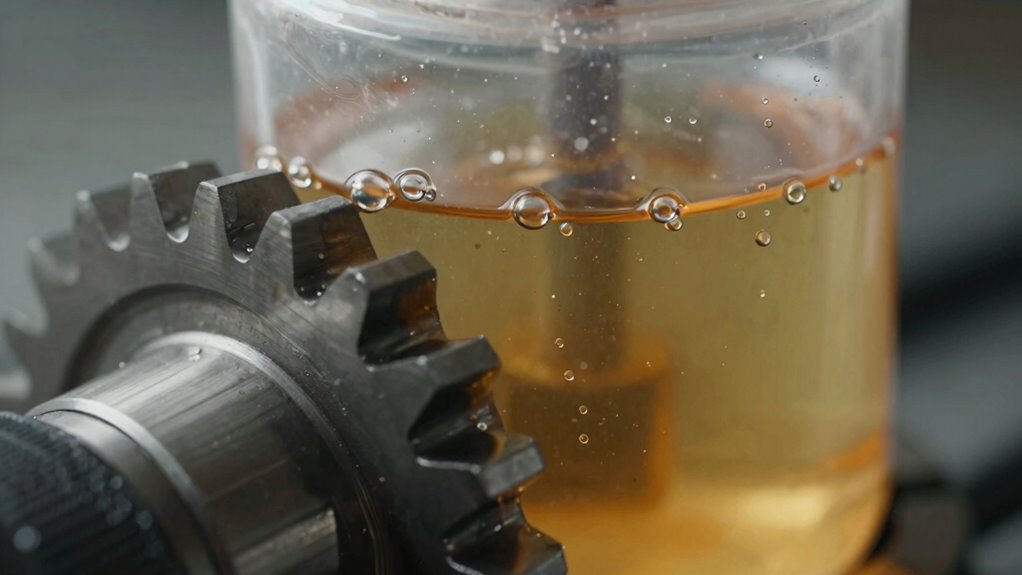
During operation, air can become trapped in gear oil through aeration caused by moving parts. Seals may also allow air to enter the system, especially if they’re worn or damaged. Additionally, temperature fluctuations can create space for air bubbles to form and linger in the oil. Proper home soundproofing techniques can help reduce vibrations and noise that might contribute to system disturbances. Implementing proper maintenance practices can also minimize the likelihood of air entrapment over time. Ensuring the use of high-quality performance parts can help maintain a more stable and airtight system, reducing air ingress. Regular system inspections are essential to identify and address potential sources of air entry early on. Additionally, the piercing care and hygiene in systems with lubricants can prevent contamination that might lead to aeration issues.
Aeration During Operation
When gear systems operate under load, the movement and agitation inside the housing can cause tiny bubbles of air to form and become trapped in the oil. This aeration reduces lubrication efficiency by creating air pockets that hinder proper metal-to-metal contact. As the gears turn, these bubbles can grow if not released, causing the oil to act thinner and compromising seal integrity. The trapped air disrupts the formation of a continuous lubricating film, increasing wear and potential leaks. To maintain ideal performance, it’s essential to manage aeration through proper design and regular maintenance. Ensuring the oil can release trapped air helps preserve lubrication efficiency and keeps seals functioning effectively, preventing air buildup from undermining gear system reliability during operation. Proper venting is also critical in allowing trapped air to escape naturally, thus maintaining optimal oil performance. Additionally, venting systems are often incorporated into gear housings to facilitate the escape of entrapped air and prevent aeration issues. Implementing effective air release mechanisms can significantly reduce the risk of oil thinning and extend the lifespan of gear components. Proper air management strategies are vital to prevent the buildup of air in the lubrication system, ensuring consistent operation. Regular checks of venting efficiency help identify and address potential aeration problems before they affect system performance.
Entrapment From Seals
As gear systems operate, seals are designed to contain lubricating oil and prevent contaminants from entering. Over time, seal degradation can occur due to wear, temperature, or chemical reactions, making seals less effective at trapping air. This allows tiny air bubbles to become trapped within the oil. These bubbles often form during operation when the system’s venting techniques aren’t sufficient or seals fail to release trapped air. When seals degrade, they may no longer allow the escape of entrapped air, causing bubbles to accumulate. This process is closely related to seal integrity, which impacts how well air is contained or released. Proper venting techniques are essential to prevent air entrapment, as inadequate venting can lead to issues with oil performance. Inadequate venting can also cause pressure buildup, further complicating the issue. Additionally, degraded seals may lose their ability to maintain seal pressure, allowing more air to enter the system. This entrapment reduces oil pressure and leads to air acting thin, which affects lubrication. Understanding seal condition and proper venting techniques ensures air doesn’t become trapped and compromises gear oil performance.
Temperature Fluctuations Effect
Temperature fluctuations cause air to become trapped in gear oil because changes in temperature alter the oil’s volume and viscosity. When the gear operates in varying temperatures, the oil expands and contracts, creating pockets of air that can become entrapped. This trapped air reduces lubrication efficiency by forming air bubbles that interfere with proper film formation. Additionally, temperature shifts can impact seal integrity, making seals more prone to leaks and further allowing air to enter the system. As the oil heats up, it may release some trapped air, but cooler conditions can cause air to re-enter, perpetuating the cycle. Proper temperature control is crucial for minimizing air entrapment, as fluctuations can also cause seal wear and compromise system integrity. Managing temperature fluctuations is essential to maintaining ideal lubrication and ensuring seals stay intact, preventing air from accumulating and compromising gear performance. Implementing effective thermal regulation techniques can significantly reduce the occurrence of trapped air and enhance overall gearbox reliability. Understanding the thermal expansion properties of gear oil can help in designing better cooling and heating systems to reduce air entrapment.

Quicksilver SAE 90 High Performance Gear Lube and Pump Kit for Mercury Outboards and Mercruiser Sterndrives, 32 Fl. Oz.
Lower unit gear oil formulated to protect against corrosion and excessive wear
As an affiliate, we earn on qualifying purchases.
As an affiliate, we earn on qualifying purchases.
How Does Air Bubbles Make Gear Oil Act Thinner?
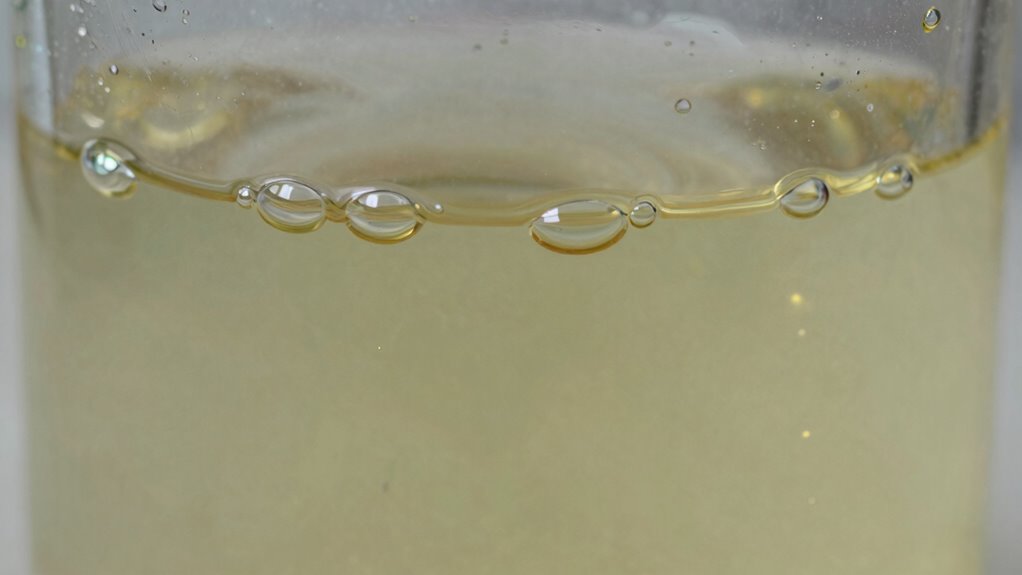
When air bubbles enter gear oil, they lower its viscosity, making it flow more easily. This entrapment causes the oil to thin out, especially during operation. Foaming from air bubbles can also hinder proper oil flow and lubrication. Additionally, the presence of air can cause fluid separation, reducing the effectiveness of the lubrication process. Proper maintenance can help prevent the buildup of air pockets that contribute to this issue. Regular checks and correct sealing techniques are essential to minimize air contamination and maintain optimal oil performance.
Bubbles Reduce Viscosity
Bubbles in gear oil can make it act thinner by disrupting the fluid’s internal structure. When air bubbles form, they reduce the effective viscosity because they create pockets that decrease the oil’s resistance to flow. This effect is similar to how lubricant additives can influence flow characteristics, but bubbles physically alter the oil instead of chemically modifying it. Additionally, bubbles can affect seal compatibility, as trapped air may cause leaks or reduce sealing effectiveness. The presence of air reduces the oil’s load-carrying capacity temporarily, making it seem thinner even though the chemical makeup remains unchanged. Understanding this helps you recognize that bubbles are a physical interference, not a change in the oil’s fundamental properties, leading to the apparent thinning of gear oil during operation.
Air Entrapment Causes Thinning
Air entrapment in gear oil directly impacts its flow behavior by creating pockets of trapped air within the lubricant. These air bubbles reduce the oil’s effective viscosity, making it act thinner than intended. Poor lubrication techniques during filling or maintenance can introduce air into the gear oil, especially if the process isn’t carefully managed. Additionally, certain gear materials and designs are more prone to trapping air, exacerbating the thinning effect. When air bubbles cling to gear surfaces or remain suspended, they disrupt the smooth flow of lubricant, increasing the risk of inadequate lubrication. To prevent this, proper lubrication techniques—like slow filling and venting—are essential, ensuring that trapped air escapes and that the gear material remains properly lubricated for ideal performance.
Foaming Affects Oil Flow
Foaming occurs when air bubbles become trapped and form a foam within the gear oil, disrupting its usual flow properties. This oil aeration reduces lubricant viscosity, making the oil act thinner than it should. As bubbles cluster, they create pockets of air that interfere with smooth flow, leading to inconsistent lubrication. Imagine:
- Tiny bubbles swirling in the oil, like a fizzy drink.
- Foam building up on the surface, preventing proper flow.
- Air pockets breaking apart, releasing more bubbles into the oil.
This foaming process can cause the gear to overheat or wear prematurely since the oil can’t maintain its protective film. The presence of air bubbles effectively lowers the oil’s viscosity, impairing its ability to lubricate parts efficiently and increasing the risk of mechanical issues.
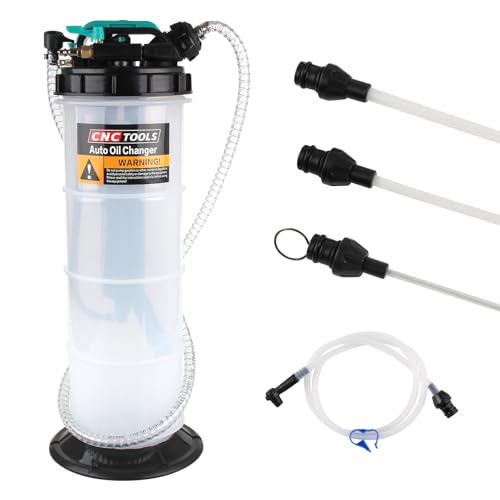
Godimg 7.5L Oil Fluid Extractor Pump Manual/Pneumatic Oil Vacuum Change Pump with Air Control Valve 4 Tubes Oil Dipstick and Brake Release Hose
Wide Use: The oil extractor is suitable for automobiles, motorcycles, lawnmowers, boats, jet skis, extracting engine oil, gear…
As an affiliate, we earn on qualifying purchases.
As an affiliate, we earn on qualifying purchases.
How Can You Tell If Your Gear Oil Is Acting Thinner Than It Should?
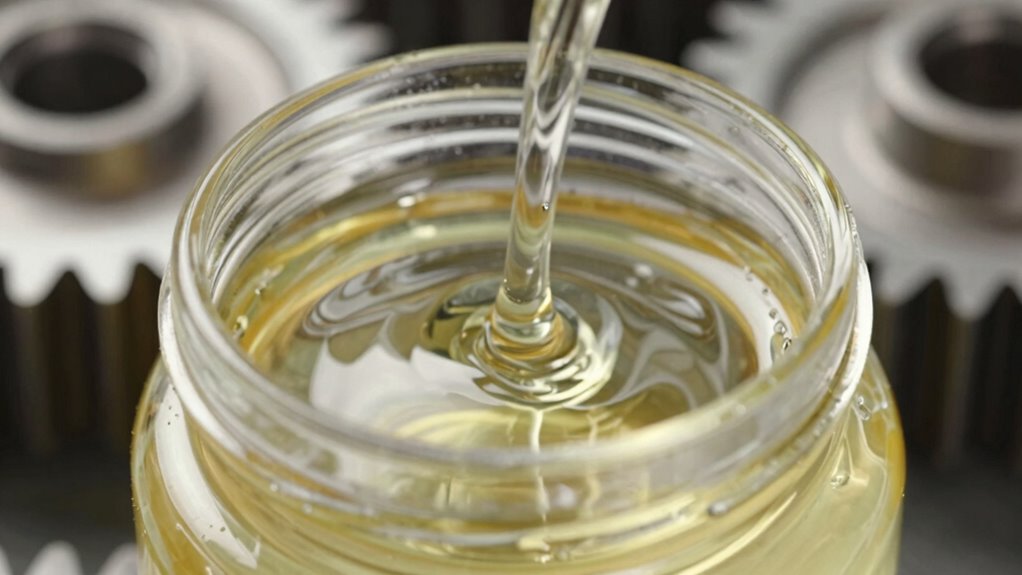
If your gear oil is acting thinner than it should, you’ll likely notice a few warning signs. Reduced lubrication efficiency is a primary indicator, as thinner oil struggles to protect gear surfaces properly, increasing wear and noise. You might also observe increased heat or unusual vibrations during operation. Another sign is oil contamination; dirt, water, or debris can dilute the oil, making it appear more fluid than normal. Check your oil’s consistency regularly—if it’s noticeably runnier or if it flows more easily than usual, it could be a sign of thinning oil. Performing routine oil analysis or visual inspections can help you catch these signs early, ensuring your gear system stays properly lubricated and preventing costly damage.
What Causes Air Bubbles and Entrapment in Gear Oil?
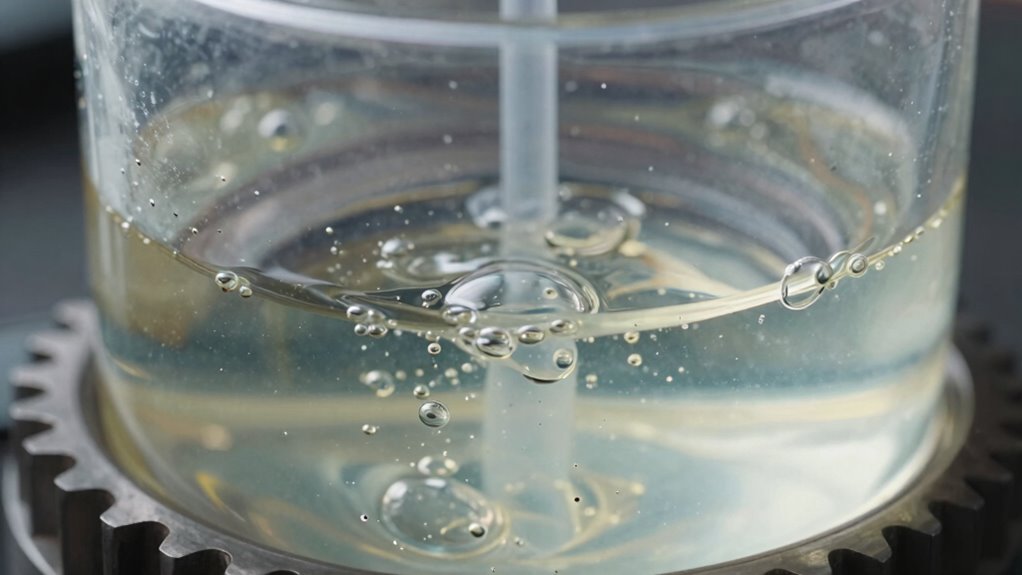
You might notice air bubbles forming in your gear oil when its viscosity changes or during rapid temperature swings. These fluctuations cause trapped air to expand or contract, creating bubbles that can affect performance. Additionally, entrapped air often occurs during the filling process if the oil isn’t poured carefully or if the system isn’t properly vented.
Viscosity Changes Trigger Bubbles
When the viscosity of gear oil changes, it can lead to the formation of air bubbles and entrapment within the lubricant. As viscosity decreases, the oil becomes thinner, making it easier for air pockets to form and stick around. This process is influenced by lubricant additives that alter flow properties and by inadequate oil filtration, which allows debris to disrupt the fluid’s consistency. Imagine:
- Tiny bubbles forming around particles as the oil flows more freely.
- Air pockets settling into crevices due to inconsistent viscosity.
- Entrapped air resisting release because the oil can’t maintain a stable, uniform thickness.
These factors create a chain reaction, trapping air that can’t escape easily, especially when viscosity fluctuates unexpectedly. Understanding this helps you recognize how changes in lubricant properties can cause bubbles and affect gear performance.
Rapid Temperature Fluctuations Occur
Rapid temperature fluctuations cause air bubbles and entrapment in gear oil by disrupting its stability and flow properties. When temperatures change quickly, the oil’s viscosity shifts, promoting bubble formation and making it harder for trapped air to escape. As the oil heats up, it expands, forcing air upward toward the venting points. Conversely, cooling causes the oil to contract, pulling air into microscopic pockets. During these cycles, air venting becomes less effective, trapping bubbles within the oil. These bubbles can persist and affect lubrication, leading to inconsistent performance. To mitigate this, it’s essential to allow the gear oil to stabilize after temperature swings and ensure proper venting systems are in place, reducing the risk of air entrapment caused by rapid temperature changes.
Entrapment During Filling
Entrapment of air bubbles often occurs during the filling process of gear oil, primarily due to how the oil is introduced into the system. When filling, air can become trapped if the process isn’t carefully managed. You might notice bubbles clinging to the gear surfaces or floating within the oil. To minimize this, focus on proper ventilation strategies—using vents that allow trapped air to escape as oil fills. Additionally, ensure seal integrity; worn or improperly installed seals can let air enter or prevent bubbles from escaping. Think of these scenarios:
- Pouring oil too quickly, causing turbulence and bubbles.
- Filling through narrow openings that trap air pockets.
- Using inadequate vents, leading to pressure buildup and bubble entrapment.
Addressing these issues helps keep the oil free of bubbles, ensuring smooth operation.
How Are Air Release Properties Tested in Gear Oil?

To evaluate the air release properties of gear oil, testers typically use standardized laboratory methods that simulate real-world conditions. These tests follow lubrication standards designed to measure how quickly trapped air separates from the oil. One common method involves placing a sample in a transparent test cell, then heating and agitating it to mimic operating environments. The oil formulation plays a vital role, so tests assess how different additives and base oils influence air release. By observing the time it takes for bubbles to rise and escape, testers determine the oil’s efficiency in releasing entrapped air. These standardized procedures guarantee consistency, helping manufacturers develop gear oils that meet specific lubrication standards for peak performance.
How Can You Promote Air Dissolution and Release in Gear Systems?

Promoting air dissolution and release in gear systems involves optimizing operating conditions and fluid properties to minimize trapped air. To do this effectively, consider these strategies:
- Maintain proper temperature: Warmer hydraulic systems help air bubbles dissolve more quickly, reducing foam and thin oil issues.
- Use lubricant additives: Additives designed to improve air release properties can help bubble separation and prevent air accumulation.
- Ensure smooth operation: Minimize sudden starts and stops, which can entrain air, by maintaining steady loads and flow rates.
Which Gear Oils Are Better at Releasing Air Bubbles?
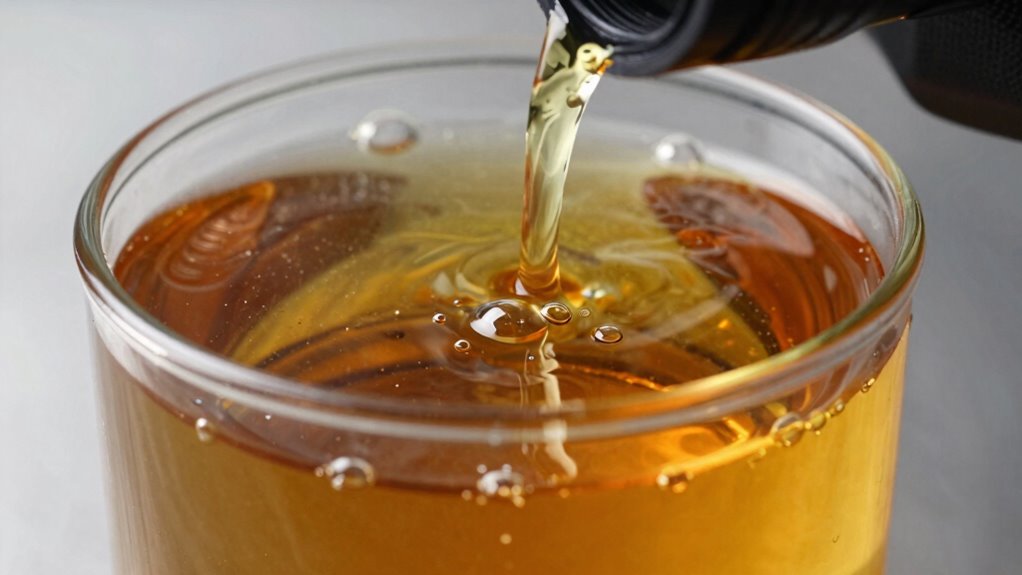
Certain gear oils are formulated specifically to enhance air release properties, making them more effective at shedding trapped bubbles quickly. These oils typically have optimized lubrication efficiency, allowing air to escape more readily. Oils with lower or carefully controlled viscosity help reduce the tendency to trap air, promoting smoother flow and better air release. Synthetic gear oils often outperform mineral-based options in this regard because their refined molecular structure allows for more uniform lubrication and faster bubble dissipation. When selecting a gear oil, consider those designed for improved air release, especially if your system experiences frequent foaming or air entrapment issues. Using oils with better air release characteristics can help maintain consistent lubrication efficiency and prevent potential gear performance problems caused by trapped air.
Troubleshooting Gear Oil Acting Thin: Causes and Fixes

When gear oil appears thinner than expected, it often signals a problem that needs immediate attention. This could be caused by degraded lubricant additives or compromised seal integrity, both allowing air to enter and thinning the oil. To troubleshoot, consider these steps:
- Check the lubricant additives: Over time, additives break down, reducing oil viscosity and air release ability.
- Inspect seal integrity: Damaged or worn seals can let air infiltrate, thinning the oil and impairing performance.
- Assess oil contamination: Dirt or water ingress can dilute the oil, making it act thinner and affecting air release.
Addressing these issues involves replacing degraded additives, repairing or replacing faulty seals, and ensuring the lubricant remains clean. Proper maintenance restores the oil’s viscosity and minimizes air entrapment, preventing it from acting thin.
Tips to Maintain Gear Oil Quality and Minimize Air Entrapment
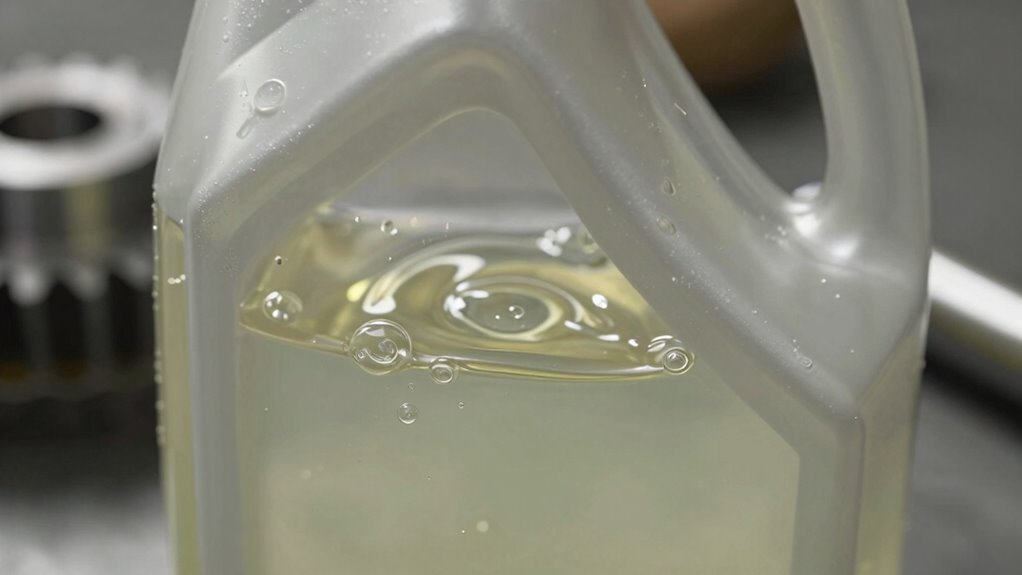
To keep gear oil in top condition and reduce air entrapment, regular maintenance is essential. Use quality lubricant additives to enhance oil stability and prevent foaming. Regular oil filtration removes contaminants that can cause air pockets and degrade oil performance. Keep an eye on oil levels, topping up when needed, and ensure proper fill procedures to avoid introducing air during maintenance.
| Tip | Benefit |
|---|---|
| Use advanced lubricant additives | Improves oil film stability and reduces foaming |
| Perform regular oil filtration | Eliminates debris that trap air and contaminants |
| Follow proper filling procedures | Prevents air pockets and ensures consistent lubrication |
Frequently Asked Questions
How Does Temperature Affect Air Release in Gear Oils?
Temperature fluctuations profoundly impact air release in gear oils by altering oil viscosity. As temperatures rise, the oil becomes thinner, allowing trapped air to escape more easily. Conversely, colder temperatures increase viscosity, making it harder for air bubbles to release. You’ll notice improved air release in warmer conditions because the oil’s lower viscosity helps bubbles rise and escape more efficiently. Maintaining gear oils at ideal temperatures guarantees proper air release and equipment performance.
Can Adding Additives Improve Air Release Properties?
Adding additives can improve air release properties if they’re compatible with your gear oil. You should check additive compatibility first to make certain they won’t cause adverse reactions. Conduct air release testing after adding the additives, as this helps verify if they effectively reduce air entrapment and improve fluid flow. Proper testing and compatible additives can enhance your gear oil’s performance, especially in high-temperature or high-stress conditions.
What Are the Signs of Excessive Air Entrapment in Gear Oil?
You’ll notice excessive air entrapment in gear oil if you see persistent air bubble formation or foam on the surface, which indicates oil aeration. This can cause noisy operation, increased wear, and reduced lubrication efficiency. If you observe these signs, check for proper venting and consider changing the oil or using additives that improve air release. Addressing air entrapment promptly helps maintain ideal gear performance and longevity.
How Often Should Gear Oil Be Checked for Air Bubbles?
Think of your gear oil like a smoothie; you check it regularly to guarantee it’s smooth and bubbly-free. You should inspect for air bubbles at least during your maintenance schedule, typically every few months or whenever you notice a color change in the oil. If you see bubbles or the oil looks different, it’s time to check further. Regular inspections help prevent issues caused by trapped air, keeping your gear running smoothly.
Does Synthetic Gear Oil Release Air More Effectively Than Mineral Oils?
Yes, synthetic gear oil releases air more effectively than mineral oils. Synthetic benefits include better air release properties, reducing the chance of air bubbles forming, while mineral limitations often cause slower air release. You’ll notice smoother gear operation and less foaming with synthetic oils, especially in high-stress conditions. Switching to synthetic gear oil can improve your equipment’s performance and lifespan by ensuring proper lubrication and minimizing air entrapment.
Conclusion
Think of your gear oil as a calm lake, where air bubbles are like fleeting ripples disturbing its surface. When you maintain proper oil levels and quality, you help the lake settle, allowing air to escape like gentle waves returning to stillness. By keeping your gear system well-oiled and free of trapped air, you’re ensuring smooth operation—like a serene lake, it runs quietly and efficiently, ready to carry your machinery forward without disturbance.