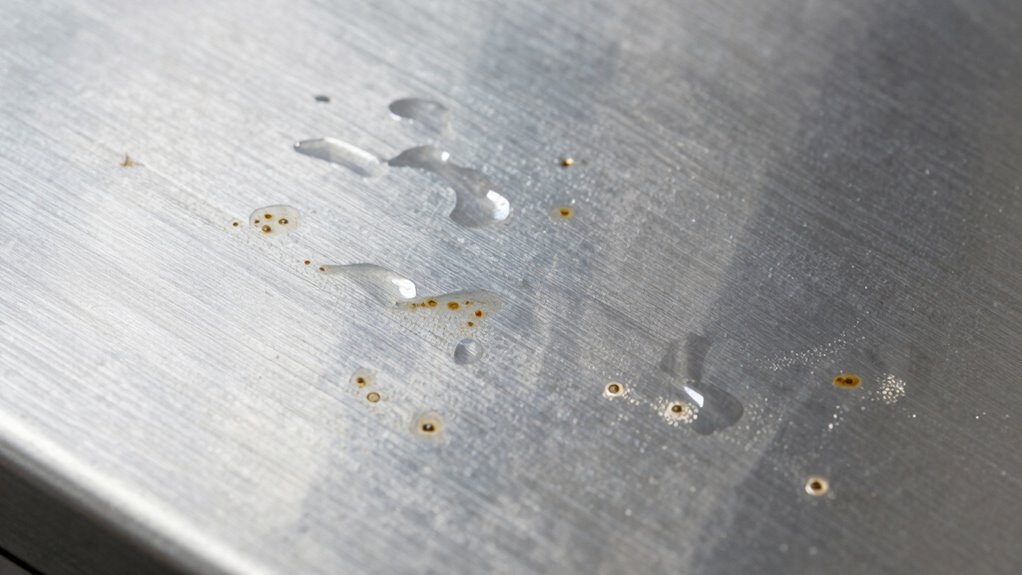

Corrosion inhibitors are additives that protect metals from rust and decay by forming protective barriers or chemical films. While many focus on traditional chemicals, eco-friendly options are gaining attention for reducing environmental impact. These greener inhibitors use biodegradable or non-toxic substances, making them safer for ecosystems and water sources. If you want to discover how these sustainable solutions work and how they can benefit your projects, there’s more to explore below.
Key Takeaways
- Corrosion inhibitors are chemical additives that protect metals by forming protective films or barriers, preventing corrosion.
- Eco-friendly inhibitors utilize biodegradable or non-toxic components, reducing environmental impact compared to traditional chemicals.
- Application methods include coatings, water treatment, and incorporation into lubricants, influencing effectiveness and ecological footprint.
- Proper selection and application of inhibitors minimize ecological risks, especially near sensitive ecosystems or water sources.
- Eco-conscious corrosion inhibitors support sustainable maintenance by reducing pollution, toxicity, and long-term environmental hazards.
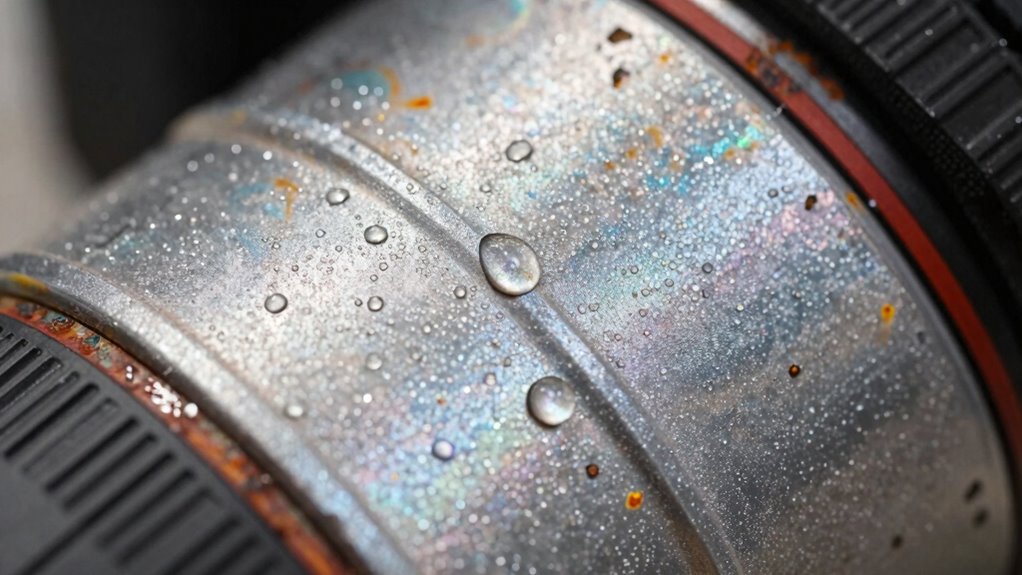
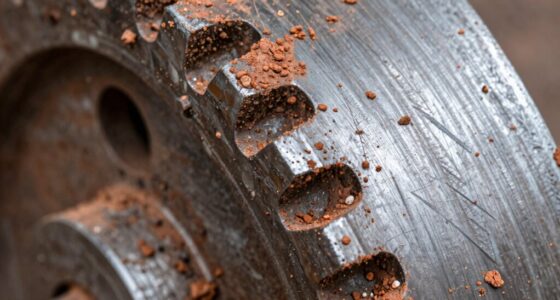
Have you ever wondered how metal structures stay protected from rust and decay? The secret often lies in the use of corrosion inhibitors, which act as protective barriers or chemical agents to slow down or prevent corrosion. These inhibitors are essential in extending the lifespan of everything from bridges and pipelines to ships and storage tanks. When considering corrosion protection, it’s imperative to understand the environmental impact of these inhibitors. Many traditional options contain chemicals that can be harmful to ecosystems, groundwater, and human health if not properly managed. That’s why modern industry increasingly leans toward environmentally friendly corrosion inhibitors, designed to minimize ecological disruption while still providing effective protection. These eco-conscious options often feature biodegradable components or non-toxic substances, reducing the potential for pollution during application and eventual disposal.
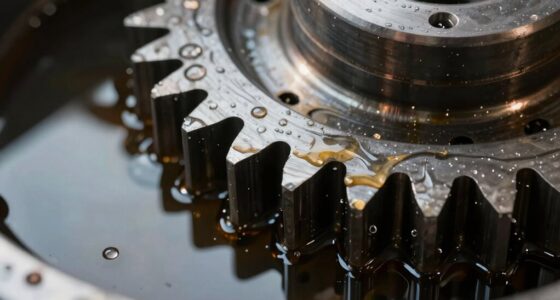
Application methods play a key role in how well corrosion inhibitors perform and their environmental footprint. You might think of applying them as simply coating a surface, but the process involves several techniques tailored to specific environments and materials. For instance, some inhibitors are added directly into the water in cooling systems or pipelines, creating a protective chemical film inside the metal surface. Others are applied as paints or sprays, forming a physical barrier that prevents corrosive agents like moisture, oxygen, and salts from reaching the metal. You might also encounter corrosion inhibitors integrated into lubricants or cleaning solutions, offering ongoing protection during regular maintenance. The choice of application method influences not only the effectiveness but also the environmental impact, as some techniques involve fewer hazardous chemicals and generate less waste. Proper application guarantees that the inhibitors are evenly distributed and form a durable shield, reducing the need for frequent reapplication and decreasing overall chemical usage. Additionally, advancements in environmentally friendly formulations are helping to reduce the chemical footprint of corrosion prevention.
Understanding the environmental impact and application methods of corrosion inhibitors helps you make smarter choices for metal preservation. Eco-friendly options and precise application techniques contribute to a safer environment and more sustainable operations. When selecting an inhibitor, consider how it is applied and its potential ecological effects, especially if the protected structure is near sensitive ecosystems or water sources. By doing so, you’re not only safeguarding the metal but also supporting environmental health. Ultimately, corrosion inhibitors are an essential, yet often overlooked, component of industrial maintenance. They provide a critical line of defense that prolongs the life of structures while helping to minimize ecological risks. Through careful selection and proper application, you can guarantee your projects are both effective and environmentally responsible.

20 GPM 12 Volt Fuel Transfer Pump High Flow DC Transfer Pump Cast Iron Heavy Duty Transfer Pump for Gasoline Diesel Kerosene Ethanol Methanol Blends Biodiesel, w/Discharge Hose & Manual Nozzle Vahaha
🚗【High Capacity】This industry standard DC pump dispenses up to 20 GPM, which could make fueling be more efficient....
As an affiliate, we earn on qualifying purchases.
Frequently Asked Questions
Are Corrosion Inhibitors Environmentally Friendly?
Corrosion inhibitors can be environmentally friendly if you choose eco-friendly alternatives and biodegradable formulations. These options reduce harmful chemical runoff and minimize ecological impact. When selecting corrosion inhibitors, look for products labeled as biodegradable or environmentally safe. By doing so, you help protect ecosystems while maintaining your equipment’s integrity. Always check product labels and opt for those designed with sustainability in mind, ensuring effective corrosion protection without compromising environmental health.
How Long Do Corrosion Inhibitors Typically Last?
Corrosion inhibitors typically last anywhere from months to several years, depending on their application and environment. The application lifespan varies based on factors like exposure to moisture, temperature, and the type of metal involved. Most inhibitors maintain their effectiveness duration for about one to five years if properly applied and maintained. Regular inspections ensure you catch any decline in protection early, helping prolong the inhibitor’s effectiveness and safeguarding your assets.
Can Corrosion Inhibitors Be Used in Food-Grade Applications?
Yes, you can use corrosion inhibitors in food-grade applications, but only if they meet strict food safety and additive regulations. You need to choose corrosion inhibitors that are approved for food contact, ensuring they won’t compromise safety or quality. Always verify compliance with regulatory standards like FDA or EFSA, and prioritize products specifically designed for food environments. This careful selection helps protect both consumers and your product integrity.
What Are the Costs Associated With Corrosion Inhibitor Treatments?
You’ll find that costs for corrosion inhibitor treatments vary based on factors like the type of inhibitor, application size, and maintenance needs. Conduct a cost benefit analysis to determine if the long-term savings outweigh installation expenses and ongoing upkeep. While initial costs might seem high, effective corrosion prevention can reduce downtime and repair costs, making it a worthwhile investment for protecting your equipment and infrastructure.
Are There Any Safety Concerns With Handling Corrosion Inhibitors?
When handling corrosion inhibitors, you should be aware of safety concerns. For example, if you spill a concentrated inhibitor, skin or eye contact might cause irritation or burns. Always follow handling precautions, wear protective gear, and make certain proper ventilation. Personal safety is key, so read the Material Safety Data Sheet (MSDS) carefully, and store chemicals securely. Being cautious helps prevent accidents and keeps you safe during use.

PRUNkuar 12V Fuel Transfer Pump w/Manual Nozzle, 20 GPM High Flow DC Diesel Transfer Pump, Gas Heavy Duty Transfer Pump with Filter for Gasoline, Diesel, Kerosene, Biodiesel and More
SPECIFICATION: This 12V fuel transfer pump features an impressively high flow rate of 20 gallons per minute (GPM)....
As an affiliate, we earn on qualifying purchases.
Conclusion
Remember, a stitch in time saves nine. By understanding corrosion inhibitors, you can protect your metals before damage happens. These additives act silently but powerfully, extending the lifespan of your equipment and saving you money in the long run. Don’t wait for corrosion to take hold—be proactive and choose the right inhibitors. After all, knowledge is your best defense, and now you’re equipped to keep your metals safe and sound for years to come.
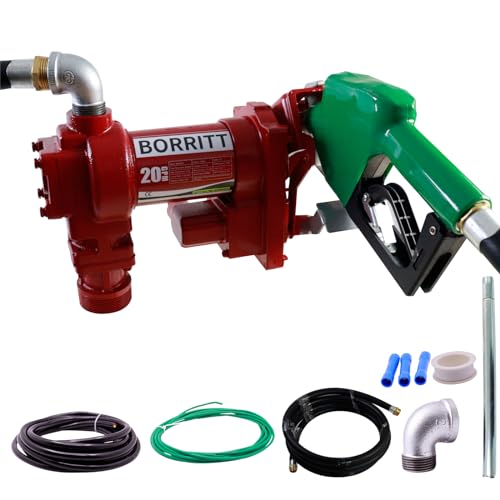
BORRITT Fuel Transfer Pump 12 Volt 20 GPM High Flow,w/Automatic Nozzle Green,DC Fuel Pump,Cast Iron Gas Heavy Duty Transfer Pump for Gasoline,Diesel, Kerosene,Ethanol Blends,Methanol Blends,Biodiesel
Durable Construction Crafted with robust cast iron, the BORRITT pump is engineered to withstand rugged operating environments, ensuring...
As an affiliate, we earn on qualifying purchases.

M14x1.5 Magnetic Oil Drain Plug, Magnetic Stainless Steel Oil Pan Drain Nut Bolt with 5PCS Copper Crush Washer Anti Leakage, Universal Leak-proof Replacement,Fits Most Cars,Motorcycles,Boats
HIGH QUALITY MATERIAL: Magnetic oil drain plugs are made of high quality strong stainless steel aluminum and powerful...
As an affiliate, we earn on qualifying purchases.