
When towing or carrying heavy loads, your engine endures more stress, heat, and contaminants, which accelerate oil breakdown. These factors cause oil to degrade faster over time, regardless of miles driven. Because heat and dirt impact oil quality quickly, maintaining proper drain intervals based on time is more effective than relying solely on mileage. Staying mindful of these conditions and regular maintenance helps protect your engine; explore further tips to keep your oil in top condition.
Key Takeaways
- Oil degrades over time due to heat and contaminants, regardless of miles driven, especially under heavy load conditions.
- Elevated operating temperatures accelerate chemical breakdown and oxidation of oil, which time-based intervals help address.
- Contaminants like dirt and debris accumulate over time, impairing oil’s protective qualities even if mileage remains low.
- Time-based oil changes prevent long-term oil deterioration caused by aging, which isn’t always correlated with miles traveled.
- Regularly scheduled drain intervals based on time ensure optimal lubrication and engine protection under demanding, loaded conditions.

World’s Best Engine Oil Additive: Diamond NanoLube Reduces Friction up to 60%. Perfect For Gas & Diesel Engines. Diamond Sphere Nanotechnology for More Power, Engine Life, and Reduced Oil Changes.
Reduces friction by approximately 60% compared to conventional engines, by forming an ultra-low friction film on top of…
As an affiliate, we earn on qualifying purchases.
As an affiliate, we earn on qualifying purchases.
Why Heavy Loads Make Your Oil Degrade Faster
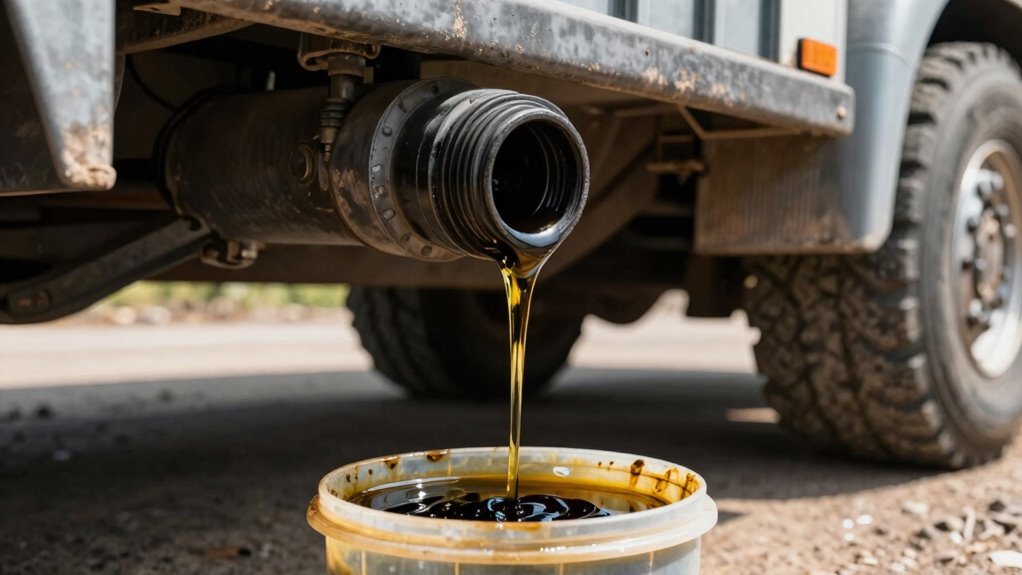
When you operate your vehicle under heavy loads, the oil experiences more stress and friction, which accelerates its breakdown. As engine temperature rises due to increased demand, the oil’s viscosity drops, making it less effective at lubricating moving parts. Low-viscosity oil can’t create a strong protective film, leading to faster wear and tear. The higher engine temperature also speeds up chemical breakdown, causing contaminants to form more quickly. Over time, this degradation reduces the oil’s ability to protect your engine, increasing the risk of damage. Heavy loads push your engine harder, meaning the oil must work harder too. Keeping an eye on these factors helps you understand why your oil needs more frequent changes when hauling heavy loads. Additionally, contaminant buildup plays a significant role in how well your engine components are protected under demanding conditions. Regular oil analysis can help detect early signs of oil degradation, enabling proactive maintenance and preventing costly repairs. Furthermore, understanding oil change intervals under load can optimize your engine’s lifespan and performance. Recognizing oil viscosity changes during heavy-duty operation can also guide maintenance decisions and prevent engine issues before they arise.

Bardahl 1511 Engine Power Booster – Motor Oil Additive for Engine Power and Efficiency – Car Engine Restore Treatment – Made for High Performance, Heavy Loads, Towing, RVs, Off Roading
POWER UP YOUR ENGINE: Bardahl's Engine Power Booster motor oil additive is made to increase the performance of…
As an affiliate, we earn on qualifying purchases.
As an affiliate, we earn on qualifying purchases.
Why Time, Not Miles, Determines Oil Drain Intervals When Towing
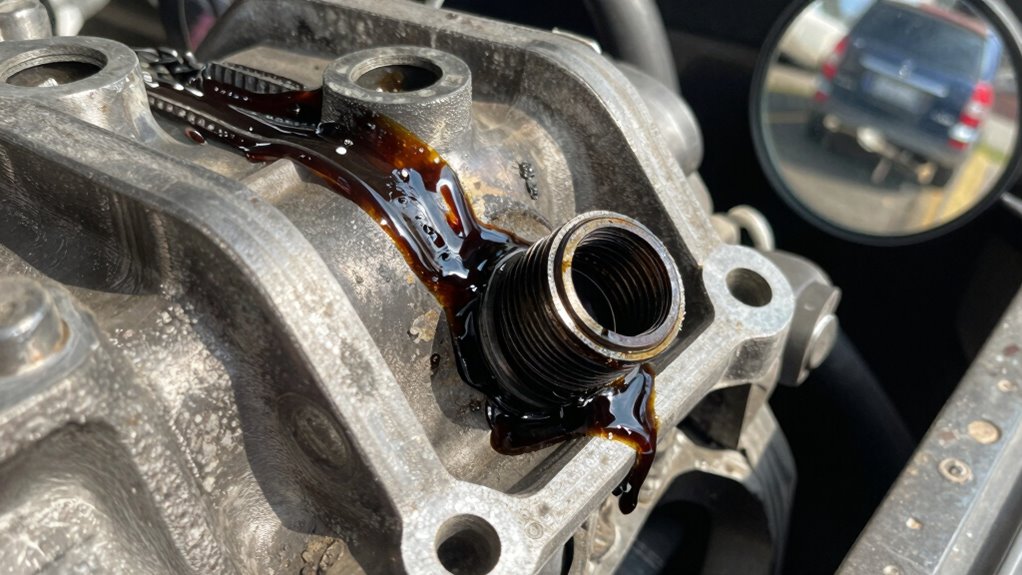
While hauling heavy loads accelerates oil degradation, the passage of time plays an equally important role in determining when to change your oil. High engine temperatures during towing can cause oil viscosity to thin, reducing its ability to protect your engine. Over time, even if your miles are low, the oil breaks down due to exposure to heat and contaminants. This chemical aging process isn’t solely tied to how far you drive; it’s about how long the oil sits in the engine, absorbing heat and contaminants. As oil ages, its viscosity drops, making it less effective at lubricating engine parts. Additionally, oil breakdown can occur regardless of mileage, emphasizing the importance of regular oil changes based on time, rather than miles, to ensure your engine remains protected under towing conditions. Contaminant accumulation further accelerates oil degradation over time, highlighting the need for timely oil changes. Regularly monitoring oil condition through measures like oil analysis can help identify these issues early. Moreover, proper oil maintenance is crucial to maintaining engine health, especially when towing heavy loads. Understanding the chemical properties of motor oil can also help in selecting the best type for towing scenarios.

Oil Analysis Premier Kit by Under My Hood with return postage included
NOT FOR USE ON AIRCRAFT!
As an affiliate, we earn on qualifying purchases.
As an affiliate, we earn on qualifying purchases.
How Heat and Dirt Speed Up Oil Breakdown in Hilly or Towing Conditions
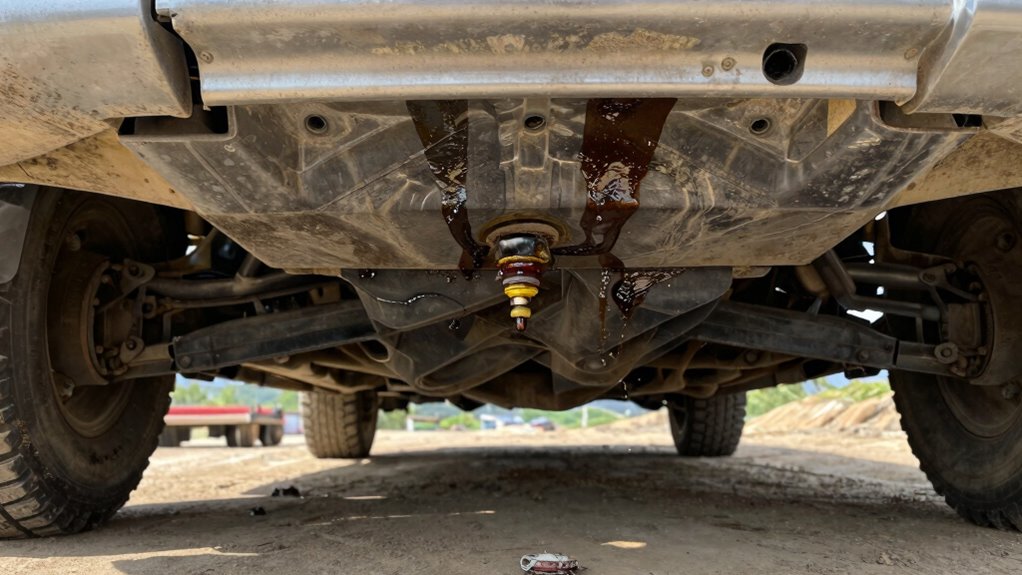
Hilly terrain and towing put additional stress on your engine, causing it to generate more heat and collect more dirt. Increased heat accelerates oil breakdown, especially if your oil viscosity isn’t suited for high temperatures. As temperatures rise, the oil becomes thinner, reducing its ability to lubricate properly, which can lead to engine wear. Dirt and debris also contaminate the oil, further speeding up its degradation. Poor engine cooling exacerbates these issues by allowing temperatures to stay high longer, intensifying oil breakdown. When towing or climbing hills, your engine works harder, making regular oil changes even more critical. Understanding how heat affects oil can help you make better maintenance decisions to protect your engine. Additionally, proper cooling system maintenance plays a crucial role in controlling engine temperature and extending oil life under load conditions. Recognizing the importance of engine temperature regulation helps prevent premature oil failure and prolongs engine life. Regularly monitoring oil health can provide early warning signs of accelerated degradation and help maintain engine performance. Maintaining optimal coolant levels is essential to prevent overheating and safeguard your oil from rapid deterioration.

STP Premium Small Engine 4 Cycle Oil Formula, SAE10W-30 Small Engine Oil Engine Care Formula Reduces Wear for Lawnmower, Push Mower, Tractor, 32 Oz, STP
SAE 10W-30 MOTOR OIL FOR SMALL ENGINES: One 32 fl oz bottle of STP Premium Synthetic Blend 4…
As an affiliate, we earn on qualifying purchases.
As an affiliate, we earn on qualifying purchases.
How to Check Your Oil’s Condition for Load-Heavy Driving

To guarantee your oil remains effective during load-heavy driving, regularly inspecting its condition is essential. Check the oil’s color and smell—darker oil with a burnt odor indicates contamination or breakdown. Use a clean dipstick, wipe it, then reinsert and pull out to observe the oil’s appearance. If it’s thick, gritty, or discolored, it’s time for an oil change. Also, smell the oil; a burnt smell signals excessive heat and degradation. Keep track of these signs in the table below:
| Oil Condition | Color | Smell | Notes | Action |
|---|---|---|---|---|
| Good | Amber | Neutral | Fresh oil | No action needed |
| Slightly dark | Dark amber | Mild | Normal wear | Monitor closely |
| Very dark | Brown/Black | Burnt | Degradation | Change soon |
| Gritty texture | N/A | N/A | Contaminants | Change immediately |
| Unusual smell | N/A | Strong burnt | Overheating | Inspect engine |
Regular checks help maintain oil quality under load, especially since oil degradation can occur more rapidly when engines operate under heavy loads. Being aware of oil condition indicators is crucial for timely maintenance to prevent engine damage.
Tips to Extend Oil Life When Towing or Carrying Heavy Loads

To keep your oil lasting longer when towing or hauling heavy loads, start by using high-quality oil that can handle the extra stress. Make sure you follow your vehicle’s recommended towing schedule to prevent premature oil breakdown. These simple steps help protect your engine and extend oil life under demanding conditions. Additionally, regular oil strainers and filters can help maintain optimal oil quality and remove contaminants that may accelerate wear. Proper solar system design by avoiding excessive heat buildup can also contribute to better engine efficiency and longevity. Monitoring engine temperature and ensuring proper cooling can further reduce the risk of oil degradation during heavy-duty operations. Being aware of regional climate factors, such as ambient temperature and humidity, can also influence oil performance and help you take appropriate measures. Furthermore, being mindful of cable safety practices such as managing heat buildup and avoiding toxic fumes in engine compartments can help maintain safe and efficient operation.
Use High-Quality Oil
Using high-quality oil is essential when towing or carrying heavy loads because it provides better lubrication and withstands higher temperatures. Synthetic oils are an excellent choice, as they maintain stability under stress and extreme heat. Look for oils with advanced additive packages designed to protect engine components and reduce wear during heavy use. These additives help prevent sludge buildup, corrosion, and thermal breakdown, ensuring your engine stays cleaner and runs smoothly longer. Investing in premium oil may cost more upfront, but it can markedly extend oil change intervals and protect your engine during demanding conditions. High-quality oils also often feature unique formulations that help improve overall engine performance under heavy loads. Additionally, choosing oils that meet or exceed your vehicle manufacturer’s specifications ensures optimal performance, especially when loads push your engine to its limits. To maximize engine longevity under these conditions, selecting oils with enhanced thermal stability is highly recommended. Using oils with superior oxidation resistance can further prevent the formation of harmful deposits that impair engine function. High-quality oil is a critical step in maintaining engine health when towing or hauling heavy loads.
Follow Towing Schedule
Adhering to a consistent towing schedule can considerably extend your oil’s lifespan when hauling heavy loads. Regularly following this schedule helps prevent engine stress and maintains ideal performance. Proper engine tuning is essential, as it ensures your engine runs efficiently under load, reducing strain and contamination that can shorten oil life. When towing, your engine works harder, increasing the rate of oil degradation, so sticking to recommended oil change intervals is crucial. This consistency not only preserves your oil’s protective qualities but also improves fuel efficiency, saving you money over time. By maintaining a strict towing schedule, you ensure your engine stays clean and well-lubricated, which minimizes wear and extends the interval between oil changes.
Common Mistakes to Avoid When Changing Oil Under Load
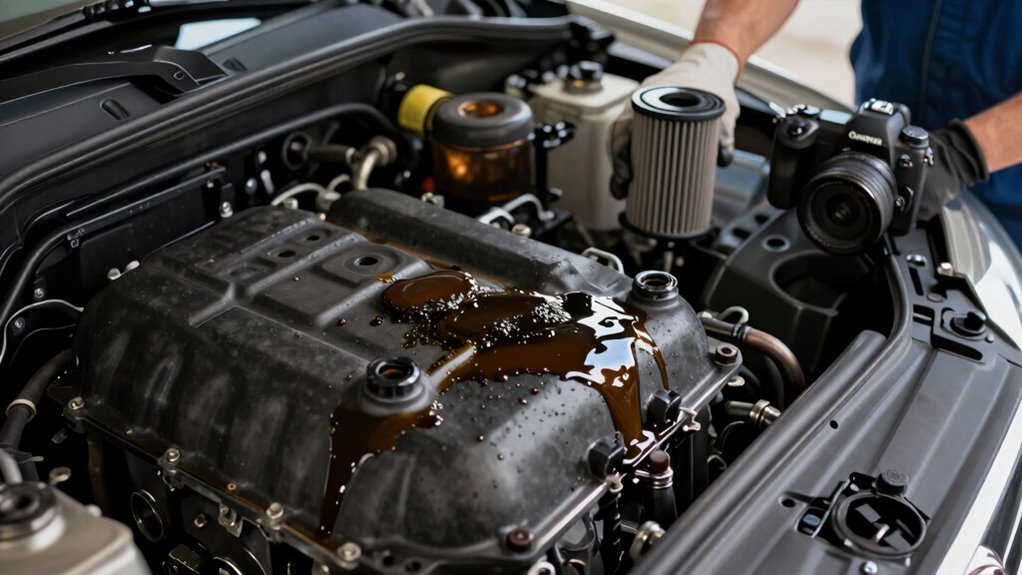
When changing your oil under load, it’s easy to make mistakes that can impact engine health. Ignoring your manufacturer’s guidelines, using poor-quality oil, or rushing the process can lead to problems down the road. Pay attention to these common errors to keep your engine running smoothly.
Ignoring Manufacturer Guidelines
Ignoring manufacturer guidelines is a common mistake that can lead to premature engine wear or even damage. Always follow the manufacturer’s recommendations for oil change intervals, especially under load conditions. Many drivers believe they can extend oil life, but these guidelines are based on extensive testing to protect your engine. When using synthetic oils, it’s tempting to stretch drain intervals because they last longer, but manufacturer guidelines specify ideal timing for your specific vehicle. Ignoring these instructions can cause oil breakdown, especially under load, reducing lubrication and risking engine damage. Stick to the recommended intervals, even if the oil appears clean. Proper adherence ensures your engine stays protected, performs efficiently, and avoids costly repairs caused by neglecting manufacturer-specified maintenance schedules.
Overlooking Oil Quality
Overlooking the quality of the oil you’re using can substantially compromise engine performance, especially under load conditions. Poor-quality oil may suffer from oil contamination, introducing dirt, moisture, or metal particles that accelerate wear. Additionally, additive depletion reduces the oil’s ability to protect your engine, leading to increased friction and potential breakdowns. Using subpar oil can also hide early warning signs of engine issues, making maintenance harder. To avoid these mistakes, keep an eye on your oil’s condition and replace it timely.
- Check for oil contamination regularly
- Use high-quality, load-rated oil
- Monitor additive levels and effectiveness
- Follow recommended drain intervals for your load conditions
Rushing During Oil Change
Rushing through an oil change, especially under load conditions, can lead to serious engine issues. When you hurry, you might forget to replace the drain plug properly or neglect to add the right oil additive, which can compromise your engine’s performance. Using synthetic oil is beneficial, but only if you follow the correct procedure—skipping steps can cause incomplete drainage or contamination. Don’t rush the process; take your time to ensure the old oil drains completely and the new oil is filled to the proper level. Properly installed filters and fresh synthetic oil with additives protect your engine from wear. Rushing increases the risk of missing critical steps, leading to potential engine damage and reduced drain intervals. Patience during an oil change is essential for long-term engine health.
Frequently Asked Questions
How Often Should I Check Oil Levels During Heavy Load Conditions?
You should check your oil levels every 1,000 to 1,500 miles or weekly during heavy load conditions. Make sure to inspect the oil filter and verify the oil viscosity is appropriate for the load and temperature. Regular checks help prevent engine damage, especially when under stress. Keep an eye on oil levels and quality to guarantee your vehicle stays protected and performs at its best during demanding driving conditions.
Can Synthetic Oil Extend Drain Intervals Under Load?
Yes, synthetic oil can extend your drain intervals under load because of its superior synthetic benefits. It provides better lubrication, resists breakdown, and maintains oil longevity longer than conventional oils. This means you can often go longer between oil changes, even under heavy load conditions. Just remember to follow your vehicle manufacturer’s recommendations and monitor oil levels regularly to guarantee ideal engine performance and protection over extended intervals.
What Signs Indicate My Oil Needs Changing Sooner When Towing?
When towing, watch for signs like increased engine warning lights, dark or gritty oil, and unusual odors, which indicate oil degradation. These signs show your oil is breaking down faster under load and needs changing sooner. Regularly check your oil’s appearance and level, especially during heavy towing, to prevent engine damage. Promptly changing oil helps maintain engine performance and avoids costly repairs caused by overdue oil changes.
How Do Climate Changes Affect Oil Drain Intervals Under Load?
Climate impact and temperature fluctuations considerably affect your oil drain intervals under load. Warmer temperatures cause oil to break down faster, so you should change your oil more frequently in hot climates. Cold weather thickens the oil, reducing its protective qualities, which also demands shorter drain intervals. Keep an eye on your vehicle’s performance and follow manufacturer recommendations, adjusting your oil change schedule based on extreme climate conditions to guarantee ideal engine protection.
Are There Specific Oil Additives Recommended for Load-Heavy Driving?
For load-heavy driving, you should choose oil additives that are compatible with your vehicle’s oil and offer load-specific benefits. These additives help reduce wear, improve film strength, and protect engine parts under stress. Always check oil additive compatibility before use to prevent adverse effects. Using the right load-specific additive enhances protection, extends oil life, and maintains ideal engine performance during demanding conditions.
Conclusion
So, next time you think miles are the magic number, remember—your engine’s not counting steps, it’s counting seconds under stress. Towing up hills or hauling heavy loads turns your oil into a ticking time bomb. Skip frequent checks, and you might end up with a sludge-filled disaster. It’s not about how far you go, but how long you push your engine’s patience. Stay vigilant, or enjoy the spectacular show of engine failure—your wallet’s favorite drama.