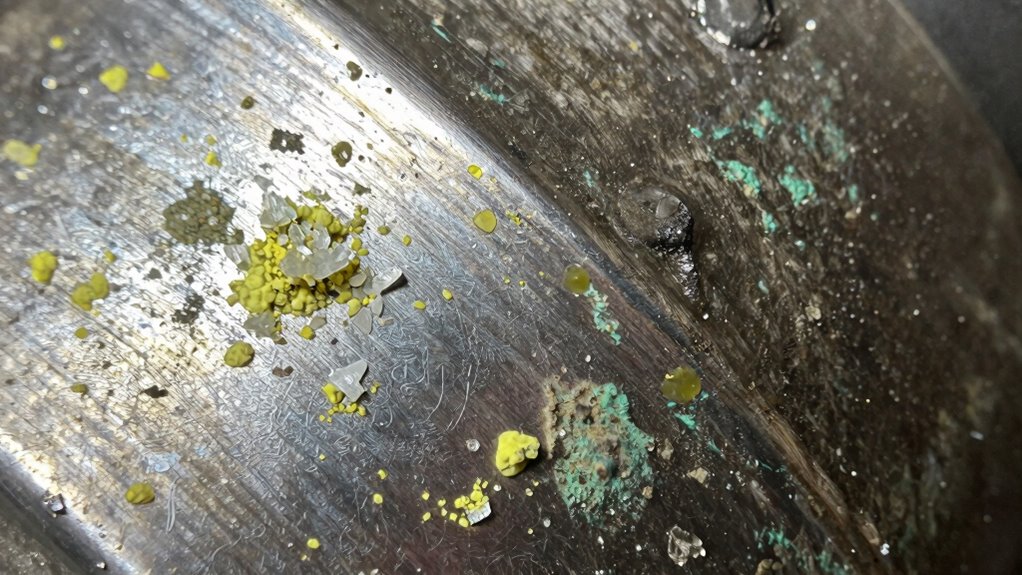

Sulfur-phosphorus EP additives help protect your machinery under heavy loads by forming protective films, reducing wear, and increasing pressure resistance. However, they can cause environmental issues, like water contamination and air pollution, and may damage seals or rubber components in your equipment. Balancing these benefits and drawbacks is essential, and understanding the impact of these additives is key. Keep exploring to discover more about their advantages and potential concerns.

Get garage and car supplies delivered free — and shop member deals
- Fast, free delivery on millions of items
- Access to Prime Big Deal Days deals on October 6–7
- Prime Video, Amazon Music and more included
Key Takeaways
- Sulfur-phosphorus EP additives improve load capacity and form protective films, reducing metal wear during high-pressure operations.
- They pose environmental risks by releasing pollutants and sulfur oxides, impacting ecosystems and contributing to air pollution.
- Compatibility issues may arise, potentially damaging seals, gaskets, and elastomers, leading to leaks or equipment failure.
- While offering excellent high-pressure protection, their environmental and material concerns require careful consideration.
- Advances aim to develop greener additives balancing performance with ecological safety and regulatory compliance.
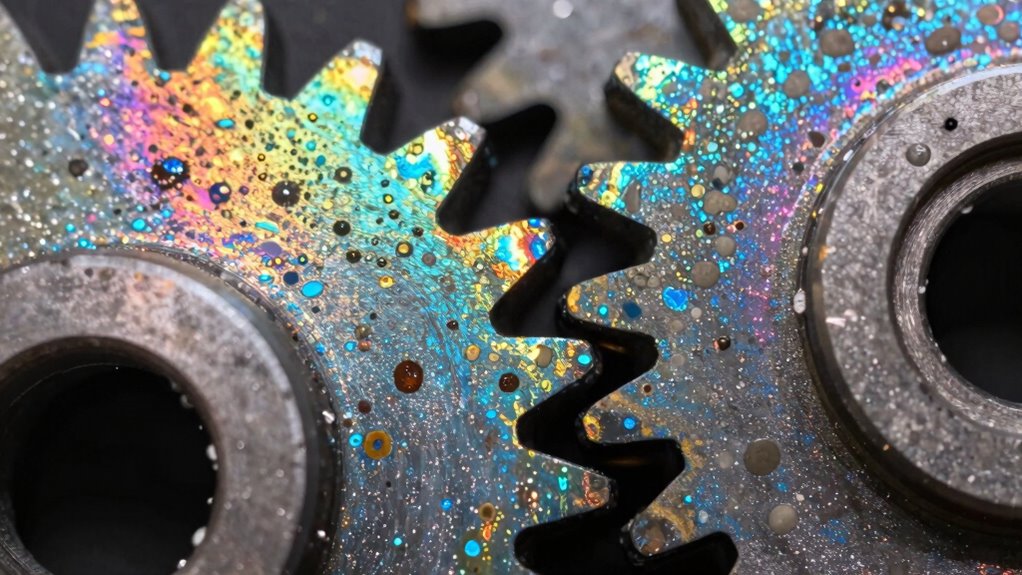
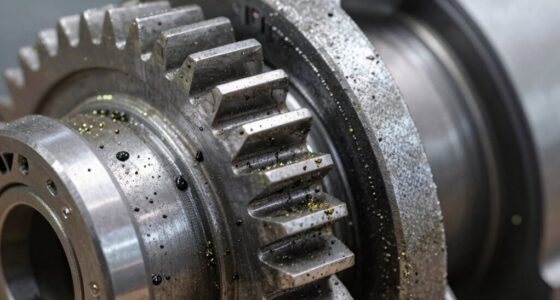
Sulfur-phosphorus EP additives play a essential role in enhancing the load-carrying capacity of lubricants, especially under extreme pressure conditions. They form a protective film on metal surfaces, preventing metal-to-metal contact and reducing wear during high-stress operations. However, while their performance benefits are clear, you should also consider the environmental impacts and compatibility concerns associated with these additives. These factors are crucial when choosing the right lubricant for your machinery or application.
One of the main environmental concerns with sulfur-phosphorus EP additives is their potential to contribute to pollution. During manufacturing, use, and disposal, these additives can release sulfur and phosphorus compounds into the environment. When these substances enter water bodies or soil, they may cause ecological harm, such as disrupting aquatic life or contaminating groundwater. Additionally, the combustion of lubricants containing these additives can produce sulfur oxides, which contribute to acid rain and air pollution. Because of these issues, regulatory agencies are increasingly scrutinizing the use of sulfur-phosphorus EP additives, especially in environmentally sensitive areas or industries aiming for greener operations.
Compatibility is another critical aspect you need to consider. Not all materials used in machinery are compatible with sulfur-phosphorus compounds. For example, these additives can cause corrosion or degradation of certain sealing materials, gaskets, or elastomers. If your equipment includes components made from rubber or specific plastics, using lubricants with sulfur-phosphorus EP additives might lead to leaks or component failure over time. Moreover, these additives can interact negatively with other lubricant additives, such as anti-wear agents or antioxidants, reducing overall performance or causing chemical reactions that diminish lubrication effectiveness. Therefore, it’s essential to verify the compatibility of sulfur-phosphorus EP additives with your specific equipment and other lubricant components before making a switch.
While sulfur-phosphorus EP additives deliver excellent load-carrying capabilities, their environmental and compatibility issues mean you should weigh their benefits against potential drawbacks. If your operation is in an environmentally sensitive setting or involves materials prone to corrosion, you might want to explore alternative additives or formulations. Proper testing and consultation with lubricant specialists can help ensure that you select an option that balances performance with environmental responsibility and equipment safety. In the end, understanding these factors allows you to make informed decisions that safeguard both your machinery’s longevity and the environment. Additionally, ongoing advancements in lubricant technology aim to develop greener EP additives that minimize ecological impact while maintaining high performance.
high pressure sulfur phosphorus EP additive lubricant
As an affiliate, we earn on qualifying purchases.
As an affiliate, we earn on qualifying purchases.
Frequently Asked Questions
How Do Sulfur-Phosphorus EP Additives Impact Environmental Safety?
You should be aware that sulfur-phosphorus EP additives can impact environmental safety by increasing toxicity concerns and affecting the environment. They may pose risks through runoff or disposal, potentially harming aquatic life and soil quality. While they enhance lubricant performance, their environmental impact calls for careful management and proper disposal to minimize toxicity concerns and protect ecosystems from long-term damage.
Are There Specific Industries That Prefer Sulfur-Phosphorus EP Additives?
You’ll find that industries like automotive lubrication and industrial machinery prefer sulfur-phosphorus EP additives. These additives provide excellent wear protection and load-carrying capacity, making them ideal for engine oils and heavy-duty equipment. They help reduce friction and prevent metal-to-metal contact, ensuring smoother operation. If you’re working in these sectors, these additives can enhance performance and extend equipment lifespan, making them a popular choice for demanding applications.
What Are the Long-Term Effects of Using Sulfur-Phosphorus EP Additives?
Using sulfur-phosphorus EP additives can improve your equipment’s corrosion resistance and additive stability over time, but long-term effects may include potential metal degradation if not properly managed. You might notice increased wear or reduced effectiveness in extreme conditions. Regular maintenance helps mitigate these effects, ensuring your machinery benefits from enhanced protection without compromising durability. Stay vigilant and monitor performance to maximize the long-term advantages of these additives.
Can Sulfur-Phosphorus EP Additives Be Recycled or Reused?
You can recycle or reuse sulfur-phosphorus EP additives, but it’s challenging due to recycling challenges like contamination and chemical stability. To improve reuse, you might employ specialized methods such as thermal treatment or chemical regeneration. These processes help recover the additives’ properties, but they require careful handling and equipment. Overall, while reuse is possible, it’s often limited by the additives’ chemical nature and the complexity of recycling procedures.
How Do Sulfur-Phosphorus EP Additives Compare to Other Anti-Wear Agents?
You’ll find sulfur-phosphorus EP additives excel in application versatility, handling extreme pressures effectively. Compared to other anti-wear agents, they may have a higher cost comparison but deliver superior performance in demanding conditions. You benefit from their ability to adapt across various lubricants, making them a versatile choice. While some alternatives might be cheaper, sulfur-phosphorus EP additives often provide better protection, especially in heavy-duty applications where durability matters most.
environmentally friendly EP additives for machinery
As an affiliate, we earn on qualifying purchases.
As an affiliate, we earn on qualifying purchases.
Conclusion
You now know how sulfur-phosphorus EP additives can boost your equipment’s performance by reducing wear and preventing metal-to-metal contact. notably, studies show that using these additives can extend machinery lifespan by up to 30%. However, it’s essential to weigh the benefits against potential downsides like compatibility issues. By understanding both the good and the bad, you can make smarter choices to keep your machinery running smoothly and efficiently for years to come.
compatible rubber seal lubricants with sulfur phosphorus additives
As an affiliate, we earn on qualifying purchases.
As an affiliate, we earn on qualifying purchases.
industrial gear oil with sulfur phosphorus EP additives
As an affiliate, we earn on qualifying purchases.
As an affiliate, we earn on qualifying purchases.
Halloween Picks
halloween
As an affiliate, we earn on qualifying purchases.