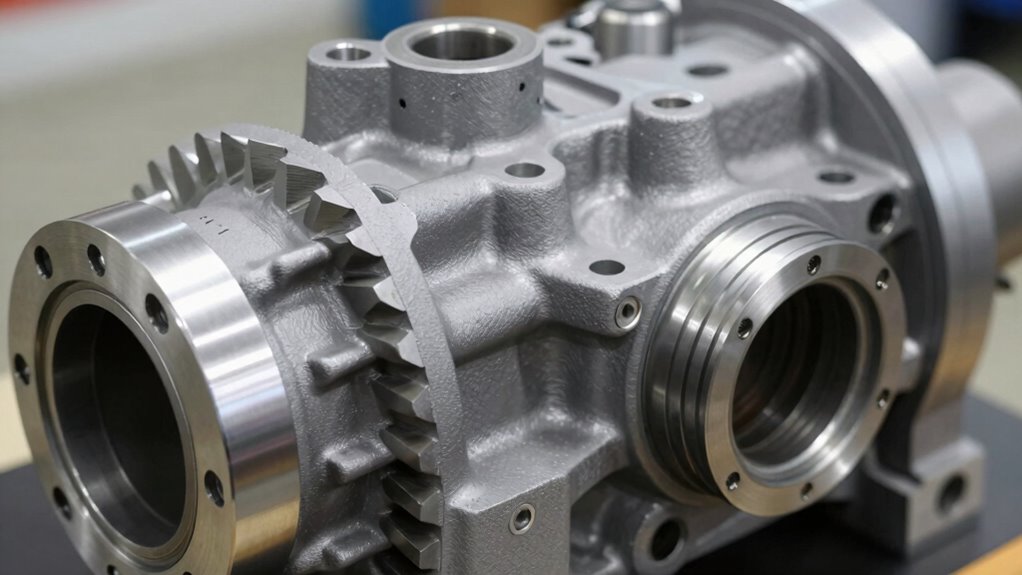
Choosing the right ISO cleanliness level for your gearbox is critical to prevent contamination-related failures and boost reliability. You should assess your operating conditions, environment, and load to set suitable targets that match your gear’s specific needs. Avoid just copying standards; instead, analyze contamination sources and use proper measurement methods to determine your ideal cleanliness level. Keep in mind, understanding these factors makes all the difference—continue exploring to find out how to select the perfect target for your gear system.
Key Takeaways
- Assess your gearbox’s operating conditions and contamination risks before selecting a cleanliness level.
- Base ISO cleanliness targets on manufacturer recommendations and sector-specific standards for reliability.
- Avoid arbitrary ISO levels; tailor targets to environmental factors, load, and equipment sensitivity.
- Use accurate measurement techniques like particle counting to verify and maintain the chosen cleanliness standard.
- Regularly review and adjust cleanliness targets based on monitoring data and operational changes.

Oil Catch Can, 300ml Black Baffled Catch Can Tank Kit, Aluminum Oil Separator with Fuel Line Hose Kit, Coolant Reservoir Tank
Efficient Oil Catch: Use this oil catch can kit reduce oil and water buildup in your engine use...
As an affiliate, we earn on qualifying purchases.
Why Choosing the Correct ISO Cleanliness Level Boosts Gearbox Reliability
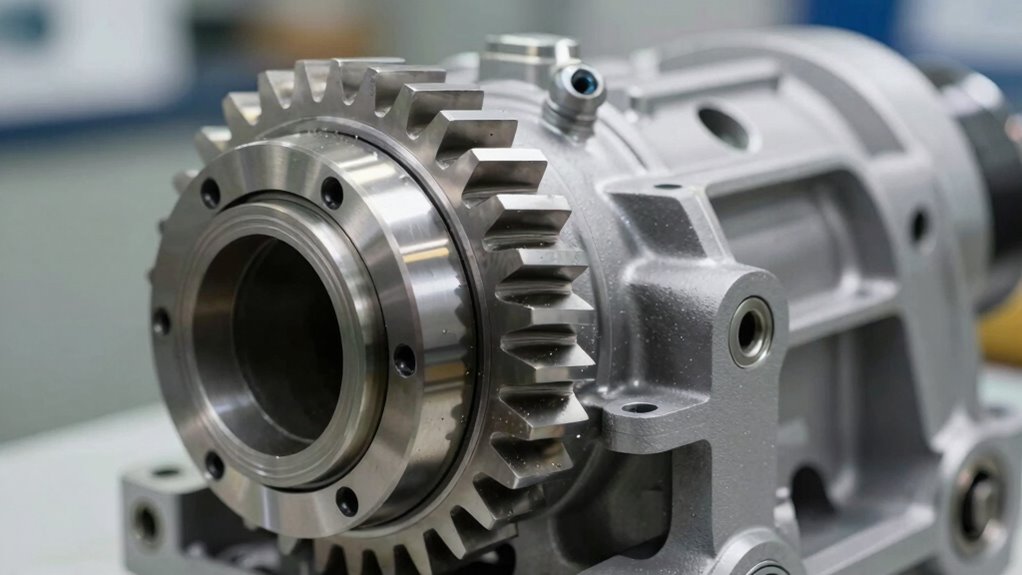
Choosing the right ISO cleanliness level is crucial because it directly impacts gearbox reliability. Proper contamination control begins with effective lubricant filtration, which removes particles that could cause wear and damage. When you select an appropriate ISO standard, you ensure the lubricants stay cleaner, reducing the risk of abrasive contamination. This contamination control is vital for maintaining equipment longevity and performance. A well-maintained cleanliness level prevents debris from settling inside components, keeping your gearbox operating smoothly. By controlling contamination early, you’re safeguarding your machinery from unexpected failures. Remember, higher cleanliness levels don’t just improve performance—they also optimize maintenance schedules and reduce downtime. Additionally, understanding particle size distribution helps in selecting the most effective filtration systems. Proper knowledge of contamination levels allows for better monitoring and maintenance planning, further enhancing equipment reliability. Regular testing of contamination levels and understanding contamination severity can help prevent costly repairs, especially when considering the specific contamination thresholds recommended for different gearboxes.

BARTOO Universal Oil Catch Can Tank 2 Port Oil Catch Can Billet Aluminum Car Engine Oil Catch Can Kit with Breather Filter Reservoir Oil Separator
【Size】:Height without filter:96mm/Height with filter:163mm/Width: 63mm.Inlet/Outlet:3/8" NPT/Plug Adapter:9.5mm/12.7mm. This Oil Catch Can is fit for small spaces.
As an affiliate, we earn on qualifying purchases.
How to Assess Your Gearbox’s Operating Conditions and Contamination Risks

Understanding your gearbox’s operating conditions is key to maintaining ideal cleanliness levels. To accurately assess contamination risks, evaluate factors like operating temperature, load, and environment. Regularly review your lubrication practices to ensure proper oil quality and filtration, reducing particle ingress. Implement contamination control measures such as sealed enclosures and clean procedures. Use the table below to identify potential risks:
| Operating Condition | Contamination Risk | Recommended Action |
|---|---|---|
| Dusty or humid area | Increased particle ingress | Use filters and sealed housing |
| Heavy loads | Elevated wear and debris | Monitor lubricant condition |
| High temperature | Oil breakdown & contamination | Maintain cooling systems |
Assessing these factors helps you tailor your cleanliness targets, keeping gearboxes reliable and efficient.

EVIL ENERGY Oil Catch Can, 300ML Universal Baffled Catch Can Kit with 5FT 3/8 Inch Hose, Aluminum Air Oil Separator Upgraded Internal Filter
[Baffled] Designed with a removable baffle and low micron bronze filter, our oil catch can traps oil and...
As an affiliate, we earn on qualifying purchases.
What Are ISO Cleanliness Codes and How Do Particle Classifications Work?

ISO cleanliness codes provide a standardized way to measure and communicate the level of particle contamination in lubricants. They use particle classification to categorize particles based on size, which helps you assess contamination levels accurately. The codes are derived from counting particles in specific size ranges, typically expressed as ISO 4406 or NAS codes. Particle classification enables you to understand the severity of contamination and compare cleanliness levels across different systems or time periods. By knowing the contamination levels, you can determine if your lubricant meets the recommended cleanliness targets for your gearbox. This standardization guarantees consistency and clarity, allowing you to make informed decisions about filtration, maintenance, and reliability strategies. Ultimately, understanding these codes helps you optimize your gearbox’s performance and lifespan.

EVIL ENERGY Oil Catch Can, Universal Baffled Catch Can Kit with Breather Filter, 300ml Aluminum Air Oil Separator Tank NBR Fuel Hose Kits for PCV System
[Universal]It can be applied to most cars, making sure there's enough room for Installation.
As an affiliate, we earn on qualifying purchases.
How to Pick the Right ISO Cleanliness Target for Your Application
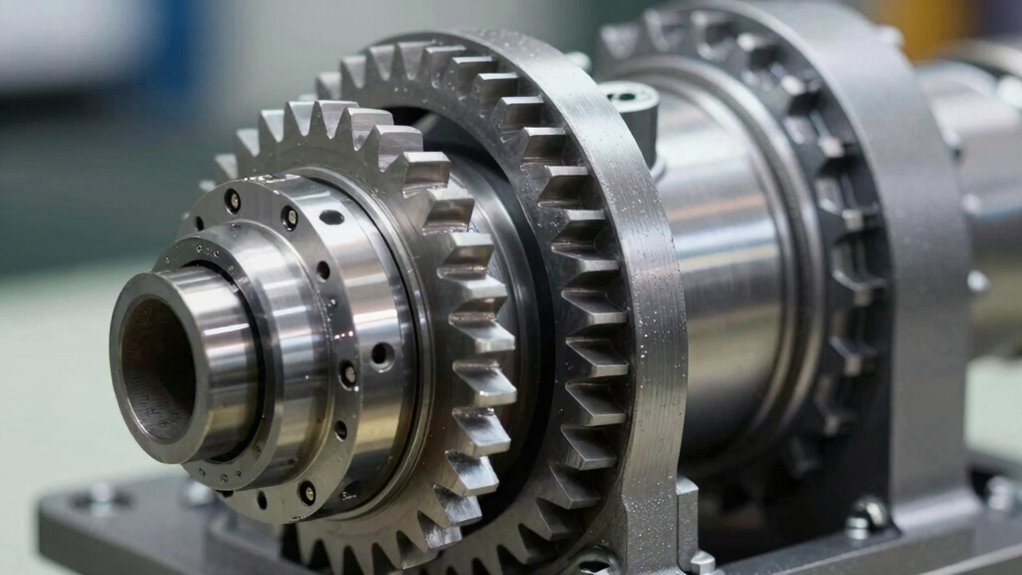
To select the appropriate ISO cleanliness target, you need to understand your application’s specific requirements. Consider the operating conditions your equipment faces, such as temperature and environment, to determine what cleanliness level is necessary. Proper maintenance practices are also crucial in maintaining the chosen cleanliness level over time. Finally, match your selection with industry standards to guarantee compatibility and peak performance.
Understand Application Requirements
Choosing the right ISO cleanliness target begins with evaluating your application’s specific requirements. Consider how lubricant compatibility influences cleanliness needs—some lubricants tolerate higher contamination levels, while others require ultra-clean conditions. Understanding your gearbox’s operational demands helps determine the appropriate cleanliness level, preventing premature wear or failure. Additionally, assess the cleanliness measurement methods available to accurately monitor contamination levels. Different methods, such as particle counting or fluid analysis, offer insights into contamination characteristics and help set realistic targets. By thoroughly understanding your application’s unique conditions, you can select an ISO cleanliness target that balances performance and durability. This ensures your gearbox operates reliably without unnecessary over-cleaning, saving costs and optimizing maintenance schedules.
Consider Operating Conditions
Understanding your operating conditions is crucial when selecting the right cleanliness target. Environmental factors like dust, humidity, and temperature influence contamination risks, so you need to adjust your cleanliness standards accordingly. Consider your lubrication practices—using high-quality oils or greases can reduce particle ingress and extend gear life. If your environment is particularly harsh, such as manufacturing plants or outdoor settings, you might need stricter ISO cleanliness levels to prevent premature wear. Conversely, in more controlled environments, a looser standard could suffice. Always evaluate how environmental factors and your lubrication strategy interact. By tailoring your cleanliness target to these conditions, you optimize gear protection, reduce maintenance costs, and ensure reliable operation. This approach aligns your cleanliness standards with real-world operating demands.
Match Industry Standards
Matching industry standards helps guarantee your equipment meets the specific cleanliness requirements established for your sector. When selecting ISO cleanliness targets, always consider relevant lubricant specifications and contamination control measures. This alignment ensures your gearbox operates reliably and reduces costly failures. To choose the right standard:
- Prioritize safety and compliance, knowing your equipment adheres to industry regulations.
- Align with lubricant specifications, ensuring contaminants won’t compromise lubrication performance.
- Enhance contamination control, preventing debris from causing wear and tear.
- Understand the impact of cleanliness levels on equipment longevity and efficiency, which can be supported by chemical innovations in contamination detection and control. Additionally, understanding Rhythm Failure can help inform maintenance practices to prevent failures related to cleanliness issues. Recognizing how regional flavors influence product quality can also guide tailored contamination control measures to meet regional standards. Employing contamination monitoring techniques further supports maintaining optimal cleanliness levels and prevents unexpected equipment downtime. Incorporating precision measurement methods allows for more accurate assessment of cleanliness levels, ensuring standards are consistently met.
Following these steps not only minimizes risks but also boosts confidence in your maintenance strategy. By matching industry standards, you’re making a proactive choice that safeguards your machinery’s lifespan and optimizes operational efficiency. Don’t settle for guesswork—target the right cleanliness level for your specific application.
Common Mistakes When Setting ISO Cleanliness Levels: and How to Avoid Them

Setting ISO cleanliness levels without careful consideration often leads to costly mistakes. One common error is choosing levels based solely on industry standards without analyzing your specific contamination sources. This oversight can cause you to set a cleanliness measurement that’s either too strict or too lenient for your application. Another mistake is neglecting proper cleanliness measurement techniques, which can produce inaccurate data and misinform your decision. Failing to identify the actual sources of contamination—like dust, grease, or metal particles—can result in inappropriate cleanliness targets. To avoid these pitfalls, assess your equipment’s unique environment and contamination risks thoroughly. Use precise cleanliness measurement methods and tailor your ISO cleanliness levels accordingly, ensuring they align with your gear’s operational demands and longevity.
How to Maintain and Monitor Your ISO Cleanliness Standards Over Time

Maintaining and monitoring your ISO cleanliness standards over time requires consistent effort to guarantee ongoing compliance and ideal equipment performance. Regular cleanliness monitoring helps detect lubricant contamination early, preventing costly failures. To stay on track: 1. Implement routine cleanliness checks** to catch lubricant contamination before it causes damage. 2. Use reliable cleanliness monitoring tools to track contamination levels precisely. 3. Train your team to recognize signs of contamination and understand cleanliness targets. Incorporating smart monitoring technologies can further enhance your ability to maintain optimal cleanliness levels efficiently. Additionally, understanding your ISO cleanliness classifications ensures you set appropriate targets aligned with your equipment requirements and operational conditions, and staying informed about contamination thresholds helps prevent exceeding critical contamination levels. Being aware of contamination sources in your environment can also help you proactively address potential contamination risks before they impact your gear. Recognizing the importance of contamination control strategies** is essential for long-term maintenance success.
Frequently Asked Questions
How Often Should I Re-Evaluate My Gearbox’s Cleanliness Standards?
You should re-evaluate your gearbox’s cleanliness standards regularly, especially after contamination events or equipment upgrades. Conduct cleanliness audits at least every six months to verify contamination thresholds remain within acceptable limits. Consistent assessments help you identify any deviations early, preventing damage. Adjust your standards as needed based on audit results and operational changes, ensuring your gearbox stays protected and maintains peak performance over time.
Can External Environmental Factors Influence the ISO Cleanliness Level?
Yes, external environmental factors can influence the ISO cleanliness level. Airborne particles can settle into your gearbox, increasing contamination, while moisture intrusion from humidity or leaks can promote corrosion and degrade lubrication. You should monitor these factors regularly and take measures like sealing enclosures or controlling humidity to maintain ideal cleanliness levels. Staying proactive helps prevent contamination issues that could lead to premature equipment failure.
Are There Industry-Specific ISO Cleanliness Targets I Should Consider?
Yes, industry standards often specify ISO cleanliness targets tailored to your gearbox application. You should consider contamination thresholds relevant to your sector, like automotive or aerospace, to guarantee peak performance and longevity. These targets help you set appropriate cleanliness levels, reducing risks of damage. Always align your cleanliness goals with industry-specific guidelines to meet safety, reliability, and regulatory requirements effectively.
What Tools or Methods Are Best for Measuring Particle Contamination?
Think of particle counters and contamination sensors as your eyes on cleanliness. They’re your best tools for measuring particle contamination accurately. Particle counters quickly count and size particles in fluids, while contamination sensors detect and monitor dirt levels in real-time. Using these devices together gives you a clear picture of contamination levels, helping you maintain best gearbox cleanliness and prevent wear or damage caused by unseen particles.
How Does Cleanliness Level Affect Gearbox Maintenance Schedules?
Your gearbox’s cleanliness level directly influences maintenance schedules. Higher contamination from sources like dirt or debris accelerates wear, requiring more frequent inspections and oil changes. Ensuring high lubricant quality reduces particle contamination, extending service intervals. By monitoring contamination levels regularly, you can adjust maintenance timing proactively, preventing costly failures. Contamination sources and lubricant quality are key factors in setting ideal maintenance intervals for your gearbox, helping you avoid unexpected downtime.
Conclusion
Choosing the right ISO cleanliness level is like tuning a fine instrument—you need the right balance to guarantee smooth performance. Avoid the trap of picking a random number; instead, assess your gearbox’s needs carefully. By maintaining proper standards, you keep your machinery singing in harmony, preventing costly breakdowns. Remember, precision in cleanliness isn’t just a detail; it’s the melody that keeps your equipment running reliably and efficiently over time.