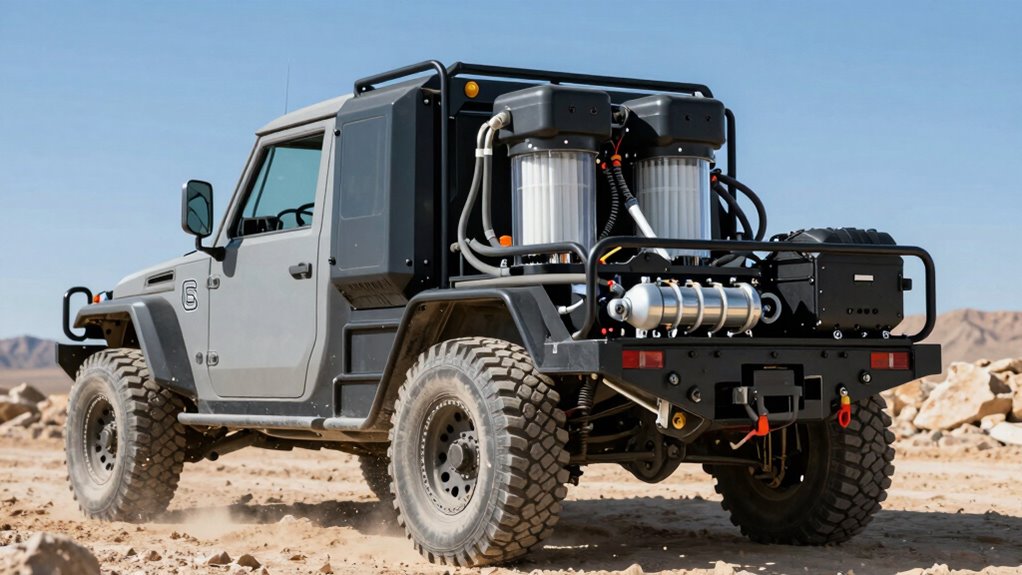

To effectively control contamination in off-road rigs, focus on proper lubrication strategies, keeping equipment well-maintained, and training personnel in best practices like cleaning fittings and using quality, contamination-resistant lubricants. Maintain an organized workspace to prevent dirt ingress and implement regular inspections to catch issues early. A thorough system combining these practices will extend equipment life and ensure reliable operation. Keep going to discover more proven techniques to safeguard your rigs.

Get business pricing on garage and car supplies
- Business-only prices and quantity discounts
- Tax-exempt purchasing
- Multiple users, one account, clear invoices
Key Takeaways
- Implement high-quality, contamination-resistant lubricants and regular monitoring to detect early signs of dirt, water, or debris ingress.
- Train personnel on proper cleaning, handling, and inspection procedures to prevent contamination during lubrication.
- Maintain an organized, clean workspace with sealed storage and routine cleaning of fittings and components.
- Adopt a proactive contamination prevention approach through disciplined practices, proper storage, and routine inspections.
- Combine effective lubrication strategies with ongoing training and monitoring to sustain equipment longevity and optimal performance.
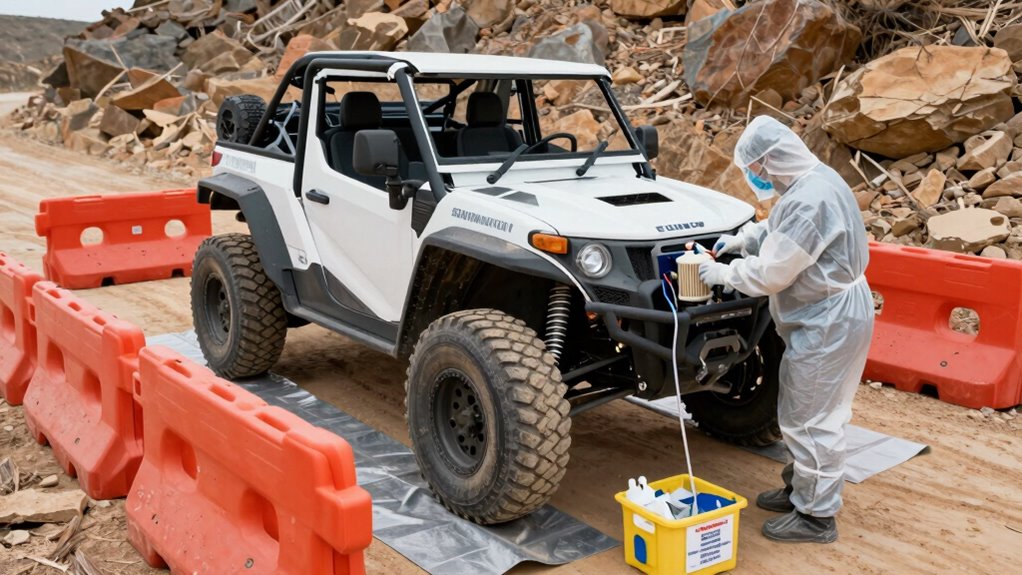
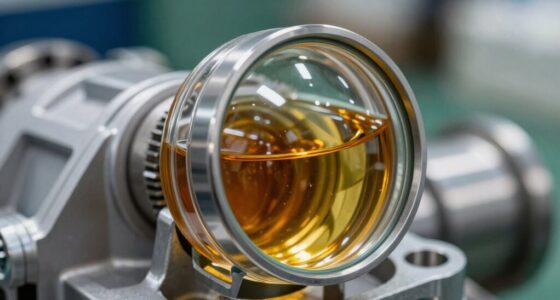
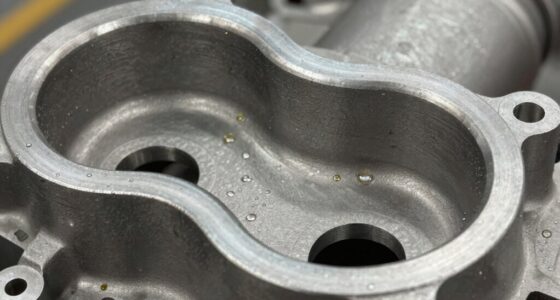
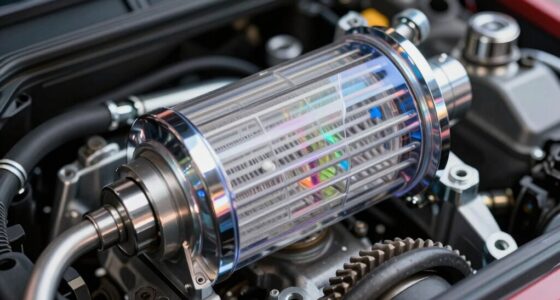
Off-road rigs operate in harsh environments where contamination can quickly impair performance and cause costly damage. To keep your equipment running smoothly, you need a solid contamination control system, and that starts with effective lubrication strategies. Proper lubrication isn’t just about adding oil or grease; it’s about selecting the right lubricants for your rig’s specific conditions and ensuring they’re applied correctly. Using high-quality lubricants with contamination-resistant properties can markedly reduce the risk of dirt, water, and debris entering essential components. Regularly monitoring lubrication levels and quality helps catch issues early, preventing contamination from accumulating. Implementing a routine lubrication schedule tailored to your operational demands ensures your equipment stays protected during intensive use. Alongside these practices, personnel training plays a fundamental role. Your team must understand the importance of proper lubrication procedures, from handling lubricants to applying them correctly. Well-trained personnel are more likely to follow best practices, such as cleaning fittings before lubrication and using appropriate tools, which minimizes the chance of introducing contaminants. Education should cover the entire lubrication process, emphasizing the importance of cleanliness, proper storage of lubricants, and recognizing signs of contamination. When your team understands how contamination affects equipment longevity and performance, they’re more likely to adhere to protocols diligently. Additionally, training should include routine inspection techniques, enabling personnel to identify early signs of contamination, such as dirt ingress or oil degradation. This proactive approach helps prevent minor issues from escalating into major repairs. Incorporating visual aids, hands-on demonstrations, and regular refresher courses ensures that your team remains engaged and informed. Besides personnel training, establishing an organized, clean workspace for lubrication activities prevents dirt and debris from entering lubricants and fittings. Using sealed containers and proper storage methods further protects lubricants from environmental contamination. Regularly cleaning fittings and components before lubrication is another critical step. These small but indispensable practices contribute markedly to contamination control. Remember, the key to effective contamination management isn’t just about reacting to problems—it’s about preventing them through consistent, disciplined practices and well-trained personnel. Creating a contamination-resistant environment through proper workspace organization, hygiene, and equipment maintenance further enhances your contamination control efforts. By combining smart lubrication strategies with extensive training, you create a robust system that minimizes contamination risks, extends equipment life, and maintains peak operational performance even in challenging environments. Keeping your off-road rigs clean and well-lubricated isn’t a one-time task; it’s an ongoing process that demands attention, knowledge, and discipline. When your team is equipped with the right training and follows proven lubrication strategies, you’ll reduce downtime, cut repair costs, and ensure your rigs perform reliably in the toughest conditions.
off-road rig contamination-resistant lubricants
As an affiliate, we earn on qualifying purchases.
As an affiliate, we earn on qualifying purchases.
Frequently Asked Questions
How Often Should Contamination Control Inspections Be Performed?
You should perform contamination control inspections regularly, ideally every 50 to 100 operating hours, depending on your rig’s conditions. Consistent inspection frequency helps you catch contamination early and maintain peak performance. Incorporate contamination monitoring into your routine checks, especially after heavy use or adverse conditions. By staying vigilant and adhering to a set inspection schedule, you reduce risks and ensure your off-road rig stays clean and efficient.
What Are the Signs of Contamination in Off-Road Rigs?
You’ll notice signs of contamination in off-road rigs through fluid degradation, such as oil turning dark or milky, and increased particle accumulation in filters or fluid samples. Unusual engine noises, rough operation, or frequent component wear also indicate contamination. Regularly inspecting fluid quality and filter cleanliness helps catch these signs early, preventing costly damage and ensuring your rig operates smoothly and efficiently in tough environments.
Can Contamination Control Systems Be Integrated With Existing Equipment?
Yes, contamination control systems can be integrated with your existing equipment. You should look for retrofit compatibility options that allow seamless upgrades, minimizing downtime. Many systems offer system customization, so you can tailor solutions to your rig’s specific needs. Working with experienced providers ensures proper integration, enhancing contamination prevention without overhauling your entire setup. This approach helps you maintain peak operation while protecting your equipment from contaminants.
What Are the Costs Associated With Implementing Contamination Control?
Implementing contamination control can feel like a financial Everest, but the costs vary widely. You’ll need to take into account equipment upgrades, ongoing maintenance, and staff training, which are crucial for success. Budget considerations should include both initial investments and long-term savings through reduced downtime. Training requirements are essential too, ensuring your team effectively manages the system, preventing costly mistakes and maintaining off-road rig performance at peak levels.
How Does Contamination Affect the Longevity of Off-Road Rig Components?
Contamination considerably shortens your off-road rig components’ lifespan by causing lubricant degradation and accelerating wear. Dirt and debris infiltrate moving parts, leading to corrosion and equipment failure. Proper contamination control helps prevent corrosion and keeps lubricants effective longer, ultimately extending component longevity. By maintaining cleanliness and using suitable protective measures, you ensure your rig operates efficiently, reducing costly repairs and downtime caused by contamination-related damage.
off-road equipment maintenance tools
As an affiliate, we earn on qualifying purchases.
As an affiliate, we earn on qualifying purchases.
Conclusion
So, after all this talk about meticulous contamination control, it’s almost ironic that the real challenge lies in remembering that even the best systems can falter. You might have all the filters and protocols in place, but a careless oversight could undo it all. Ultimately, keeping your off-road rig pristine isn’t just about technology — it’s about staying vigilant. Because in the end, the tiniest contaminant might just be the biggest troublemaker you didn’t see coming.
lubrication inspection kits for off-road vehicles
As an affiliate, we earn on qualifying purchases.
As an affiliate, we earn on qualifying purchases.
sealed lubricant storage containers
As an affiliate, we earn on qualifying purchases.
As an affiliate, we earn on qualifying purchases.
Fall Picks
fall essentials
As an affiliate, we earn on qualifying purchases.