
If your pinion preload is too tight, you might notice whining, excessive heat, or gear binding, while too loose preload often causes gear slop, vibrations, or noisy humming. You could also feel play in the driveshaft or uneven tire wear. Both issues can lead to damage if ignored. Understanding these subtle signs helps you catch problems early—keep going to discover how to diagnose and fix preload issues correctly.

Get business pricing on garage and car supplies
- Business-only prices and quantity discounts
- Tax-exempt purchasing
- Multiple users, one account, clear invoices
Key Takeaways
- Excessive pinion preload causes gear binding, increased heat, and noise, resembling a whining or humming sound.
- Too loose preload results in gear slop, play, and inconsistent engagement, often causing vibrations or poor handling.
- Abnormal differential noises and excessive movement in the yoke indicate improper preload adjustment.
- Diagnosing preload issues involves measuring gear contact pattern, play, and using diagnostic tools, not just visual inspection.
- Correct preload minimizes wear, prevents damage, and ensures smooth gear operation, avoiding costly future repairs.
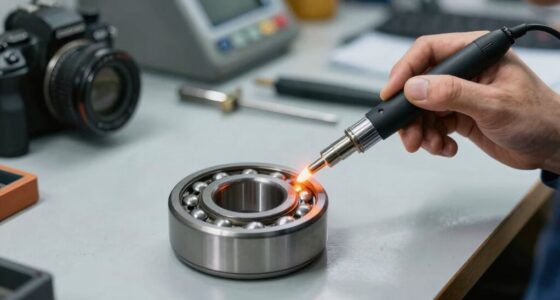
differential pinion preload adjustment tool
As an affiliate, we earn on qualifying purchases.
As an affiliate, we earn on qualifying purchases.
What Is Pinion Preload and Why Is It Important?
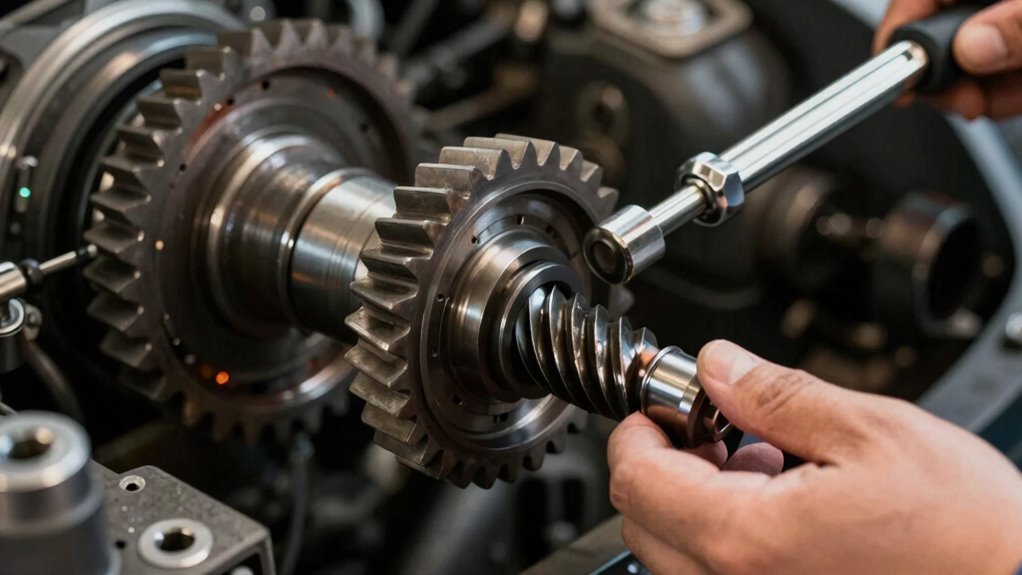
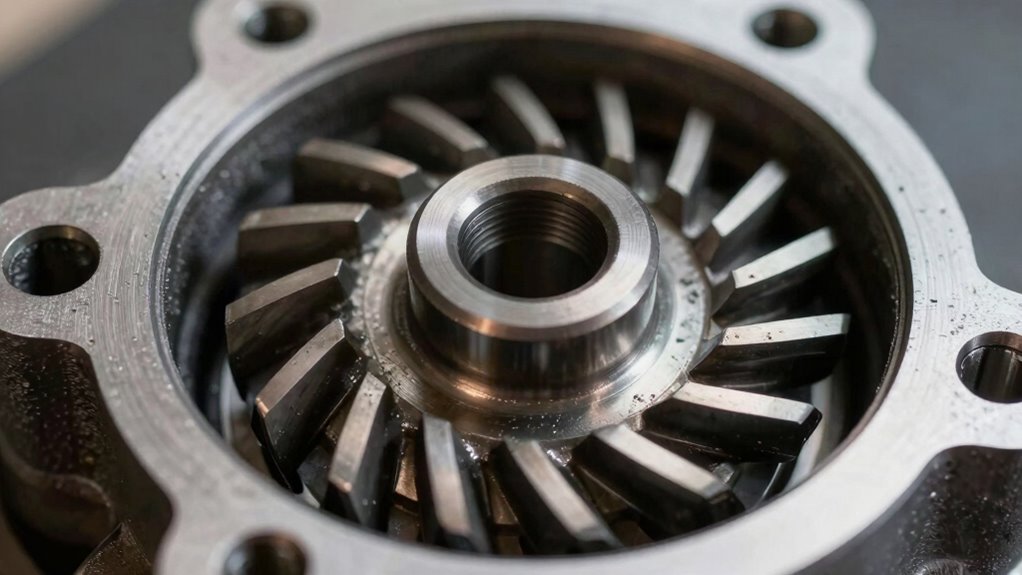
Pinion preload refers to the amount of tension applied to the pinion gear in a differential to guarantee proper gear engagement. It’s a vital part of differential setup because it ensures the gear teeth mesh correctly, preventing excessive wear or damage. Proper gear alignment relies on the right preload, which maintains consistent contact between the gears under load. If the preload is too tight, it can cause unnecessary friction and heat, leading to premature failure. Conversely, if it’s too loose, gears may slip or produce noise. Achieving the correct pinion preload ensures smooth operation, prolongs gear life, and maintains peak performance. Additionally, gear setup accuracy is crucial for optimal vehicle handling and longevity. Correct preload also helps in maintaining proper gear tooth contact patterns, which is essential for even load distribution and durability. Proper preload adjustments are often verified with a torque wrench to ensure precise tension levels.
As an affiliate, we earn on qualifying purchases.
How to Recognize If Your Pinion Preload Is Too Tight or Too Loose?
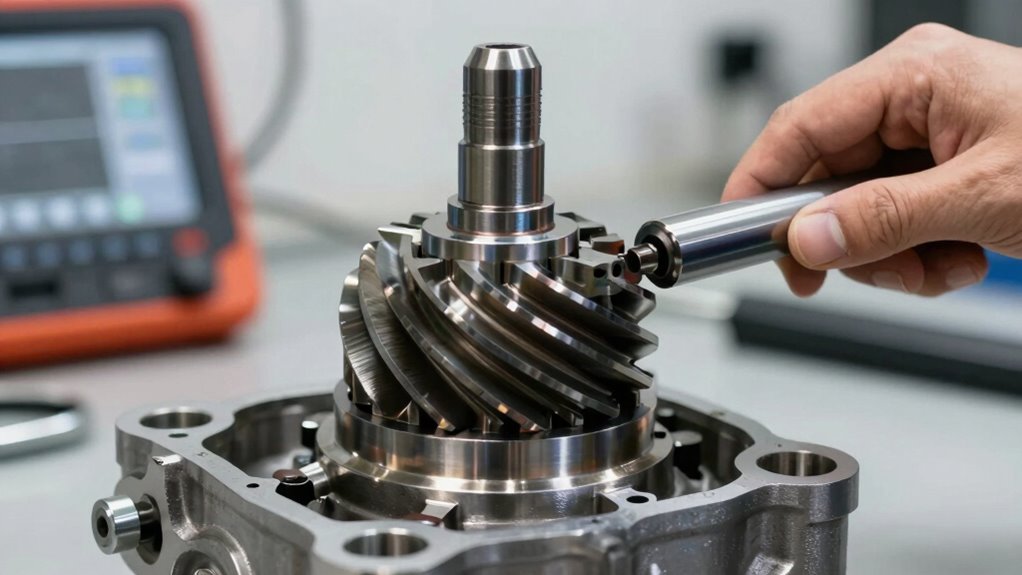
If your differential isn’t operating smoothly, it might be a sign that your pinion preload is off. One key indicator is differential noise—unusual sounds like whining or humming that change with speed. Too tight of a preload can cause excessive gear contact, leading to gear misalignment and increased friction. Conversely, if your preload is too loose, you’ll notice gear slop or play, which can cause inconsistent engagement and vibrations. Both issues can contribute to uneven wear and potential damage over time. To check, listen carefully during acceleration and deceleration. If you detect abnormal noises or feel excessive play, it’s a sign your pinion preload needs adjustment. Proper preload guarantees proper gear alignment and smooth operation. Proper support and adjustment of bearings are essential for maintaining gear engagement, and understanding how bearing preload affects gear contact can help prevent premature component failure. Additionally, ensuring that the differential components are correctly aligned minimizes the risk of damage and extends the lifespan of your differential system. Paying attention to gear contact patterns can also provide insight into whether your preload is correctly set, helping you achieve optimal performance.
As an affiliate, we earn on qualifying purchases.
Common Signs of Pinion Preload Problems: Noise, Play, and Performance Issues
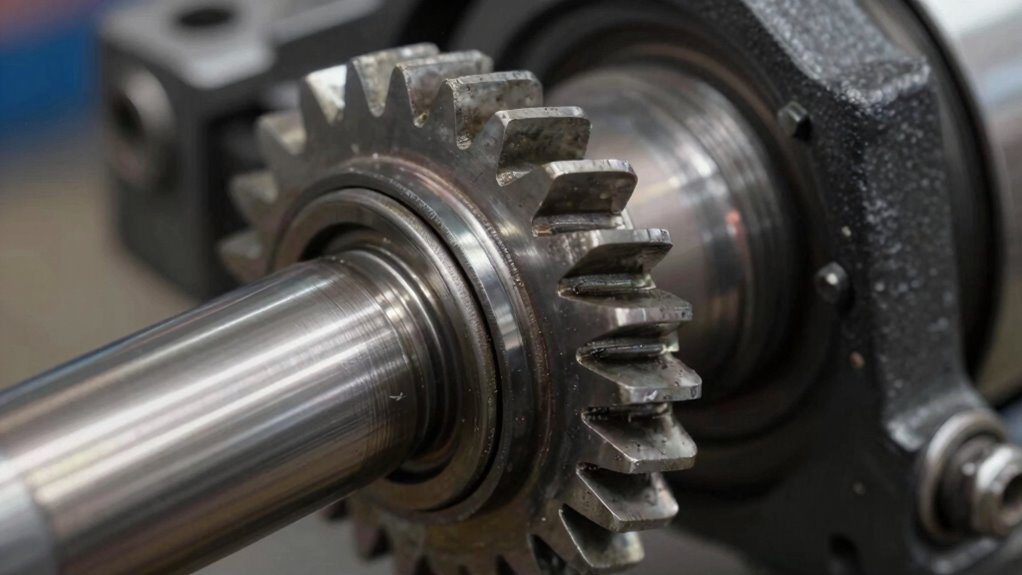
Unusual noises, noticeable play, and performance problems are common signs that your pinion preload may be off. You might hear a whining or howling differential noise, which often indicates gear misalignment caused by incorrect preload. Excessive play in the pinion also suggests improper preload, leading to looseness when you shake the drive shaft or yoke. Additionally, you may notice poor handling, vibrations, or uneven tire wear, all pointing to drivetrain issues. These symptoms can worsen over time, reducing your vehicle’s efficiency and risking further damage. If you experience any of these signs, it is crucial to address them promptly. Proper pinion preload ensures smooth gear engagement and minimizes noise, play, and performance problems. Ignoring these signs can lead to costly repairs down the line.
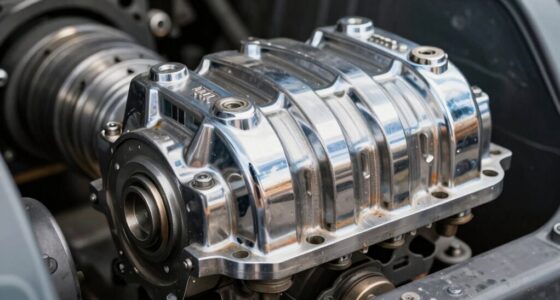
automotive differential bearing preload
As an affiliate, we earn on qualifying purchases.
As an affiliate, we earn on qualifying purchases.
How to Diagnose Pinion Preload Issues at Home or in the Shop
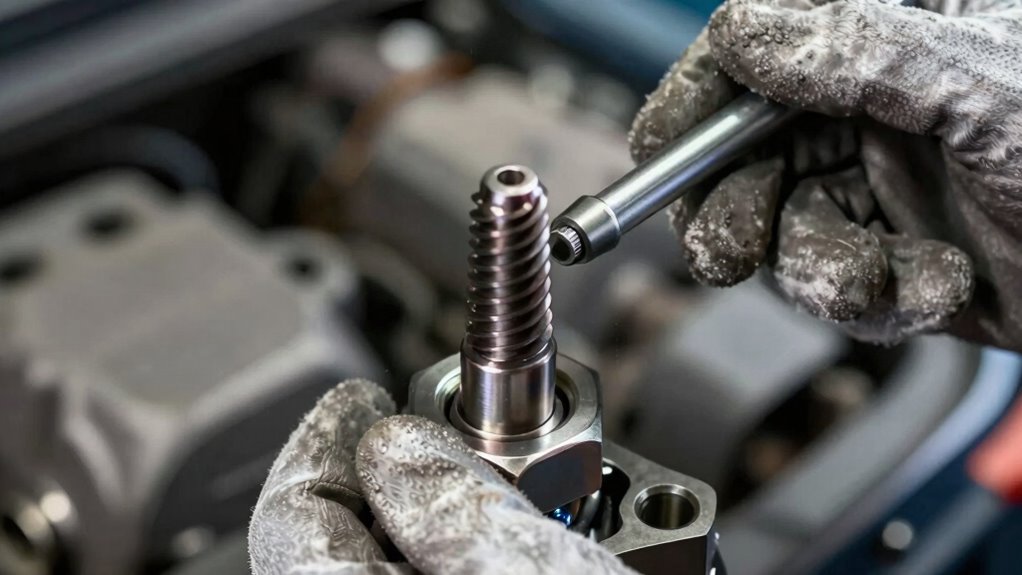
Diagnosing pinion preload issues is essential to prevent further drivetrain damage, and you can often do a basic inspection either at home or in a shop. Start by checking for abnormal noises or play in the pinion using simple diagnostic tools like a dial indicator or a torque wrench. Look for excessive movement or unusual vibrations when rotating the yoke. Regular preventive maintenance includes inspecting for gear wear and ensuring the pinion nut is properly torqued. If you notice any irregularities, it’s a sign that the preload may be off. Keep in mind, a visual check alone isn’t enough—using diagnostic tools helps confirm preload problems without dismantling the assembly. Performing these quick checks can save you from costly repairs later on, and understanding drivetrain components can help you better diagnose issues early.
How to Adjust Pinion Preload Correctly and Prevent Future Damage
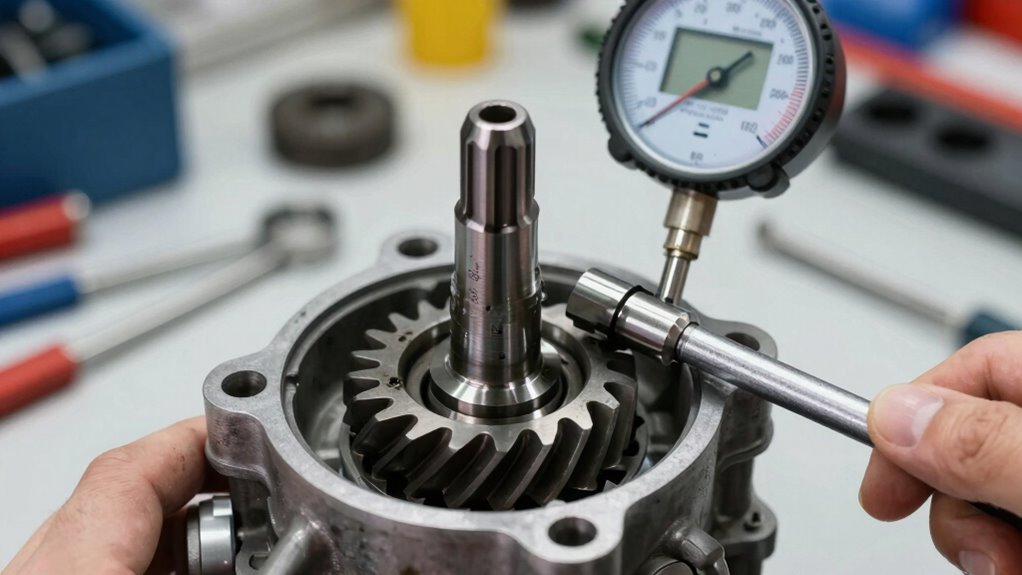
To adjust pinion preload correctly, start by thoroughly inspecting the current settings and confirming the proper torque specifications for your vehicle. Next, remove the differential cover and drain the fluid to check the gear condition. When reassembling, ensure proper gear alignment to avoid uneven wear. Use a torque wrench to tighten the pinion nut incrementally, monitoring preload with a dial indicator or torque specs. Proper preload prevents gear misalignment and minimizes differential fluid contamination. To maintain ideal performance:
Thoroughly inspect, ensure proper gear alignment, and carefully tighten the pinion nut to maintain optimal preload.
- Clean all mating surfaces thoroughly
- Use the recommended gear oil and differential fluid
- Check gear alignment before tightening
- Verify preload after initial adjustment
- Recheck after test drives to prevent future damage
This approach keeps your differential functioning smoothly and extends its lifespan.
Frequently Asked Questions
Can Improper Pinion Preload Cause Long-Term Differential Damage?
Yes, improper pinion preload can cause long-term differential damage. When preload is too tight or loose, it leads to uneven differential wear and axle misalignment. Over time, this stresses the gears and bearings, increasing the risk of premature failure. You should guarantee proper preload adjustment to prevent these issues, maintaining smooth operation and extending the lifespan of your differential components.
How Often Should Pinion Preload Be Checked or Adjusted?
You should check your differential preload every 15,000 to 30,000 miles to prevent long-term damage. Regular differential maintenance includes using precise preload measurement techniques, like a dial indicator or torque wrench, to guarantee proper settings. Don’t overlook this step—improper preload can wear your gears prematurely. By staying consistent with these checks, you’ll keep your differential running smoothly and extend its lifespan, avoiding costly repairs down the line.
Does Vehicle Type Affect Ideal Pinion Preload Settings?
Yes, vehicle type impacts ideal pinion preload settings because of vehicle compatibility and preload variation. Different vehicles have unique gear ratios, axle designs, and load capacities, which influence the correct preload. You need to modify preload accordingly to ensure proper gear contact and avoid premature wear. Always consult your vehicle’s specifications or a professional to determine the correct preload setting, as generic values may not suit your specific vehicle.
Are There Specific Tools Recommended for Precise Preload Adjustments?
You should use a torque wrench and a preload gauge for precise preload adjustments. The torque wrench guarantees you tighten the pinion nut to the manufacturer’s specified torque, while the preload gauge measures the actual preload force. Combining these tools helps you achieve accurate settings, preventing issues like noise or premature wear. Always follow your vehicle’s manual for specific torque values and preload specifications to get the best results.
What Are the Risks of Ignoring Pinion Preload Symptoms?
Ignoring pinion preload symptoms is like neglecting a ticking bomb; it risks causing differential noise and gear misalignment. These issues can lead to uneven wear, increased vibration, and even catastrophic failure of your drivetrain. Over time, you might find yourself facing costly repairs or replacements. By addressing preload problems promptly, you keep your gears running smoothly, avoiding the chaos and damage that come from disregarding these critical warning signs.
Conclusion
If you ignore pinion preload issues, small problems can escalate into costly damage. Imagine your drivetrain silently struggling, gears grinding, and performance slipping away—until suddenly, you’re stuck. But catching the signs early and knowing how to adjust can keep your ride smooth and reliable. Don’t let a tiny preload mistake turn into a major headache. Stay vigilant, troubleshoot promptly, and keep your wheels turning confidently—because the next drive could depend on it.
Halloween Picks
halloween
As an affiliate, we earn on qualifying purchases.