
When deciding which to trust first—heat, noise, or vibration—you should prioritize heat management. Excessive heat can quickly cause components to expand, weaken, or fail, leading to costly repairs or safety risks. While noise and vibration are important indicators, heat issues often pose the most immediate danger. Monitoring and addressing heat problems early helps prevent cascading mechanical failures, so staying alert to temperature changes is vital. Curious how these factors connect? Keep investigating to uncover more.

Get business pricing on garage and car supplies
- Business-only prices and quantity discounts
- Tax-exempt purchasing
- Multiple users, one account, clear invoices
Key Takeaways
- Prioritize excessive heat detection as it can cause rapid thermal expansion and catastrophic failure.
- Address loud noise promptly, as it often indicates serious mechanical issues needing immediate attention.
- Monitor vibration levels regularly; sudden increases signal potential problems that can escalate if ignored.
- Recognize that heat, noise, and vibration are interconnected; addressing the most critical one helps prevent others.
- Use a comprehensive monitoring approach to evaluate all three factors simultaneously for accurate troubleshooting.
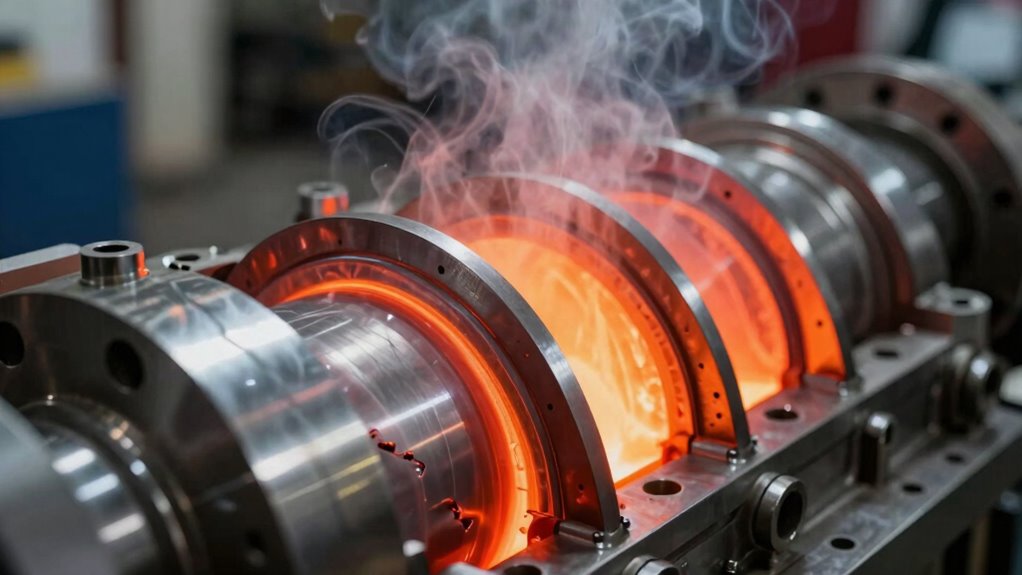
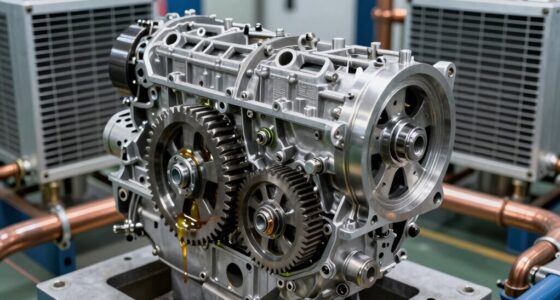
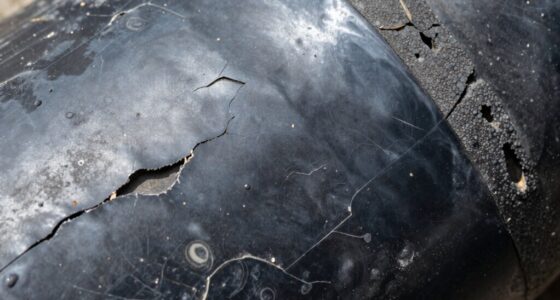
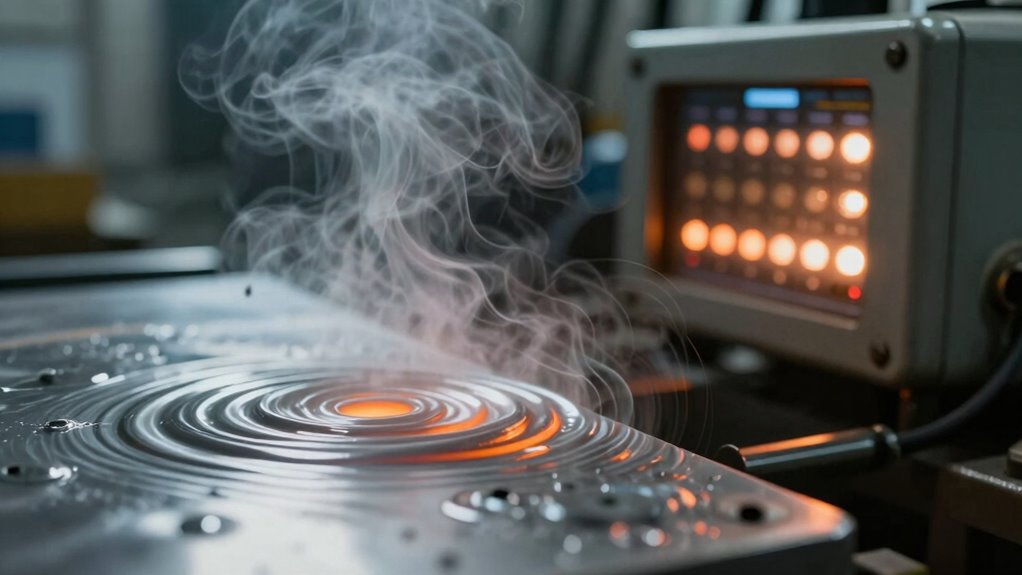
Heat, noise, and vibration are common byproducts of mechanical operation that can profoundly impact performance and safety. When machines run, they generate heat through friction and electrical resistance. This heat causes components to expand—a phenomenon known as thermal expansion—potentially leading to misalignment, cracks, or even catastrophic failure if not managed properly. To combat this, engineers often incorporate thermal expansion joints and use materials designed to accommodate these temperature-related changes. Recognizing the signs of excessive heat early can prevent costly repairs and dangerous breakdowns. You should prioritize monitoring temperature levels, especially in critical parts, and ensure proper cooling systems are in place. Additionally, implementing preventive maintenance practices can help identify early signs of heat-related issues before they escalate. Noise is another byproduct that can be just as troubling. Excessive sound levels not only cause discomfort but also hint at underlying mechanical issues. For example, loud noises might indicate loose parts, misalignment, or worn components. When it comes to managing noise, acoustic insulation plays a key role. It’s a material or system designed to absorb or block sound waves, reducing transmission and creating a safer, quieter environment. If you’re working with machinery that produces high noise levels, installing acoustic insulation can help minimize vibrations that amplify sound, making the workspace safer and more comfortable. Pay close attention to unusual or loud noises and investigate their source promptly—these are often early indicators of deeper mechanical problems. Vibration, on the other hand, can be both a symptom and a cause of mechanical issues. It often results from imbalance, misalignment, or worn parts. Excessive vibration can accelerate wear and tear, eventually leading to failure if unchecked. To determine which issue to trust first—heat, noise, or vibration—you should consider the context. For instance, if you notice unusual vibrations, it could be a sign of imbalance that might also cause noise and heat buildup. Conversely, overheating might lead to thermal expansion, which can induce vibrations or loosen parts, causing noise. In practice, these factors are interconnected; neglecting one can exacerbate the others. Ultimately, your best approach is to maintain an all-encompassing monitoring system that tracks all three parameters—heat, noise, and vibration—simultaneously. Prioritize addressing the most immediate threat: if a component heats up excessively, it could lead to thermal expansion and subsequent failure. If noise levels spike sharply, investigate potential mechanical misalignments or loose parts. When vibrations increase unexpectedly, it’s critical to identify their source early to prevent further damage. Trusting one over the others isn’t advisable; instead, treat them as interconnected signals that, when interpreted correctly, guide you toward maintaining safe, efficient machinery operation.
thermal imaging camera for machinery
As an affiliate, we earn on qualifying purchases.
As an affiliate, we earn on qualifying purchases.
Frequently Asked Questions
How Do Temperature Changes Affect Device Longevity?
Temperature changes markedly impact your device’s longevity. When temperatures fluctuate, thermal expansion occurs, causing parts to expand and contract, which can lead to material fatigue or cracks. Additionally, higher temperatures increase corrosion risk, especially in sensitive components, reducing their lifespan. To protect your device, avoid rapid temperature shifts, ensure proper cooling, and maintain stable environments, minimizing thermal stress and corrosion that jeopardize long-term performance.
Can Noise Levels Predict Mechanical Failure?
You might think noise levels scream failure, but they’re actually the quiet detectives of failure prediction. Noise monitoring can hint at mechanical issues before disaster strikes, making it a surprisingly reliable early warning. So, don’t ignore that faint hum or odd rattle—trust your ears. Often, subtle changes in noise reveal more than loud alarms, guiding you to address problems before costly breakdowns happen.
Is Vibration a Sign of Underlying Electrical Issues?
Vibration can be a sign of underlying electrical issues, especially if you notice irregular movements or unusual shaking. It often indicates electrical anomalies or circuit irregularities that need attention. If you see consistent or sudden vibrations, you should investigate further, as they might point to faulty wiring or components. Addressing these early helps prevent potential failures, ensuring your equipment stays safe and operational.
How Do Environmental Factors Influence Heat and Vibration?
Environmental factors like humidity and temperature fluctuations substantially influence heat and vibration. High humidity can cause thermal expansion in materials, leading to increased vibration as parts expand or contract unevenly. Extreme temperatures can also cause components to heat up or cool down rapidly, affecting their stability. You should monitor these environmental conditions closely, as they can mask or trigger issues in heat and vibration, helping you prevent potential failures.
Which Indicator Is Most Critical for Safety Assessments?
You should trust safety thresholds of heat first, as they symbolize the boundary between safe and unsafe conditions. Monitoring thermal expansion alerts you to potential structural risks before they escalate. By prioritizing temperature indicators, you protect against hidden dangers that could compromise safety. Always stay vigilant of thermal changes, because they serve as the first line of defense, guiding you to act before critical thresholds are breached.
industrial acoustic insulation panels
As an affiliate, we earn on qualifying purchases.
As an affiliate, we earn on qualifying purchases.
Conclusion
When deciding whether to trust heat, noise, or vibration first, remember that your senses are like a captain steering a storm. I once ignored a subtle vibration, thinking it was nothing, only to find my machine overheating hours later. Trust your instincts, but also pay attention to data—like how vibrations can precede overheating by days. Ultimately, listening to all three helps you steer safely through the risks, ensuring you catch trouble before it takes hold.
vibration monitoring sensor for machines
As an affiliate, we earn on qualifying purchases.
As an affiliate, we earn on qualifying purchases.
temperature and vibration data logger
As an affiliate, we earn on qualifying purchases.
As an affiliate, we earn on qualifying purchases.
Fall Picks
fall essentials
As an affiliate, we earn on qualifying purchases.