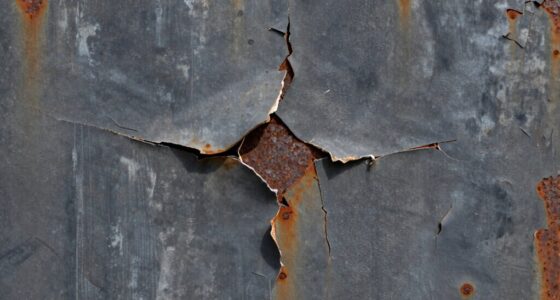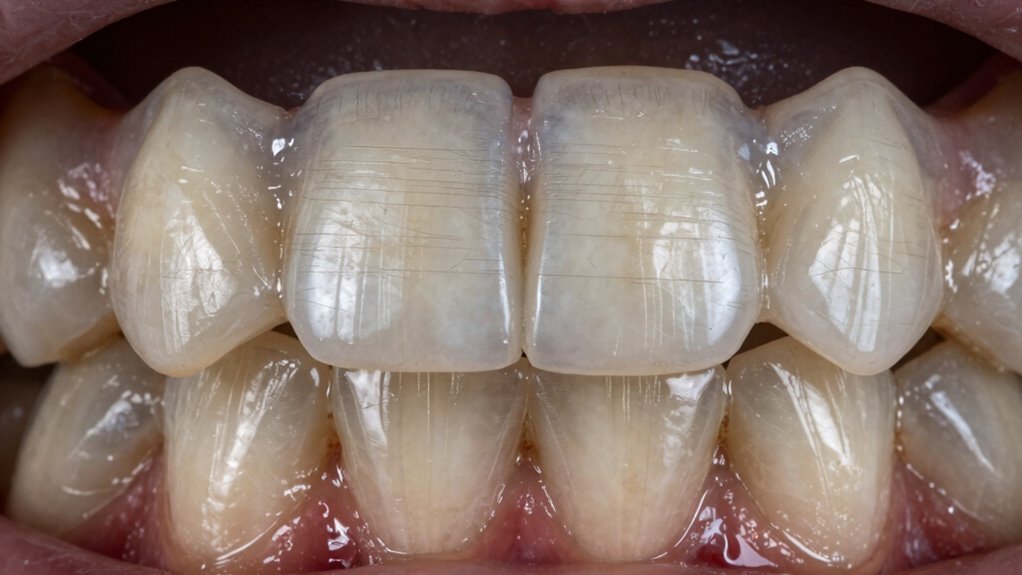

Lip seal wear patterns reveal important clues about your equipment’s condition. For example, chipping or cracking suggests contamination or misalignment, while excessive flattening indicates over-compression. Abrasive scratches point to dirt or debris, and uneven wear signals potential material incompatibility. Recognizing these signs helps you identify issues early and prevent costly failures. Paying close attention to wear patterns guides you in making informed maintenance decisions to extend seal and equipment life. Keep exploring to learn more about these valuable insights.

Get business pricing on garage and car supplies
- Business-only prices and quantity discounts
- Tax-exempt purchasing
- Multiple users, one account, clear invoices
Key Takeaways
- Wear patterns like chipping or cracking indicate contamination, misalignment, or improper installation of the seal.
- Excessive flattening or deformation suggests over-compression or incorrect seal sizing affecting performance.
- Abrasive scratches or rough patches reveal abrasive particles or poor lubrication causing surface damage.
- Uneven or localized wear points to misalignment, uneven pressure, or inconsistent operating conditions.
- Consistent inspection of wear signs enables early detection of issues, preventing leaks and equipment failure.
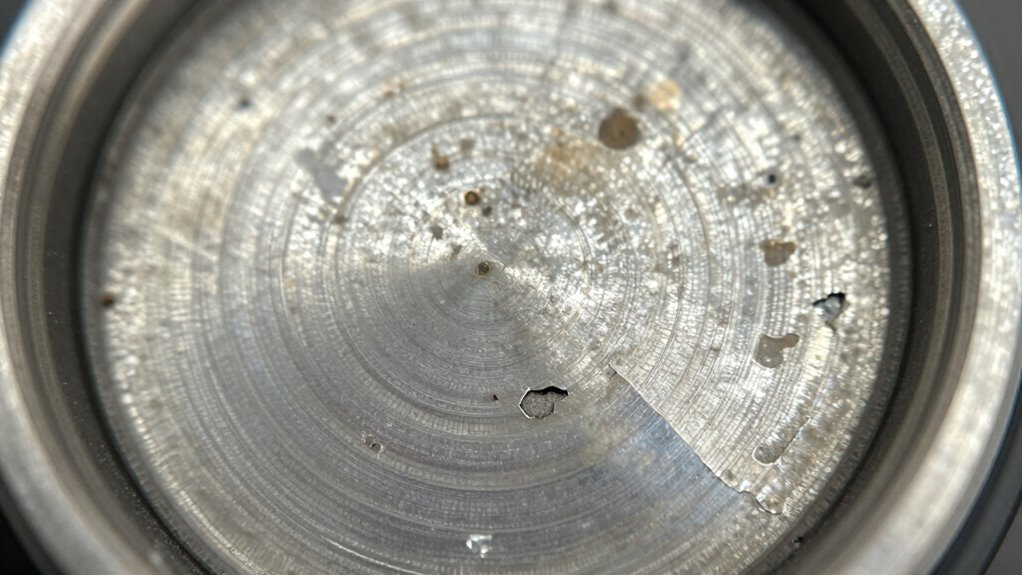
Lip seal wear patterns reveal important clues about the condition of your machinery and can help prevent costly failures. When you inspect the seals regularly, paying attention to the wear patterns, you gain valuable insights into how well your equipment is functioning. Different types of wear indicate various underlying issues, and understanding these signs can guide you in making timely repairs or adjustments. The first step is recognizing that the seal material plays a vital role in how a lip seal wears over time. Different materials—like rubber, polyurethane, or Viton—respond uniquely to operating conditions, temperature fluctuations, and exposure to chemicals. If you notice uneven or excessive wear, it might be time to evaluate whether your current seal material is suitable for your application’s demands. Using the correct seal material aligned with your operational environment minimizes premature wear and extends the lifespan of your seals. Additionally, seal material compatibility is crucial for ensuring optimal performance and longevity.
Your maintenance practices deeply influence the wear patterns you observe. Consistent, proper maintenance—such as keeping the sealing surfaces clean, avoiding over-pressurization, and ensuring correct installation—can substantially reduce abnormal wear. If you neglect regular inspections, debris or dirt can cause abrasive wear, which appears as scratches or rough patches on the seal surface. Conversely, improper installation can lead to misalignment, resulting in uneven wear or early failure. Regular lubrication, where applicable, also plays an important role; insufficient lubrication can cause increased friction, leading to heat buildup and accelerated wear. When you notice specific wear patterns, like chipping, cracking, or tearing, it’s a clear sign that your maintenance practices might need adjustment. Addressing these issues early prevents leaks, machinery downtime, and potential damage to other components.
Furthermore, understanding how to interpret wear patterns helps you identify if the seal is operating under abnormal conditions. For example, lip tearing might suggest contamination or misalignment, while excessive flattening indicates over-compression. These signs often point back to how well you’re maintaining the equipment or selecting the right seal material. Proper maintenance routines include inspecting seals at regular intervals, replacing them before they fail completely, and ensuring the operating environment is within specified parameters. When you combine attentive maintenance practices with a good understanding of seal material properties, you enhance your machinery’s reliability and reduce unexpected breakdowns. In short, paying close attention to wear patterns isn’t just about fixing seals—it’s about proactively managing your equipment’s health and optimizing its lifespan.
Products Worth Considering

Milwaukee 2697-22 M18 18-Volt Lithium-Ion Cordless Hammer Drill/Impact Driver XC Combo Kit (2-Tool)

Chemical Guys 16-Piece Arsenal Builder Car Wash Kit with Foam Cannon & Bucket

DEWALT 20V MAX Drill and Impact Driver Combo Kit (DCK240C2)
As an affiliate, we earn on qualifying purchases.
Frequently Asked Questions
How Can I Prevent Lip Seal Wear in the First Place?
To prevent lip seal wear, choose high-quality seal material suited for your application and guarantee proper installation techniques. Regularly inspect seals for early signs of damage, and avoid over-tightening or misalignment during installation. Keep surfaces clean and free of debris, and use compatible lubricants to reduce friction. Proper maintenance and careful handling help extend seal life, preventing premature wear and costly repairs.
What Tools Are Best for Inspecting Lip Seal Damage?
You’d think a magnifying glass would do the trick, but for serious inspection, use visual inspection tools like borescopes to get a close look. For deeper trouble, ultrasonic testing is your best bet—it’s like giving your seals an MRI. These tools help you detect wear patterns early, saving you from unexpected failures. Don’t settle for guesswork; prioritize thorough inspections with the right equipment.
Are Certain Lubricants Better for Prolonging Seal Life?
Yes, certain lubricants can better prolong seal life. You should choose lubricants compatible with your seal material to prevent early wear or damage. Using the right lubricant guarantees ideal sealing, reduces friction, and minimizes wear patterns. Always check the manufacturer’s specifications for lubricant compatibility, and avoid petroleum-based lubricants on synthetic seals, as they can degrade the material and shorten your seal’s lifespan.
How Often Should Lip Seals Be Replaced to Avoid Damage?
Don’t wait for the wheels to come off—regular seal maintenance is your best bet. You should inspect your lip seals at least every 3 to 6 months, or sooner if you notice leaks or unusual wear. Consistent wear inspection helps catch early damage before it worsens. Replace lip seals promptly when signs of wear, cracks, or deformation appear to prevent costly breakdowns and keep your equipment running smoothly.
Can External Factors Like Temperature Impact Seal Wear Patterns?
Yes, external factors like temperature effects and environmental influences can considerably impact seal wear patterns. When temperatures fluctuate or environmental conditions are harsh, the lip seals may expand, contract, or degrade faster. You should regularly inspect seals in extreme conditions and consider using seals designed for specific environments. Proper maintenance and choosing the right seal material help mitigate these effects, extending the lifespan of your lip seals.
Conclusion
Think of your lip seal like a tire’s tread—once you notice uneven wear, you know something’s off. I once saw a machine with a worn lip seal that caused costly leaks, much like a car losing air through a cracked tire. By paying attention to wear patterns, you catch problems early, saving time and money. Remember, small signs often tell big stories—trust what your seals reveal before they become costly repairs.