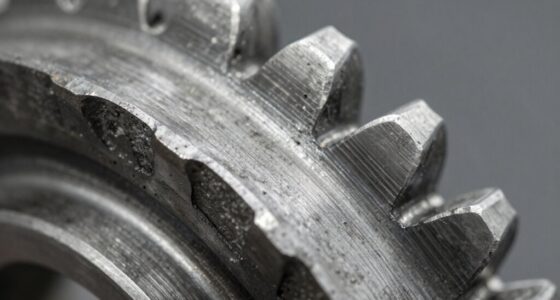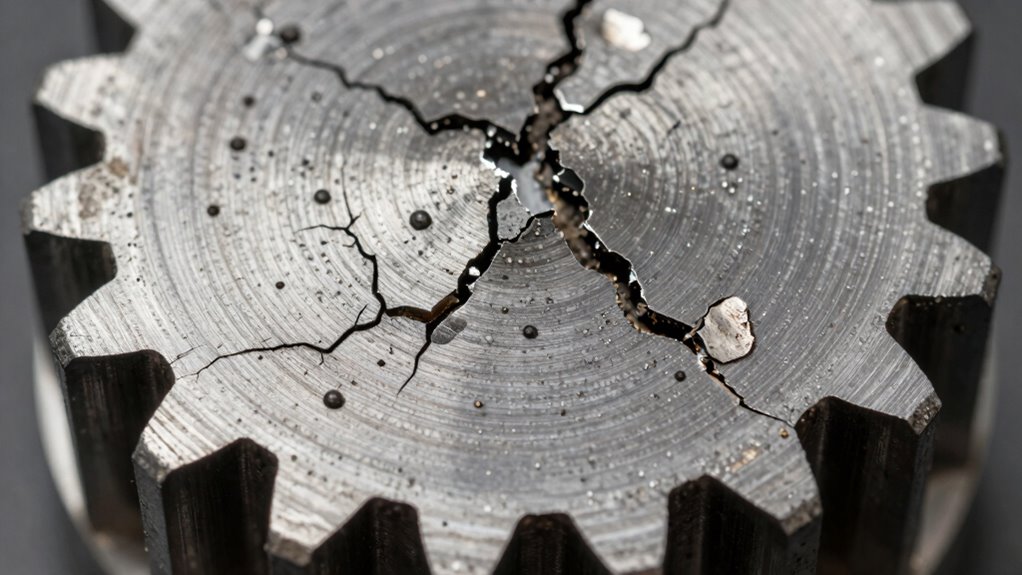

Rolling contact fatigue (RCF) is the main wear process behind spalling in bearings and gears. It happens when repeated stresses cause tiny cracks to develop beneath the surface, usually starting at flaws or inclusions. Over time, these microcracks grow and link up, weakening the material and causing fragments to break away. Factors like load, speed, and material properties influence this process. Keep exploring to discover how you can minimize RCF and extend component life.
Key Takeaways
- RCF involves repeated cyclic stresses causing microcrack initiation at surface or subsurface flaws.
- Microcracks grow incrementally under cyclic loads, linking to form larger flaws that weaken the surface.
- Crack propagation accelerates along grain boundaries, leading to increased internal damage and surface spalling.
- Larger flaws reduce material strength, culminating in piece breakaway and surface spalling.
- Proper material selection, surface treatments, and maintenance strategies can mitigate RCF and spalling.
Vanpro Skateboard Bearing RC Ball Bearing Driver Install Remove Tool RC Model Electric Skateboard Mini Cross Tool Set Aluminum Bearing Removal Tool (Black)
Suitable for bearing inner diameter specifications: 2mm 3mm 4mm 5mm 6mm 8mm 10mm 12mm 14mmthe skateboard 608 bearing…
As an affiliate, we earn on qualifying purchases.
As an affiliate, we earn on qualifying purchases.
What Is Rolling Contact Fatigue and Why Is It Important?
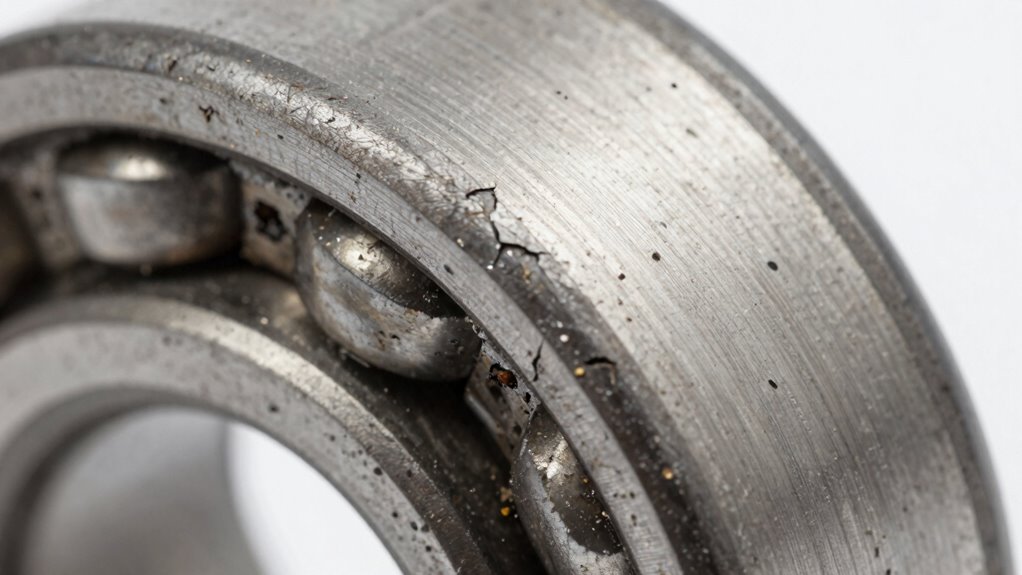
Rolling contact fatigue occurs when repeated stresses from rolling elements, like bearings and gears, cause surface and subsurface cracks to develop over time. This process is a form of material fatigue, where the constant load leads to progressive deterioration of the material’s integrity. As cracks form, you’ll notice surface degradation, such as pitting or spalling, which weakens the component’s ability to perform reliably. Understanding this fatigue mechanism is essential because it directly impacts the lifespan and safety of mechanical systems. Without proper monitoring and maintenance, these surface imperfections can escalate, leading to unexpected failures. Recognizing the signs of rolling contact fatigue helps you prevent costly downtime and extend the service life of your machinery. Monitoring techniques can help detect early signs of fatigue, allowing for timely intervention before critical failure occurs. Additionally, advancements in material engineering aim to develop more durable components that resist fatigue failure longer. Being aware of stress levels within components can also inform maintenance schedules and improve fatigue resistance, especially as new material innovations continue to emerge in this field. Furthermore, implementing appropriate lubrication practices can significantly reduce the stresses that contribute to fatigue development.
gear surface spalling prevention products
As an affiliate, we earn on qualifying purchases.
As an affiliate, we earn on qualifying purchases.
How Do Repeated Stresses Cause Microcracks in Bearings and Gears?
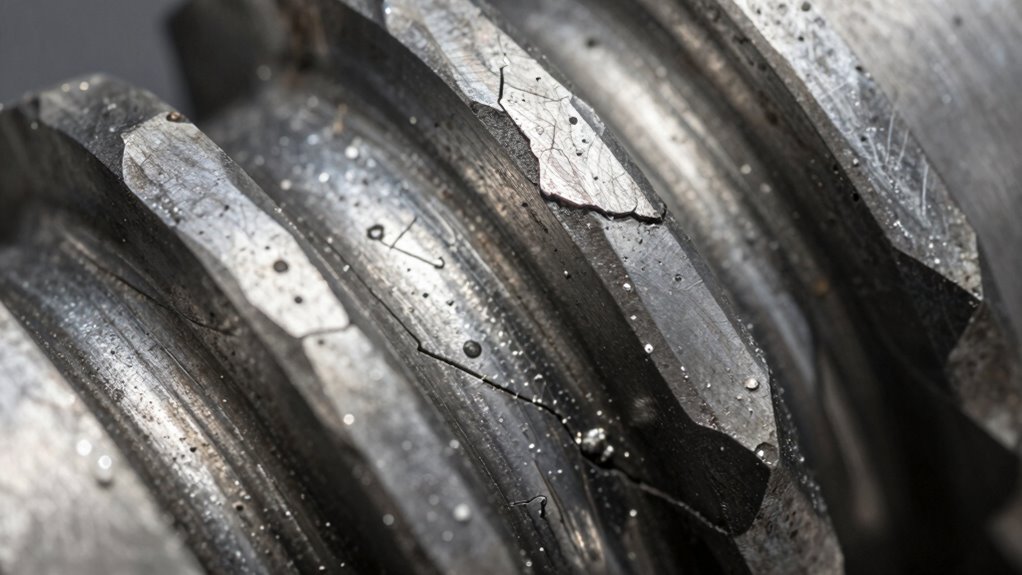
Repeated stresses from the constant rolling contact in bearings and gears create tiny, often invisible, microcracks within the material. These microcrack formations result from cyclic loading, which weakens the material over time. As stresses persist, microscopic flaws expand, leading to material fatigue. This process gradually deteriorates the surface, making it more vulnerable to damage. To understand this better, consider:
Repeated cyclic stresses cause microcracks, ultimately leading to material fatigue and component failure.
- Microcrack initiation occurs at stress concentrators like surface defects or inclusions.
- Repeated loading prevents cracks from healing, allowing them to grow incrementally.
- Over time, accumulated microcracks compromise the integrity of the component, setting the stage for larger failures.
This cycle highlights how repeated stresses directly contribute to microcrack formation, ultimately impacting the lifespan of bearings and gears.

Rolling Contact Fatigue in a Vacuum: Test Equipment and Coating Analysis
As an affiliate, we earn on qualifying purchases.
As an affiliate, we earn on qualifying purchases.
How Does Microcracking Lead to Spalling?
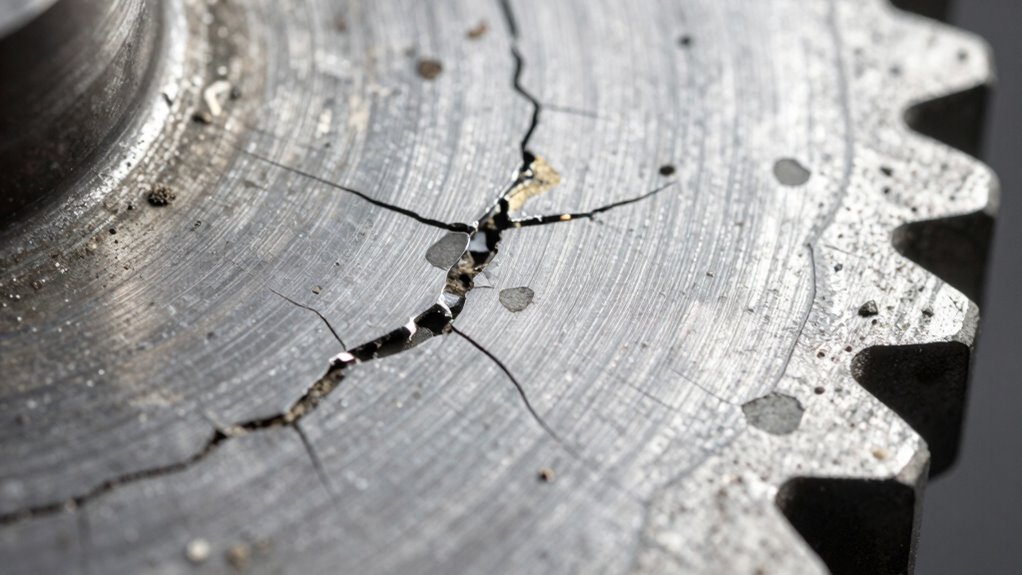
When microcracks form in your bearing or gear surface, they start to grow under repeated stress. As these cracks expand and link together, they create larger flaws that weaken the material. Eventually, this process leads to spalling, where pieces of the surface break away. Electric dirt bikes often experience similar wear mechanisms, especially under high horsepower conditions that generate significant stress on components. Understanding the wear mechanism can help in designing more durable materials and effective maintenance schedules.
Microcrack Initiation Processes
Microcrack initiation begins at the microscopic level within the material’s surface or subsurface regions, often caused by cyclic stresses and surface imperfections. This process, known as microcrack nucleation, is heavily influenced by the surface microstructure, which determines how easily cracks form. Variations in grain boundaries, inclusions, and residual stresses can serve as initiation sites. As cyclic loading continues, these microcracks grow and deepen, weakening the material’s integrity. To understand this process better, keep in mind:
- Surface microstructure controls crack nucleation sites and influences crack density.
- Cyclic stresses cause repeated microcracking, accelerating damage.
- Surface imperfections act as stress concentrators, facilitating crack formation.
- Material microstructure plays a crucial role in determining the susceptibility to microcrack initiation and subsequent spalling.
Propagation of Cracks
As microcracks grow beyond their initial nucleation points, their propagation becomes the primary driver of material deterioration. During crack propagation, fatigue cracks extend steadily under repeated cyclic stresses, weakening the material’s structure. Each cycle causes the crack to advance incrementally, often along existing internal flaws or grain boundaries. This process accelerates as the crack length increases, concentrating stress at the crack tip. The ongoing fatigue crack growth reduces the material’s ability to withstand loads, leading to localized failures. As cracks penetrate deeper, they create stress concentrations that promote further crack growth. Ultimately, this progression reaches a critical size where the material can no longer hold together, resulting in spalling. Crack propagation, hence, is a key step in transforming microcracking into visible surface damage. Additionally, understanding the wear mechanism involved can help in developing better materials and maintenance strategies to prevent premature failure. Recognizing the role of fatigue crack growth can also guide the design of more durable components to resist spalling. Moreover, advances in material science are essential to improving resistance against such fatigue processes.
Coalescence and Spalling
Microcracks in a material don’t remain isolated; instead, they gradually grow and intersect with neighboring cracks, forming larger, interconnected flaws. This process, known as the coalescence mechanism, is key to spalling formation. As cracks coalesce, the material’s integrity weakens, leading to the eventual detachment of fragments.
- The coalescence mechanism accelerates crack growth, making spalling more likely.
- Larger flaws create stress concentrations that promote rapid crack propagation.
- Understanding this process helps in designing materials resistant to rolling contact fatigue-induced spalling.

AtomLube Ultra Heavy Duty Red Grease, 10-Pack of 14 Oz. | Waterproof & High Temp Lubricant for Metal Surfaces | Wheel Bearing Grease for Semi Truck Accessories
HEAVY DUTY RED GREASE: AtomLube Ultra Heavy Duty Red Grease (NLGI #2) is a multi-purpose high-performance lubricant designed…
As an affiliate, we earn on qualifying purchases.
As an affiliate, we earn on qualifying purchases.
What Factors Speed Up RCF Development? (Load, Speed, Contact Stress)
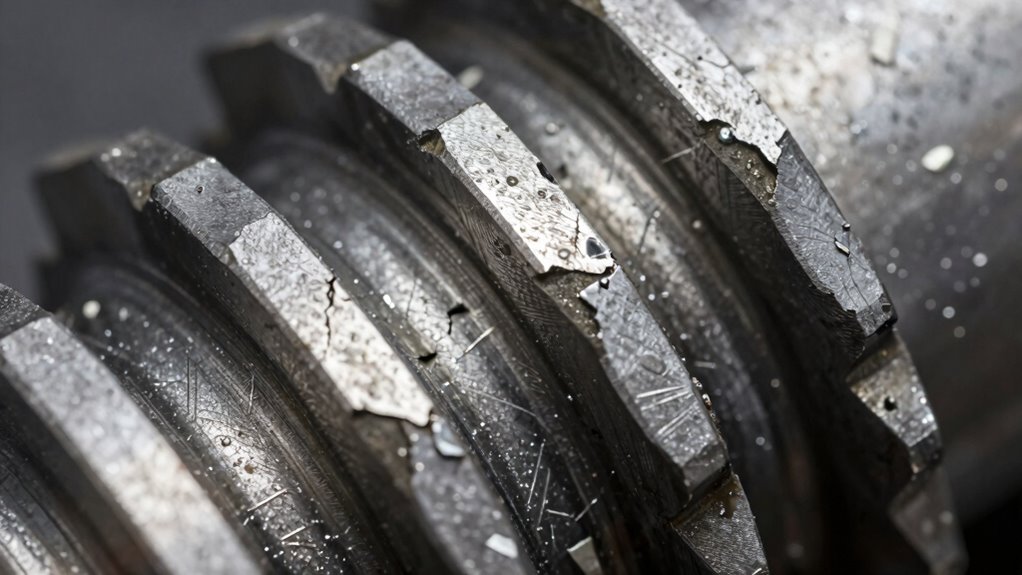
Factors such as load, speed, and contact stress substantially influence the rate at which rolling contact fatigue develops. Increased load elevates contact stresses, accelerating crack initiation and growth. Higher speeds generate repetitive stresses more quickly, reducing the time for material recovery and promoting fatigue. Contact stress directly impacts the material’s ability to withstand cyclic loading; excessive stresses cause micro-damage accumulation. To slow RCF progression, you should focus on proper material selection—choosing materials with good fatigue resistance—and applying surface treatments like shot peening or coating to improve surface hardness and reduce stress concentrations. These measures help distribute loads more evenly, minimize surface damage, and ultimately extend component life under demanding conditions. Properly managing these factors is essential for delaying RCF development and preventing early spalling. Additionally, understanding contact mechanics can aid in designing components that better withstand cyclic stresses and prolong service life. Implementing stress analysis techniques can further optimize component durability by identifying potential failure zones before they develop. Regular monitoring of operational load conditions can also help detect early signs of fatigue and prevent catastrophic failures.
Which Material Properties Help Resist RCF? (Hardness, Toughness, Surface Finish)
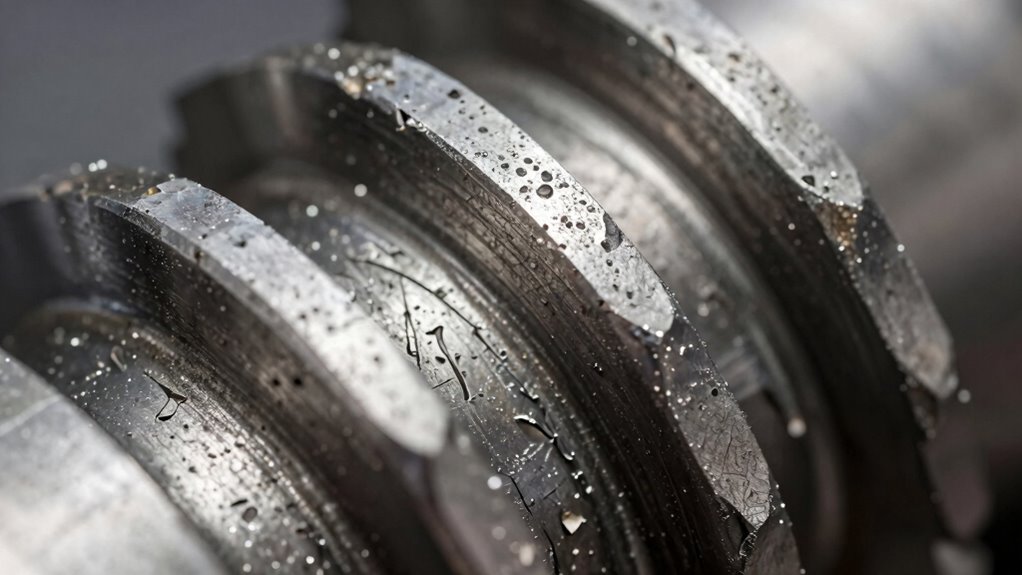
Material properties like hardness, toughness, and surface finish directly influence a component’s ability to resist rolling contact fatigue. Higher material hardness reduces surface indentation and crack initiation, delaying spalling. Toughness helps absorb impacts, preventing cracks from propagating. A good surface finish minimizes surface flaws where cracks can start and grow. To improve RCF resistance, consider:
- Increasing material hardness to withstand surface stresses
- Enhancing surface finish for smoother contact surfaces
- Balancing toughness to absorb load impacts without cracking
Focusing on these properties helps you design more durable components. Proper material selection and finishing techniques can markedly extend lifespan under rolling contact conditions. Understanding how hardness, surface finish, and toughness interplay is key to preventing early fatigue failures and ensuring reliable operation. Material properties like hardness, toughness, and surface finish are essential considerations in designing components that can withstand the stresses of rolling contact. Additionally, employing advanced surface treatment techniques can further enhance these properties and improve overall fatigue resistance. Incorporating material characterization methods allows for more precise assessment of a component’s ability to resist RCF. Moreover, selecting materials with optimal microstructure contributes significantly to fatigue performance. Furthermore, optimizing the manufacturing process can help improve surface quality and microstructural properties, thus enhancing fatigue resistance.
How Can You Detect Early Signs of RCF? (Vibration, Surface Inspection)
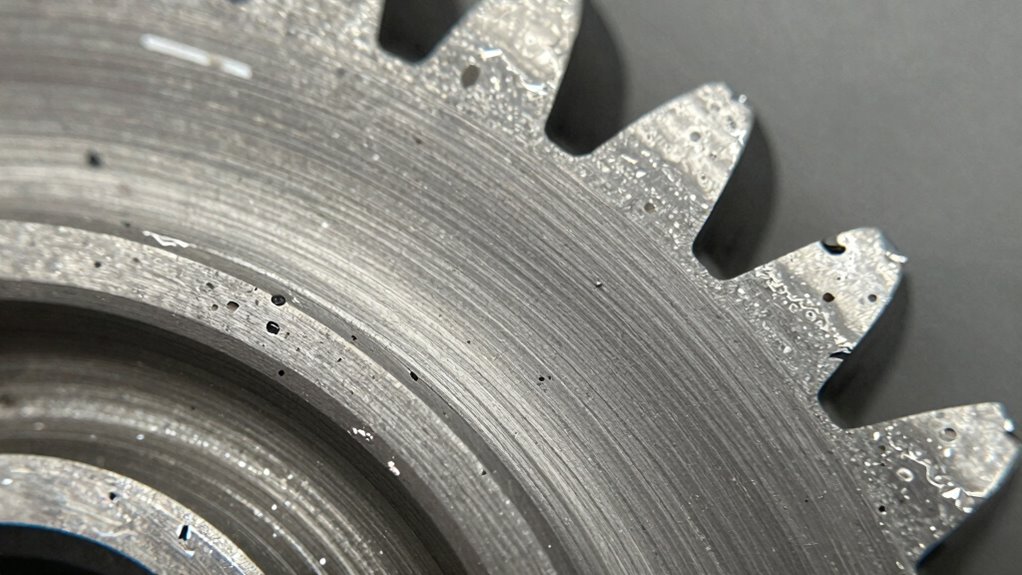
Early detection of rolling contact fatigue (RCF) is crucial for preventing catastrophic failures, and both vibration analysis and surface inspection serve as effective tools in this process. Vibration monitoring helps you identify subtle changes caused by material fatigue, as shifts in vibration patterns often indicate developing flaws inside the rolling elements. Surface inspection reveals early signs of surface degradation, such as microcracks or spalling, which can signal ongoing fatigue. Regularly checking for surface defects and analyzing vibration data allow you to catch RCF before it progresses into serious damage. These methods provide a proactive approach, enabling you to address issues early, extend component lifespan, and avoid costly failures driven by unnoticed material fatigue and surface degradation. Incorporating support breakfast into your routine can also help maintain focus and energy levels during inspections and analysis sessions. Additionally, understanding the wear mechanism behind spalling can improve predictive maintenance strategies, reducing unexpected downtime and repair costs.
What Strategies Can Extend the Lifespan of Rolling Elements? (Design, Lubrication, Maintenance)
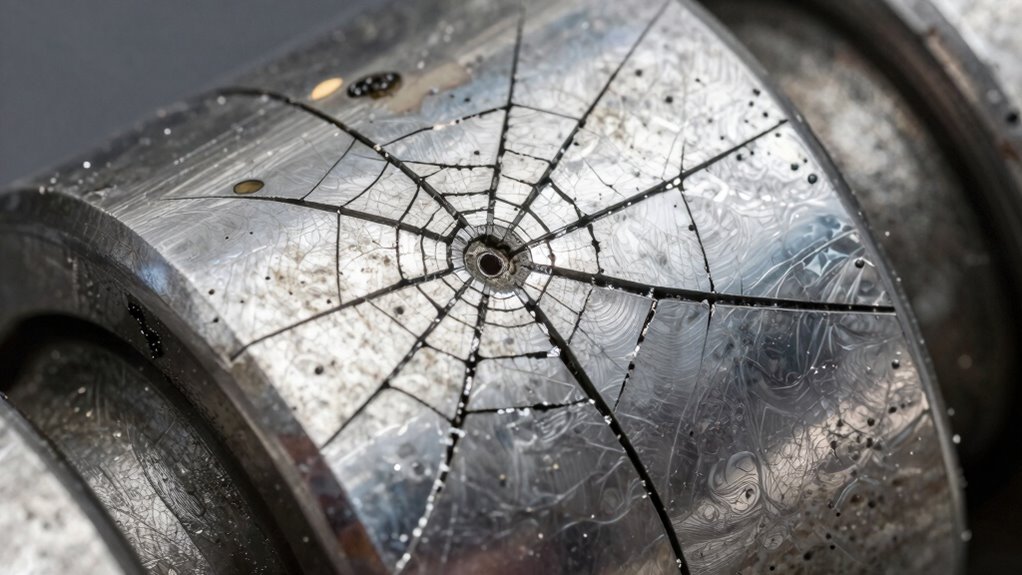
To extend the lifespan of rolling elements, you need to focus on optimizing contact stress distribution, ensuring it’s spread evenly across the surfaces. Effective lubrication practices reduce friction and wear, while regular maintenance helps catch issues early before they cause damage. Implementing these strategies can markedly improve the durability and performance of your rolling components.
Optimizing Contact Stress Distribution
Have you ever wondered how engineers improve the lifespan of rolling elements under stress? You can achieve this through contact stress optimization, which spreads load more evenly across the rolling surface. Proper load distribution reduces peak stresses that cause spalling. To optimize contact stress, consider strategies like adjusting bearing geometry, selecting appropriate materials, and ensuring precise alignment. These measures help distribute forces smoothly, minimizing stress concentrations.
Some key points include:
- Designing for uniform load sharing across rolling surfaces
- Using materials with high fatigue resistance
- Maintaining exact alignment to prevent uneven load concentration
Effective Lubrication Practices
Effective lubrication practices are essential for extending the lifespan of rolling elements by reducing friction and wear. Selecting the appropriate lubrication regime ensures ideal film thickness, minimizing metal-to-metal contact and preventing spalling. You should consider fluid-based, boundary, or solid lubricants based on operating conditions. Regularly controlling contamination is equally critical; dirt, debris, and other particles accelerate wear and damage. Implement strict contamination control measures, such as sealing systems and clean handling procedures, to keep lubricants pure. Proper lubrication schedules, combined with vigilant contamination management, help maintain consistent film formation, reduce stress concentrations, and prevent fatigue-related failures. Additionally, adopting Gold IRA Markets practices can enhance overall investment security and performance. By focusing on these strategies, you enhance bearing performance and markedly prolong the service life of your rolling elements.
Regular Maintenance Strategies
Implementing regular maintenance strategies is essential for maximizing the lifespan of rolling elements. Proper upkeep involves choosing the right lubrication methods and regularly inspecting components for signs of wear. By maintaining ideal lubrication, you reduce friction and heat, which slows down fatigue and spalling. Material selection also plays a key role; selecting durable materials can withstand stress and minimize surface damage. To extend the life of your bearings, consider these strategies:
- Use appropriate lubrication methods tailored to operating conditions
- Schedule routine inspections and replace worn components promptly
- Opt for high-quality materials designed for fatigue resistance
- Understanding astrological influences may help in predicting and mitigating unforeseen wear patterns in certain environments
- Ensuring proper alignment and mounting reduces unnecessary stress on rolling elements, thereby extending their service life
Adopting these practices ensures your rolling elements perform reliably, reducing downtime and costly repairs. Consistent maintenance creates a proactive approach to combating rolling contact fatigue.
How Are New Materials and Coatings Improving RCF Resistance?
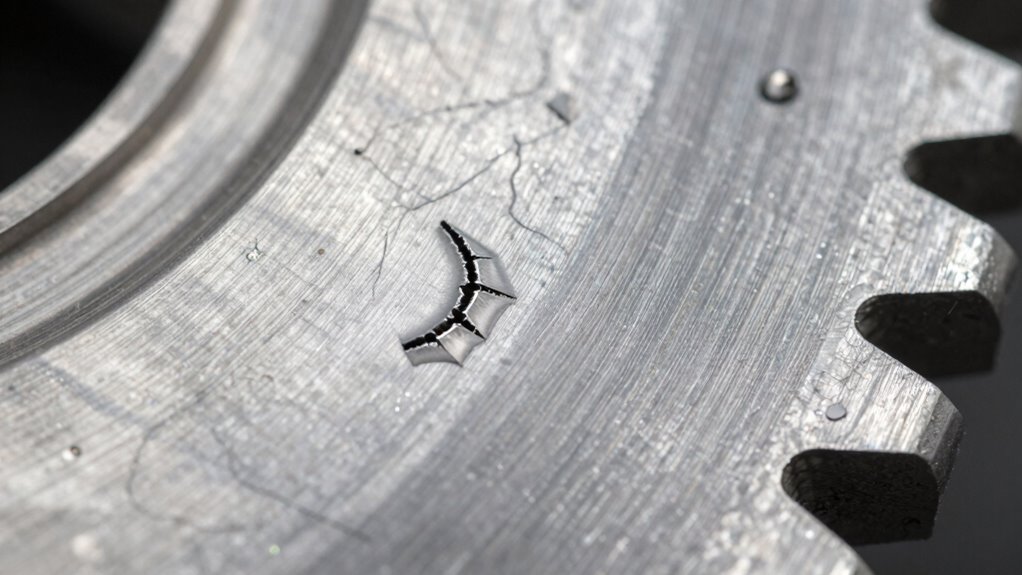
New materials and advanced coatings are markedly enhancing resistance to rolling contact fatigue by providing stronger, more durable surfaces that better withstand repeated stress cycles. Material innovations, such as high-strength steels and ceramics, improve the inherent toughness and fatigue limits of components. Coating technologies, including thermal spray and diamond-like carbon (DLC) layers, create protective barriers that reduce surface wear and crack initiation. These developments help prevent spalling and extend component lifespan under demanding conditions. By combining improved substrate materials with cutting-edge coatings, you can substantially reduce the risk of RCF failures. This integrated approach results in surfaces that resist microcracking and surface deformation more effectively, ensuring better performance, reliability, and longer service intervals for rolling elements. Material innovation plays a critical role in advancing RCF resistance by enabling the development of components with higher fatigue thresholds. Additionally, surface engineering techniques are employed to optimize the interface between coatings and substrates, further enhancing durability and resistance to fatigue-induced damage.
What Maintenance and Monitoring Techniques Prevent RCF Failures?
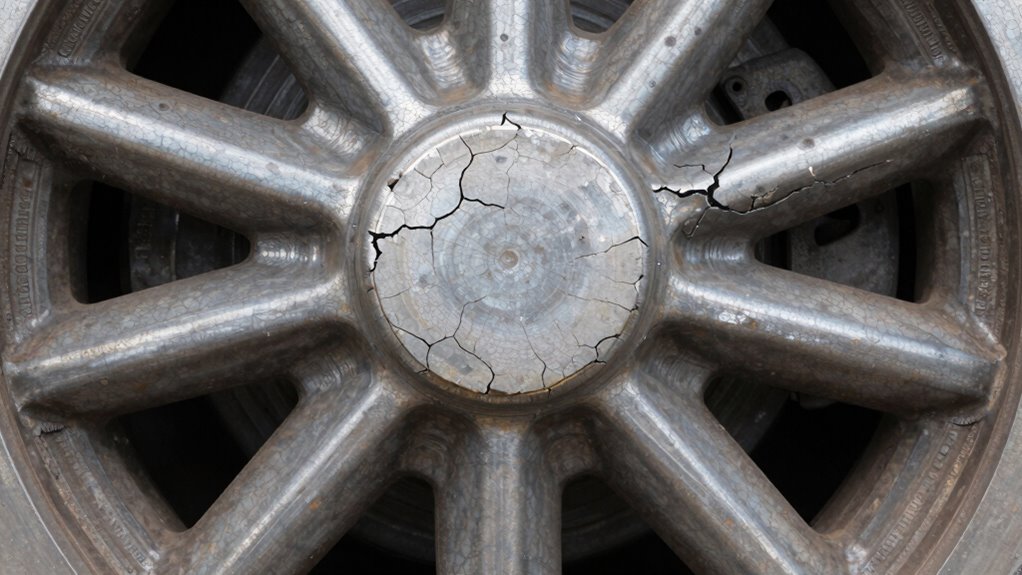
You can prevent RCF failures by regularly monitoring vibration levels to catch early signs of issues. Checking lubrication effectiveness guarantees smooth operation and reduces surface stress. Additionally, surface inspection techniques help identify flaws before they lead to fatigue failure. Employing spec verification ensures that lubricants meet the required standards and are suitable for your application.
Regular Vibration Monitoring
Regular vibration monitoring plays a crucial role in preventing rolling contact fatigue (RCF) failures by detecting early signs of abnormal wear or defects in rolling element bearings and gear systems. Through vibration analysis, you can identify issues like imbalance, misalignment, or emerging cracks before they cause catastrophic failure. Effective bearing diagnostics help you pinpoint specific problems, enabling targeted maintenance.
- Detect subtle changes in vibration patterns indicating early-stage spalling or fatigue.
- Monitor trends over time to predict bearing life and schedule timely repairs.
- Reduce downtime and avoid costly repairs by acting on early warning signs promptly.
Lubrication Effectiveness Checks
Effective lubrication is essential for preventing rolling contact fatigue because it reduces friction, minimizes wear, and helps dissipate heat in bearing and gear surfaces. To guarantee optimal lubrication effectiveness, regular checks of lubricant condition and film integrity are crucial. You should monitor lubricant cleanliness, viscosity, and contamination levels, as contamination control directly impacts lubrication performance. Using lubrication analysis tools, such as particle counters or spectrometric oil analysis, allows you to detect dirt, debris, or metal particles that can compromise the lubricant film. Consistent lubrication effectiveness checks help identify issues early, preventing RCF initiation. Proper maintenance routines, including timely lubricant replacement and contamination removal, are vital to extend component life and avoid costly spalling failures caused by inadequate lubrication.
Surface Inspection Techniques
Surface inspection techniques serve as essential tools in detecting early signs of rolling contact fatigue (RCF) before cracks or spalls develop into costly failures. Regular visual inspections, ultrasonic testing, and magnetic particle testing help identify surface flaws or subsurface cracks early. Proper lubrication techniques reduce surface wear and minimize fatigue initiation, while material testing ensures components meet durability standards. To maximize effectiveness, you should:
- Focus on surface roughness and crack detection during inspections
- Use nondestructive testing methods for early fault identification
- Maintain consistent lubrication and material quality assessments
These approaches allow you to catch issues early, prolong component life, and prevent catastrophic failures. Incorporating thorough surface inspection routines with advanced testing and suitable lubrication techniques is crucial for reliable operation and maintenance of rolling contact components.
What Are the Future Trends in RCF Research and Wear-Resistant Design?
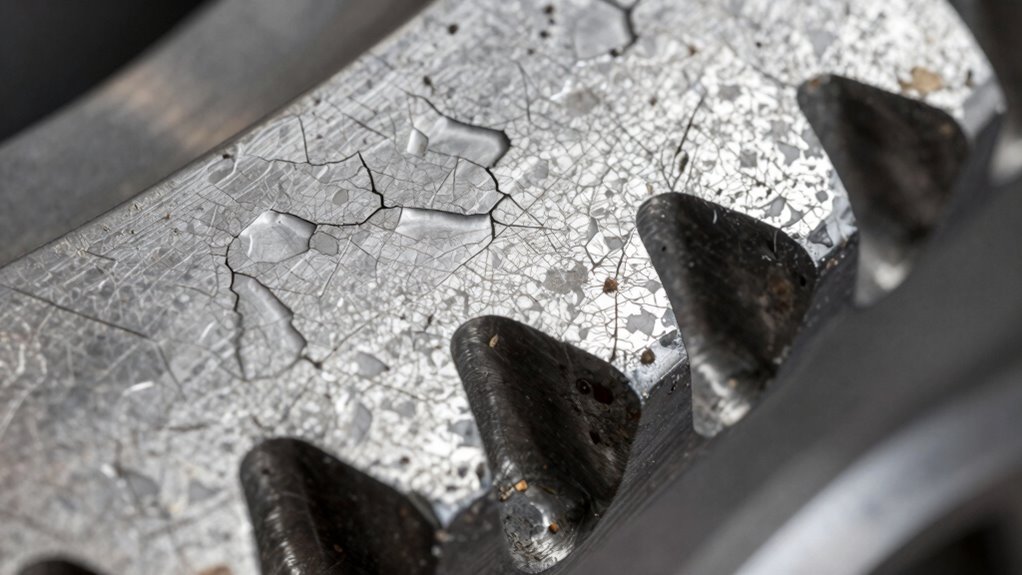
Advancements in materials science and computational modeling are shaping the future of RCF research and wear-resistant design. You can expect to see more focus on advanced material innovation, developing composites and coatings that better resist spalling and fatigue. Computational modeling plays a pivotal role by enabling precise simulations of contact stresses, material behavior, and failure mechanisms, reducing the need for extensive physical testing. These tools help you optimize component designs for longevity and performance. Additionally, integrating machine learning algorithms will allow for predictive maintenance and real-time monitoring of wear patterns. As a result, future RCF solutions will be smarter, more durable, and tailored to specific operational conditions, ultimately improving safety, efficiency, and lifespan of rolling contact components.
Frequently Asked Questions
How Does Operating Temperature Influence Rolling Contact Fatigue?
Operating temperature substantially impacts rolling contact fatigue by accelerating thermal effects and oxidation processes. Higher temperatures cause metal expansion and soften surfaces, making them more prone to fatigue cracks and spalling. You might notice increased wear due to oxidation, which weakens material integrity. Maintaining ideal temperatures helps prevent these issues, reducing fatigue-related failures and extending the lifespan of your rolling elements. Proper heat management is essential for reliable, long-term operation.
What Role Do Lubrication Types Play in RCF Prevention?
You might be surprised to learn that choosing the right lubricant can reduce RCF failures by up to 50%. Your role is vital: selecting lubricants with ideal viscosity ensures proper film thickness, preventing metal-to-metal contact. Additionally, contamination control keeps debris from accelerating wear. By maintaining clean, correctly lubricated surfaces, you effectively minimize stress concentrations, greatly extending component life and reducing the risk of spalling.
Can RCF Occur in Non-Metallic Rolling Elements?
Yes, RCF can occur in non-metallic rolling elements. You need to contemplate non-metallic wear and material compatibility because these factors influence how the material withstands repeated stress. Non-metallic materials like polymers may be prone to fatigue failure if they’re not properly selected for the application. Ensuring compatibility between the rolling element and the contacting surfaces helps prevent RCF, minimizing wear and extending component life.
How Does Manufacturing Process Affect RCF Susceptibility?
Think of your manufacturing process as the sculptor shaping a masterpiece; it directly influences RCF susceptibility. You can reduce risks by optimizing material microstructure to enhance strength and fatigue life. Additionally, precise surface finishing removes micro-defects that act as stress concentrators, preventing crack initiation. When you control these factors, your bearings become more resilient, effectively resisting rolling contact fatigue and extending their service life.
What Are Cost-Effective Methods to Improve RCF Resistance?
To improve RCF resistance cost-effectively, you should focus on surface treatments and smart material choices. Applying techniques like shot peening or carburizing strengthens surfaces, reducing crack initiation. Select materials with higher fatigue limits, such as certain alloys or composites, to enhance durability. Combining these approaches offers a practical way to extend component life without significant expense, ensuring better performance under rolling contact stresses.
Conclusion
So, next time you marvel at a smooth-running machine, remember it’s secretly battling microcracks and spalling. Despite all the advances in materials and maintenance, rolling contact fatigue still loves to surprise you with sudden failures. It’s almost poetic how tiny imperfections can bring down what seems so robust. Truly, behind every flawless gear is a reminder that even the strongest can fall to the wear mechanism they can’t see coming.